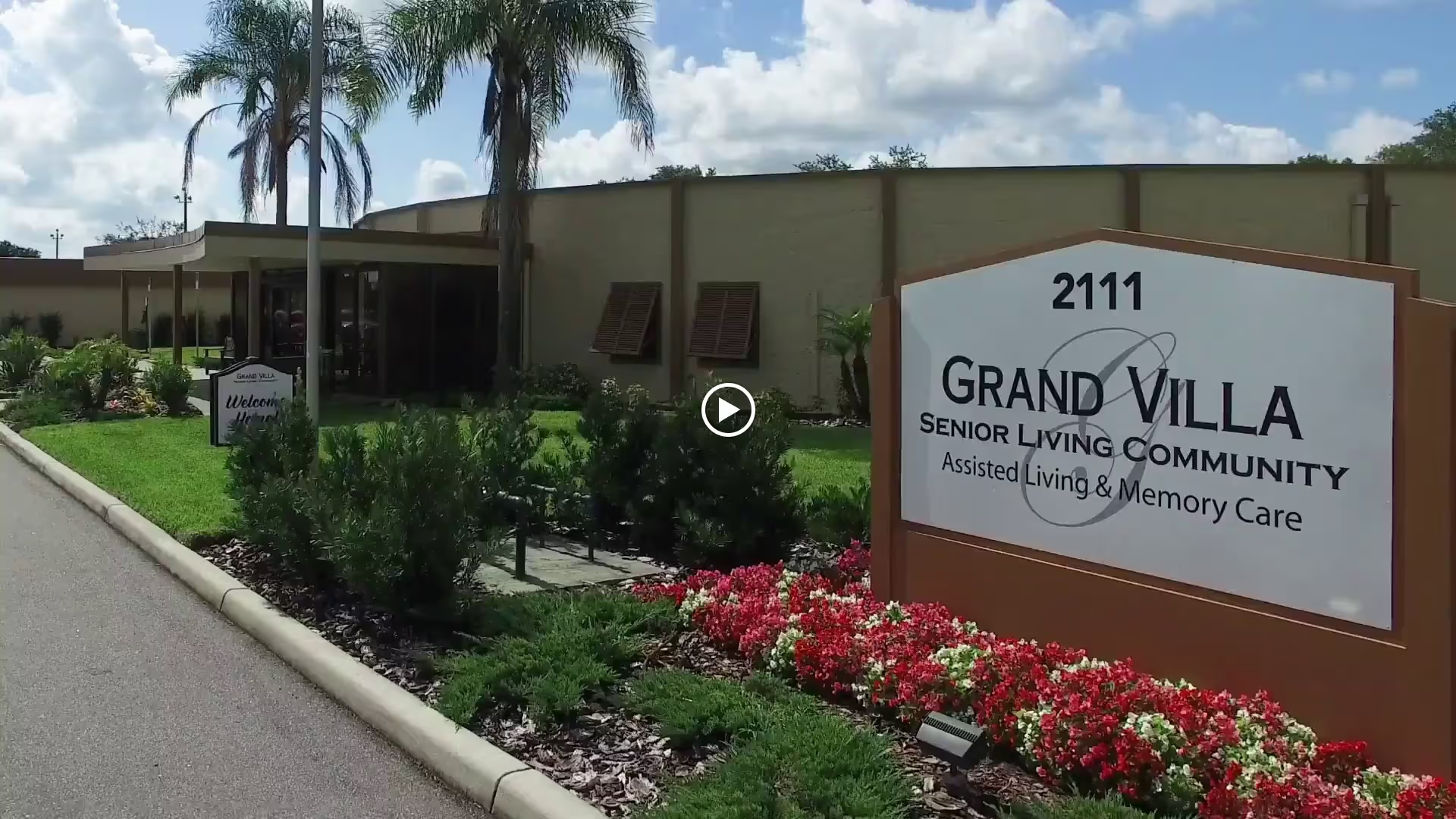
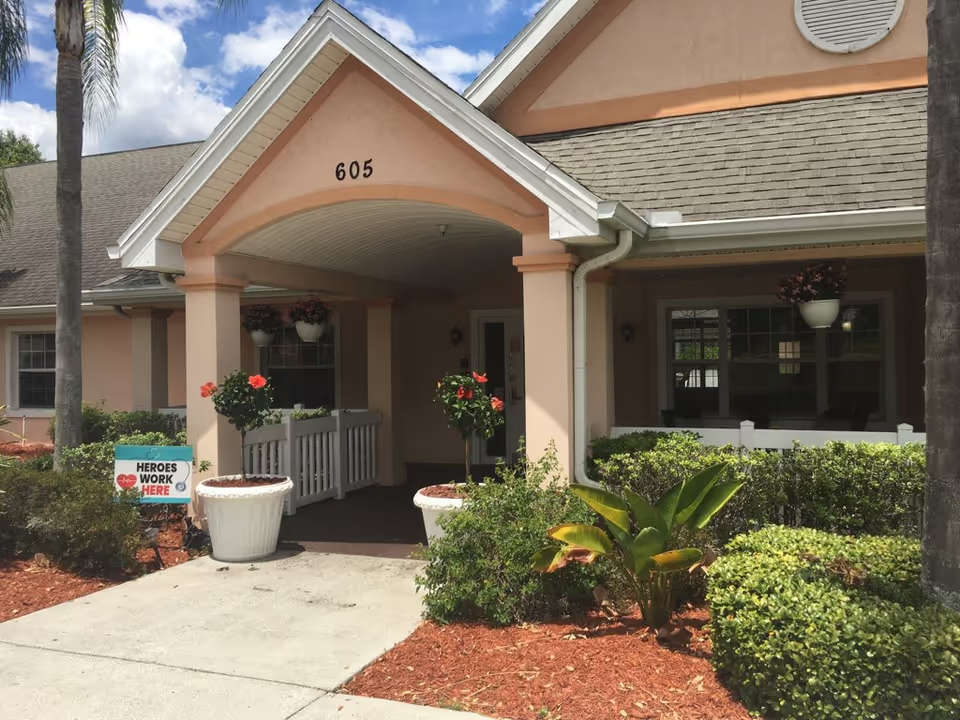
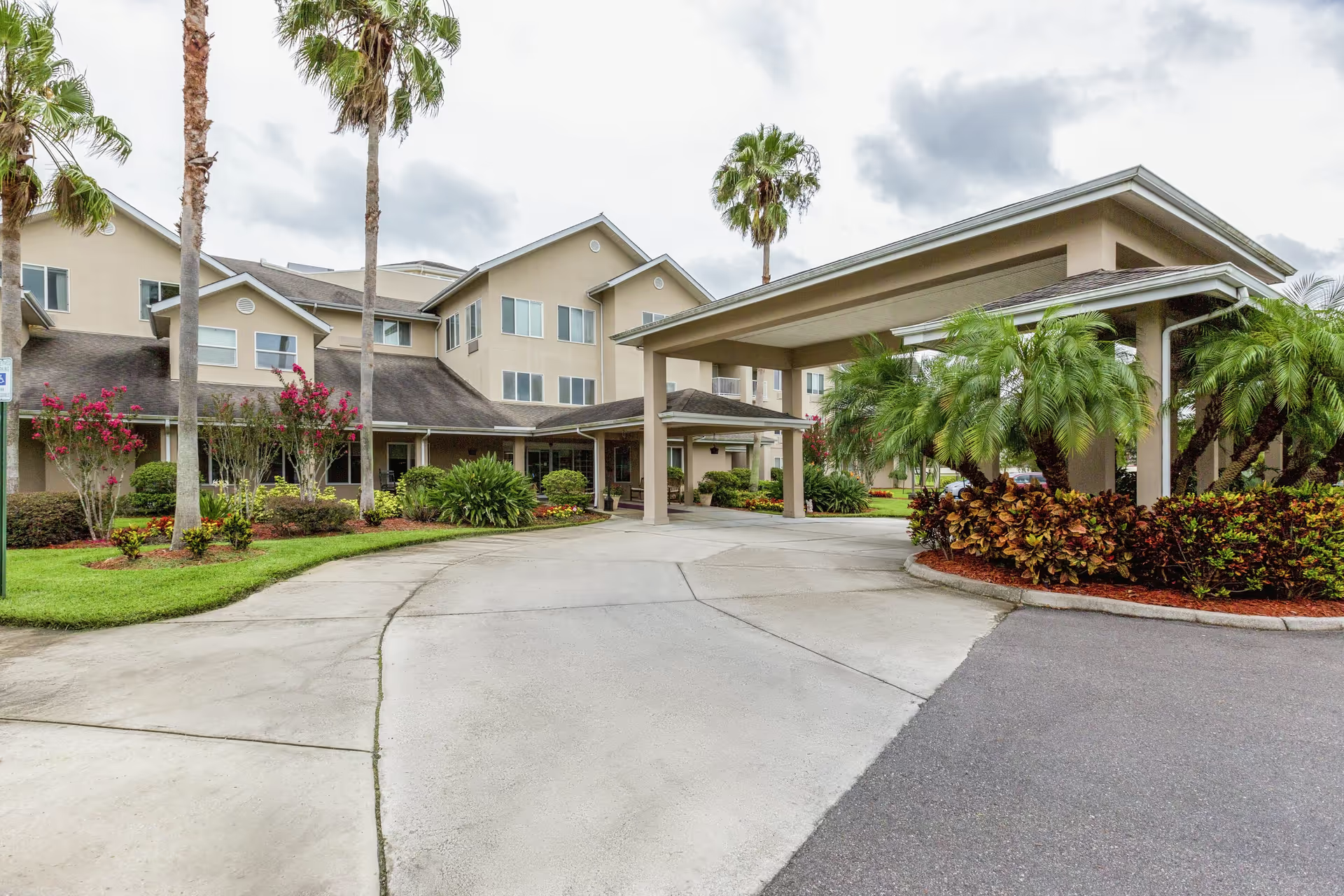
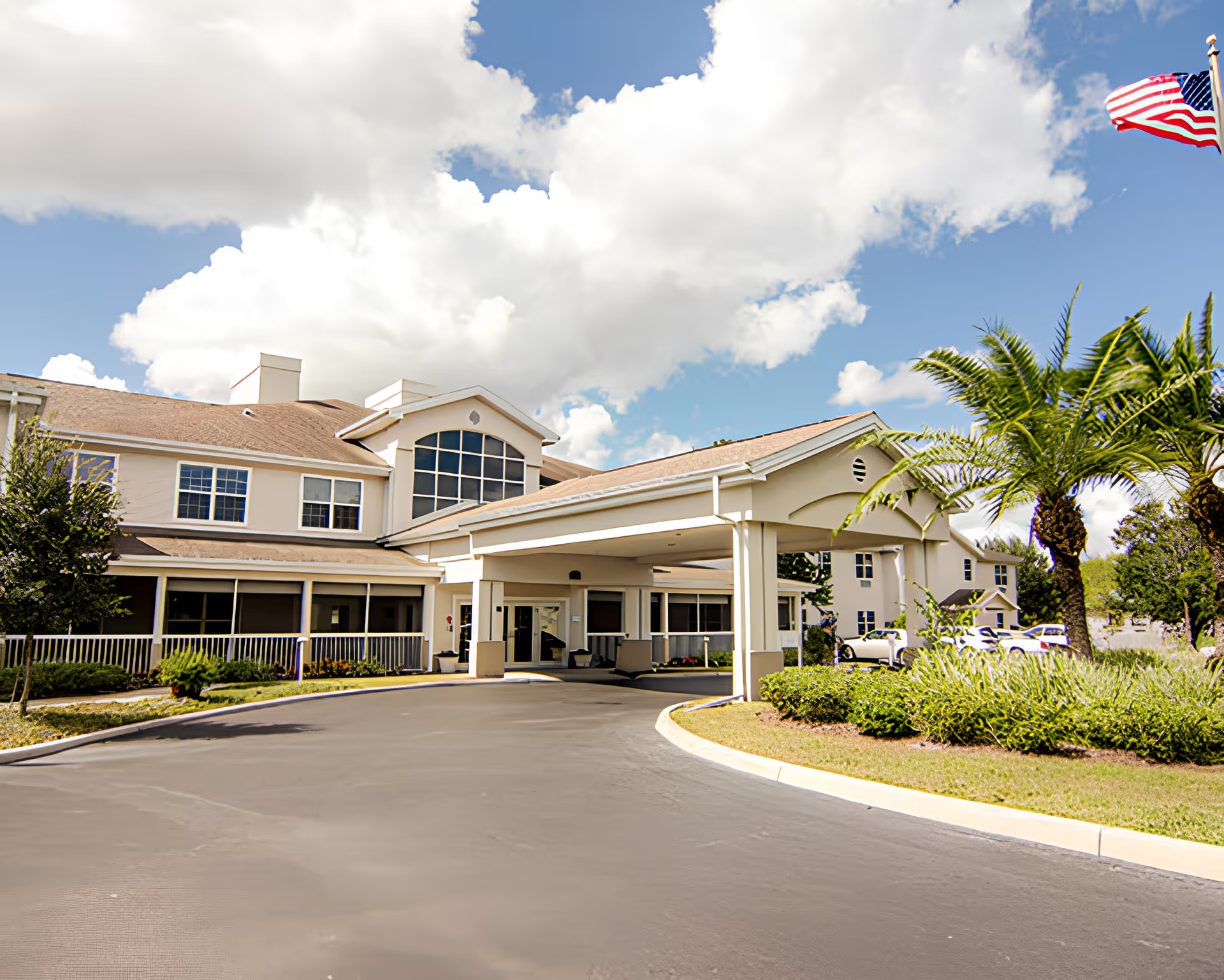
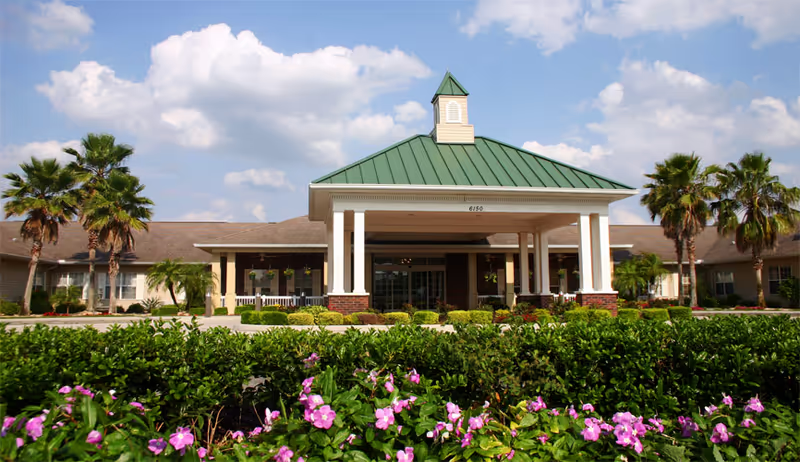
The reviews for Lakeland Manor reflect a divided but instructive picture. Many families and visitors describe a clean, home-like facility with well-maintained grounds, welcoming common spaces and outdoor visiting areas. Several accounts highlight caring, attentive caregivers and a number of long-tenured staff members; reviewers frequently noted staff who learned residents’ names, provided hands-on assistance, and helped with administrative or financial tasks. The facility offers on-site clinical touches — regular physician visits, monthly dental care, and routine immunizations — and maintains a secure memory-care unit that some families found markedly improved over prior placements. Affordability and organized spiritual programming (Bible study) are additional consistent positives.
At the same time, a pattern of clinical and operational inconsistencies emerges across reviews. Families described delays in clinical responsiveness and uneven incident follow-up; this theme is linked to concerns about medication management, occasional medication errors, and variability in medication-aide competency. Staffing levels and staff workload were cited as contributors to these gaps, with reviewers indicating that stressed or thin staffing sometimes affected continuity of care. A small number of serious allegations about staff conduct were raised and warrant direct inquiry and, where appropriate, formal investigation.
Dining and daily life receive mixed marks. Some reviewers praised tasty menus and memorable holiday meals, while others criticized portion quality, cold or unappealing plates, and weight loss tied to eating issues. Activity offerings include religious groups and social programming, but engagement appears uneven: some residents participate actively while others experience low stimulation. Families should ask about current activity schedules and how the facility individualizes engagement for residents with differing levels of independence or cognitive impairment.
Facility features earn positive notes — accessible bathrooms, walk-in showers, secure memory unit, a clean entrance, and a well-decorated interior — but reviewers also flagged maintenance and sanitation concerns in certain areas, narrow or confusing hallways, and small resident rooms. Personal-property handling and laundry processes were cited as a recurring area of dissatisfaction, with reports of clothing mix-ups and storage practices that raise privacy and security questions.
Communication and management impressions are mixed. Many families praised an involved director and responsive leadership; others reported after-hours inaccessibility, difficulty reaching physicians, and inconsistent family communication about incidents and transfers. Placement and capacity coordination between assisted-living and memory-care units was another operational friction point cited by families. Prospective residents and their decision-makers should schedule an in-person tour, request written policies on staffing ratios, medication administration, incident reporting, property management, language support, visitation and memory-care placement, and ask for recent examples of how clinical concerns were addressed and communicated to families. Doing so will help clarify whether Lakeland Manor’s strengths align with a particular resident’s clinical and social needs.