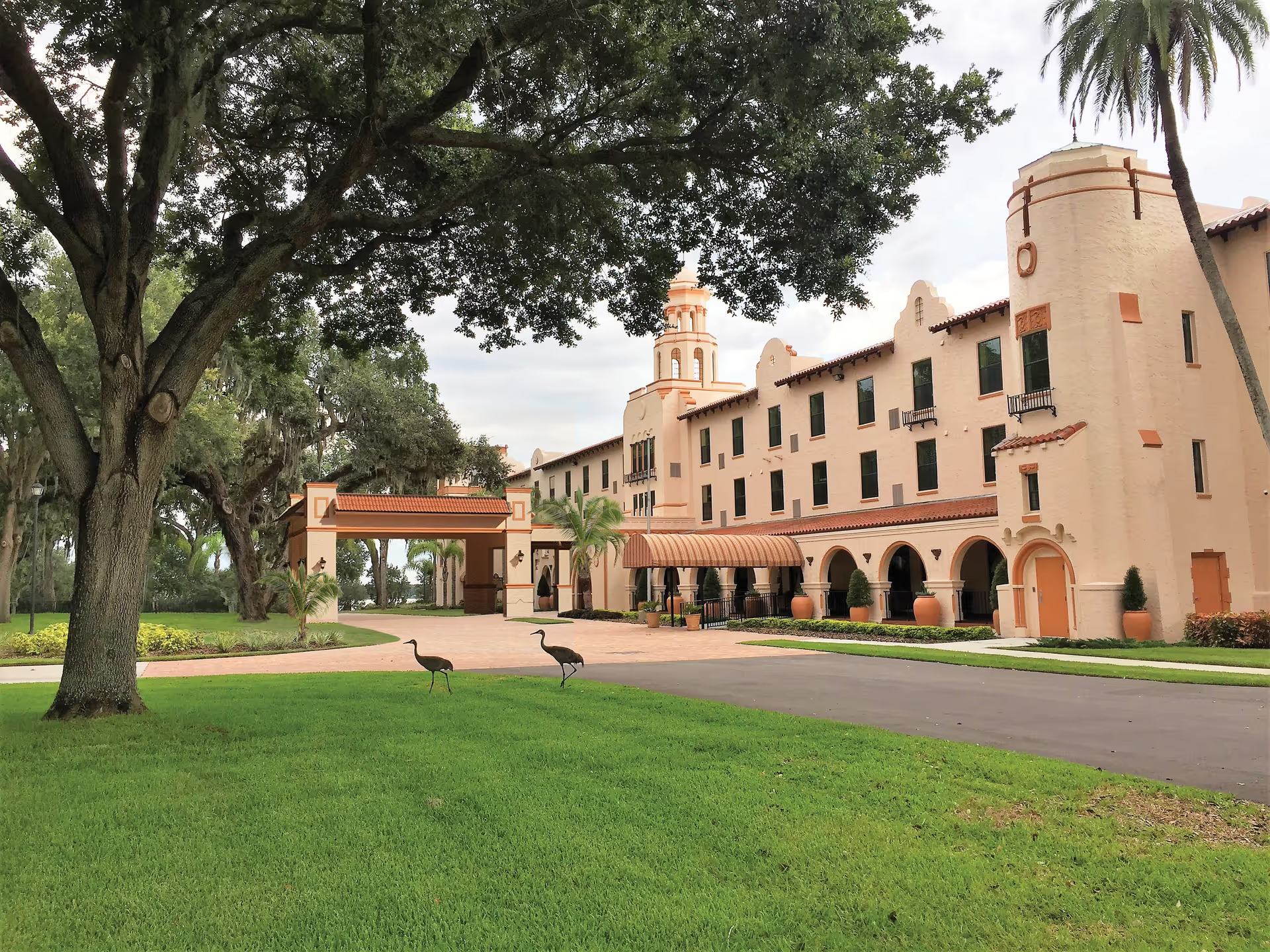
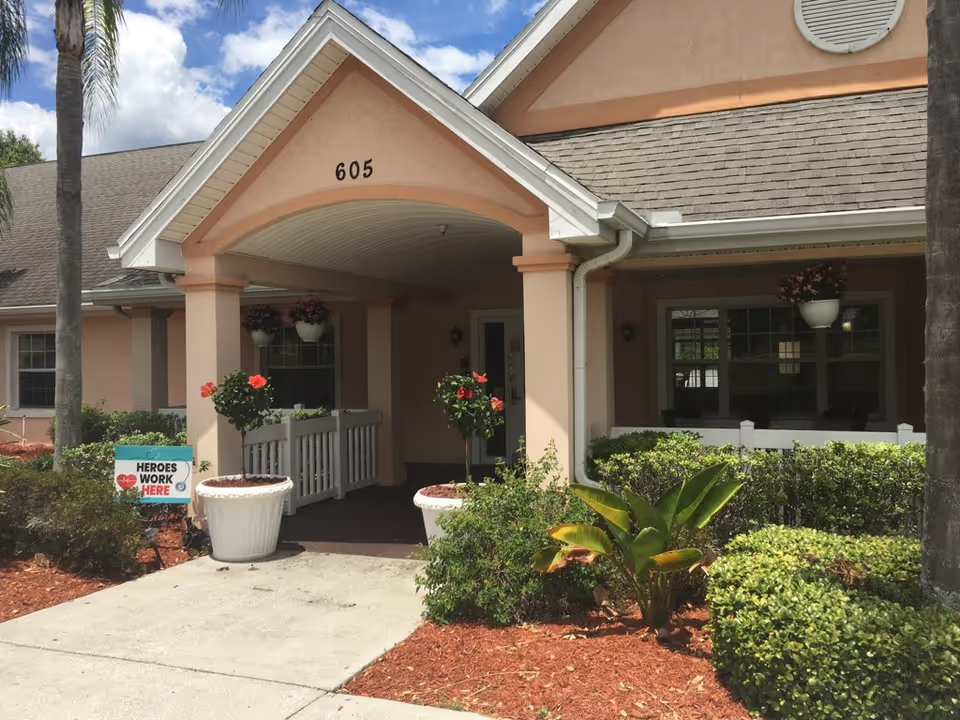
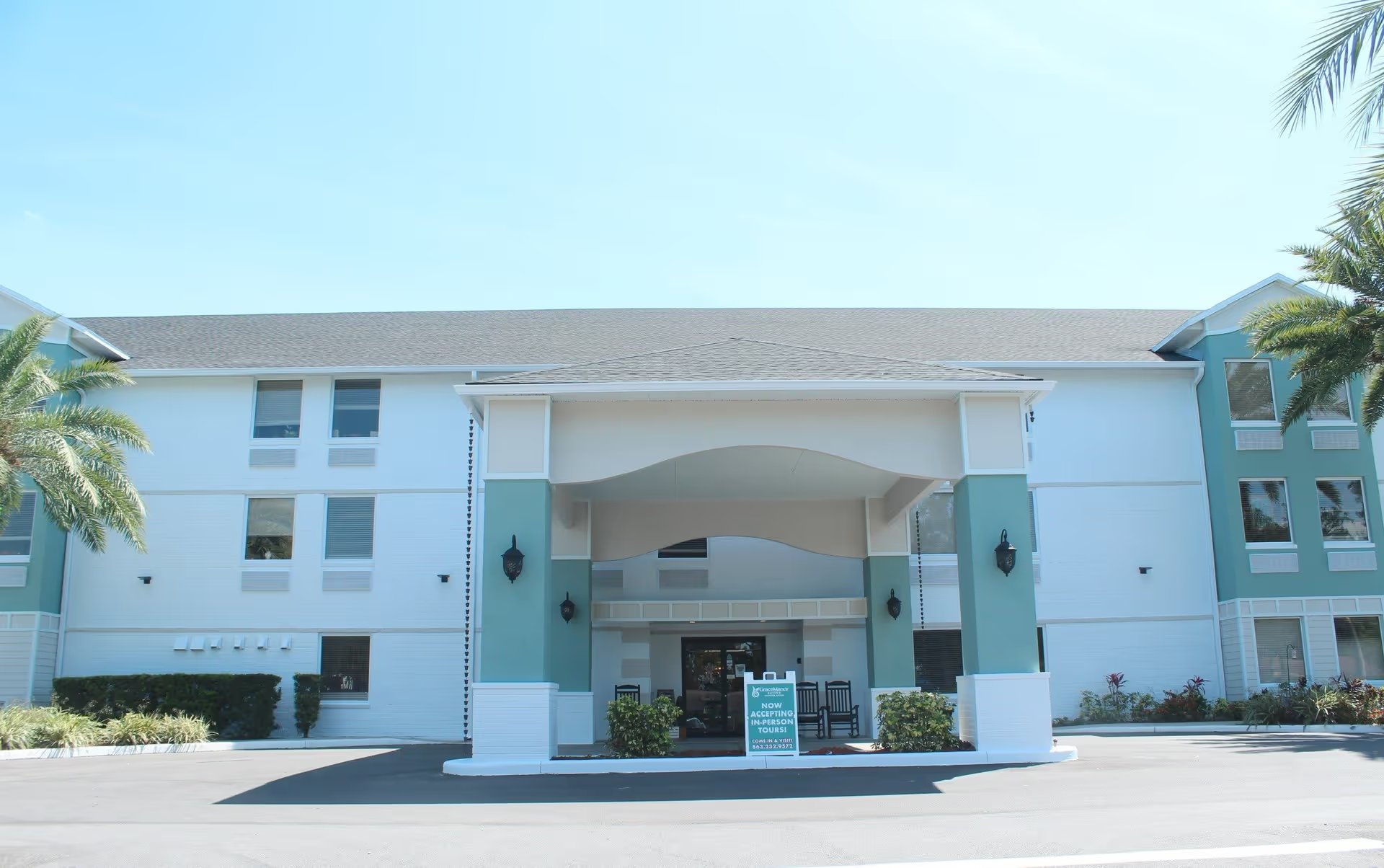
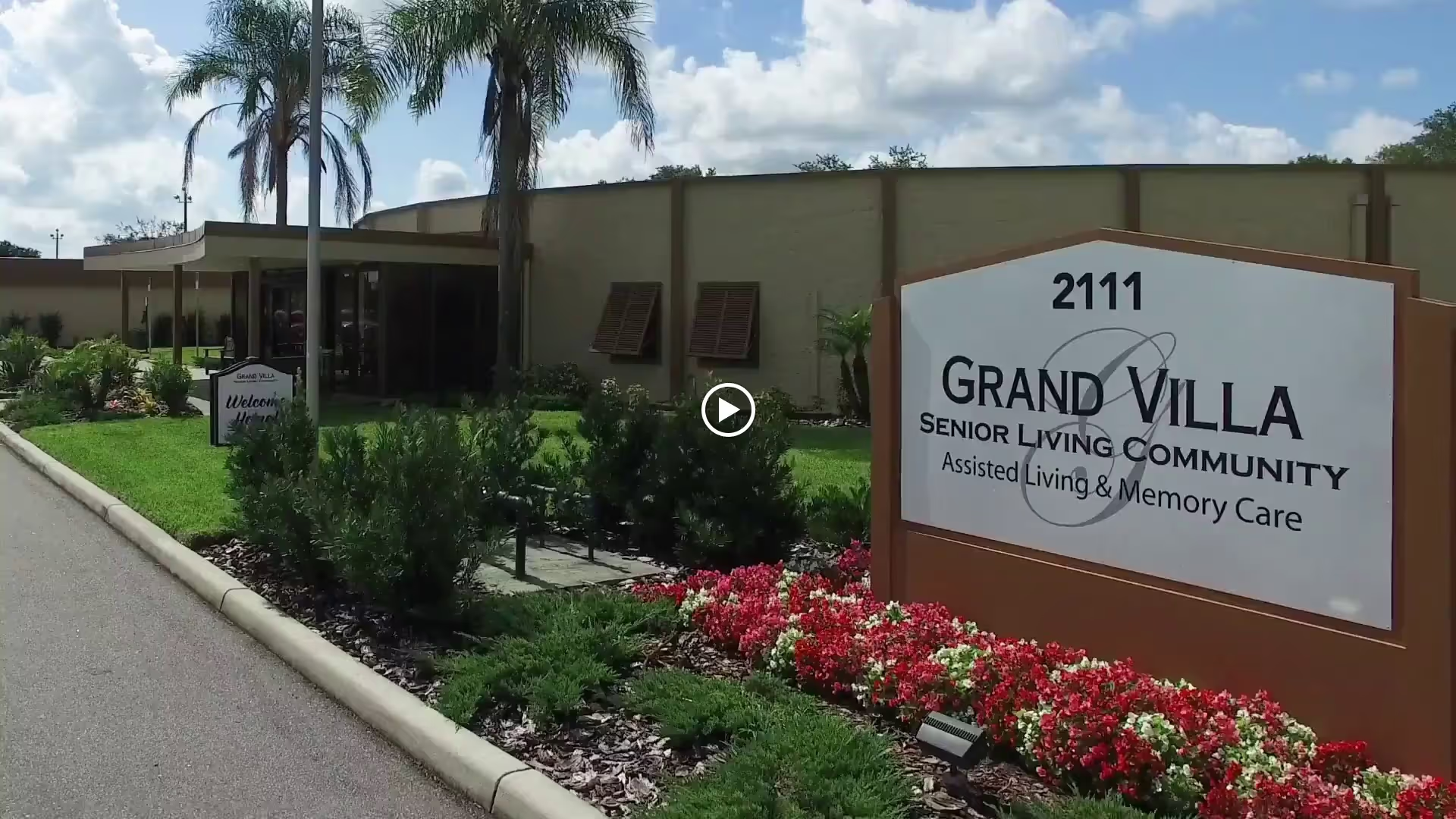
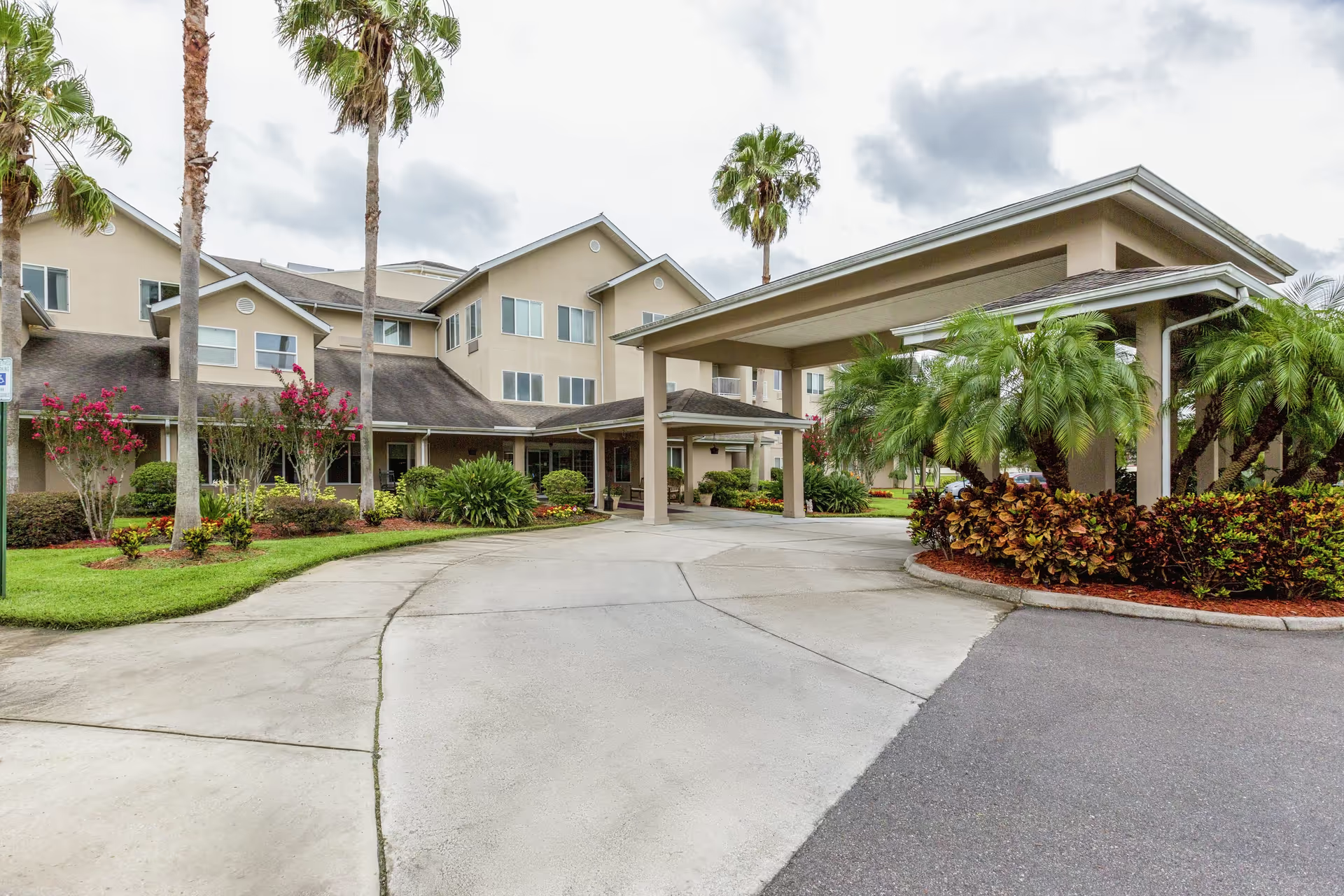
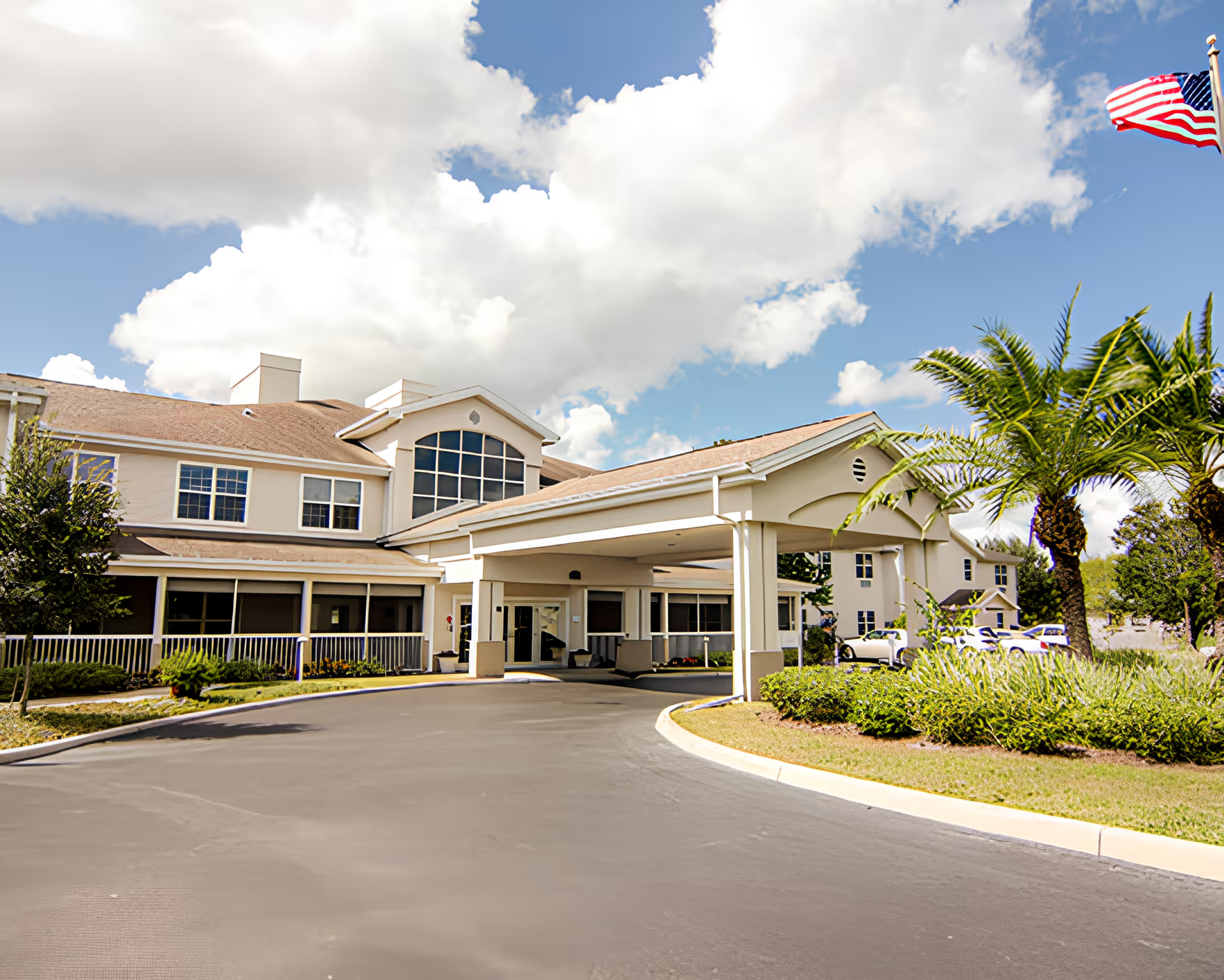
The Estates at Carpenters presents as a large continuing-care community with many amenities and a range of housing options. Strengths repeatedly noted include attractive, well-landscaped grounds, multiple apartment sizes with kitchens and personalization options, on-site conveniences such as a salon/barber shop, and frequent transportation to medical appointments and local errands. The campus offers a broad activities program and recreational amenities—pool, fitness rooms, walking paths, library, and hobby spaces—that contribute to an engaged resident life. Independent-living areas are often described as remodeled, clean, and comfortable.
Staff and clinical services receive mixed but significant praise. Many reviewers highlight friendly, compassionate caregivers, an inclusive care team (nurses, social workers, administration, and non-nursing staff), and strong rehabilitation/therapy outcomes for short-term needs. The community implemented notable infection-control measures during the pandemic and has on-site nursing and assisted-living capacity, which some families found reassuring. However, there are recurring concerns about the consistency of clinical care in long-term or skilled-nursing settings: reviewers cite gaps in wound and skin-care attention and variable responsiveness outside core nursing hours.
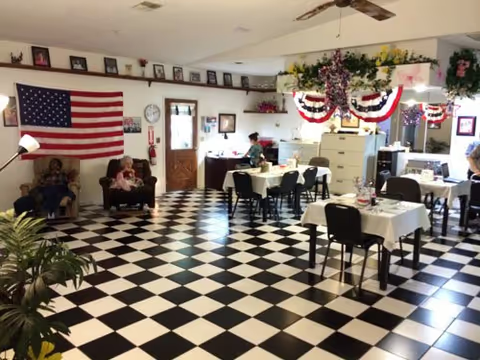
Dining and activities are overall strengths, with comments about a dietician and chef, restaurant-style service, and a wide variety of programs that encourage participation. At the same time, dining quality is described as uneven across time and leadership changes, and some residents encounter mandatory meal-plan constraints or extra charges tied to dining that affect perceived value.
Facility condition and operations show variability. Portions of the campus are recently remodeled and well maintained, while other wings or units are characterized as older and in need of upgrades. Reviewers identified operational weaknesses such as delayed maintenance, intermittent elevator issues, lighting and trip-hazard management, and sanitation and pest-control inconsistencies. These operational gaps are frequently cited as central drivers of family concern.
Management and administrative practices evoke divergent views. Several accounts praise proactive leadership and improvements under new management, while other accounts describe poor customer-service interactions, opaque billing or contract terms, and instances of perceived misrepresentation of amenities or services. Staffing and workforce issues—including reports of understaffing, turnover, and occasional unprofessional conduct—appear to underlie many of the negative service experiences and responsiveness gaps.
For prospective residents and families: the community offers many hallmarks of a full-service continuing-care campus—amenities, transportation, social programming, and on-site clinical services—alongside strong endorsements for compassionate staff and effective rehab therapy. At the same time, the facility exhibits operational inconsistencies that warrant due diligence. Recommended topics for inquiries and tours include current staffing ratios and clinical coverage hours, maintenance-response protocols, pest-control and sanitation practices, detailed meal-plan costs and dining policies, recent management changes and quality-improvement initiatives, and inspection of both renovated and older units. An in-person meal, a tour of skilled‑nursing areas, and direct questions about contracts and extra fees can help families evaluate whether the facility’s strengths align with their priorities and whether known operational concerns have been addressed.