Reviews describe a wide range of experiences at Valencia Hills, from highly positive accounts of attentive, compassionate care to serious concerns about clinical follow-through and communication. Positive accounts highlight staff who treat residents warmly, answer questions, and help families navigate admissions and care transitions. Some residents and families also describe responsive call-light service and improvements in mobility or strength through rehabilitation. Other accounts describe delays in assistance and inconsistent attention to residents’ needs, with care experiences appearing to vary by unit, staff member, and whether a person is receiving short-term rehabilitation or long-term care.
Rehabilitation services are a recurring strength. Families and former residents often praise physical and occupational therapy, and some also mention speech therapy. However, concerns include delayed therapy starts, limited progress, and inconsistent coordination with medical care. Families describe medication discrepancies, gaps in monitoring, delayed attention to wounds or other health changes, and difficulty obtaining timely evaluation when a resident’s condition worsened. Reports also raise concerns about bathing, dressing, repositioning, and individualized assistance, as well as whether families or authorized representatives were kept informed or involved in decisions.
Staff are frequently described as kind, professional, and supportive, with particular appreciation for some nurses, aides, therapists, and admissions or social-services staff. At the same time, reviews raise concerns about staffing levels, staff responsiveness, communication tone, and continuity. Family communication is especially uneven: some describe regular updates and prompt contact, while others report difficulty reaching staff, receiving limited information, or learning about significant changes late. Administrative coordination—including appointments, transportation, billing, belongings, and discharge planning—is another recurring concern.
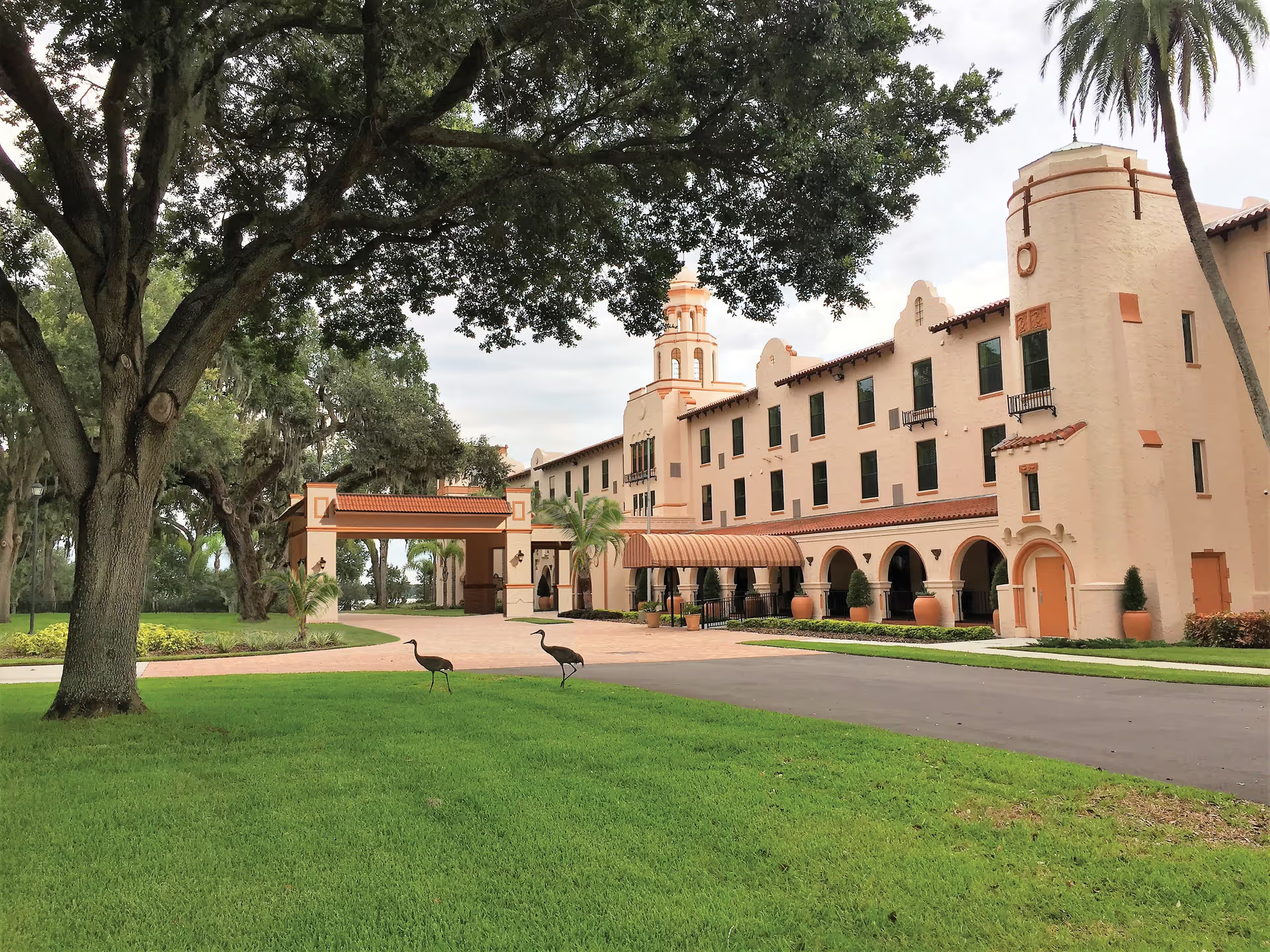
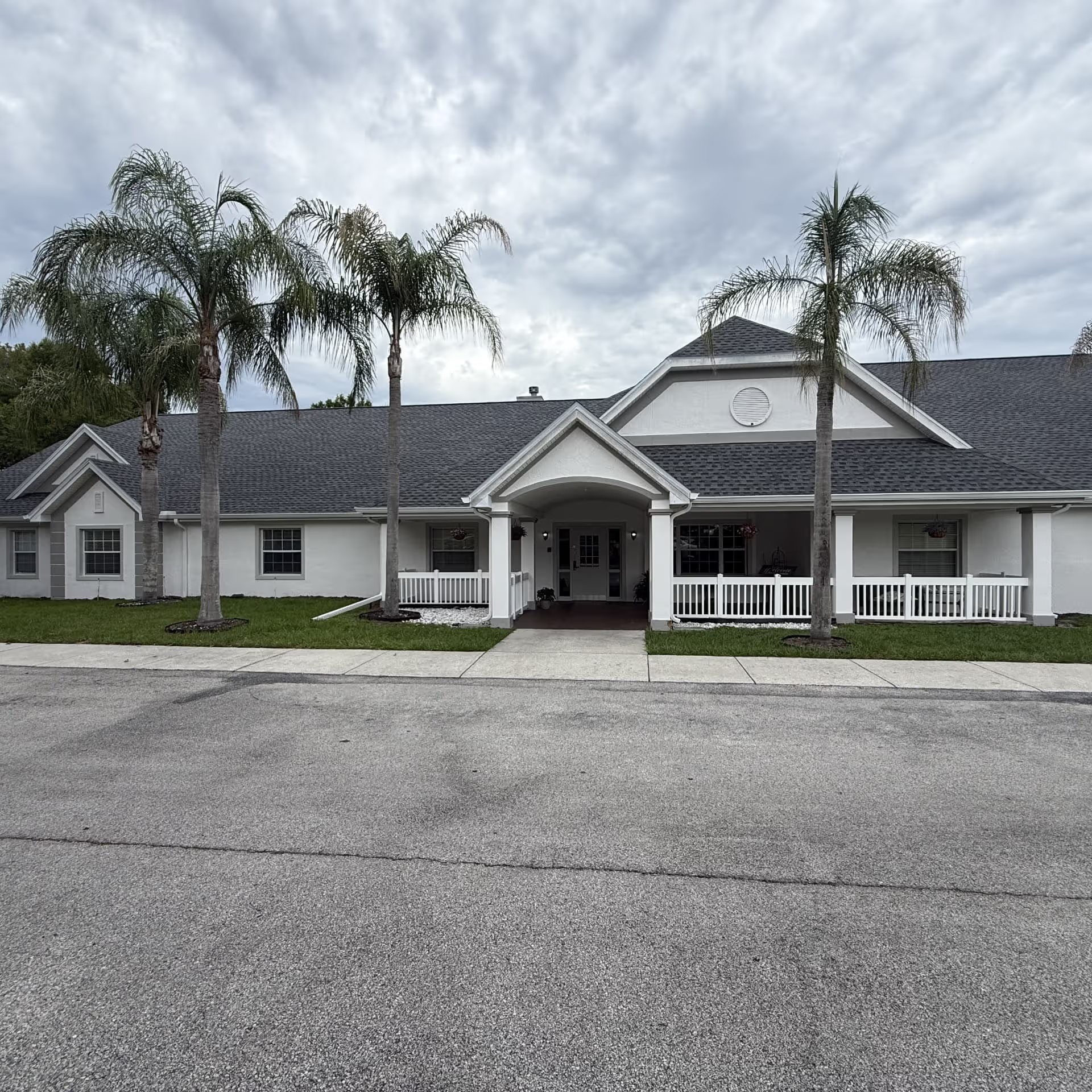
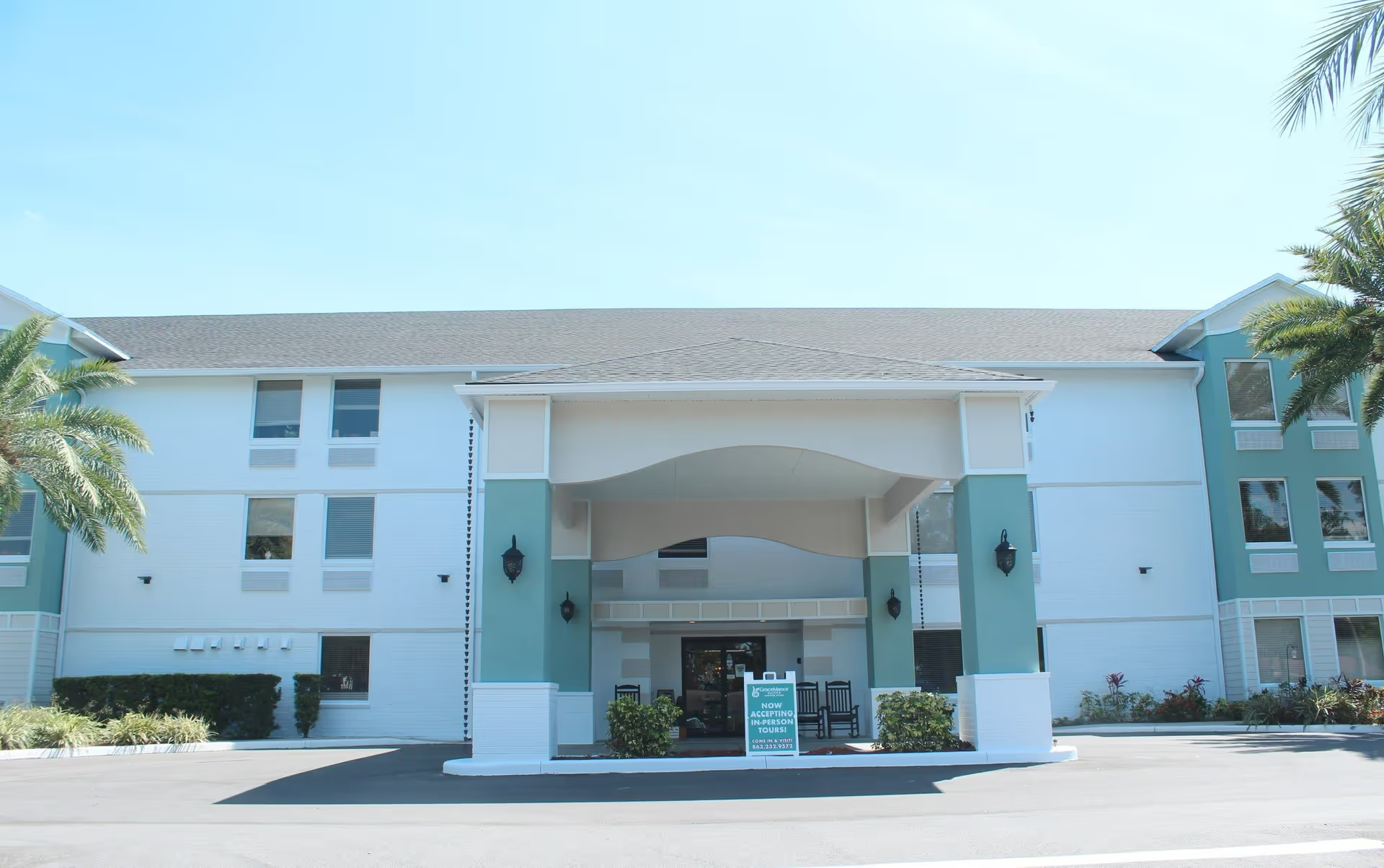
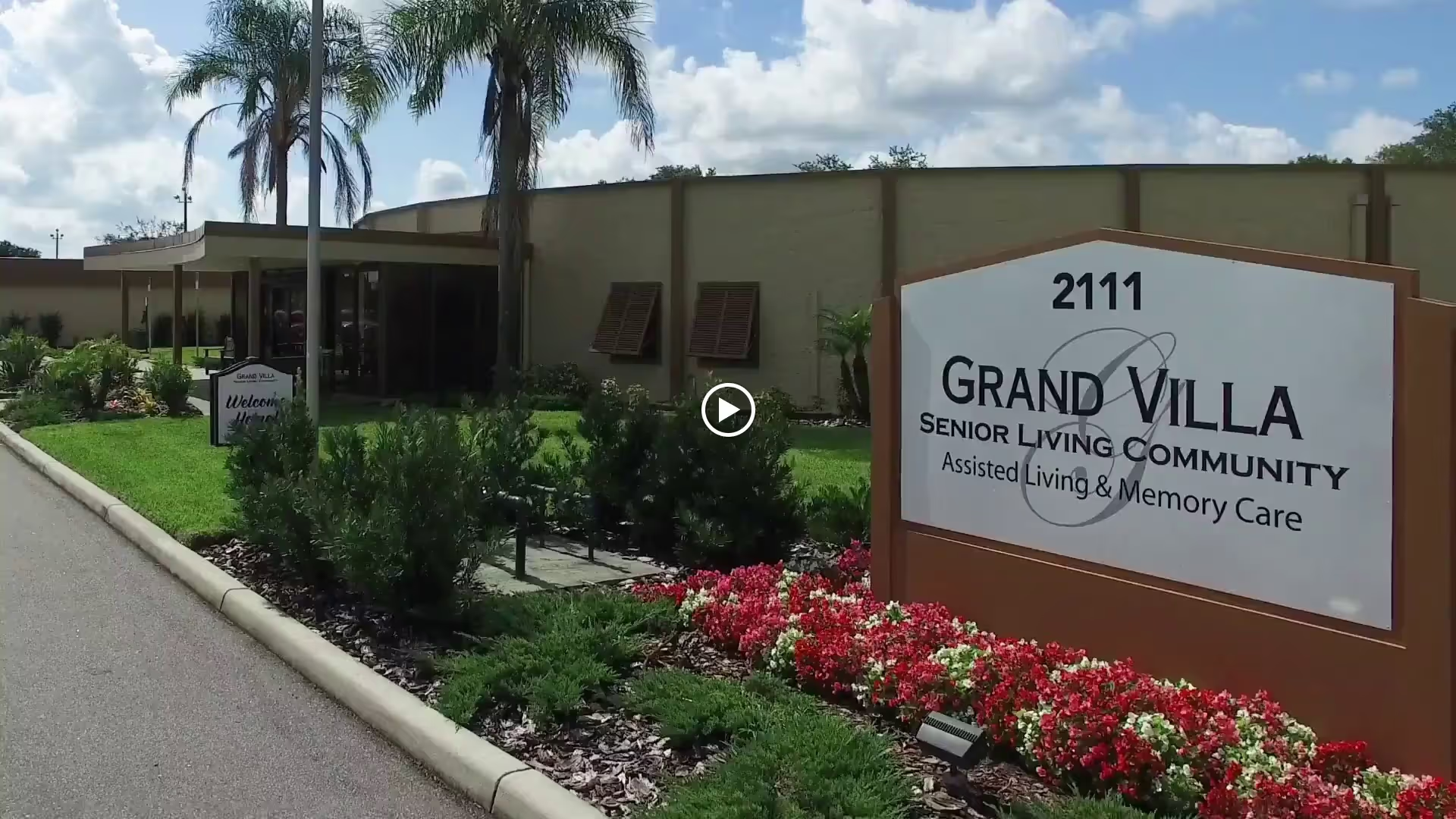
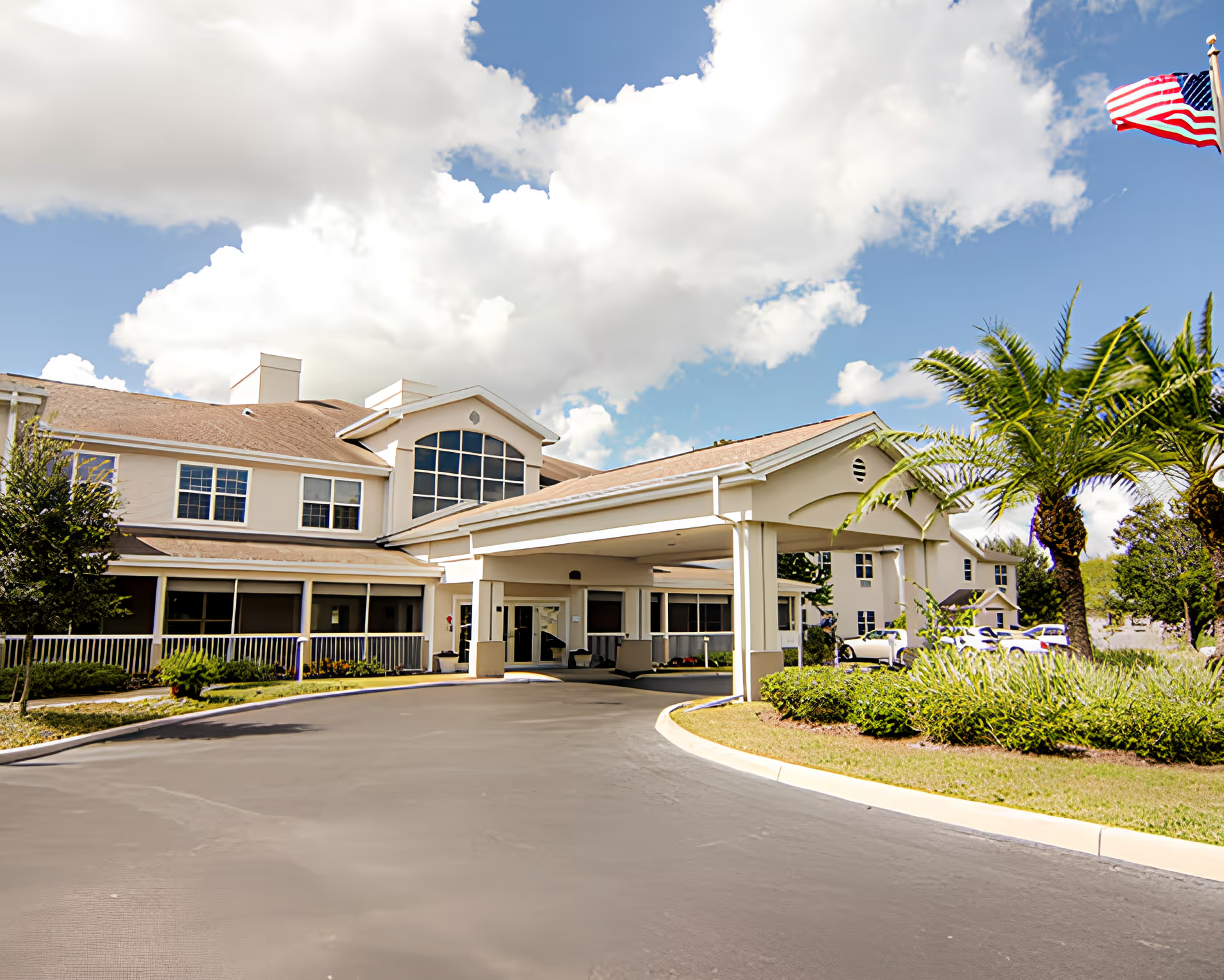
Dining feedback is mixed. Some residents enjoy the meals, while others find them unappealing or report limited variety. Families also raise concerns about whether prescribed diabetic, low-salt, or other therapeutic diets are followed consistently. Activities receive positive comments in some memory-care accounts, including music, crafts, and group events; other accounts describe limited engagement in certain areas. The facility is often described as welcoming and clean, but reviews also mention odor and sanitation concerns, inconsistent room or bathroom upkeep, maintenance issues, and an older, large layout that some families find less personal or accessible. Overall, prospective residents and families may wish to tour the specific unit, ask about staffing and care routines, and clarify how the facility communicates clinical changes, handles representative authority, and coordinates medications, diet, therapy, and discharge planning.