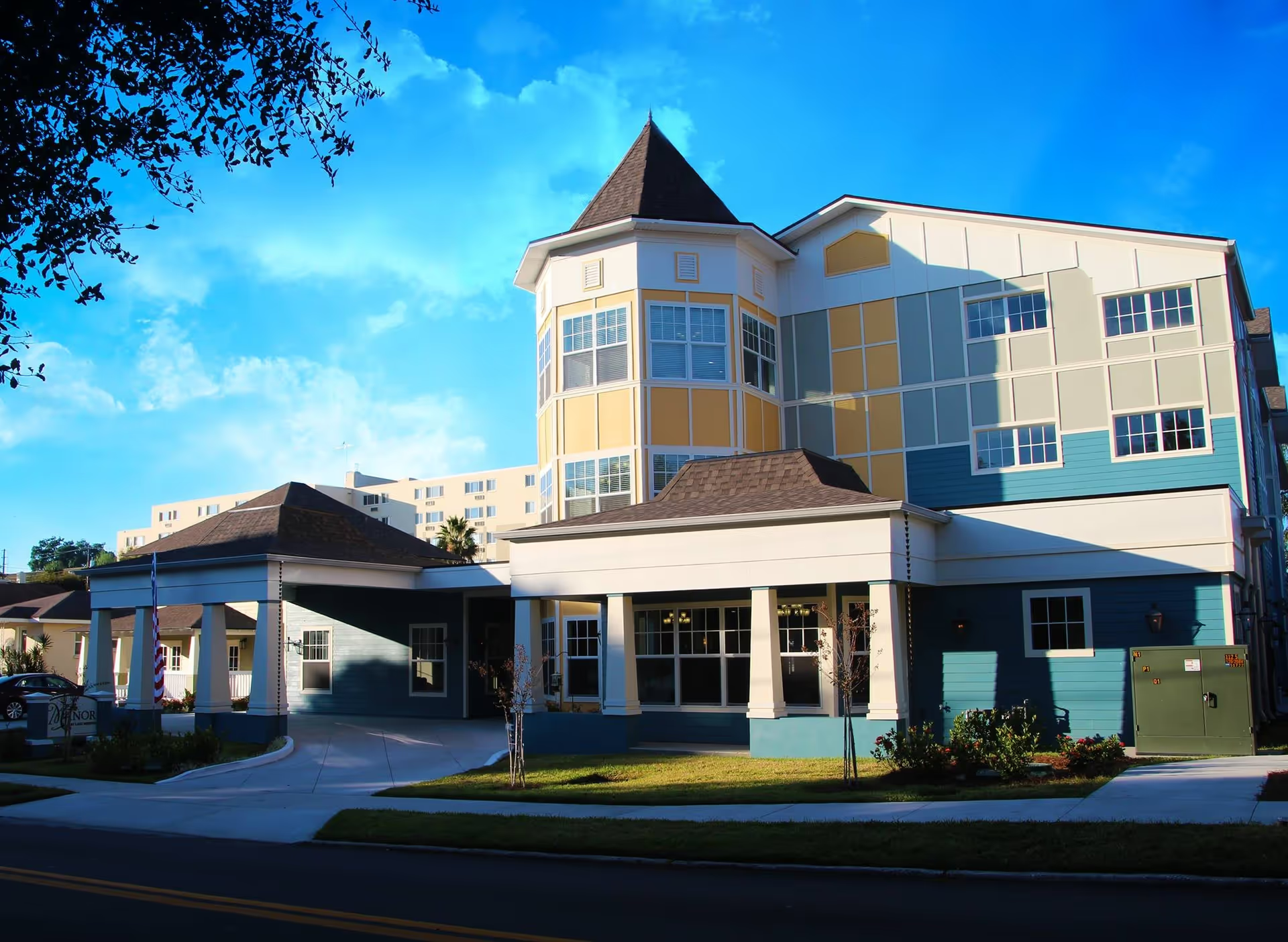
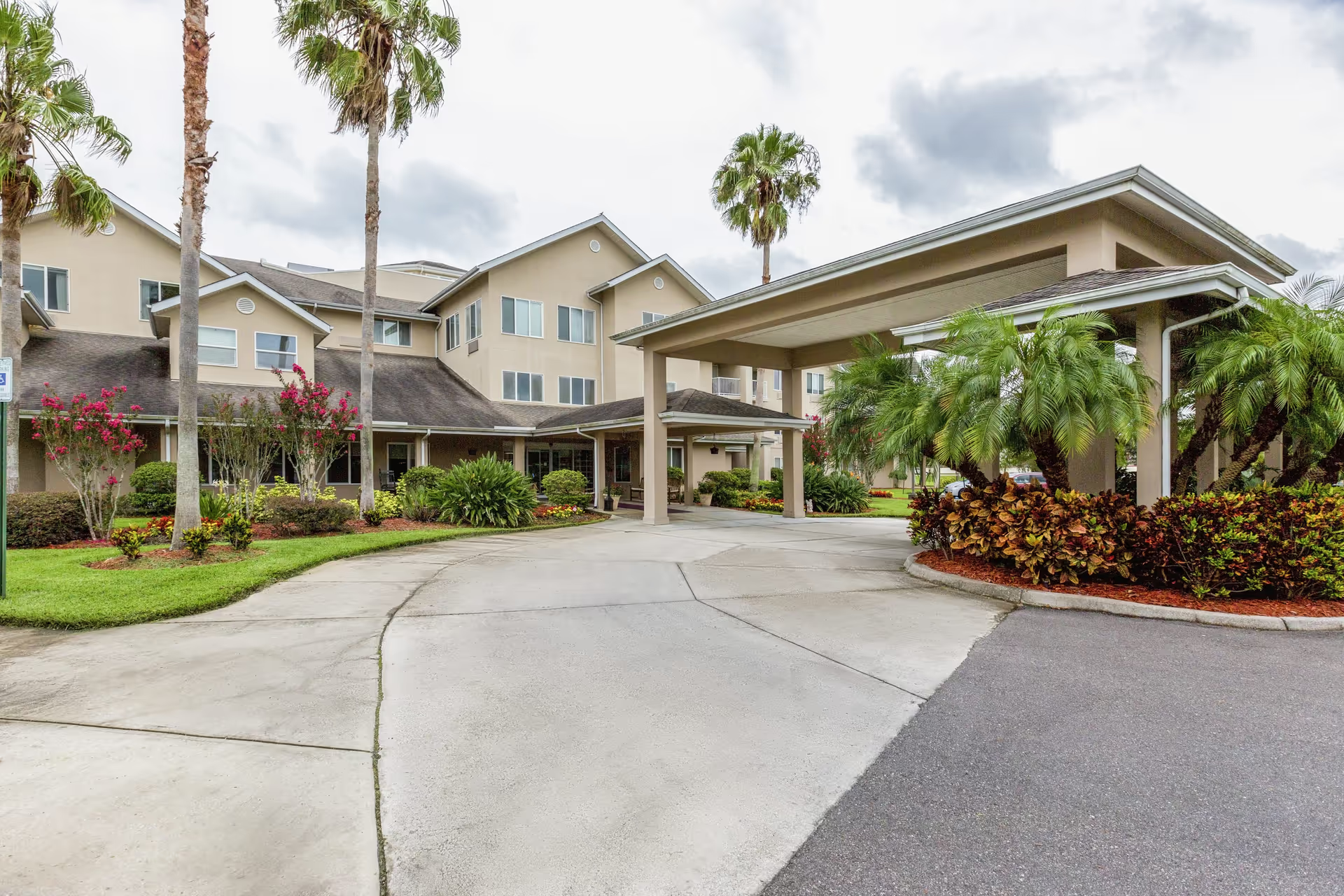
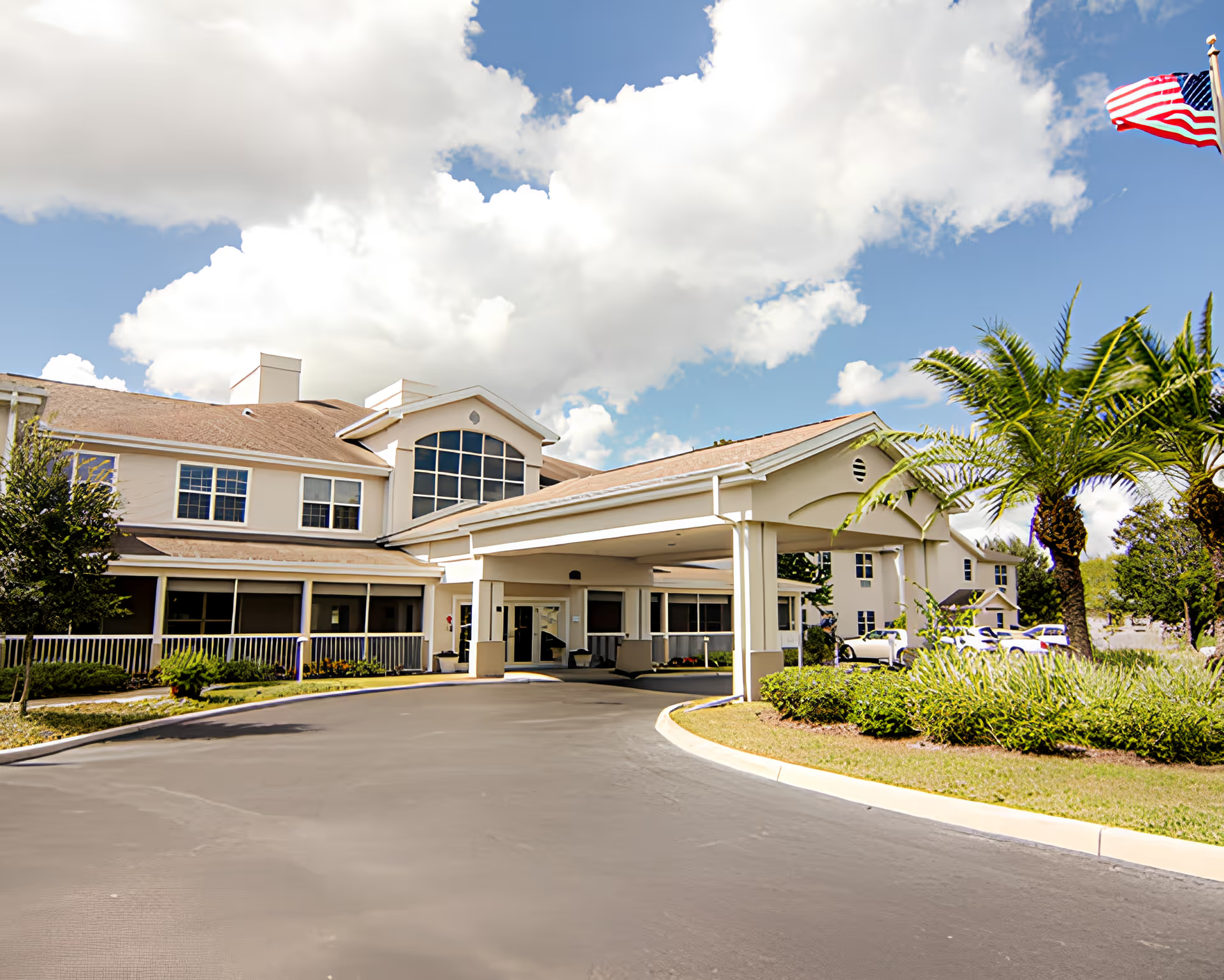
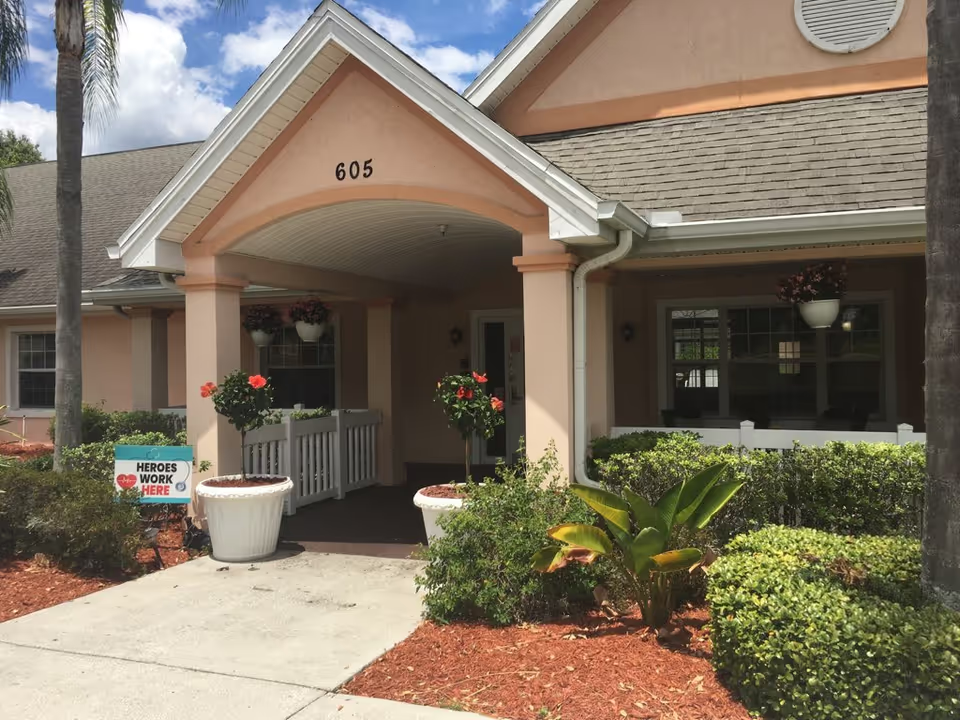
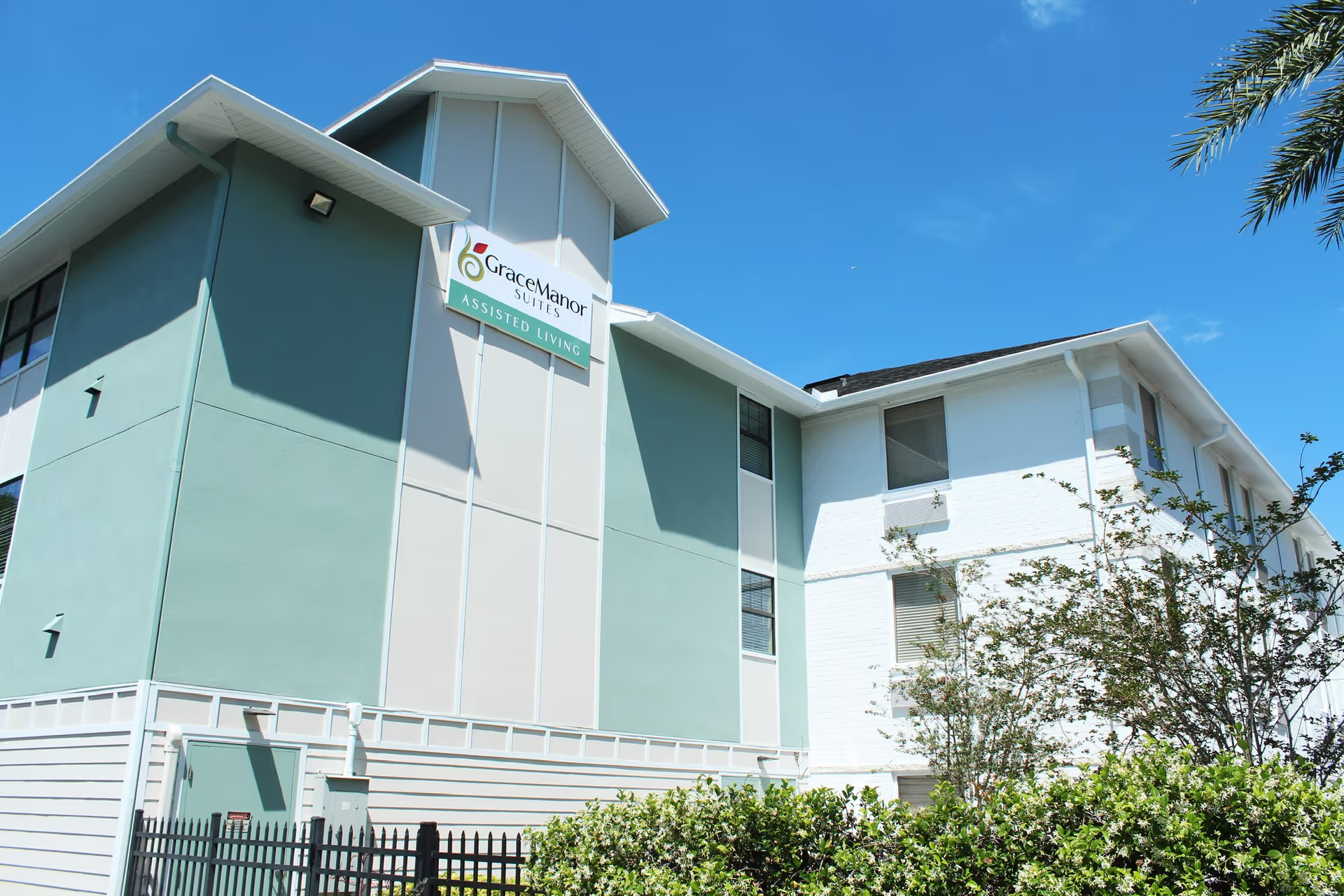
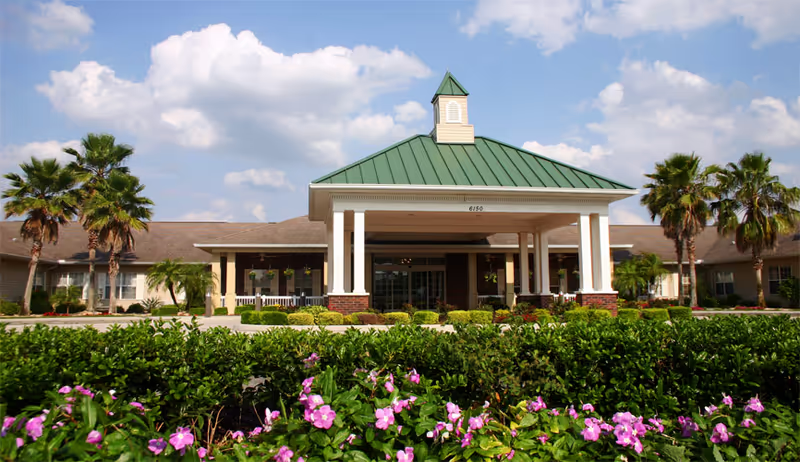
Westminster Lakeland is frequently described as a scenic, full-service senior campus with strengths in rehabilitation, dining, activities and a strong community atmosphere. The property’s lakefront location, landscaped grounds, walking paths, pool and outdoor seating are consistently praised; many residents and families cited the setting as a key quality-of-life advantage. Independent living units and newer lakeside apartments are characterized as roomy and maintenance-free, and the campus offers a clear continuum of care—independent living, assisted living and skilled nursing—which supports aging in place.
Clinical and caregiving services draw mixed but generally positive commentary. The rehabilitative teams (physical and occupational therapy) receive strong, repeated commendations for therapeutic effectiveness and individualized programs; therapists are often named as positive contributors to recovery. Numerous reviewers also highlighted attentive CNAs and nurses who provided compassionate care, and several named staff members for exemplary service. At the same time, a pattern emerges of variability in clinical responsiveness and continuity: reviewers described delayed call responses, inconsistent attendance to toileting/bathing and missed or delayed medication administration in some instances. There are also concerns about fall-risk monitoring and occasions when clinical escalation or diagnostic recognition (for example, cardiac issues) was delayed, which families noted required advocacy to obtain hospital transfer. A small number of serious allegations about medication administration and staff conduct were reported; these appear isolated but are notable when present.
Dining, activities and spiritual life are clear strengths. The dining program is described as resort-style with attentive waitstaff, chef engagement, and a generally positive culinary experience. The activities calendar is broad—exercise classes (including professionally led programs), arts and crafts, games, outings, and regular social events—supporting social engagement and mental well-being. On-site chapel services, a multi-denominational spiritual life program and pastoral presence are important features for faith-oriented residents.
Operationally, reviewers identify management and staffing patterns as mixed. Positive comments about admissions staff and reception contrast with recurring notes about variable social-work support, pressure or inconsistencies during admissions/consent interactions, and weekend/holiday staffing shortages that can affect care continuity. Family communication and discharge planning were called out as areas needing improvement; some families felt insufficiently prepared at transitions home. Cleanliness and sanitation are generally viewed positively for independent living and public areas, but there are intermittent sanitation concerns and housekeeping inconsistencies reported in certain care settings.
Transport and ancillary services showed strengths and weaknesses: the community bus service and arranged transportation to appointments are valued, but several reviews pointed to concerns about driver conduct or handling of residents during transport. Pricing and buy-in structure attract some residents for perceived value and life-care security, though others mentioned cost concerns related to buy-in requirements and rent increases.
In summary, Westminster Lakeland offers a robust, amenity-rich campus with strong rehabilitative services, engaging activities, and a welcoming resident community—qualities that make it appealing for many prospective residents. However, prospective residents and families should evaluate staffing patterns, clinical responsiveness protocols, discharge and medication-management practices, and social-work support during tours and contract negotiations. Asking targeted questions about weekend staffing, call-response times, clinical escalation procedures, infection-control policies, and the admissions/consent process can help families assess fit and risk for their specific needs.