Overall impression: The reviews describe a facility with a marked variability in performance. Many families and patients praised the rehabilitation program, individual clinicians, and several caregivers for attentive, effective work; at the same time, a substantial set of operational concerns are described that affect clinical reliability, cleanliness, dining, and communication. This combination produces strongly polarized experiences—some stays described as very supportive and recovery-focused, others as problematic with safety and service gaps.
Care quality and clinical issues: Therapy (physical and occupational) is consistently cited as a strength and often credited with measurable functional improvement. Nursing- and CNA-level care is more mixed: reviews include accounts of compassionate, skilled caregivers alongside repeated descriptions of staffing shortages, high turnover, and long waits for assistance. Specific clinical process concerns include delayed medication administration and documentation lapses, delayed wound and other specialty care, inconsistent management of respiratory or assistive-device supplies, and pressure-injury (skin integrity) and infection-control concerns. There are also references to an external hotline inquiry and allegations related to narcotics diversion and financial misconduct, which families identified as very serious.
Staffing, conduct, and communication: A persistent theme is inconsistent staffing—especially on night shifts—which reviewers associate with slower responses, alarm-management gaps, difficulty reaching leadership, and variable staff conduct. Positive accounts highlight individual staff members and teams who communicate well, coordinate discharges, and advocate for residents; negative accounts describe poor bedside responsiveness, limited after-hours supervision, and family frustration at unavailable or unresponsive administration. Communication gaps extend to case management and coordination with physicians and insurers in some instances.
Dining and nutrition: Meal service is another area with wide variance. Some families praised dining and kitchen staff improvements, while others described inconsistent food quality, small portions, inadequate options for special diets (for example dialysis or diabetic needs), and hot food arriving at suboptimal temperatures. Families also noted difficulty contacting kitchen staff directly when dietary issues arise.
Facilities and sanitation: Reviews describe a range from welcoming, well-presented common areas to units with sanitation and housekeeping inconsistencies. Specific operational concerns include linen and laundry management issues, intermittent housekeeping delays, odor concerns in certain areas, and pest-control concerns in some units. Equipment and supply management problems—missing or inappropriate equipment for larger patients, and temporary-use practices in housekeeping—were raised as recurring operational weaknesses.
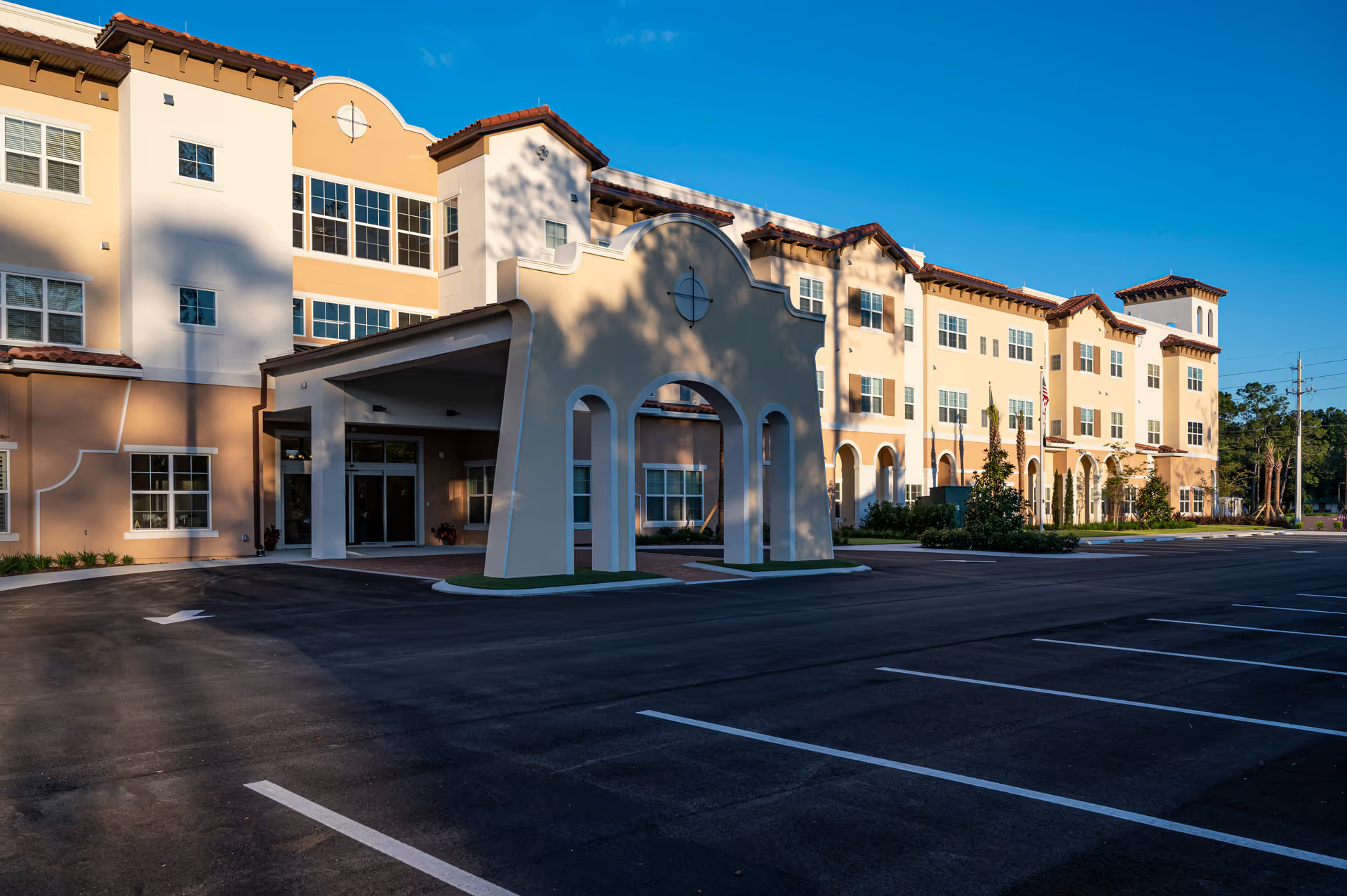
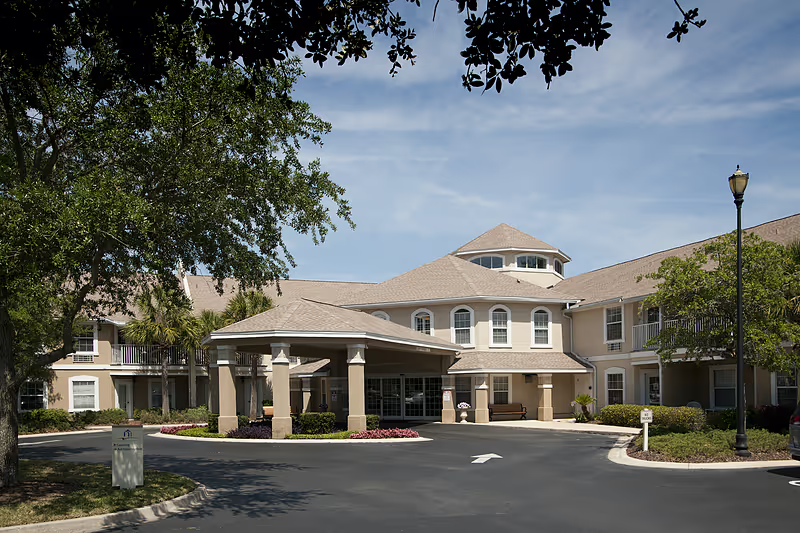
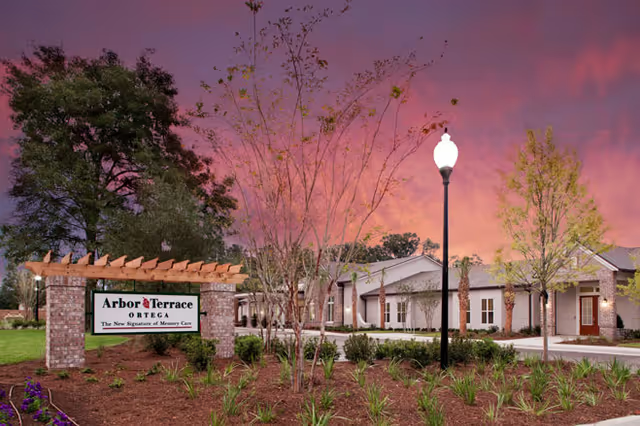
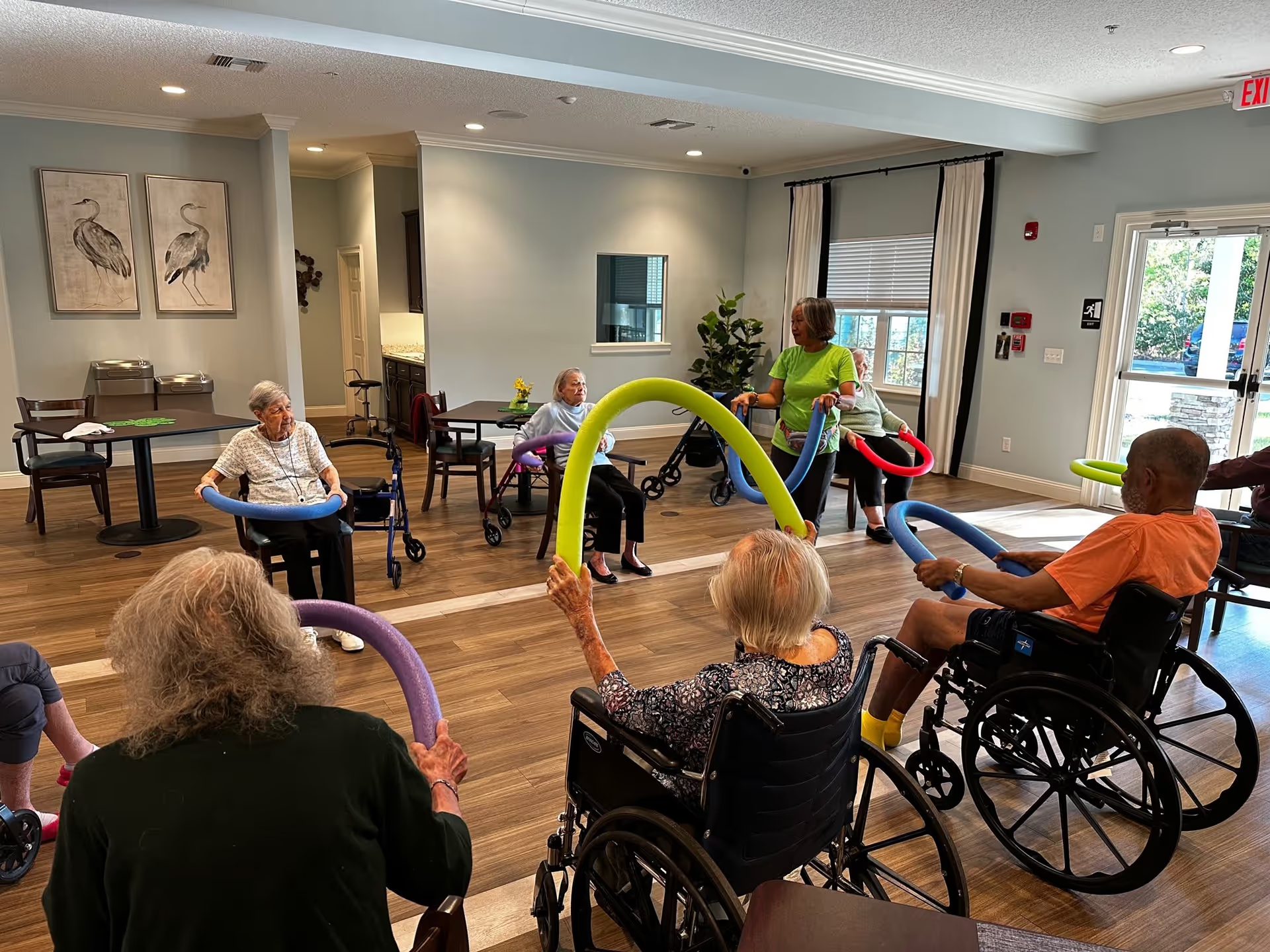
Activities and environment: Activity programming and social opportunities receive generally positive feedback where described; residents and families who engage with the activities program reported improved morale and an active environment. The facility’s physical appearance is described variably—some visitors note an upscale, clean-feeling interior, while others point to dated rooms, maintenance shortcomings, and the need for ongoing cleanliness attention.
Management, billing, and safety patterns: Administrative responsiveness is inconsistent in these accounts: several families praised particular administrators for timely assistance and advocacy, while others reported slow or absent follow-up on concerns, billing confusion, or delayed communication about benefits. Safety concerns tied to staffing patterns—especially overnight—and to discharge practices are recurrent topics, with a number of accounts indicating premature or poorly coordinated discharges that created risk for returning to acute care. Privacy and HIPAA process issues were also raised.
Takeaways for prospective families: Strengths to consider include the facility’s robust therapy program, many individual caregivers who are described as compassionate, and an active activities program. Key operational risks to evaluate during a tour and pre-admission conversation are staffing levels (particularly nights), medication and wound-care processes, housekeeping and linen procedures, meal-service practices for therapeutic diets, and the facility’s procedures for incident reporting and family communication. Ask for current staffing ratios, examples of clinical quality metrics (medication/timeliness, pressure-injury rates, infection-control measures), recent inspection or investigation outcomes, and how the facility addresses allegations or serious incidents. These checks can help verify whether the local leadership has addressed the variability reflected in these accounts.