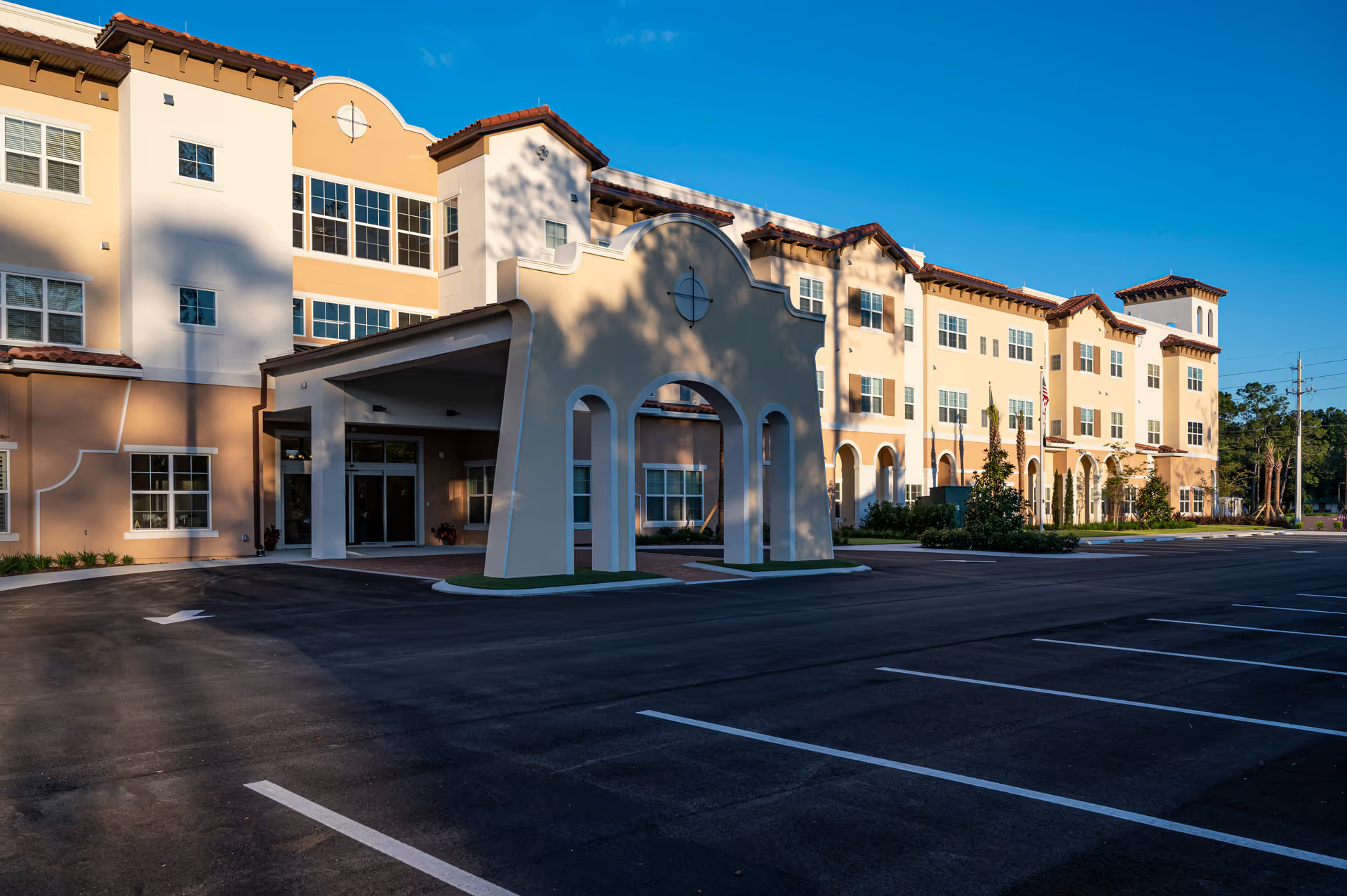
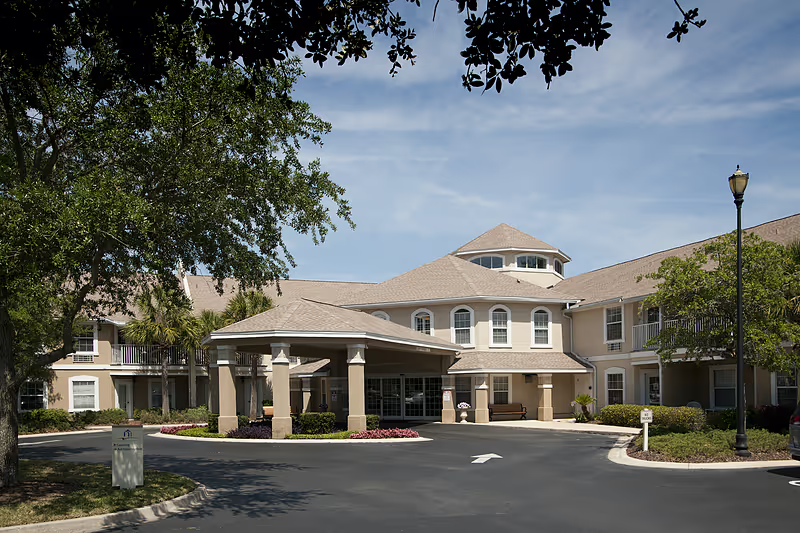
Life Care Center at Wells Crossing elicits strongly polarized feedback. Many families and patients describe a compassionate, family-like culture driven by visible, committed staff — especially in nursing support roles, CNAs, therapy teams, social work, and front-office admissions. The facility’s rehabilitation programs (physical, occupational and speech therapy) are consistently highlighted as a major strength: therapists are described as skilled, motivating, and effective at restoring mobility and independence. Common-area cleanliness, an attractive outdoor courtyard with pond views, and a well-equipped therapy gym also receive frequent praise.
Clinical care quality appears mixed. Numerous accounts characterize nurses and CNAs as attentive, thorough, and respectful, with regular wellness checks and proactive updates to families. Hospice and end-of-life support receive positive mention. At the same time, there are recurring operational concerns that affect care consistency: staffing shortfalls (particularly on certain shifts), variability in bedside manner and clinical competence across staff, delays in attending to personal-care needs, and documented gaps in wound-care and medication administration processes. A small number of serious safety and clinical concerns have been raised, including wound-care outcomes and missed care tasks; these items suggest the need for closer oversight of clinical protocols and staffing deployment.
Dining and activities show a similar pattern of strengths and variability. The facility offers a broad activity schedule — bingo, trivia, movies, exercise programs, social events and an ice-cream parlor — that many residents and families find engaging and restorative. Meal assistance and individualized diet management (including diabetic diets) are cited positively. However, meal quality and service consistency are uneven: comments reference cold or poorly timed meals, limited menu appeal for some residents, and portion/seasoning preferences. Prospective residents who prioritize dining should assess current menus and meal-service timing during a visit.
Facility condition and management: many reviewers praise the clean environment, regular room cleaning, and the helpfulness of admissions and business-office personnel (several staff were named positively). Conversely, there are recurring notes about aging furnishings in some resident rooms, intermittent sanitation and pest-control concerns, and occasional lapses in infection-control practices (for example, inconsistent mask use cited during an infection-control period). Administrative issues also surface periodically — examples include discharge paperwork delays, billing disputes, and communication lapses around clinical events — indicating opportunities for process improvement and clearer family communication during transitions of care.
Overall impression and guidance: Wells Crossing presents as a strong option for post-acute rehabilitation and therapy, supported by an effective therapy team and many compassionate direct-care staff. At the same time, variability in nursing coverage, personal-care responsiveness, dining consistency, and administrative practices is evident. Families considering this facility should directly evaluate current staffing levels and shift coverage, review wound-care and medication protocols, observe meal service, and ask about recent sanitation and infection-control audits. A targeted pre-admission conversation with nursing leadership and social work can help align expectations and identify whether the facility’s current operational status matches the prospective resident’s clinical and personal needs.