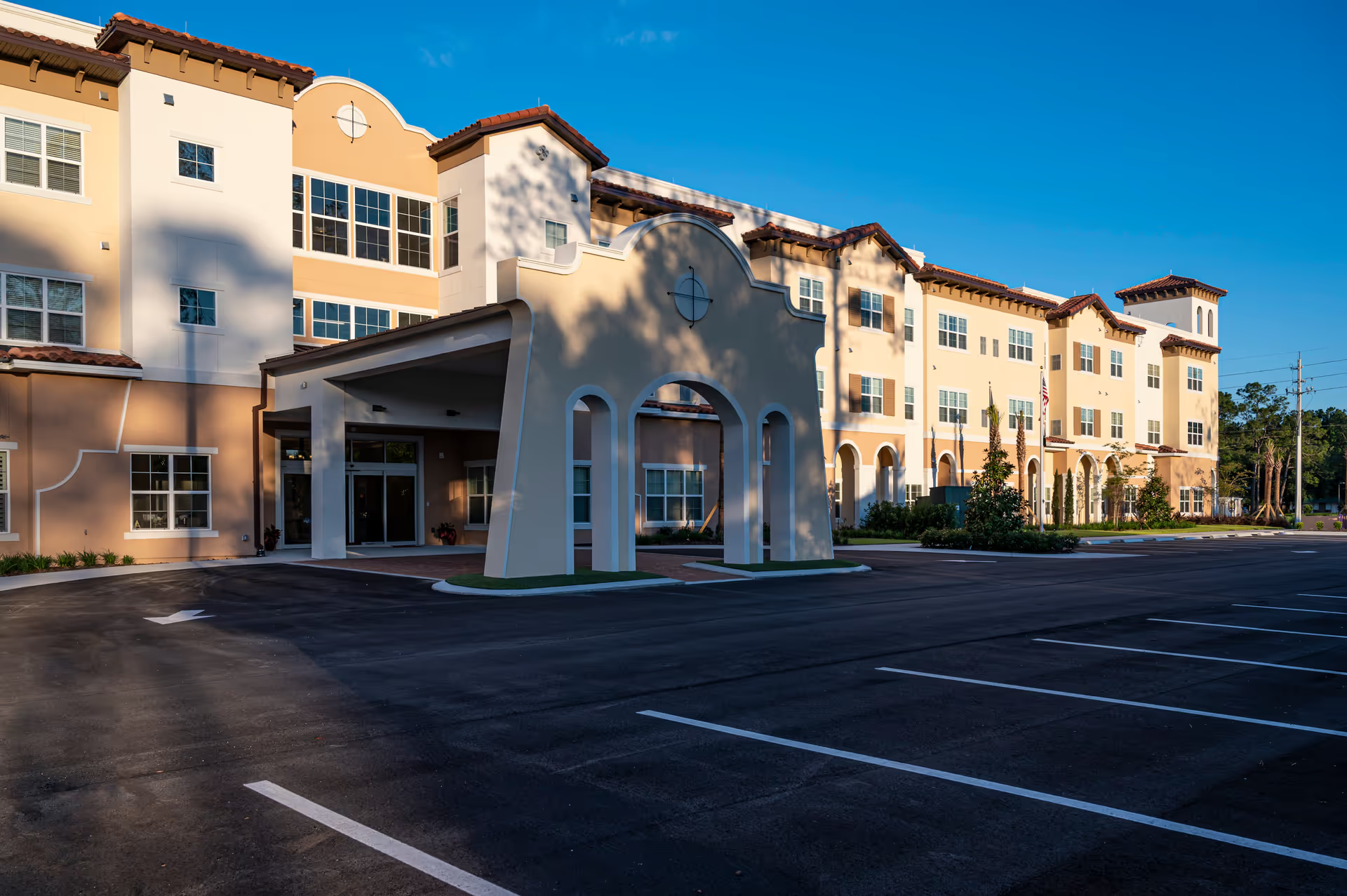
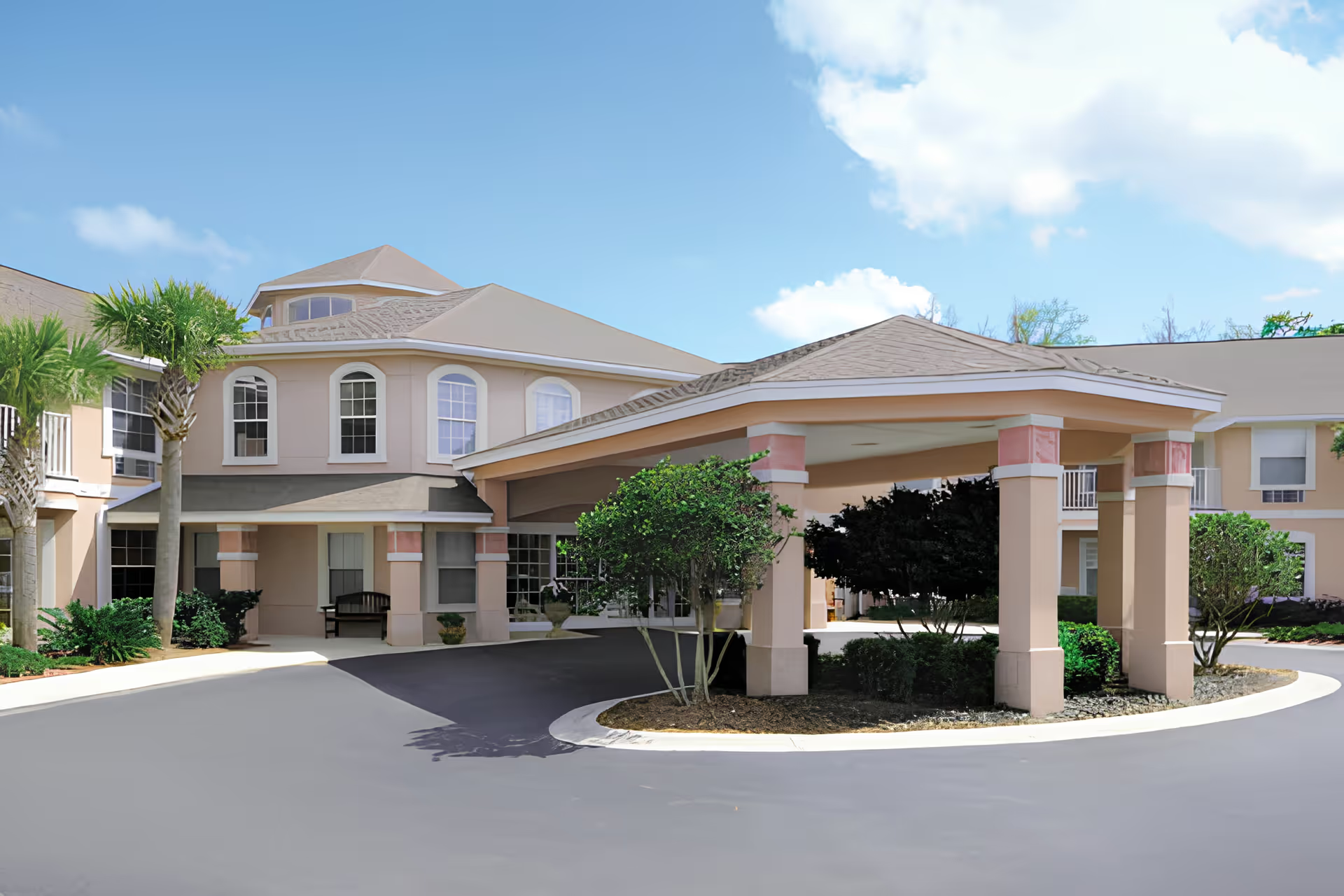
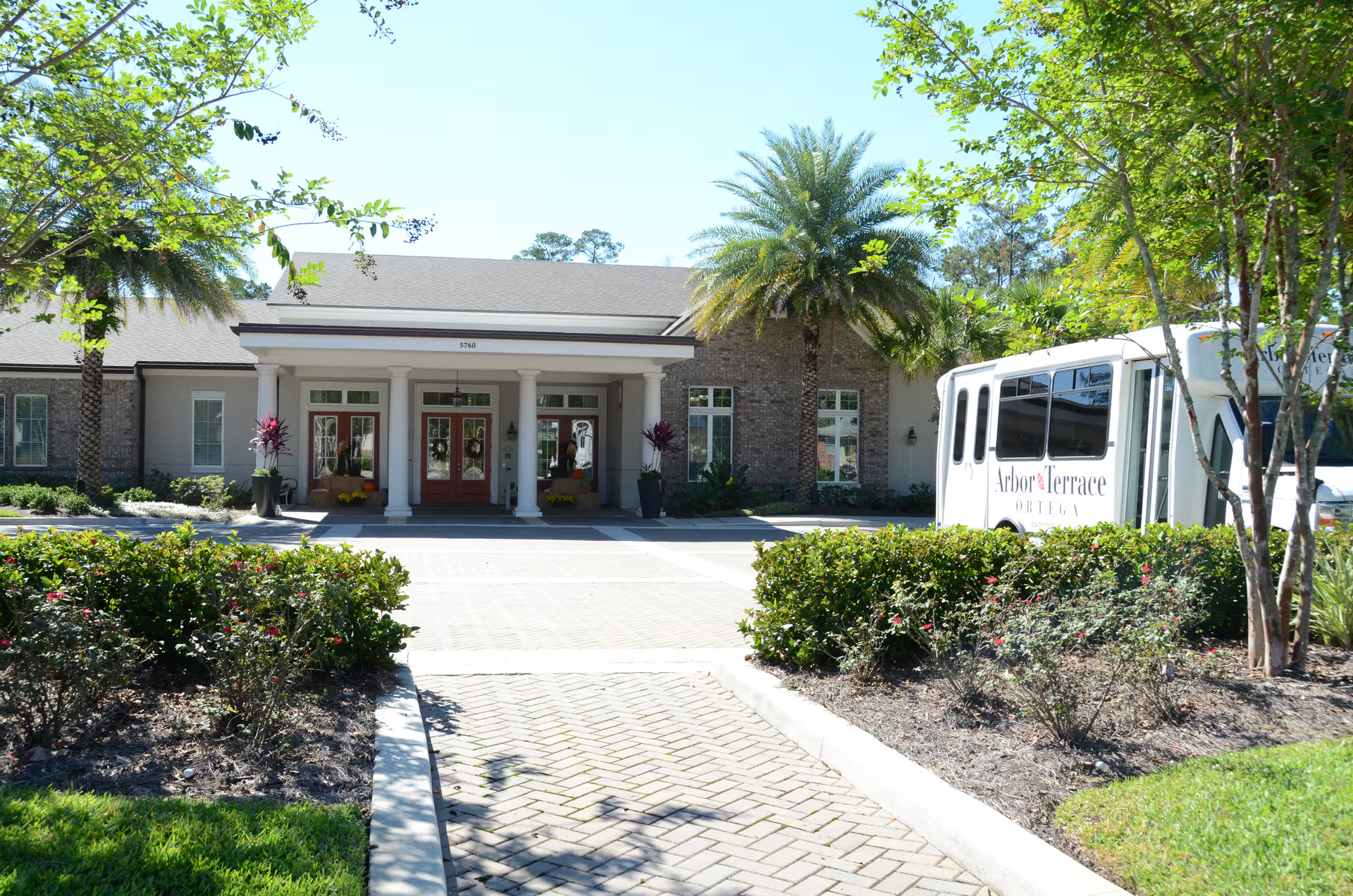
Oak View Health and Rehabilitation Center elicits markedly mixed impressions across reviewers: many accounts praise the rehabilitation services, individual caregivers, and recent facility improvements, while others describe operational gaps that affected daily care and safety. The facility's therapy programs (physical, occupational, and speech therapy) are frequently cited as a strength: clinicians are described as thorough, personalized, and effective in restoring function for short-term rehab residents. Activity programming and veteran services also receive positive mention, and portions of the building have been renovated with attractive common areas.
Staffing and day-to-day nursing care are the areas with the greatest variability. Numerous reviewers identify compassionate, attentive aides and nurses who go above and beyond; concurrently, a substantial set of reviews highlights inconsistent staffing coverage, slow responses to call buttons, and instances where routine care tasks were delayed. These operational inconsistencies extend to clinical monitoring: reviewers describe gaps in blood-glucose oversight, IV and vital-sign frequency, and timely repositioning — issues that are best characterized as gaps in clinical monitoring and pressure-injury prevention rather than isolated events.
Dining and activities present a mixed picture. Many families and residents found the meals acceptable or appealing and appreciated responsive kitchen staff; others described inconsistent food quality or personal dietary needs not being fully met. The activities department and certain engagement staff are commonly described as upbeat and involved, contributing to a more positive social environment for residents who participate.
Facility condition and maintenance are similarly polarized. Several reviewers praise clean, well-kept and recently refreshed areas; however, others report maintenance problems (broken equipment, HVAC concerns, plumbing issues) and pest-control concerns in some units. These maintenance and sanitation variances appear to be unevenly distributed across the building and across shifts.
Management and communication show both strengths and weaknesses. Some families credit accessible administrators and unit leaders who provide clear updates and rapid responses. In contrast, other families recount delayed or absent follow-up from social work and administration, inconsistent documentation, and high staff turnover that undermines continuity of care. Serious allegations — including theft and financial misconduct — were raised in a limited number of accounts and have heightened family concern about administrative oversight.
Overall pattern: the center demonstrates genuine strengths in rehabilitation, several committed caregivers, and attractive physical improvements, but these are offset by recurring operational issues: inconsistent staffing, delays in basic care responses, lapses in clinical monitoring, maintenance and pest-control variability, and uneven family communication. Prospective residents and families should weigh the facility's therapy capabilities and engaged staff members against these operational risks, and consider inquiring specifically about staffing ratios, pressure-injury prevention protocols, call-button reliability, infection-control procedures, pest-control measures, and processes for family communication before placement.