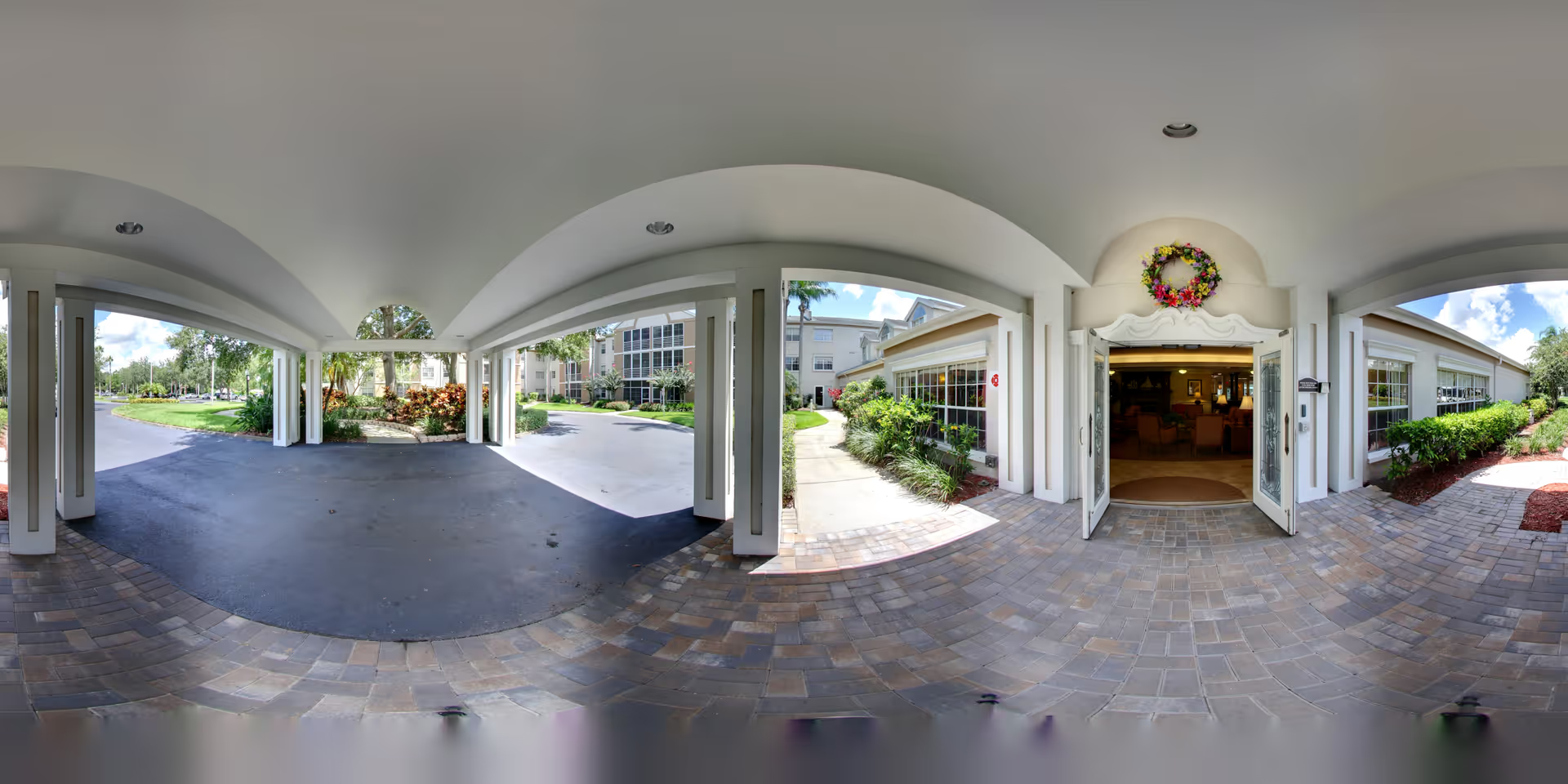
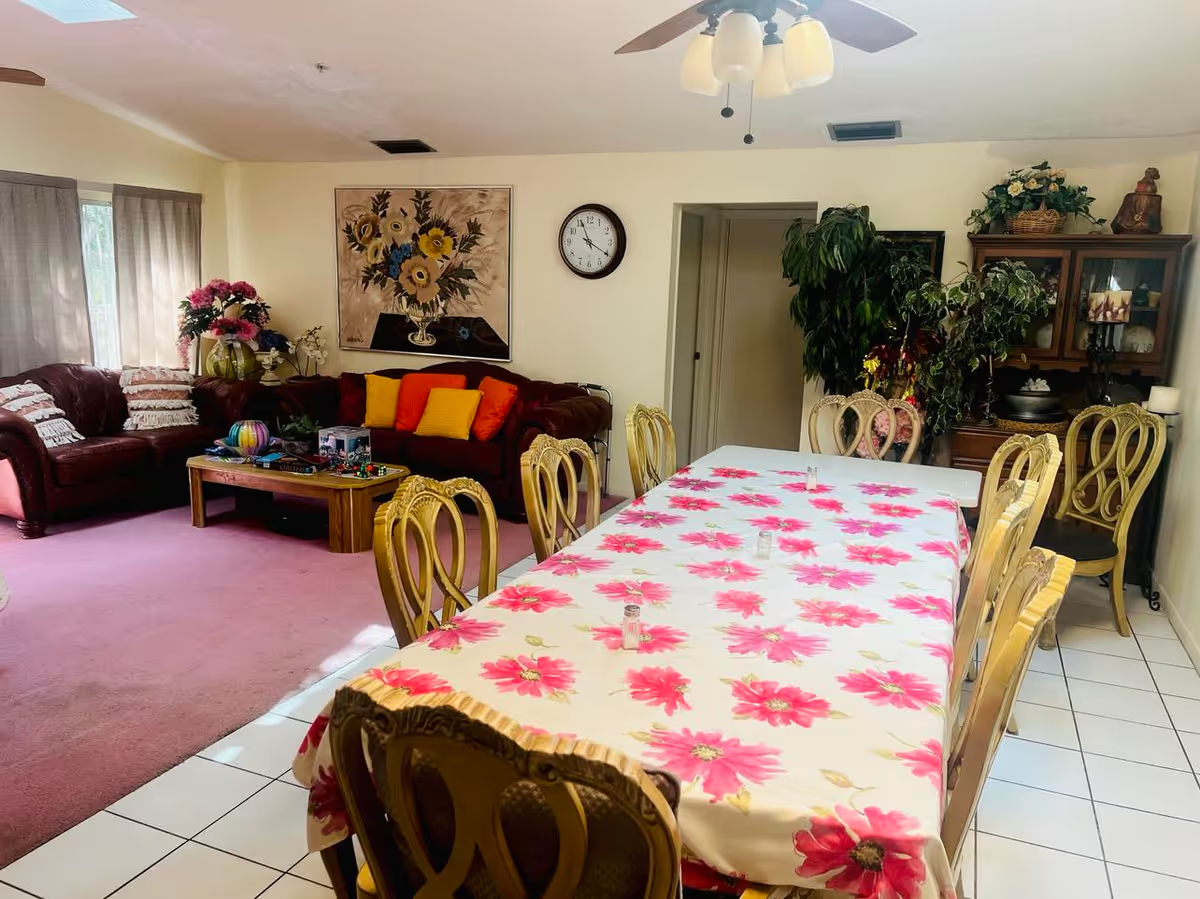
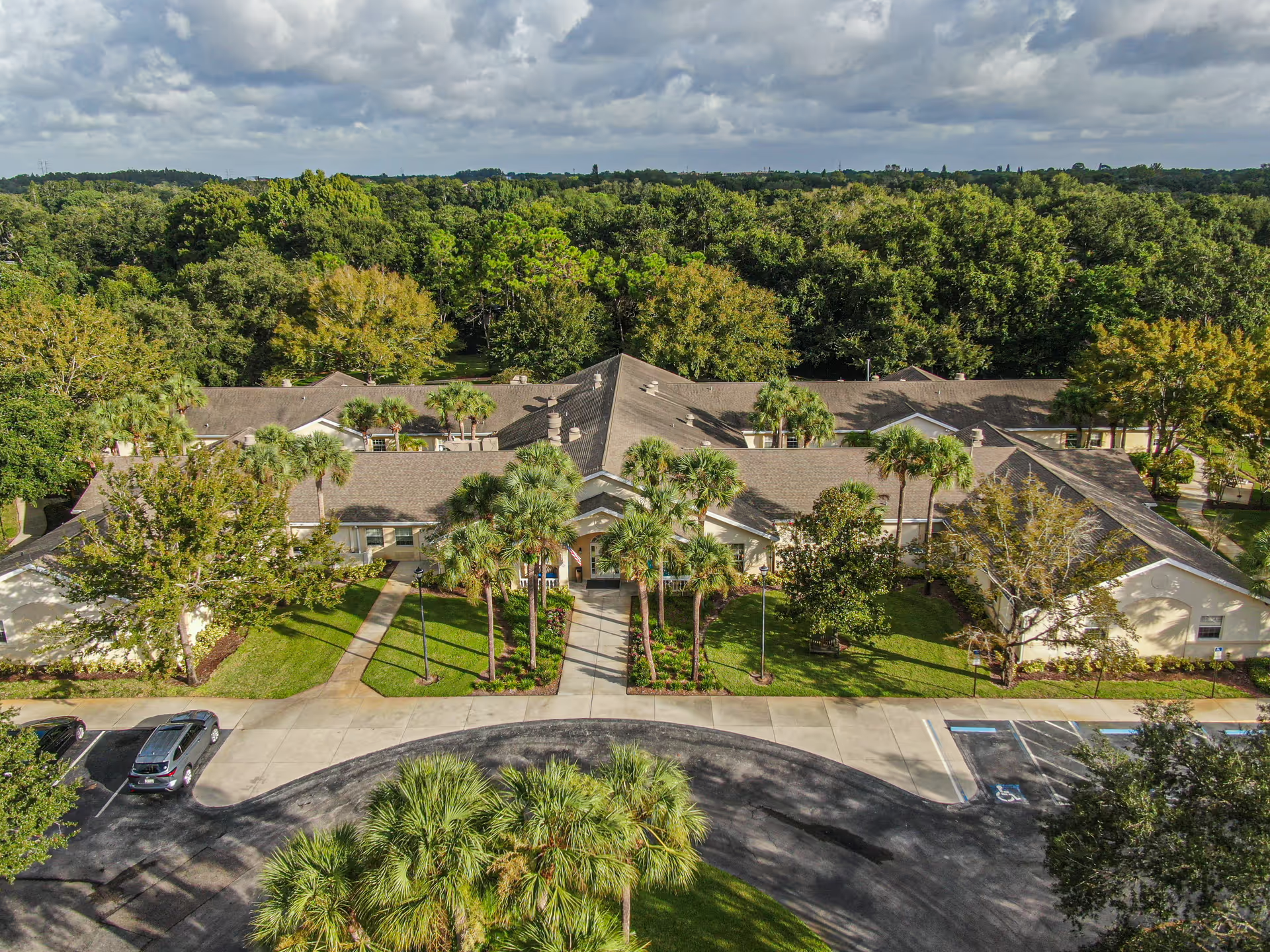
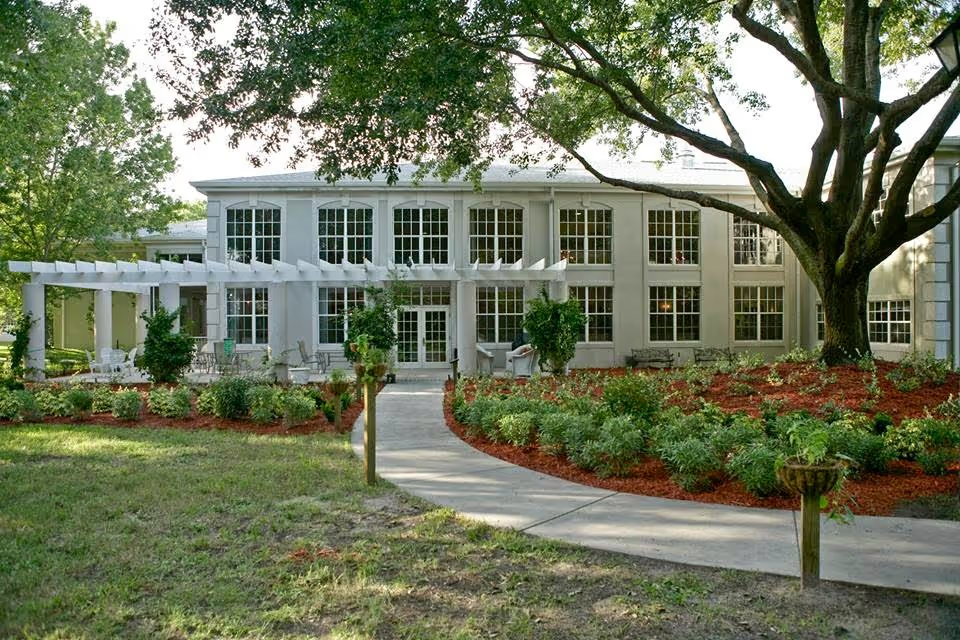
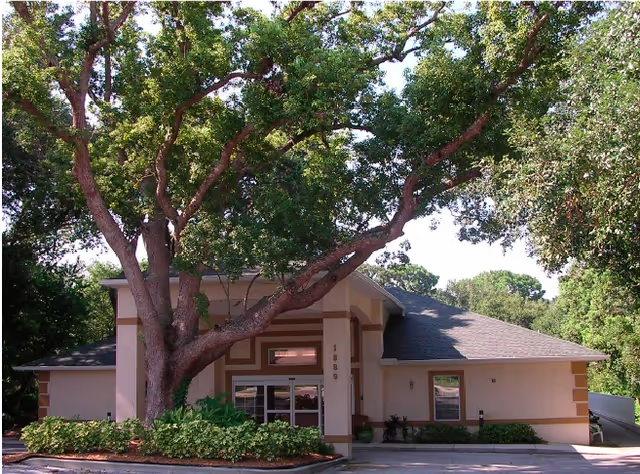
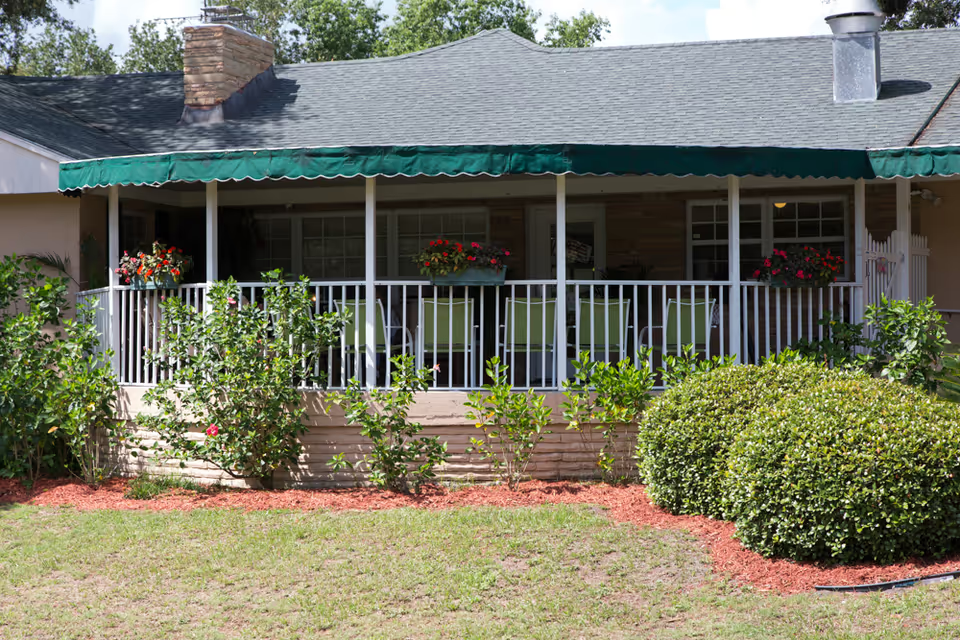
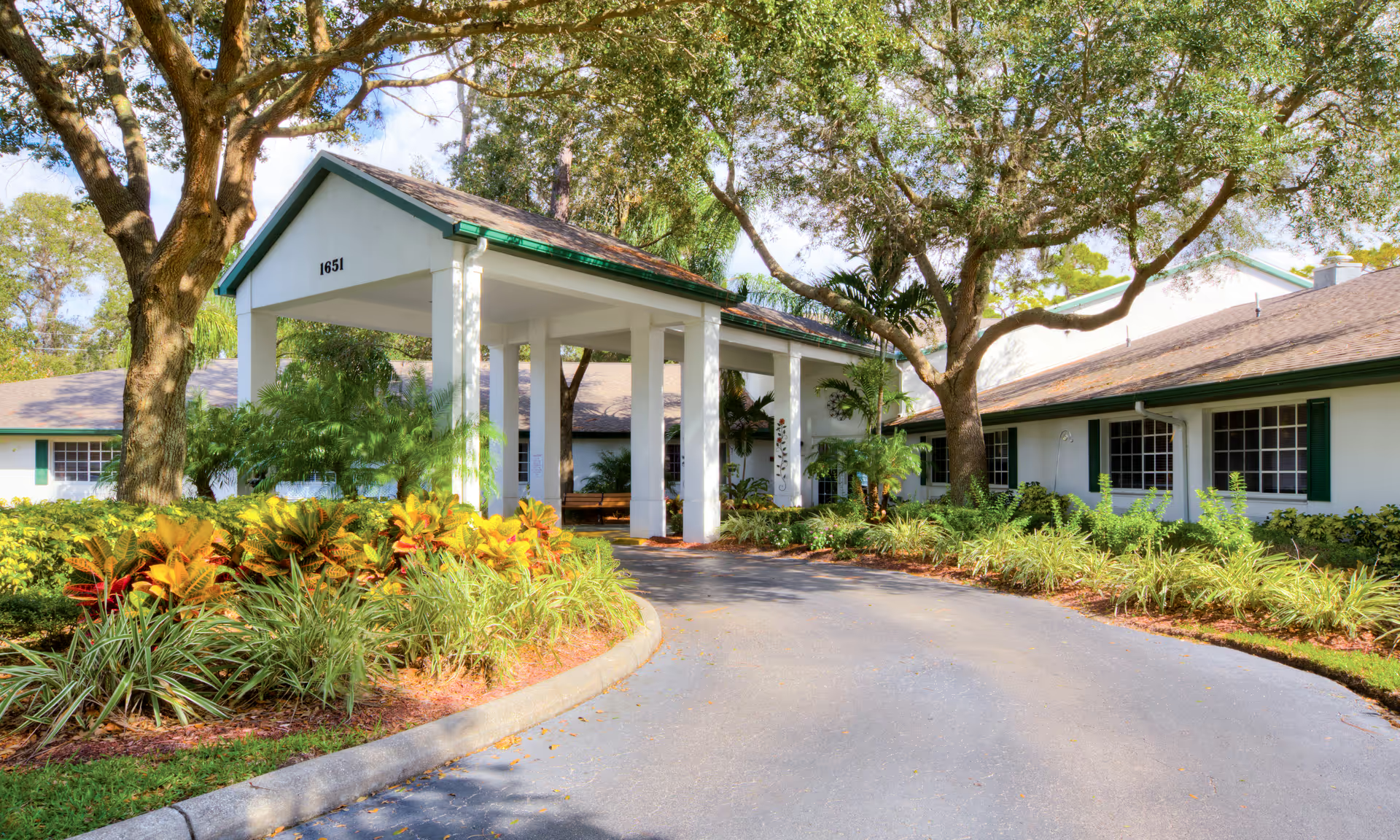
Reviews of Orchid Cove at Palm Harbor present a mixed picture with pronounced strengths in clinical therapy, compassionate direct-care staff, and an active social environment, alongside notable operational and safety concerns. Positive feedback highlights a number of clinically skilled caregivers, a high-performing therapy department (physical and occupational therapy), and medical providers who are perceived as attentive. Families and residents frequently praise front-desk personnel, social-work coordination, and individualized moments of excellent care; some accounts describe the facility as family-like and accommodating, including pet visitation and assistance with appointments and outings.
Care quality appears uneven. Many reviewers describe compassionate, capable nurses and CNAs and successful wound and rehabilitative interventions; conversely, other accounts outline delays in care, missed medication administrations, and instances where clinical oversight was insufficient. Taken together, these statements suggest variability in clinical processes and medication administration that may differ by shift or unit. There are also references to sanitation and incontinence-care concerns that point to inconsistent implementation of hygiene and room-cleaning protocols.
Dining and activities receive mixed but generally positive commentary. The facility runs themed meals and an expanding activities calendar (taco nights, cookouts, games), and staff in activities are described as engaged. Food quality is characterized as variable—adequate at times but not uniformly praised—indicating inconsistent meal-service continuity and resident satisfaction with dining options.
Facilities and safety show contrasts. Several reviewers note clean, well-kept rooms and effective air conditioning, while others describe maintenance deficiencies and nonfunctional safety devices. These maintenance lapses — including unreliable alarms and call-button concerns cited by families — raise questions about equipment reliability and ongoing facility upkeep. In addition, there are serious concerns about property security and inventory control, including allegations of theft and missing personal items, suggesting a need for stronger property-protection procedures.
Management and organizational patterns are a recurring theme. Some families credit new administrative leadership with visible improvements, whereas other comments reflect frustration with frequent leadership turnover (especially at the DON level) and inconsistent managerial follow-through. This variability in leadership appears to correlate with the polarized resident experiences: when management and staffing align, care and responsiveness are described as excellent; when turnover or communication gaps occur, operational weaknesses become more apparent.
Overall, Orchid Cove demonstrates clear strengths in therapy, many elements of direct care, and resident-centered programming. Prospective residents and families should weigh these strengths against reports of inconsistent clinical processes, maintenance and safety reliability issues, dining variability, and property-security gaps. Visiting the unit, meeting the care team, reviewing medication-administration protocols, inspecting safety equipment, and discussing property-security practices are recommended steps for families assessing whether the facility’s current operational state meets their needs.