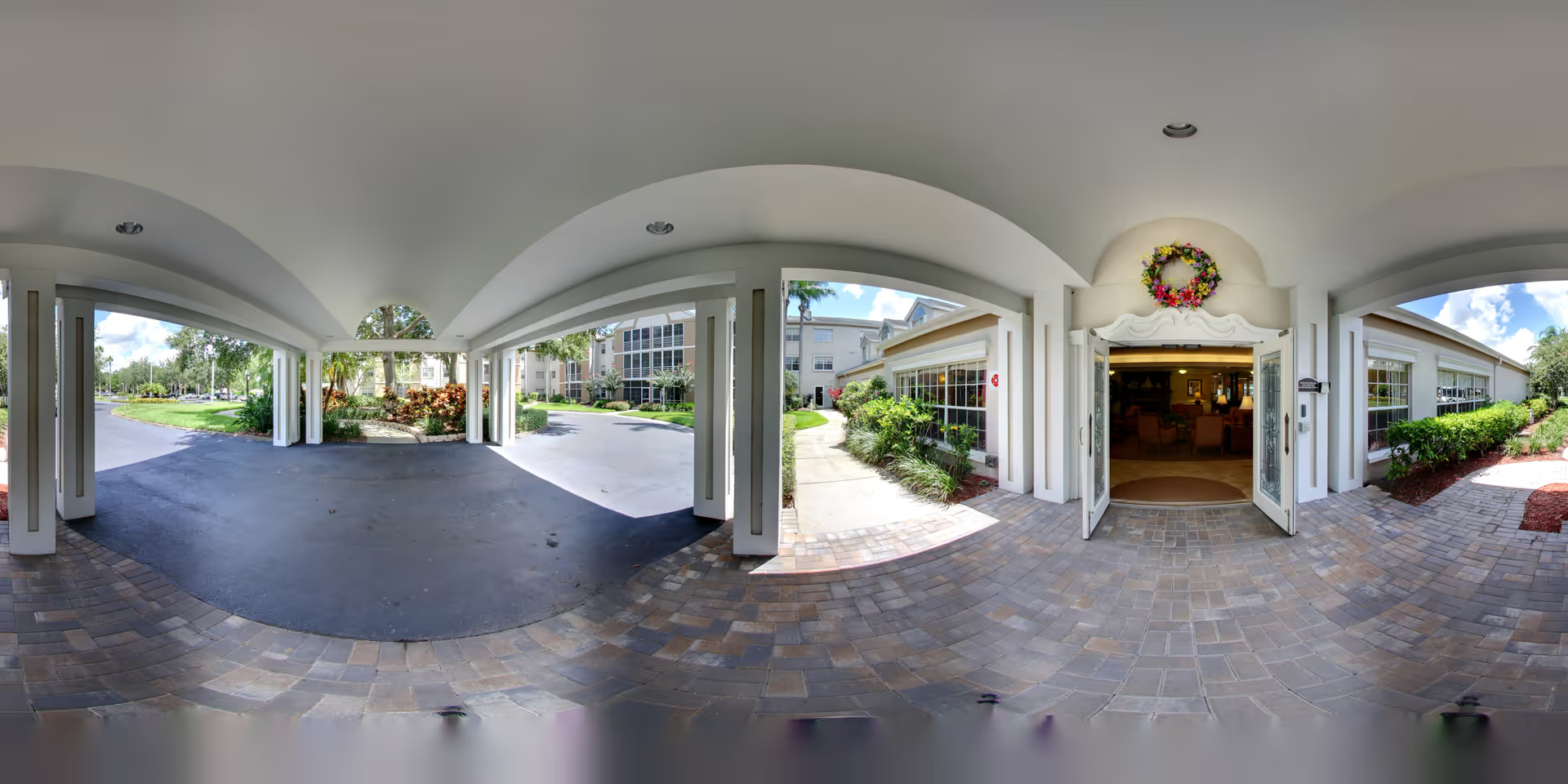
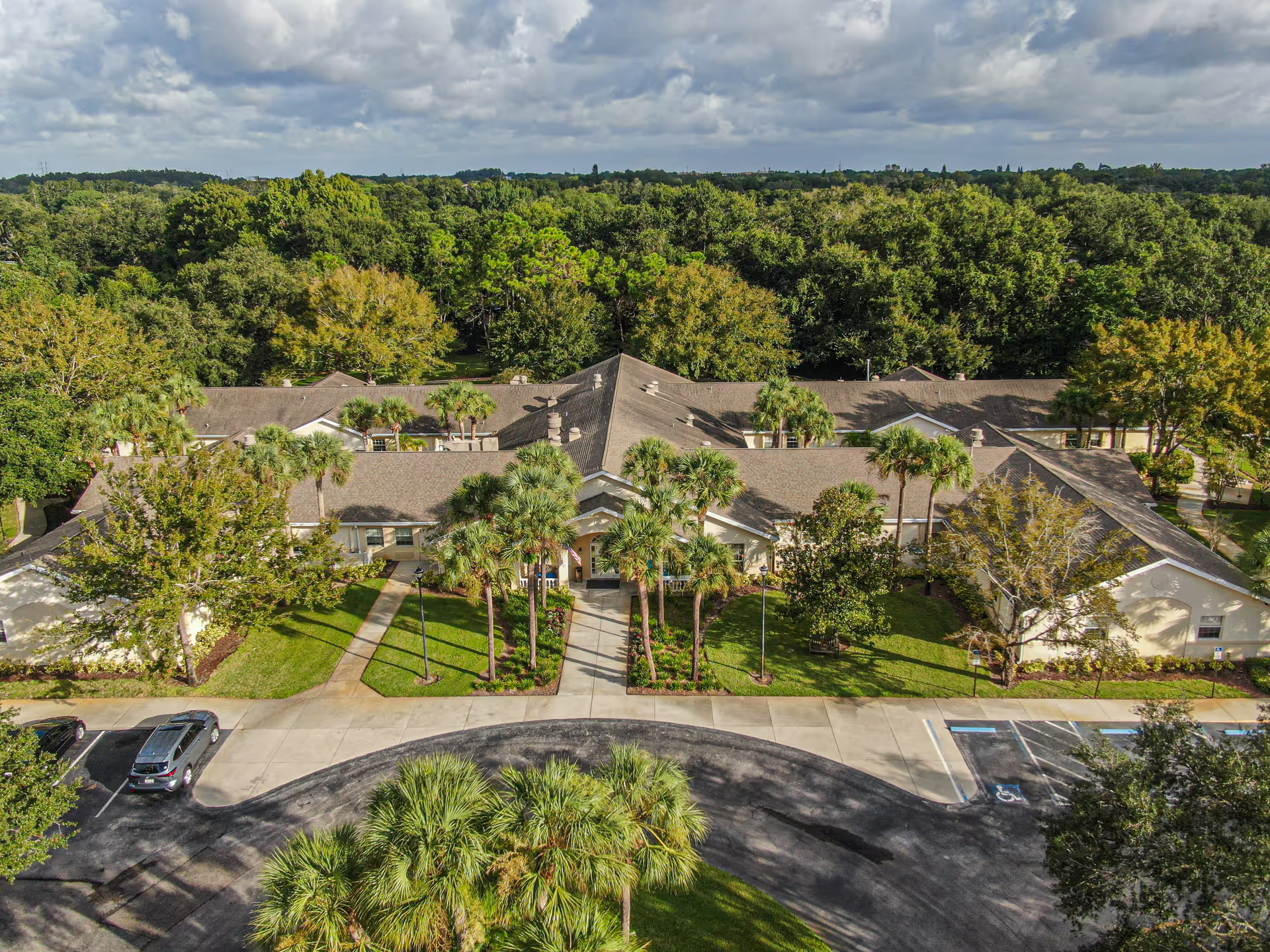
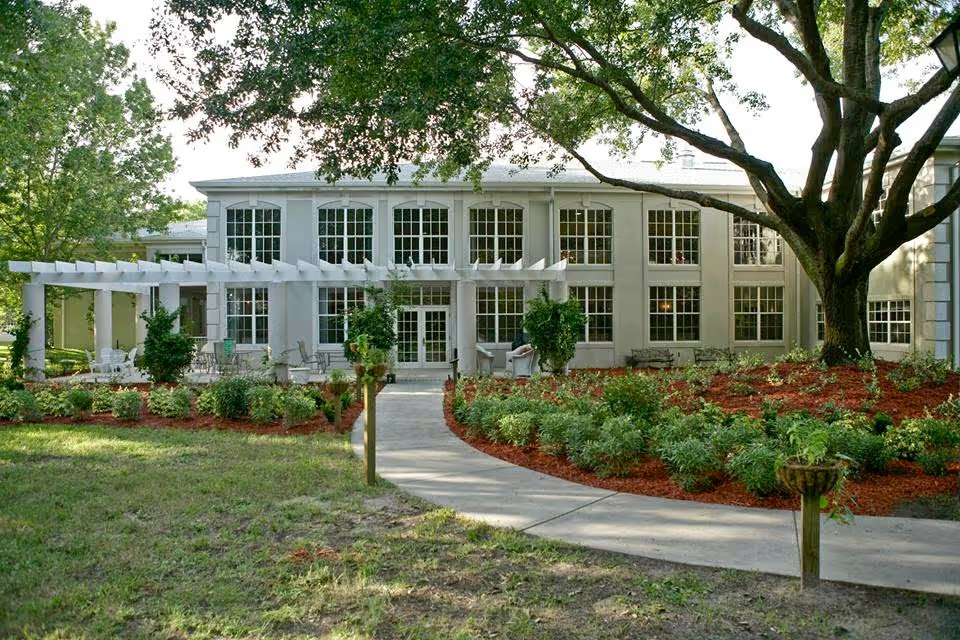
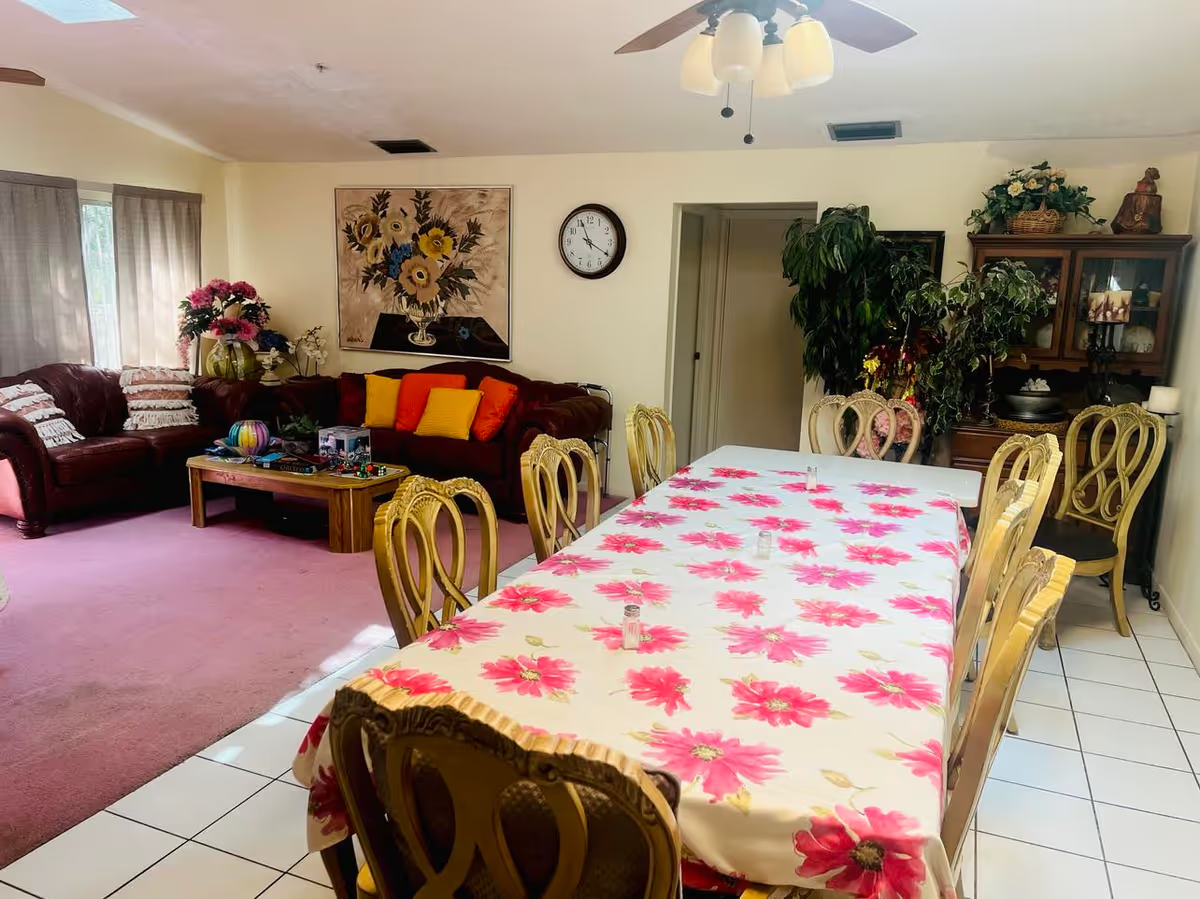
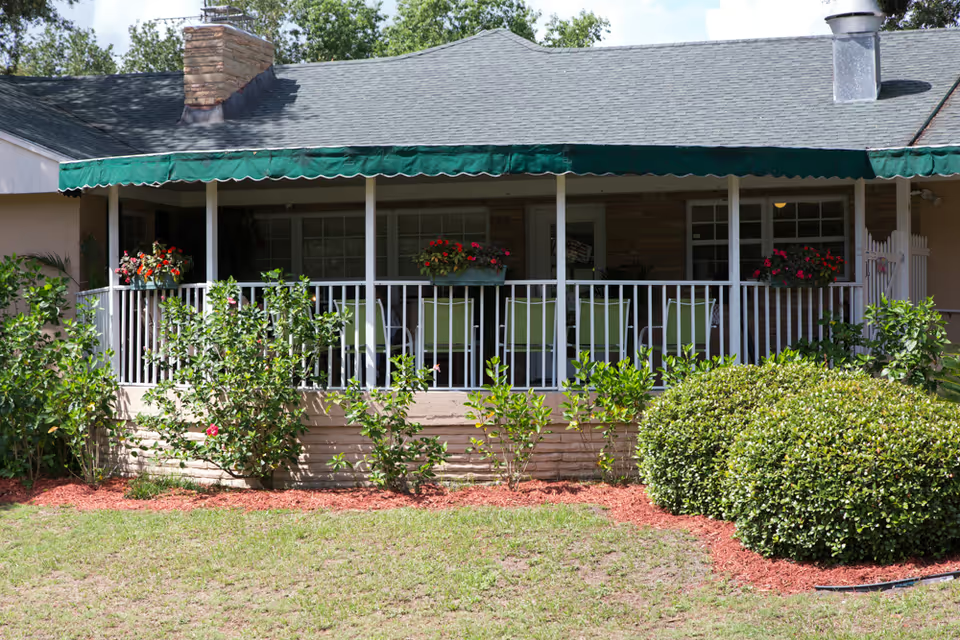
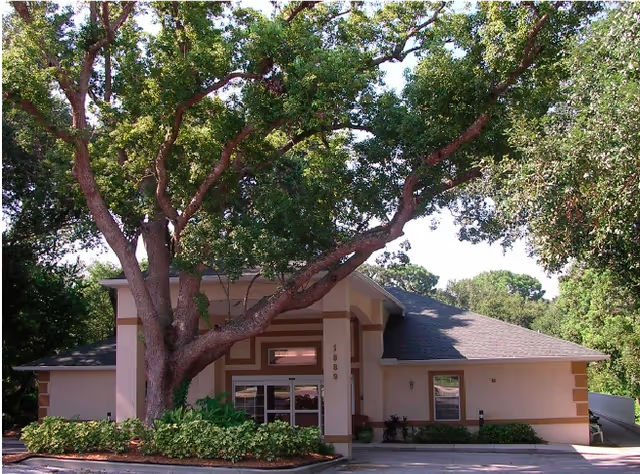
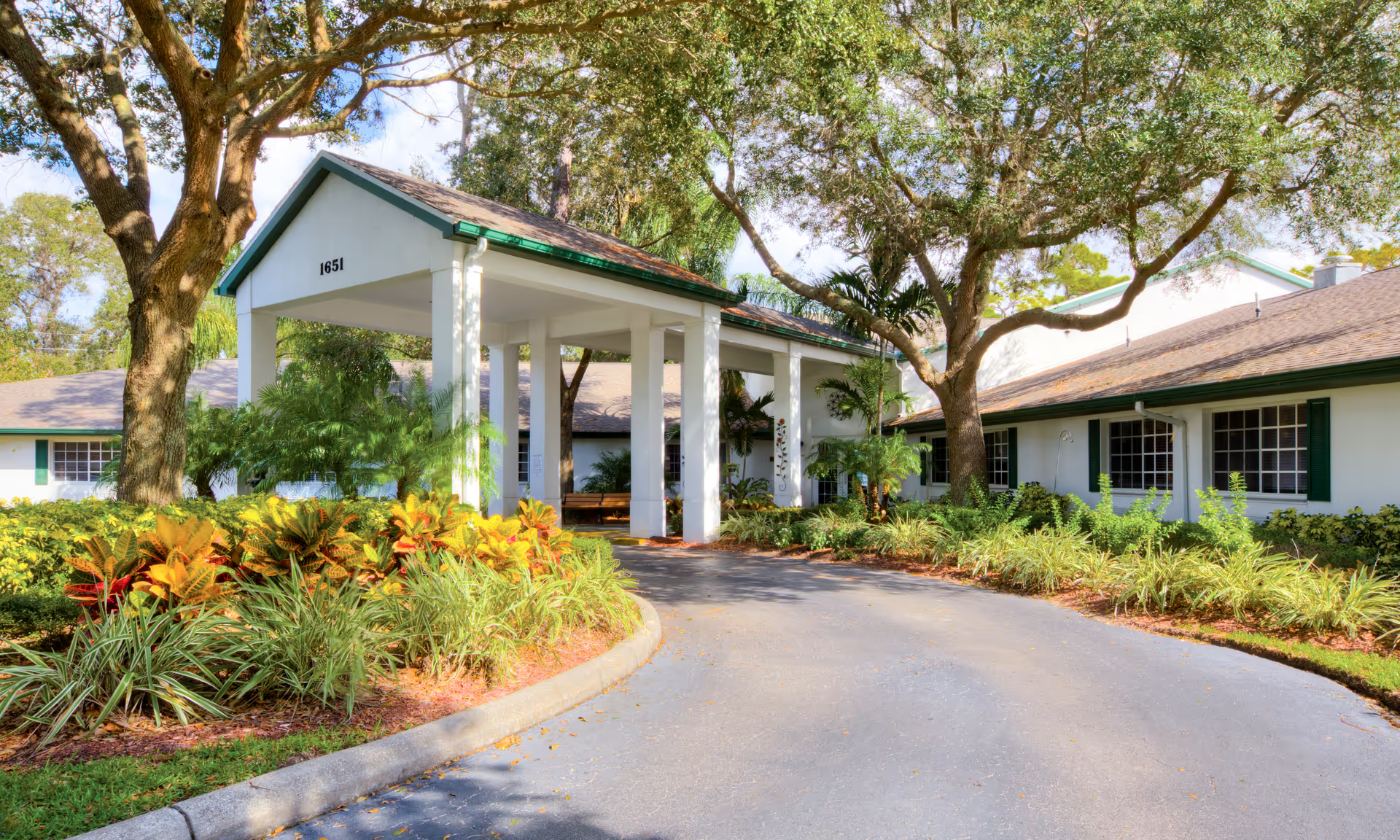
St. Mark Village is described by many reviewers as a well-appointed life-plan community that delivers a strong resident experience in several domains. Strengths repeatedly cited include attractive common areas, appealing grounds and garden spaces, a broad activities calendar with regular outings and special events, and numerous on-site amenities such as a salon, pool, and dining venues. The independent-living environment is often characterized as welcoming and home-like, and many residents and families praised the strong sense of community and social engagement.
Clinical and therapy services receive mixed but often positive commentary. The on-site rehabilitation and therapy departments are frequently described as effective — with many families and former patients noting measurable functional improvements after stays. The campus offers multi-level care including memory care and skilled nursing, which is a convenience for residents seeking continuity of care. At the same time, several reviewers raised concerns about clinical responsiveness, communication between staff and families, and limits to higher-acuity medical resources; the facility’s lack of a close hospital affiliation was highlighted as a potential issue for residents who may require rapid access to more intensive medical services.
Dining and staffing present a mixed picture. Multiple reviews praise the food, dining-room ambiance, and the quality of culinary offerings at times, while others describe recent declines in food quality, higher food charges, and staffing changes that have affected meal service consistency. Staffing is described both as a major asset — compassionate, attentive caregivers and strong therapy teams — and as a liability in other accounts where turnover, inexperienced personnel, or delayed responses impeded service delivery. These contrasting perspectives suggest that staffing stability and training are variable across units and time.
Facilities and building upkeep similarly show contrasts. Many reviewers appreciate modern apartments, clean common areas, and ongoing renovations that improve the look and function of the community. However, there are repeated operational concerns regarding maintenance responsiveness: delayed repairs, water-intrusion events, and mold-remediation problems were described, sometimes with personal property damage and health worries. Sanitation and incontinence-care issues were also raised in memory-care contexts. Prospective residents should evaluate unit condition and ask about recent remediation, ongoing maintenance plans, and pest-control and sanitation protocols.
Administrative and financial issues emerged as an important pattern. Reviewers flagged a high upfront buy-in requirement and questions about which resident-paid renovations are reimbursable. Other recurring administrative themes include billing errors, delayed refunds, and unclear financial communication. Admissions and marketing conduct were described as uneven; families are advised to verify contract terms, refund policies, and the scope of services included in buy-in arrangements.
Overall, St. Mark Village appears to be a strong option for relatively healthy retirees seeking an active, amenity-rich LifeCare community with solid therapy services and an engaged social environment. At the same time, the facility shows operational weaknesses that may affect residents requiring more intensive clinical oversight or families seeking transparent financial administration. Prospective residents should tour multiple living levels, review staffing ratios and clinical escalation procedures, inquire about recent mold and repair remediation, inspect unit sizes and layouts, and request detailed explanations of buy-in and billing policies before committing.