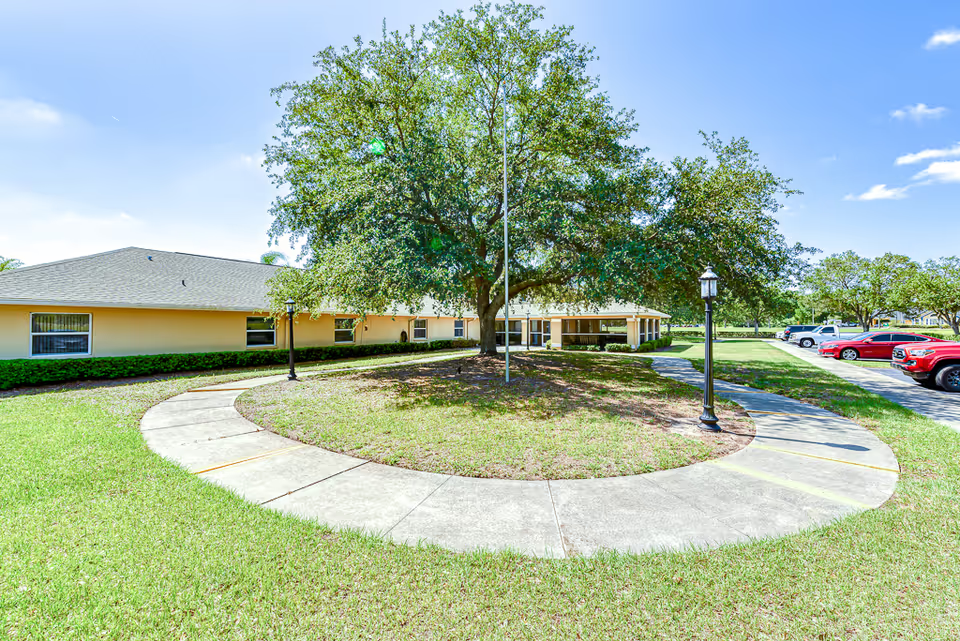
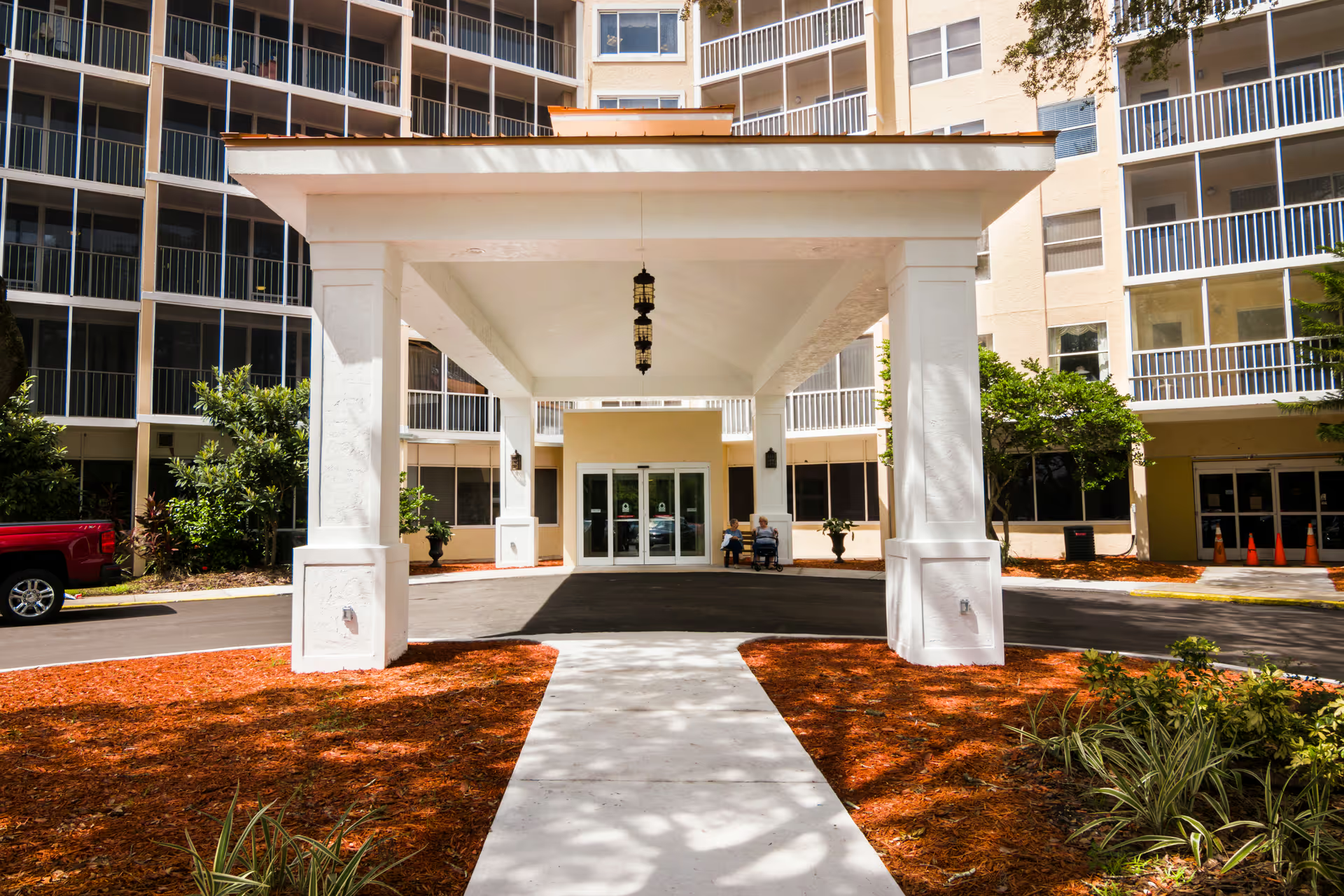
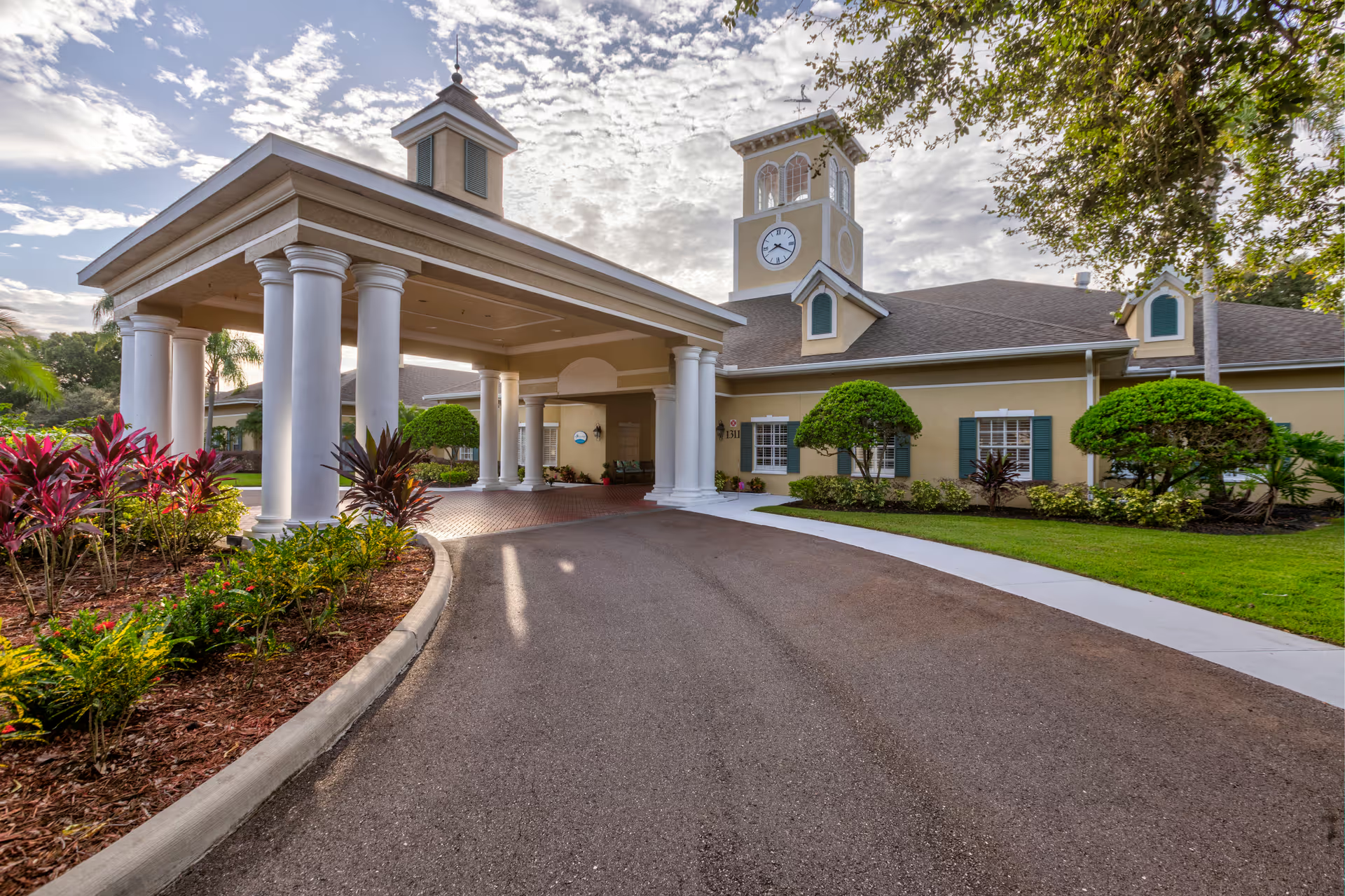
Belvedere Commons of Sun City Center is presented in reviews as a small, family-style community with many strengths in direct caregiving and hospitality. A consistent theme is praise for caring, personable staff and an attentive nursing/CNA workforce; reviewers frequently describe staff as compassionate, professional, and willing to go beyond routine duties. Housekeeping and general maintenance receive positive comments in a number of accounts, and the facility’s public spaces are often characterized as clean, home-like, and welcoming. Admissions and front-desk interactions are commonly described as warm and helpful, and reviewers note useful on-site amenities such as a screened porch, garden, activity room, exercise and game rooms, and restaurant-style dining areas.
Dining and daily life are areas of mixed but mainly positive feedback. Many families appreciated the appearance of the dining room, friendly kitchen staff, and varied menu items; several reviewers described meals as enjoyable and restaurant-like. At the same time there are recurring remarks about meal timing (for example, early dinner service) and occasional dissatisfaction with specific menu items, so meal experience appears to vary by resident preference. The community offers an active events calendar, live music, outings, and social programming that supports social interaction; however, reviewers also point to uneven delivery of programming with limited physical or low-impact movement options for some residents.
Facility and unit-level factors show variability. The community’s smaller size is seen as a benefit for personalized attention and a family atmosphere, but it also limits room size and communal gathering space; several reviewers commented on small bedrooms and constrained common areas. While many described the facility as clean and well-kept, others raised sanitation/odor concerns and described certain areas—notably parts of memory care—as darker or less cheerful. Ongoing renovations were noted and in some cases contributed to disruption or limited visibility during tours.
Operational and management patterns include both strengths and areas of concern. Positive notes include transparent communication around infection prevention, helpfulness during admission, and instances of clear family involvement in care decisions. Conversely, a number of reviewers identified operational weaknesses: inconsistent staffing levels and responsiveness (including overnight coverage concerns), gaps in clinical incident handling and follow-up communication with families, inconsistent transportation and mobility support (broken bus or lift issues), and uneven admissions coordination or pricing transparency. There are also contrasting accounts of memory-care quality—some families described excellent dementia care and proactive responsiveness, while others described a less positive memory-care environment—indicating variability across units or time periods.
Overall pattern: many families and residents report a high level of individualized attention, caring staff, and a welcoming small-community atmosphere; these are the facility’s strongest attributes. At the same time, there is meaningful variability in operational consistency—staffing levels, incident response and communication, activity engagement, transportation availability, and some cleanliness concerns—which prospective residents and families should evaluate directly. When considering Belvedere Commons, it is prudent to tour the specific care unit of interest (including memory care), ask about current staffing ratios and overnight coverage, request examples of recent incident-response communication, confirm transportation and lift maintenance, review the activity schedule (with emphasis on physical/movement options), and discuss the timeline and impact of ongoing renovations.