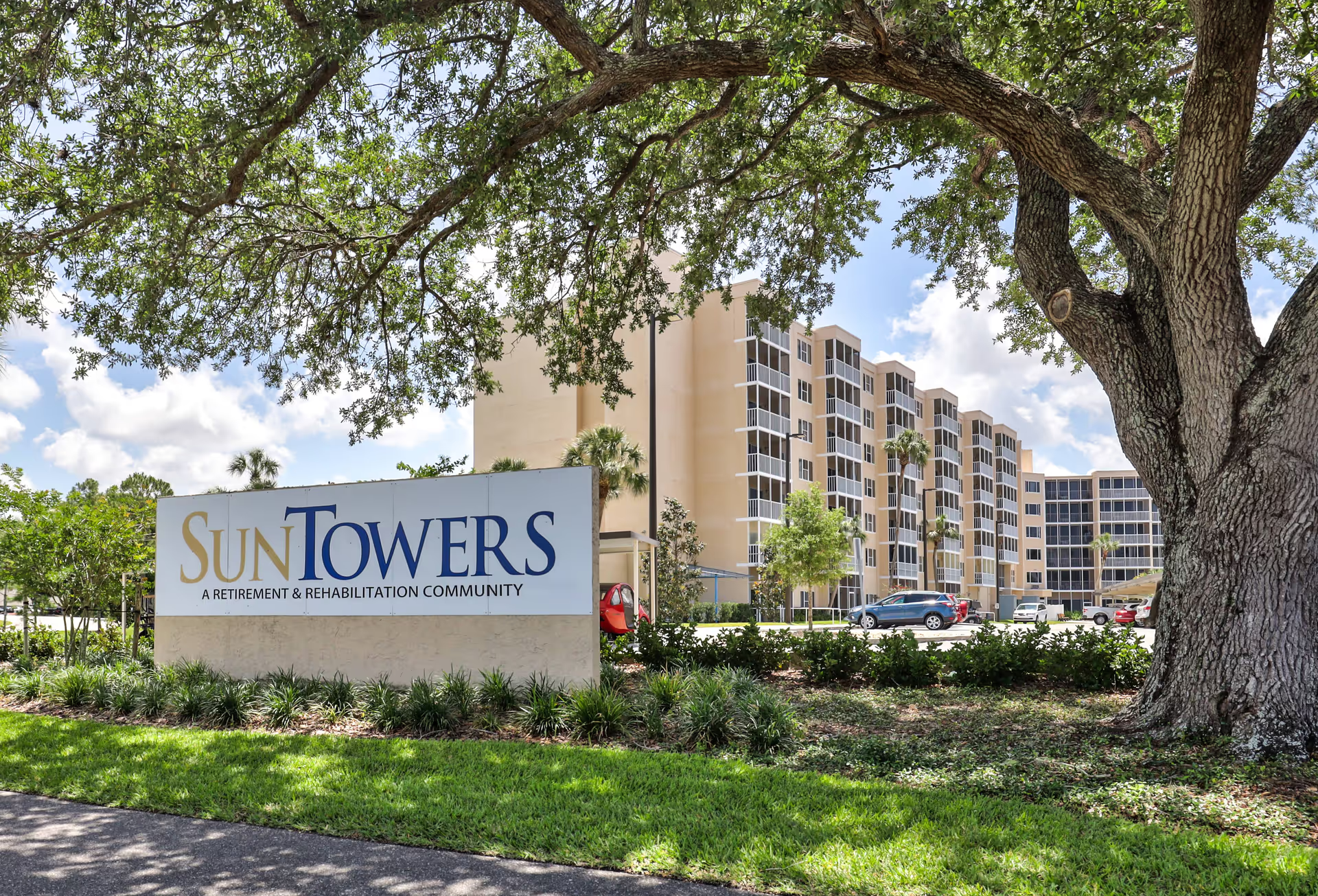
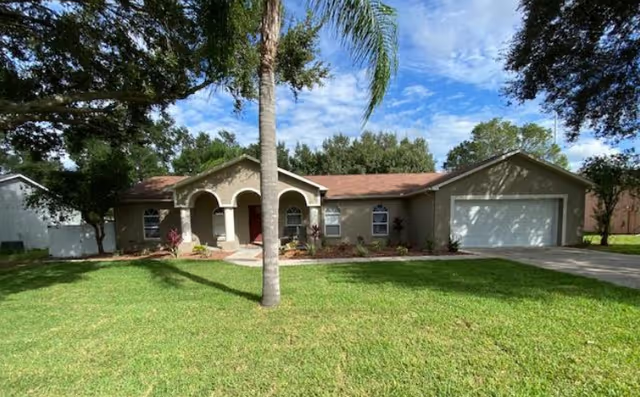
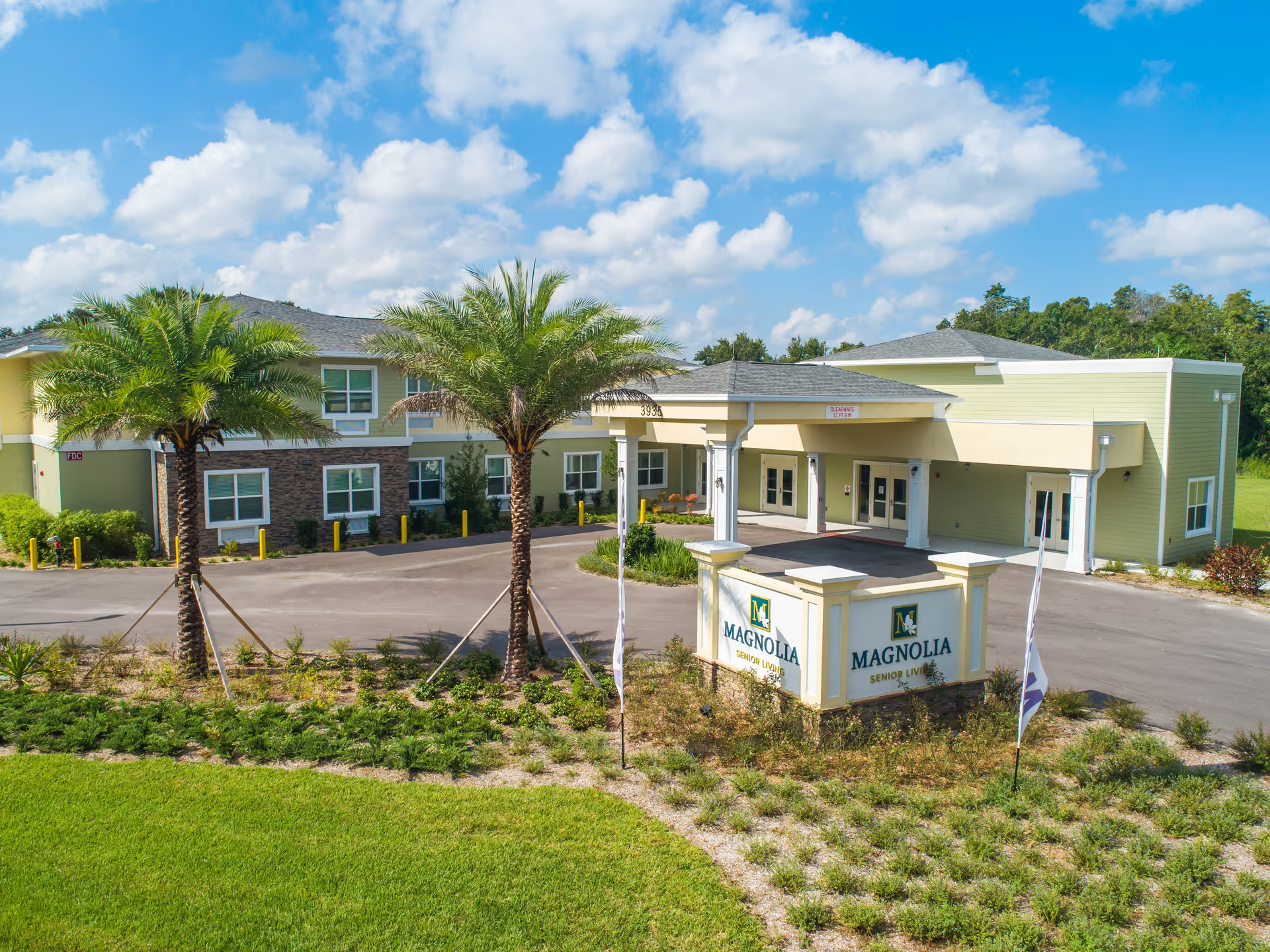
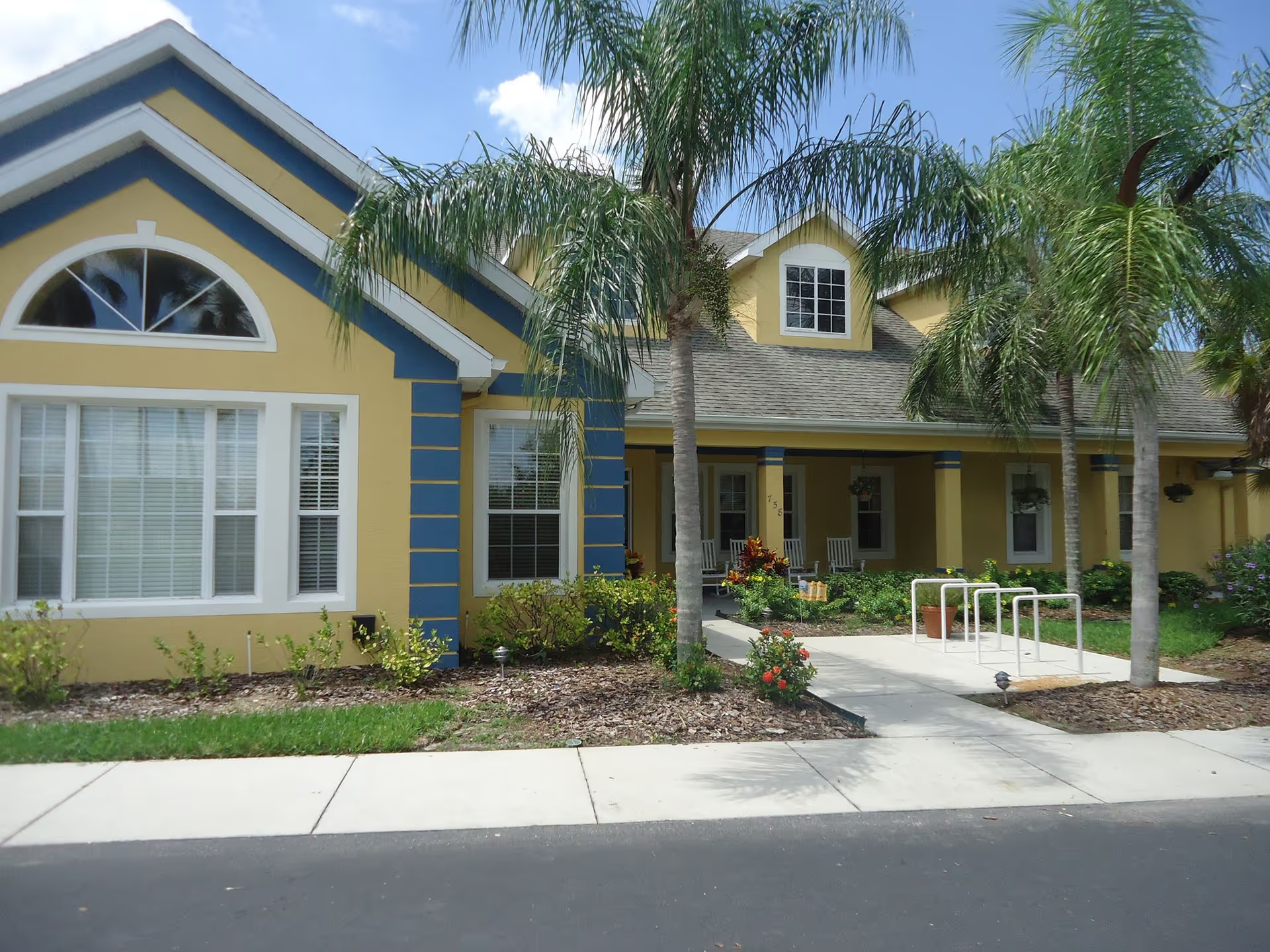
Aston Gardens at the Courtyards presents as a well-appointed independent/assisted living community with notable strengths in staff, medical access, dining, activities and campus amenities. Many reviewers describe the on-site clinical resources—an in-house physician, daily nursing presence, visiting medical professionals and in-room physical therapy—as meaningful contributors to residents' peace of mind. Staff are frequently described as friendly, long-tenured and attentive; maintenance and housekeeping services such as weekly apartment cleaning and linen service are commonly cited as dependable when operating within normal response windows.
Dining and social programming are core assets. The community offers restaurant-style meals, personalized service, bilingual servers, special brunches and multi-course options. At the same time, dining quality is characterized as variable: several accounts praise gourmet preparation and variety, while others describe occasional unappealing meals, long waits during busy service periods, and limited diabetic/low-sugar choices. Programming is broad and active—exercise classes, games (bingo, mahjong, card groups), tai chi, lectures, Mystery Trips, and regular outings—which supports social engagement and frequent opportunities for residents to participate.
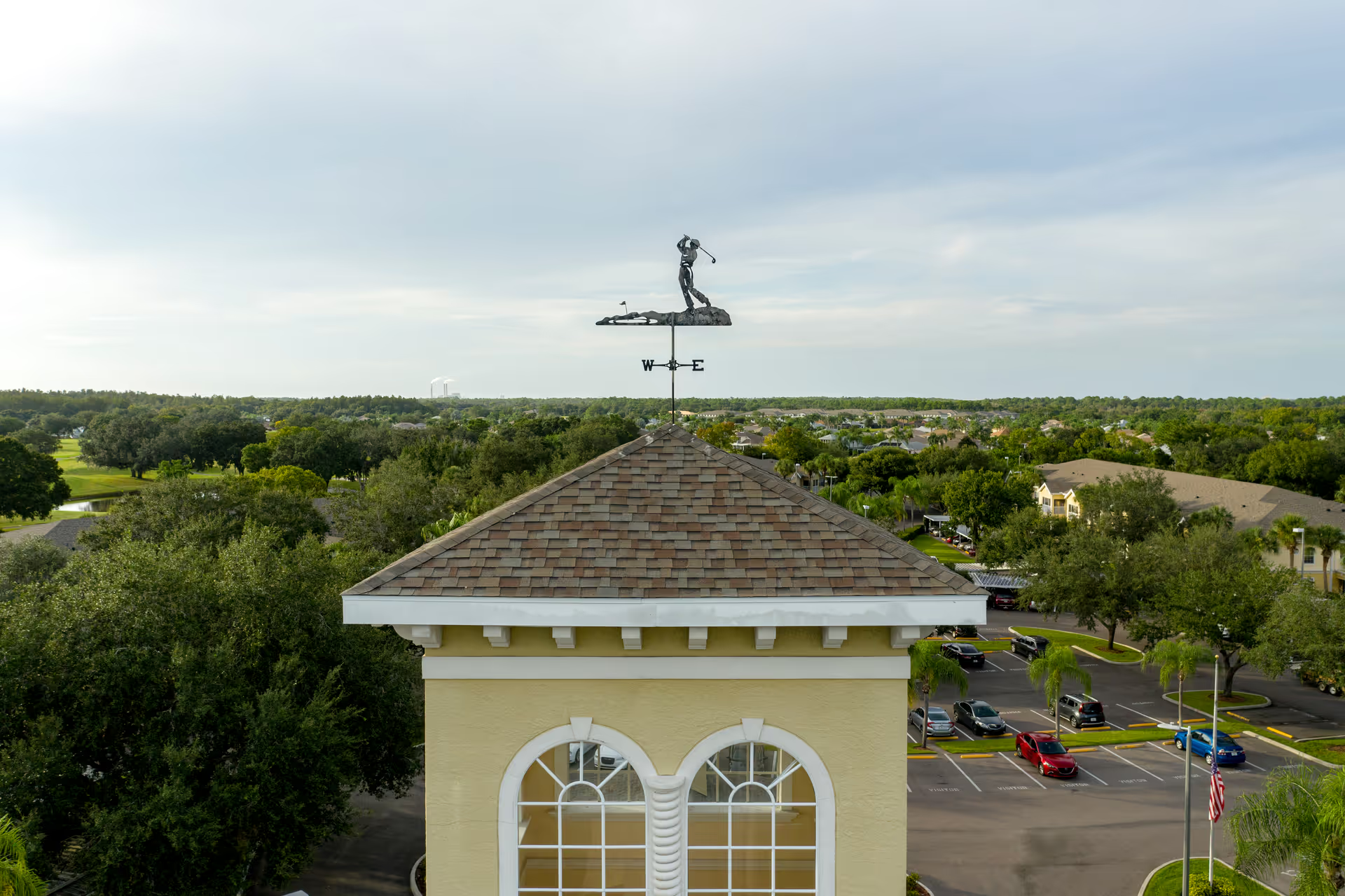
Facilities and grounds are often described in positive terms: resort-like landscaping, saltwater/heated pool options, screened porches, and sizable apartments—including some recently renovated units. Conversely, reviews indicate variability across the physical plant. Some buildings and units appear older or smaller, and there are isolated sanitation and pest-control concerns in certain apartments and common areas. Maintenance is generally praised for competency, though reviewers also note occasional delays in addressing issues. Parking logistics, particularly visitor and golf-cart parking, create recurring friction.
Management and operational patterns show mixed feedback. Several families appreciate clear communication from directors and proactive staff; others cite gaps between sales promises and move-in follow-through (for example, unfulfilled upgrade commitments), occasional billing errors, and opaque extra charges. A few accounts indicate constraints in after-hours staffing and inconsistency in routine resident checks, which may affect families who require tighter clinical oversight. Cost is a consistent consideration—residency is described as relatively expensive, and one-on-one caregiving substantially increases monthly expenditures.
Overall, Aston Gardens at the Courtyards appears to deliver a warm, active community with strong clinical access, extensive activities, and generally high-quality dining and housekeeping when functioning as intended. Prospective residents and families should weigh the community’s strong social and clinical offerings against the potential for variability in meal consistency, physical-unit condition, parking logistics, and costs. Clarifying move-in commitments, dining accommodations for specific diets, pest-control protocols, after-hours clinical coverage, and fee transparency during a tour or in the residency contract would help align expectations with observed patterns.