Inspired Living Sun City Center is consistently described as a purpose-built memory-care community with a strong emphasis on compassionate, dementia-focused caregiving. Families frequently highlight staff attentiveness, individualized care plans, and a warm, home-like culture in which residents are known by name. Reviewers credit the team with clinically meaningful improvements for some residents, including increased engagement and adjustments to medications when appropriate. Leadership and front-desk staff are generally viewed as accessible and communicative, and there are multiple references to active nursing involvement and prompt assistance when health concerns arise.
Dining and programming are recurring strengths. The community offers chef-led, plated meals with menu choices, attention to nutrition, and accommodations for dietary needs. Many families praise the variety and presentation of food, though a subset of comments indicates that meal quality and portioning have varied over time. Activities are described as robust and varied — music, games, crafts, guest entertainers, outings, religious services, and certified cognitive programs — and the site benefits from community volunteers and student engagement, creating frequent social stimulation tailored to memory-care residents.
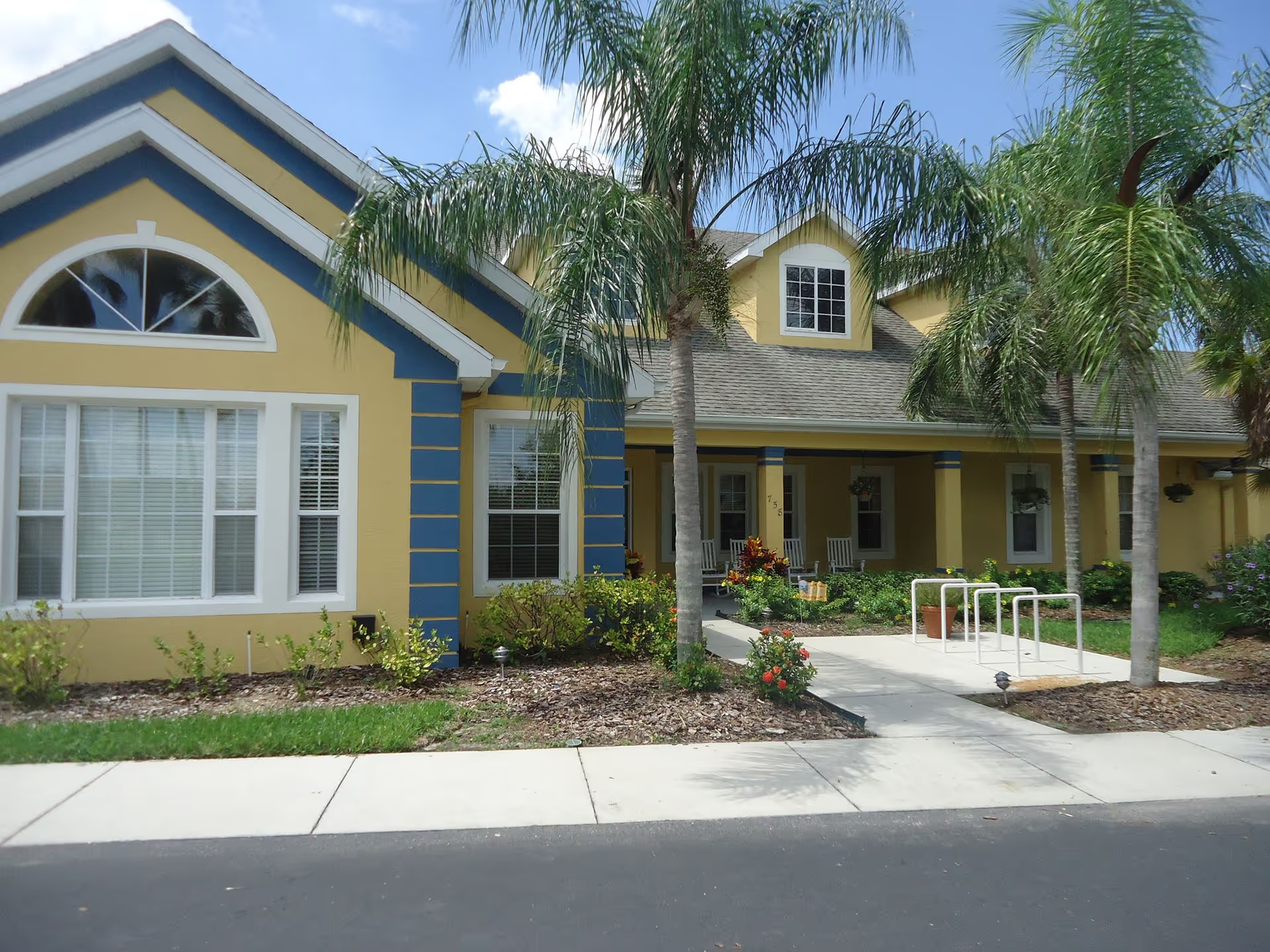
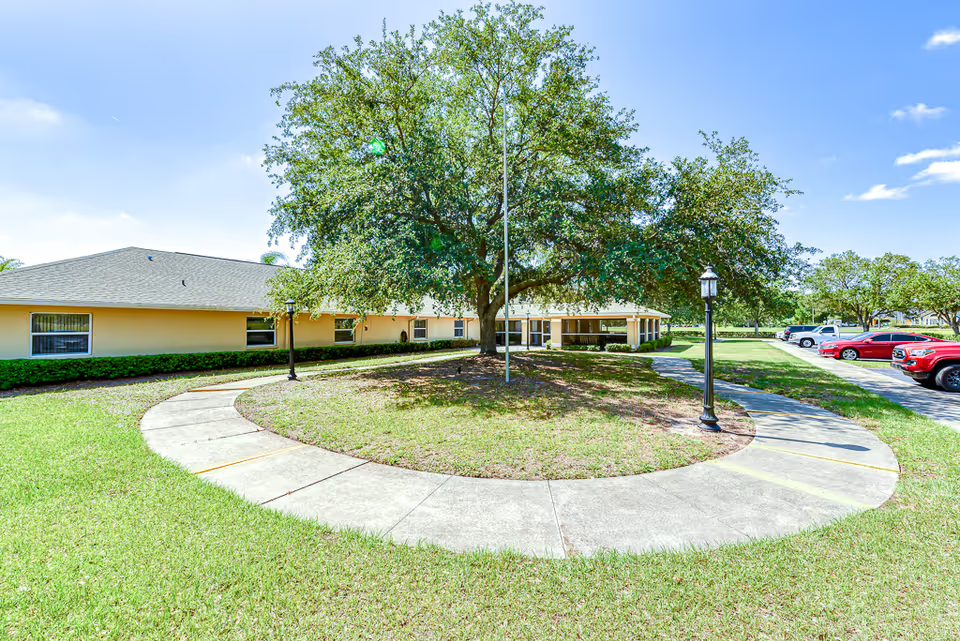
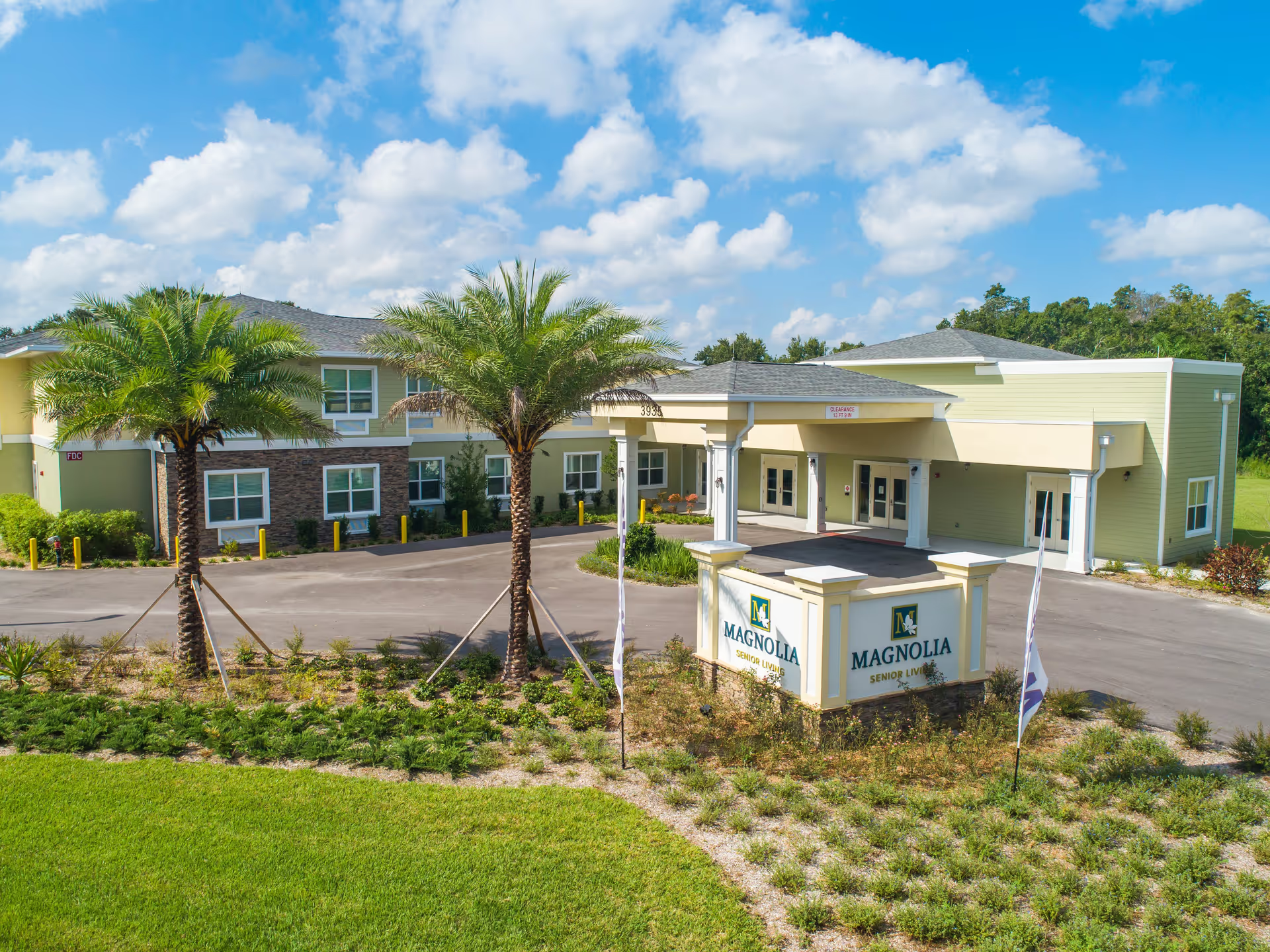
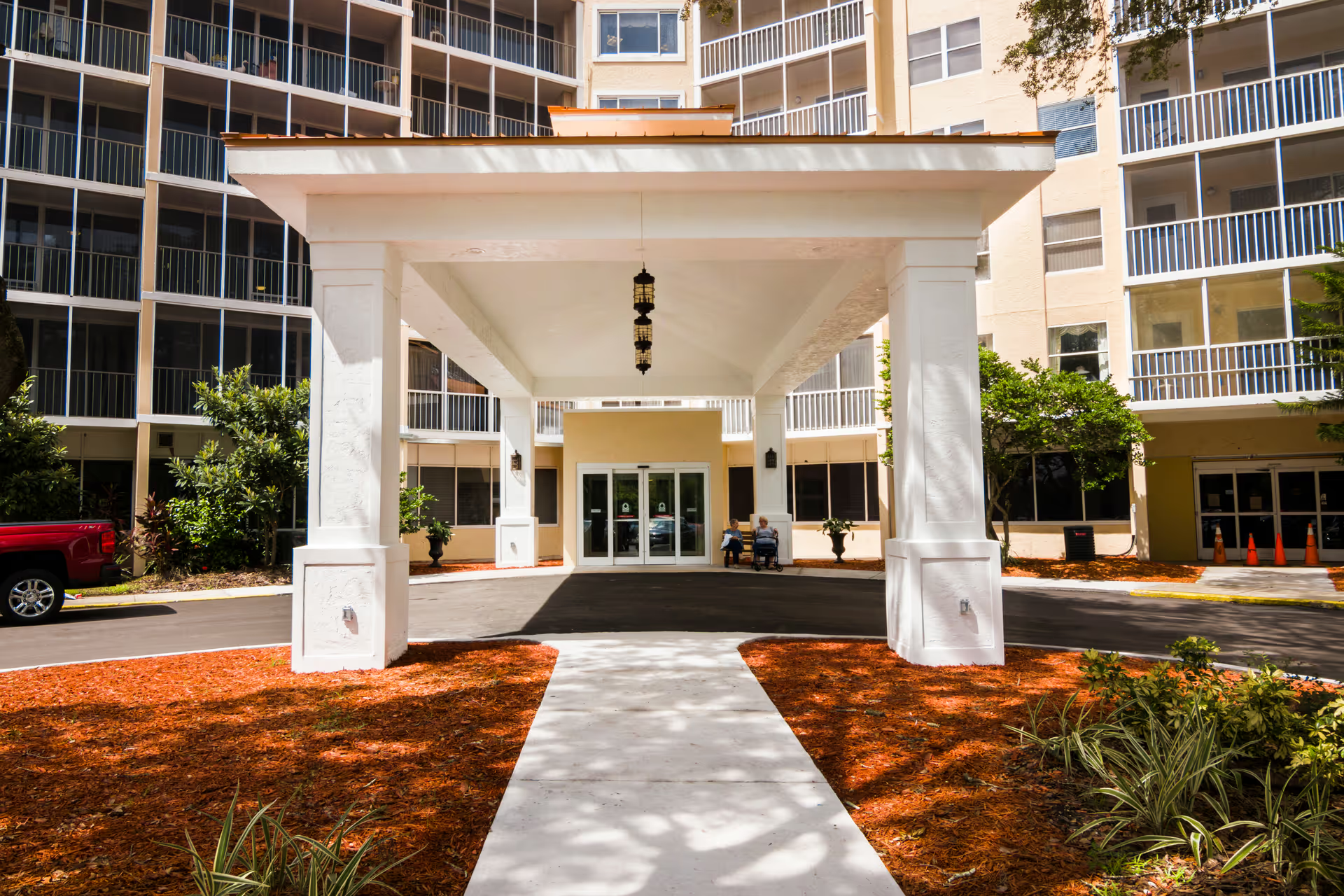
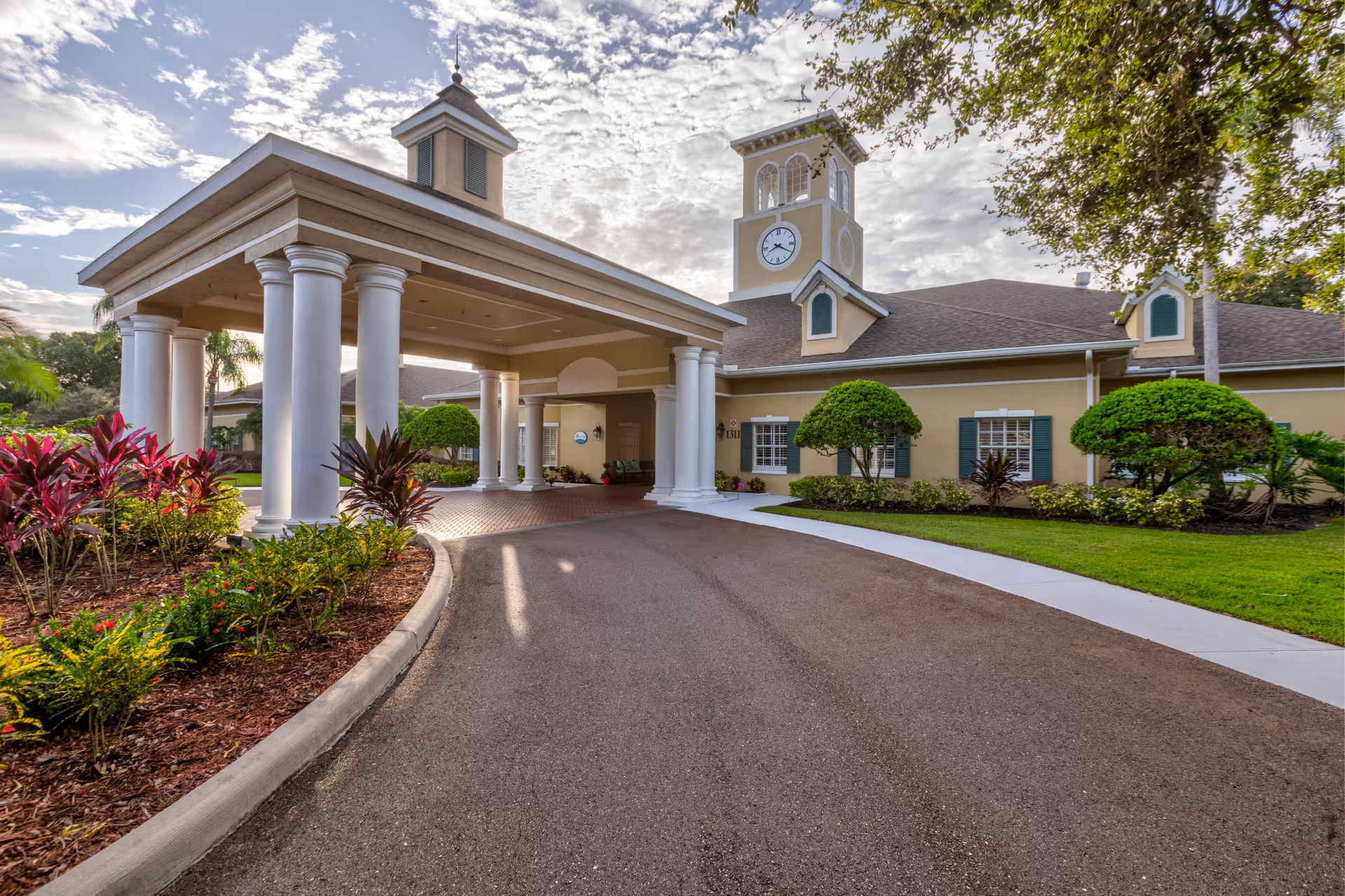
The physical campus is frequently praised for cleanliness, bright non-institutional décor, and well-maintained outdoor areas. The facility's U-shaped design, expansive secure courtyard, porches, gazebo, and walking paths support safe outdoor access and freedom to wander for residents with dementia. Interior common spaces such as dining rooms, salon, and activity rooms are noted as comfortable and family-friendly. At the same time, some families found the layout or access-control systems confusing for certain residents with advanced dementia, and a few reviewers noted smaller private rooms in comparison to other communities.
Operationally, the most consistent concerns reflect staffing and service-scope limits. Multiple accounts describe inconsistent staffing coverage, occasional weekend shortfalls, and periods when response times lagged; these staffing patterns also relate to intermittent maintenance and housekeeping delays. Move-in logistics have been a source of stress for some families — including limited heavy-item support and instances of missing belongings or transfer documentation gaps — suggesting room for clearer procedures and coordination. A few families cited limits in the facility’s clinical scope (for example, insufficient licensing for certain catheter care), which can necessitate transfers for residents with specific medical needs. Cost increases and affordability were also raised as a practical concern.
Notable safety-related comments are comparatively rare but important: there are isolated accounts that raise questions about incident prevention and how the facility communicates with families after safety events. These concerns point to the need for strong, transparent incident-response protocols and timely family notification. Overall, the prevailing pattern is positive — families frequently report improved well-being, respectful and loving care, and an environment that is clean, engaging, and dignified — but prospective families should balance these strengths against operational considerations such as staffing consistency, clinical service limits, move-in logistics, and cost. A tour that includes conversations about staffing ratios, clinical capabilities, incident-response procedures, and recent menu cycles would help align expectations with the community’s current operations.