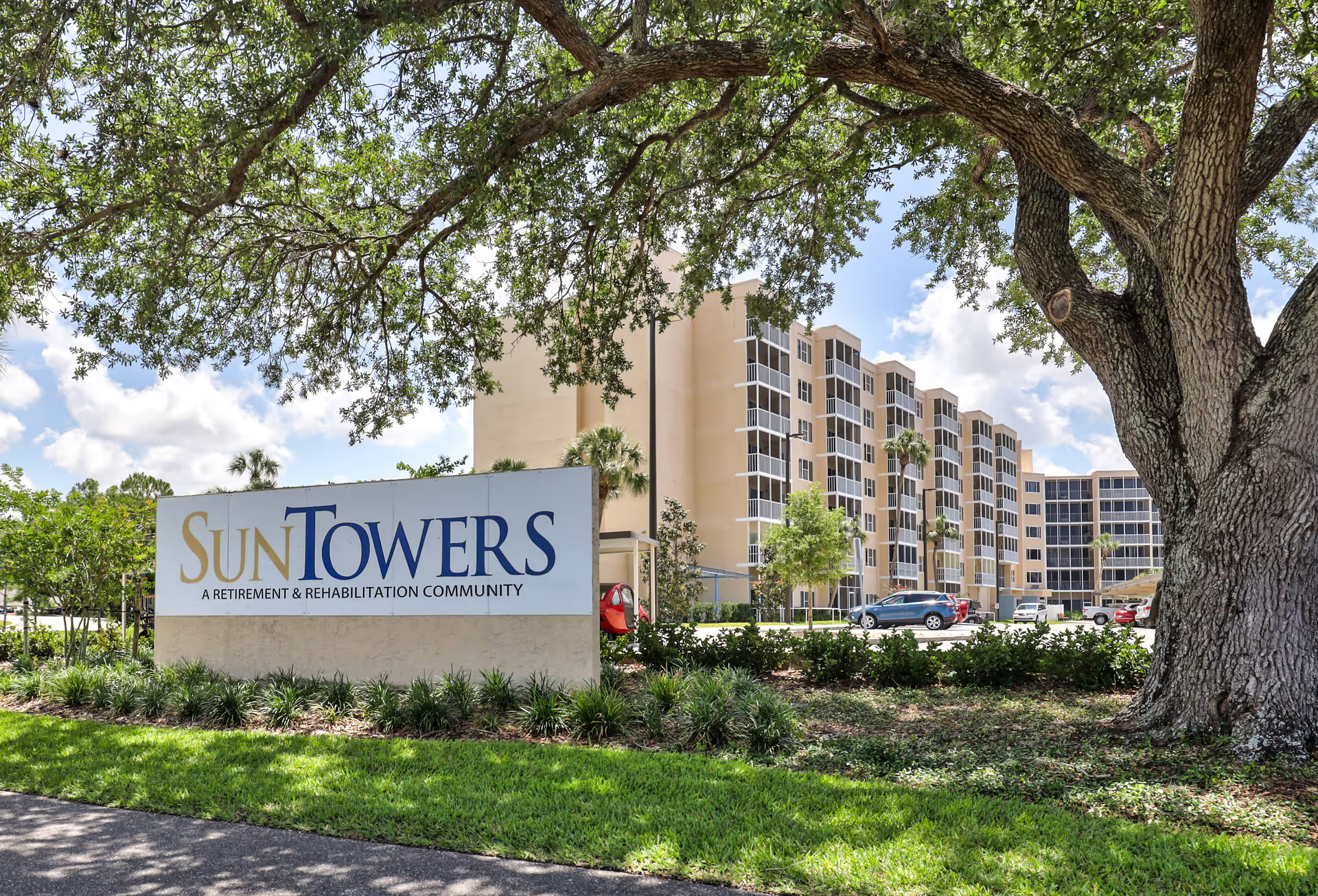
Cypress Creek Assisted Living presents a mixed but informative profile for prospective residents and families. Many reviewers highlight a warm, family-like culture driven by engaged caregiving staff and long-tenured aides. Nursing personnel and activity staff are frequently described as attentive and responsive; the community operates an extensive activities calendar (arts and crafts, musical performances, bingo, dancing, movies, and weekly outings) and a dedicated Joy/activities coordinator who facilitates social engagement, transportation, and scheduled excursions. Several families praised the memory-care unit and the use of pre-move assessments to help match residents to an appropriate neighborhood.
Clinical care impressions are varied. Numerous accounts praise individualized nursing attention, good food choices, and strong follow-through on daily needs, which contribute to an improved quality of life for many residents. At the same time, a pattern of clinical and operational concerns appears across reviews: inconsistent communication with families, gaps in incident documentation and notification, and instances of abrupt medication changes. These items suggest families should clarify medication-management protocols, on-call nursing coverage, and incident-notification procedures during any tour or pre-admission meeting.
Staffing and supervision are areas of contrast. Positive comments emphasize compassionate, family-oriented staff and administrators who are easy to work with; other comments describe high turnover, limited night staffing, and occasional delays in responding to calls. This variability indicates that day‑to‑day experience may depend on staffing levels and shift coverage; families should ask about staff continuity, night-shift ratios, and how the facility handles staff transitions.
The dining and activities offerings are consistent strengths: on-site cooking, three meals a day plus snacks, themed events (ice cream sundaes, pre-dinner soup/chili), and frequent social programming contribute to an engaged community environment. Multiple reviewers framed the community as offering good value for the level of social and recreational services provided, although pricing rises materially with higher care needs and certain services (for example, one-on-one support) may be billed as add-ons.
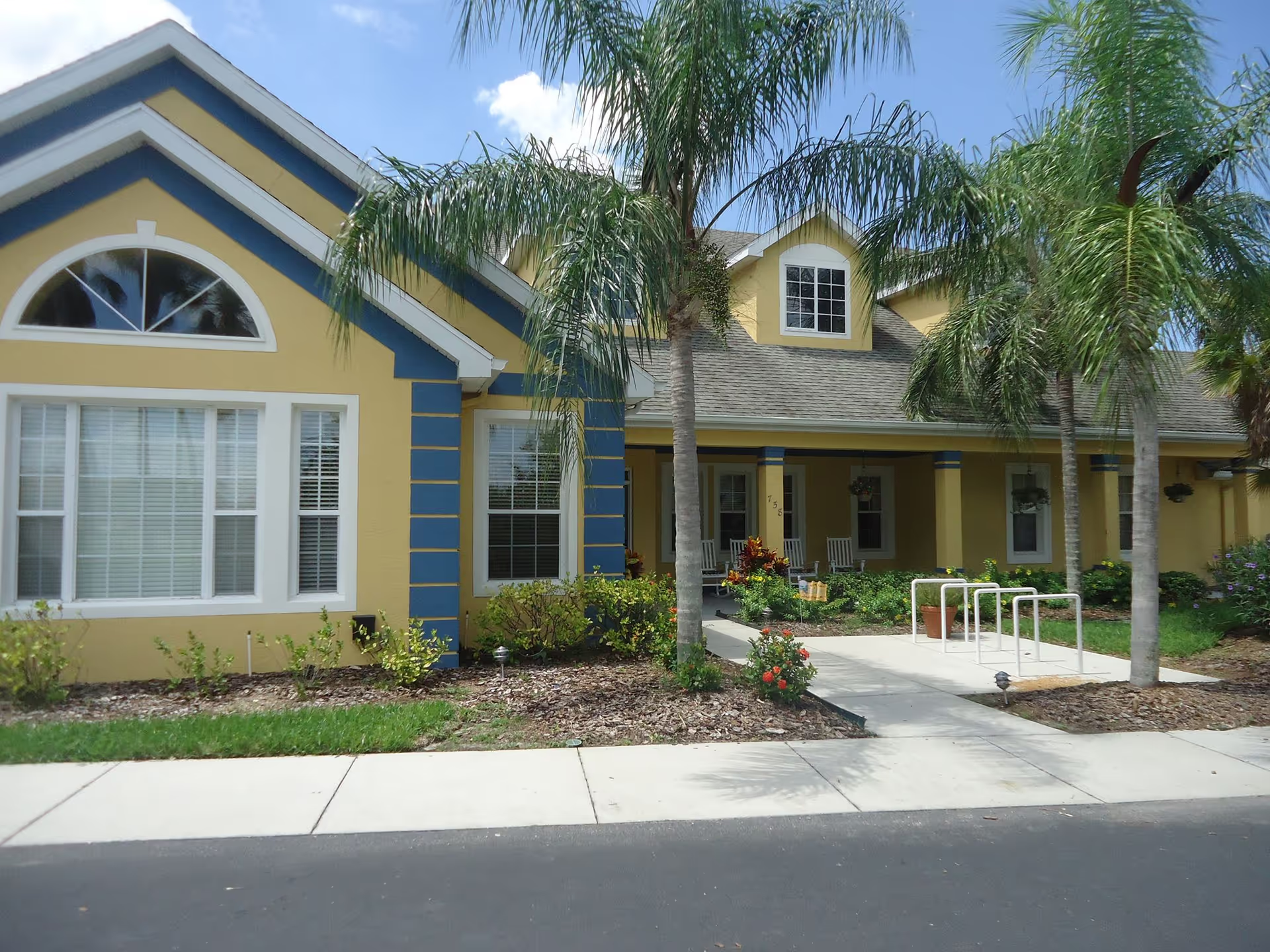
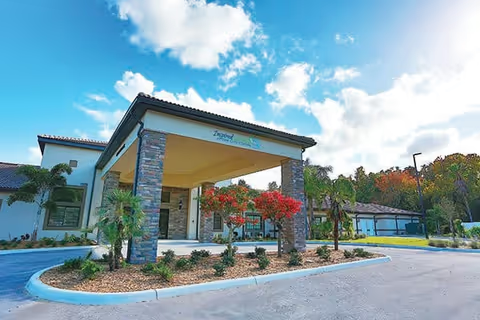
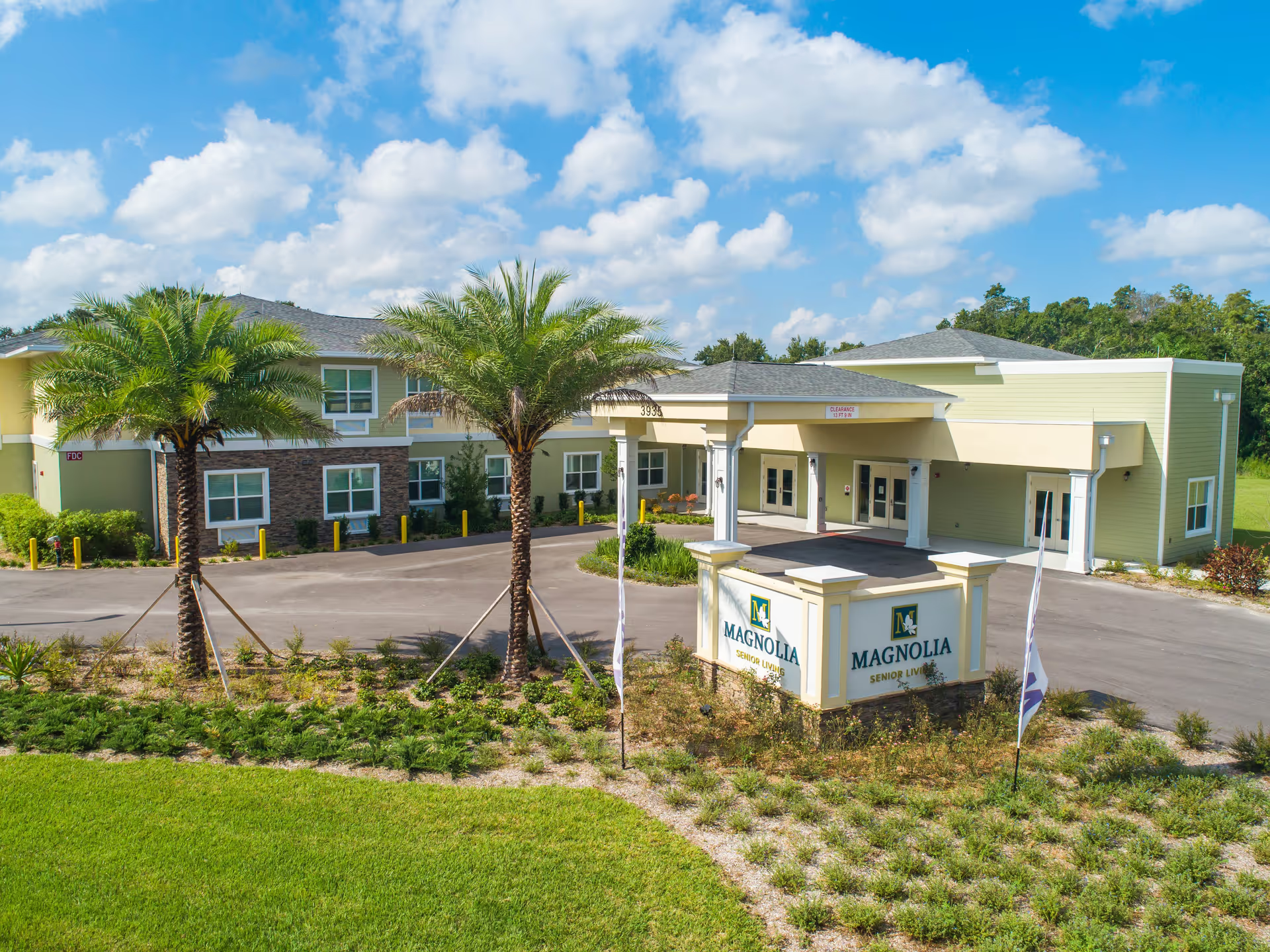
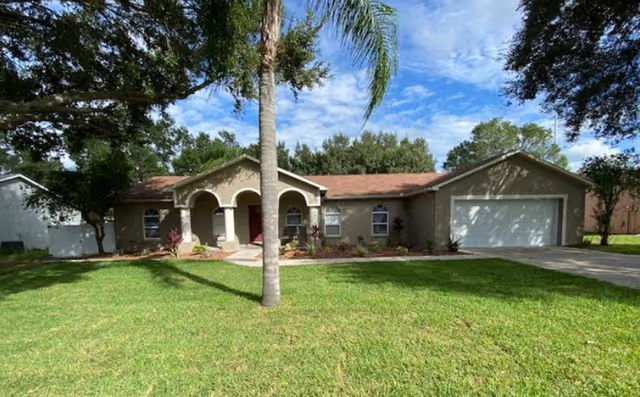
Facilities and accommodations vary across the campus. Many described bright, clean common areas, recently updated suites, and single-occupancy rooms with a hotel-like or resort feel. Others noted older or more institutional-feeling interior sections, small rooms in some neighborhoods, and limited outdoor amenities (a small courtyard with minimal seating). The community appears to favor private single rooms and does not offer couple suites, which is an important planning consideration for partners.
Management and policies show both strengths and friction points. Several families praised compassionate administrators who assist with transitions and financial enrollment; conversely, other families reported difficulty reaching management, restrictive respite rules, and short-stay accommodations that may be less private or have limited amenities. Given the mixed feedback, prospective residents should request written policy details on respite stays, visitor rules, pricing structure (including extra fees for higher assistance levels), and the facility’s approach to memory-care placement decisions.
Overall, Cypress Creek demonstrates strong programming, an active social environment, and many staff who are praised for compassionate care. However, recurring operational issues—chiefly around communication, medication-management consistency, staffing stability, and respite/short-stay policies—warrant careful inquiry prior to placement. Families considering this community will benefit from an in-person tour focused on current staffing levels, medication protocols, incident-reporting practices, respite accommodations, and an independent cognitive or clinical evaluation when memory-care placement is being considered.