Aviva Senior Living elicits strongly polarized impressions: many reviewers describe a warm, active community with attentive staff and extensive services, while a subset raises concerns about management practices, maintenance variability, and cost. The facility offers a broad continuum of care—independent living, assisted living, memory care, and skilled nursing—with on-site rehab, therapists, pharmacy access, and evidence of effective clinical responsiveness in multiple accounts. Several comments highlight high-quality clinical care, dignified end-of-life services, and timely therapy interventions following move-in.
Staff are widely characterized as compassionate, engaged, and welcoming; long-tenured employees and examples of staff going beyond expectations are recurring themes. At the same time, reviewers also note episodes of staff turnover, concerns about pay and morale, and perceptions that business-side decisions sometimes trump resident-focused priorities. Prospective families should ask about current staffing ratios, RN coverage, and staff retention plans to understand how operational changes may affect day-to-day care.
Dining is a prominent strength for many residents: chef-prepared lunches, a bistro with made-to-order options, kosher and vegetarian offerings, and organized special-dinner events receive frequent praise. Conversely, other accounts describe inconsistent food quality, complaints about dining rules (dress requirements, extra charges for some meals), and worries about potential reductions to kosher services. Visitors should sample meals, review sample menus, and clarify dietary policies and any extra dining costs during the tour.
Activity programming and resident engagement are consistently noted as robust: classical music, literary programs, bridge, mahjong, exercise classes, community outings, and an active calendar support social life. The campus also benefits from volunteer involvement and local community integration. A countervailing pattern is that social opportunities can vary by care level and unit; some reviewers described limited socialization or fewer activities in specific areas such as parts of memory care or higher-acuity units.
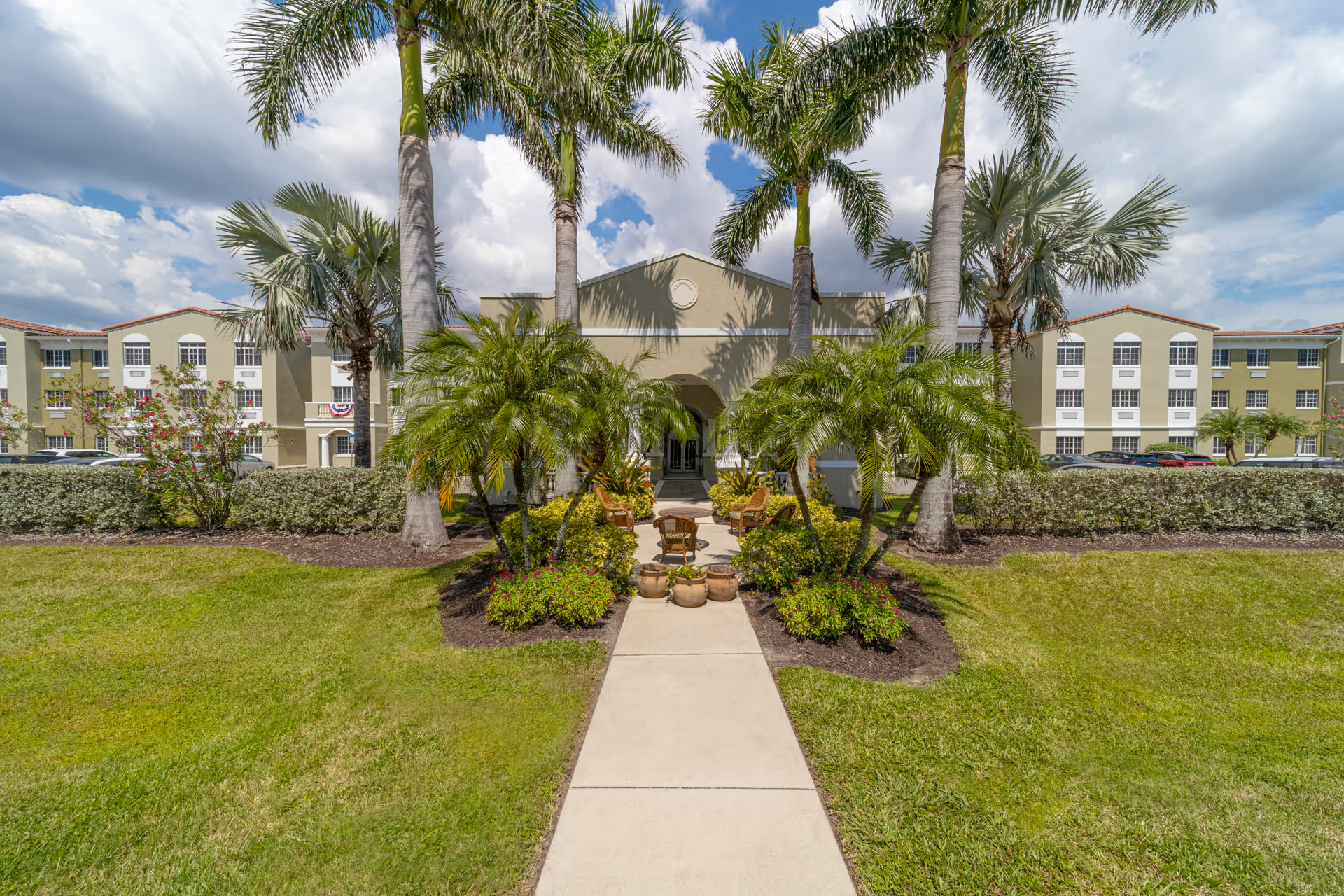
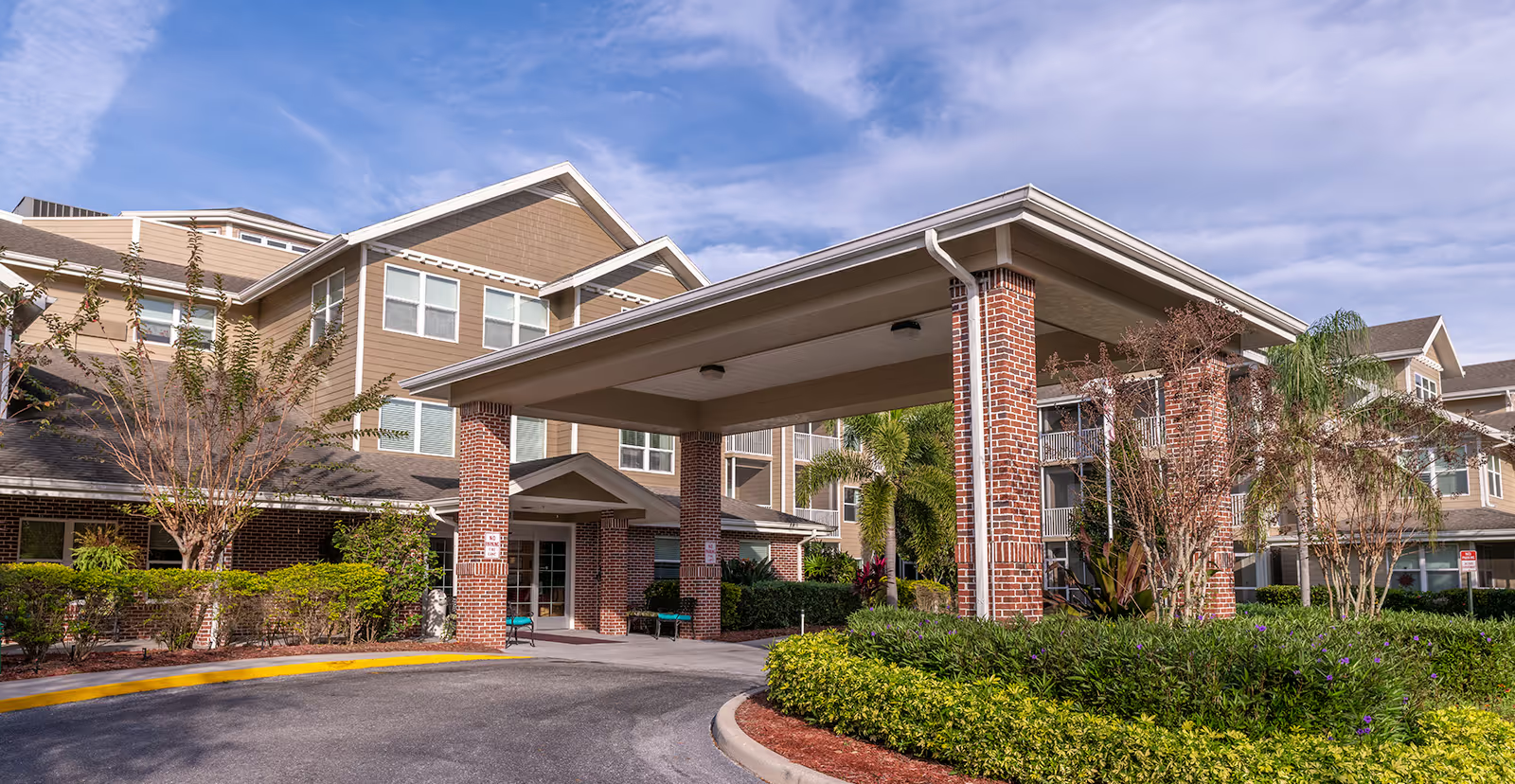
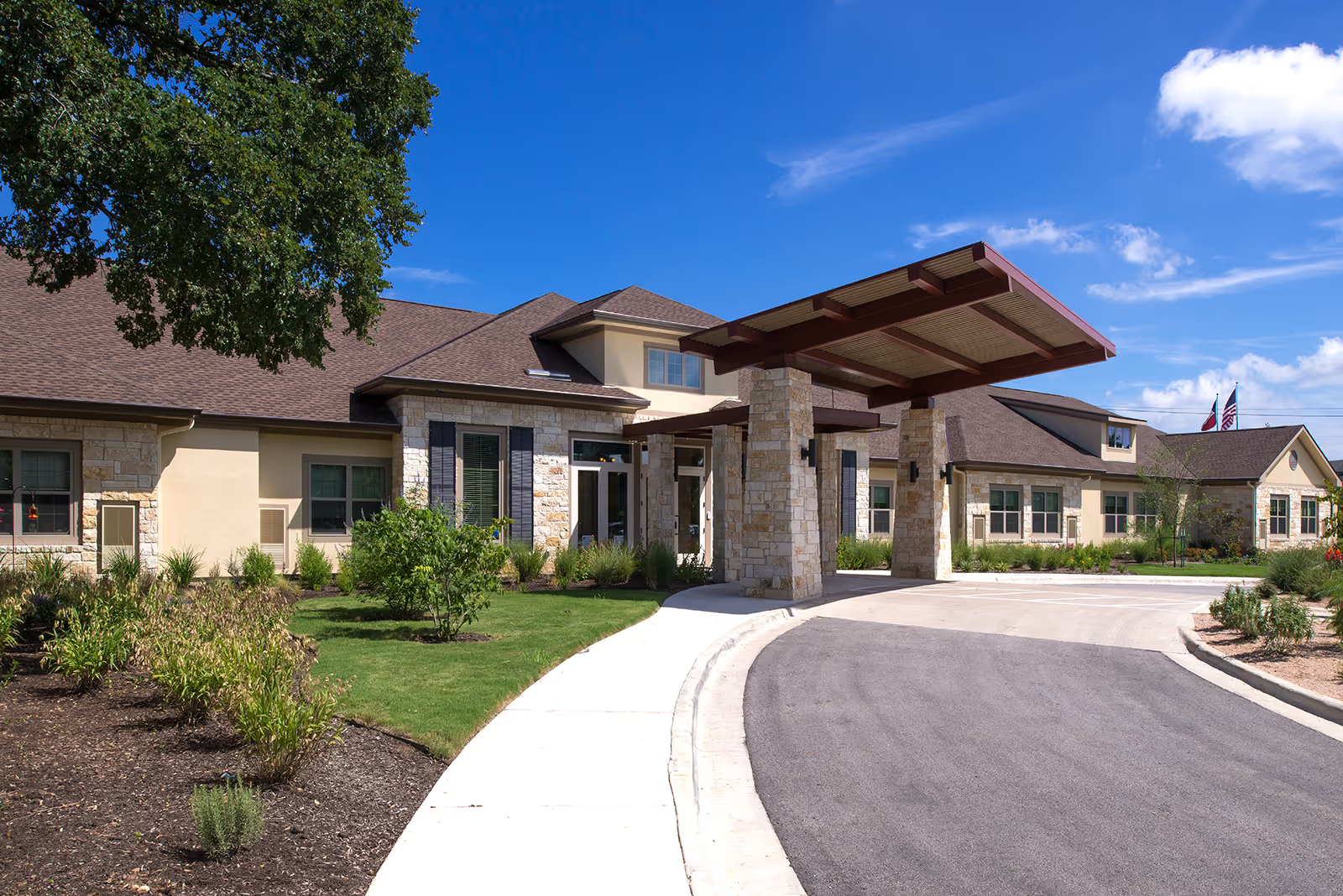
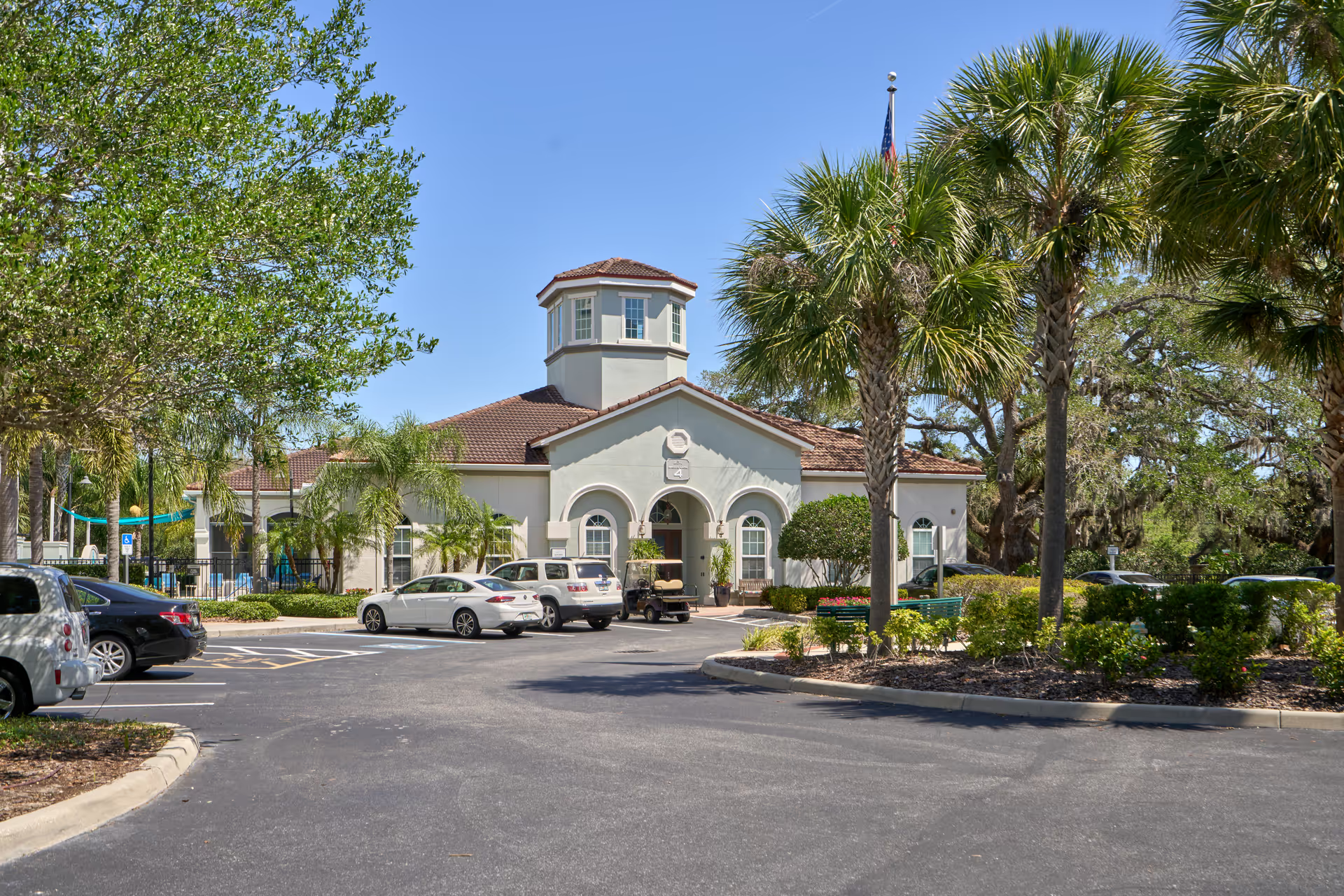
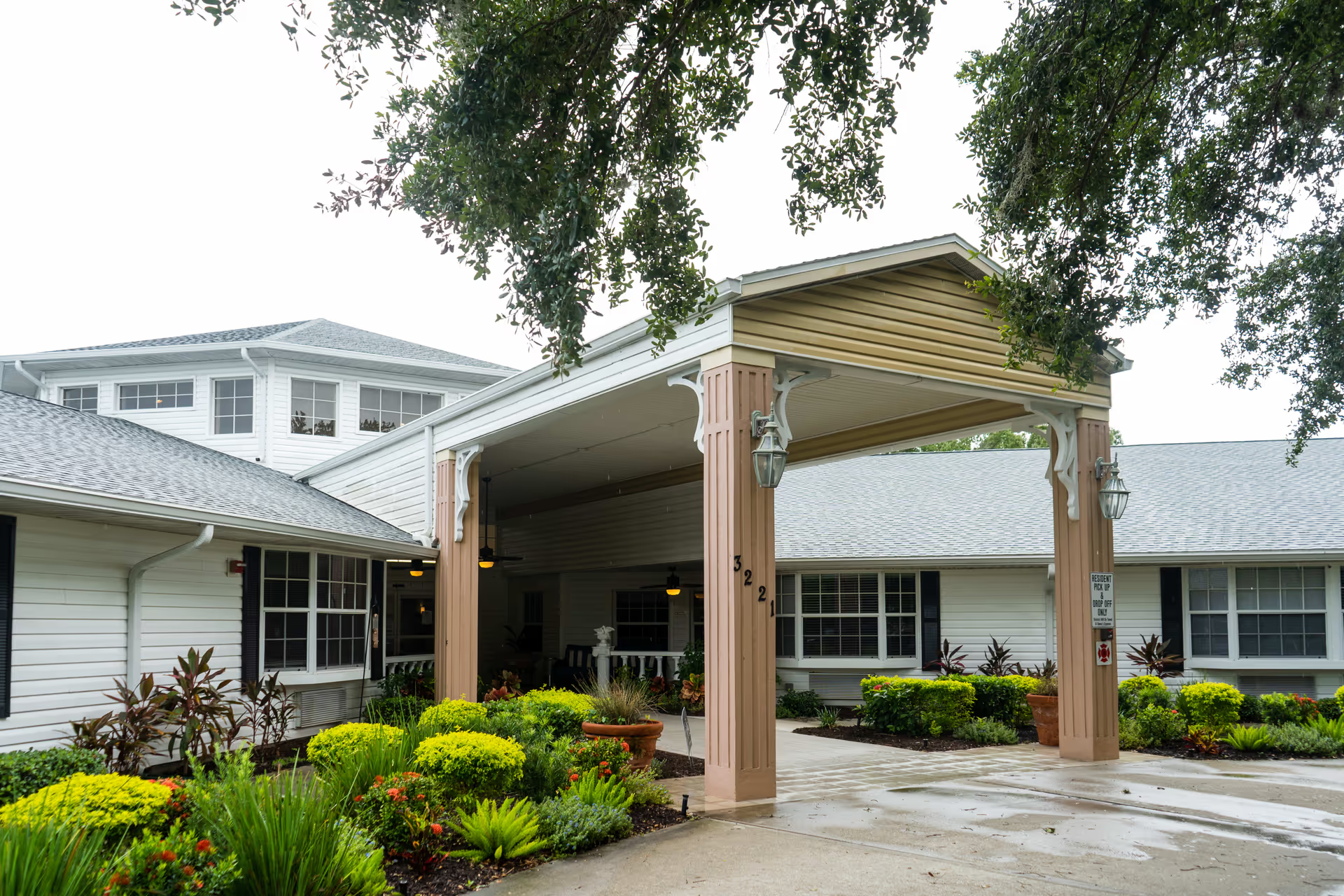
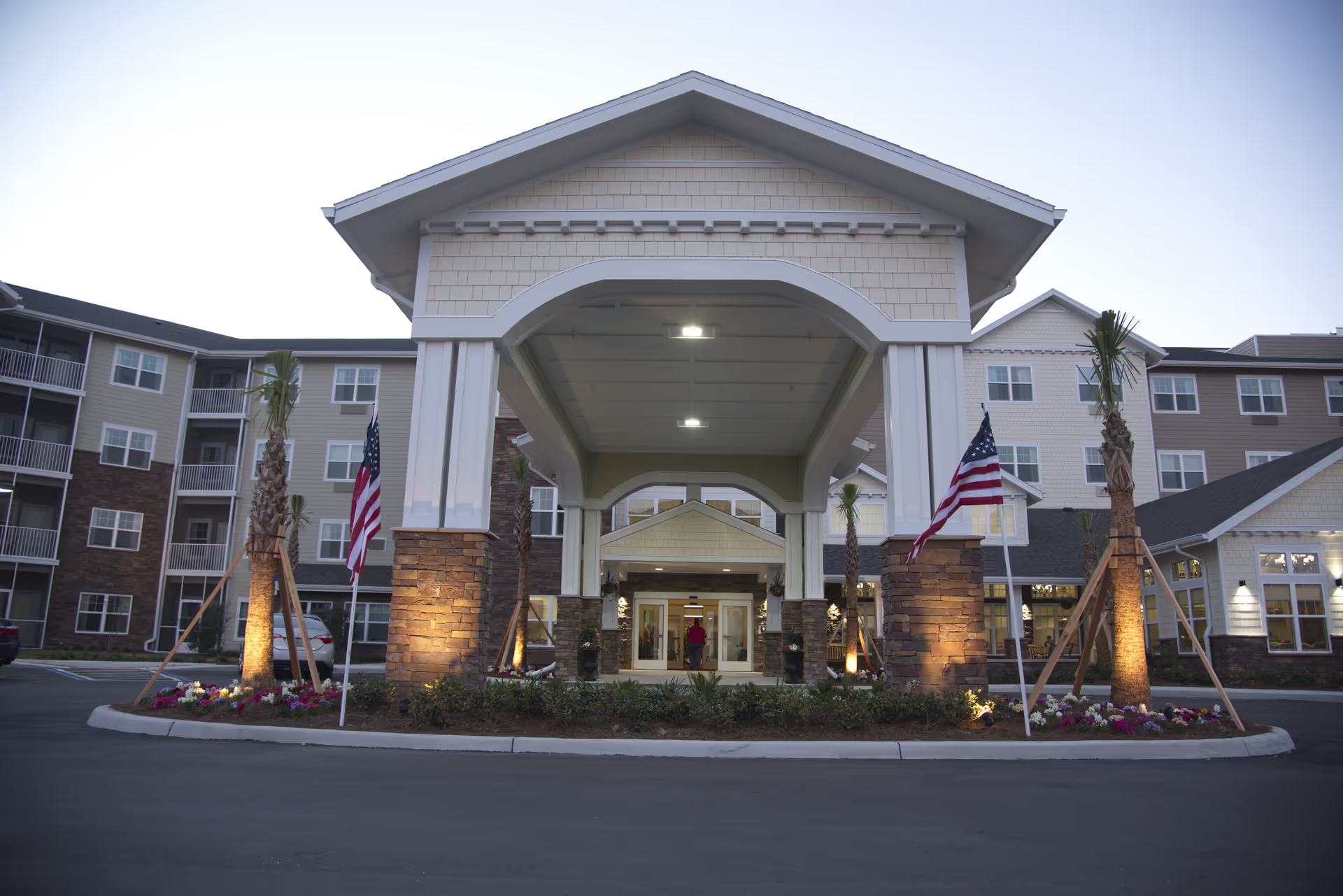
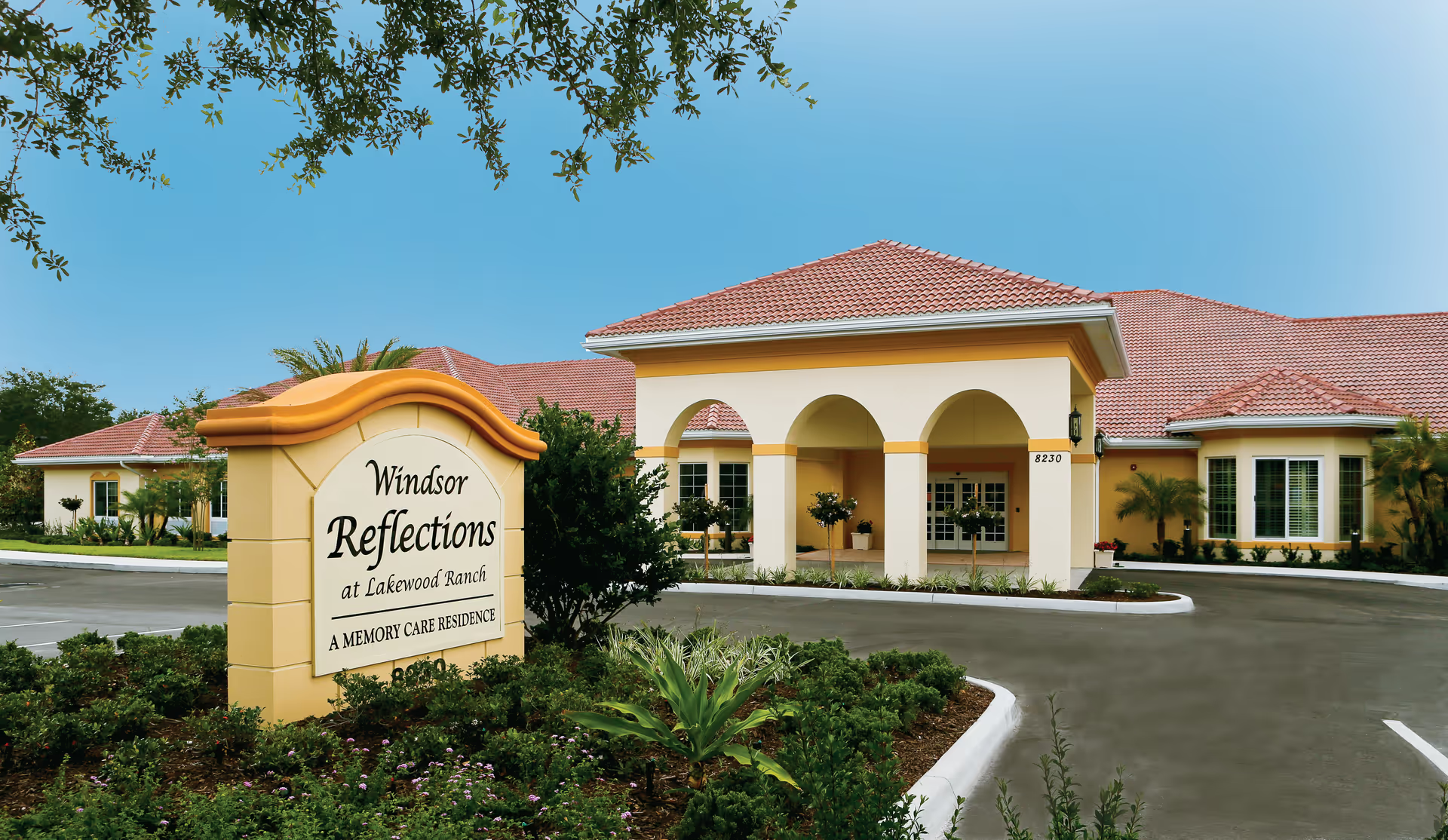
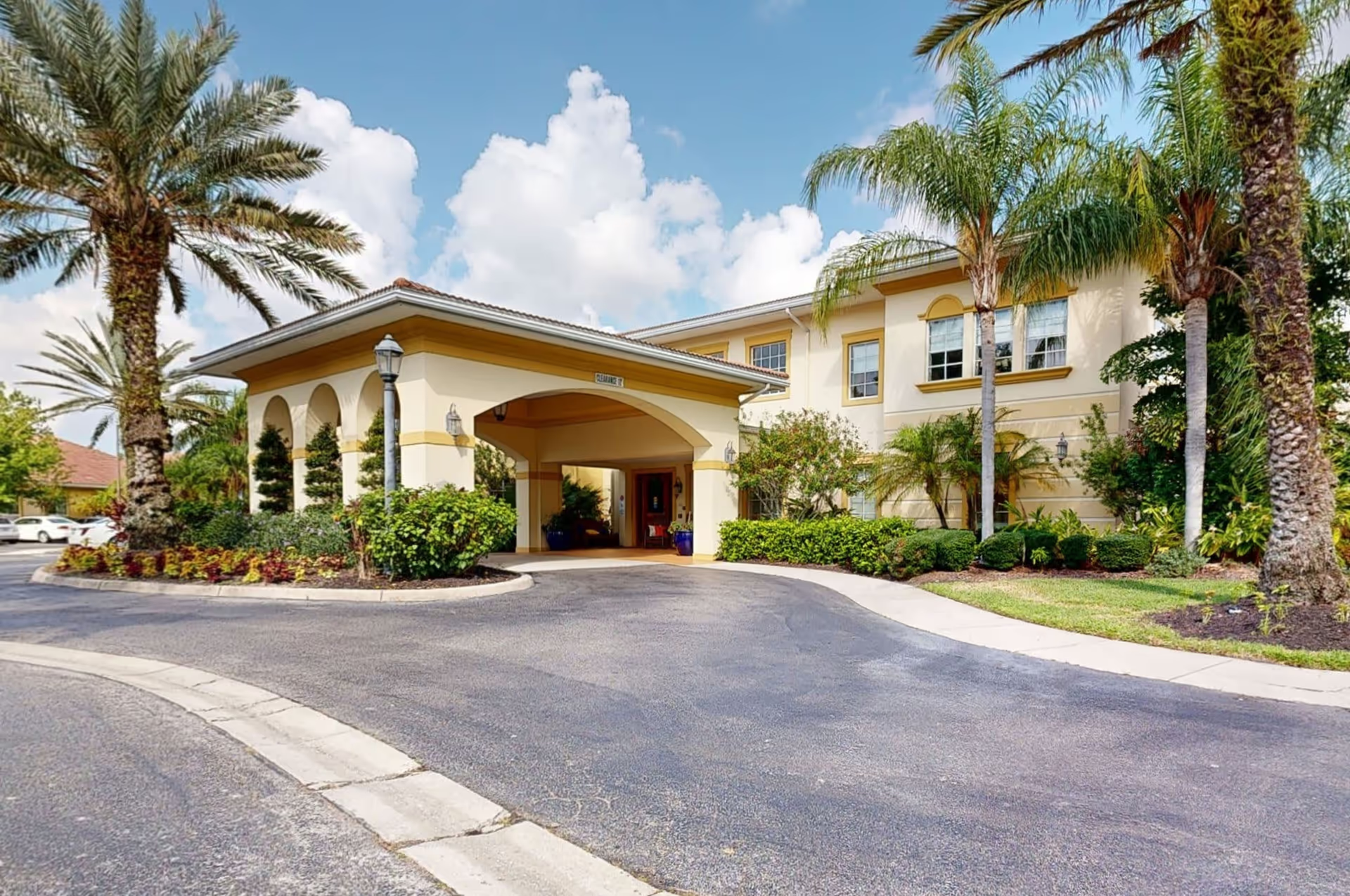
Facility and campus features are frequently cited positively: attractive landscaping, renovated common areas, upcoming multipurpose spaces, pool, fitness center, and apartment designs with kitchenettes and in‑unit hookups. However, other comments describe sections that need renovation, cleanliness inconsistency (including carpeting and unit upkeep), and complex building layouts that create long walking distances for some residents. These differences suggest a mixed capital-maintenance profile; an in-person walk-through of the specific buildings and units of interest is advisable.
Management and finances are a recurrent theme. The community’s nonprofit and Jewish-friendly identity is a selling point for many, but there are also concerns about how that cultural emphasis is communicated and whether it aligns with all prospective residents. Financial issues include high upfront administrative fees, rising monthly charges, occasional billing disputes, and perceived lack of transparency about program costs and promised unit allocations. Families should request written disclosures about fee structures, escalation clauses, and dining/faith-related service commitments before committing.
Bottom line: Aviva presents as a well-resourced community with strong clinical services, an engaging activity program, and many satisfied long-term residents. It may be particularly well suited to those seeking Judaic-oriented services, varied programming, and on-site medical supports. Prospective residents and families should validate current staffing and maintenance status, confirm dining and religious-service policies, and obtain clear, written financial terms to ensure alignment with expectations and budget.