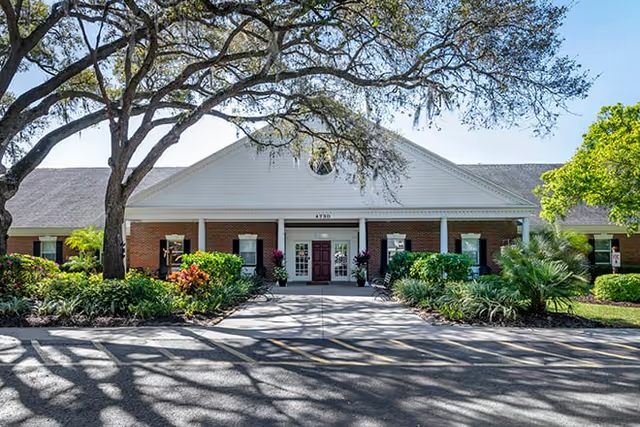
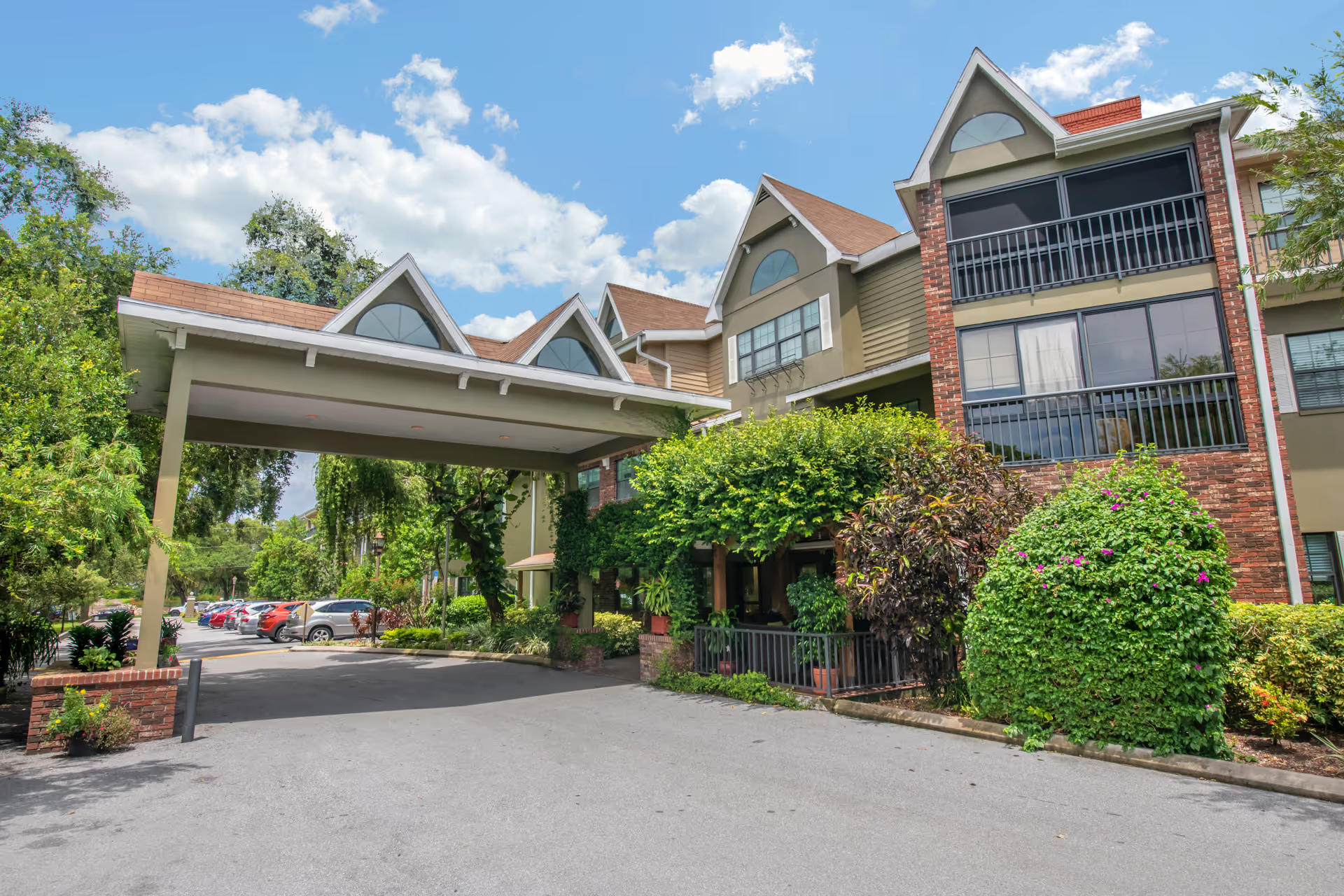
The reviews present a polarized picture of Creekside Health & Rehabilitation Center: many families and patients praise the facility’s rehabilitation strengths and the compassion of frontline staff, while a distinct subset raises serious operational and clinical concerns. Strengths most consistently mentioned include an effective therapy team (physical, occupational, and speech therapy) that has helped many patients regain mobility and return home, welcoming admissions and transition processes, and several long-tenured, highly regarded clinicians and aides. The dining room, therapy gym, and some communal areas are frequently described as clean and functional, and the facility’s willingness to work with hospice and insurers is noted positively.
Clinical-quality themes are mixed. Positive outcomes are tied to strong therapy programs and several nurses and CNAs who families found attentive and communicative. However, multiple reviews describe problems with medication administration timing, medication documentation, and coordination of physician orders. There are repeated mentions of delays or inconsistencies in wound and device-related care (catheter/PEG), variable monitoring of fluid intake and nutrition, and several accounts of clinical changes that required emergency transfer. These accounts point to gaps in clinical-monitoring, escalation processes, and medication-management controls rather than isolated administrative oversights.
Staffing and staff conduct emerge as a major driver of divergent experiences. Many reviewers highlight compassionate, helpful staff members and positive, family-like relationships; specific therapy and nursing staff receive repeated praise. At the same time, others report rude or unprofessional interactions at the reception or social-service level, inconsistent responsiveness to call systems, and frequent use of agency or per-diem staff that can disrupt continuity of care. Families noted both improvements under new leadership and ongoing variability in staff behavior and availability.
Dining, activities, and the residential environment are similarly mixed. Several reviewers praised improved menus, a chef-led kitchen, and engaging activities; others describe cold or sparse meals, limited fresh produce, and inconsistent adherence to dietary orders. Facility maintenance comments range from ‘‘clean and well-run’’ to concerns about worn furnishings, electrical and parking-lot issues, and missing safety features such as adequate bed rails and floor pads. Housekeeping and laundry services are commended in many accounts, but sanitation and housekeeping inconsistencies — including odor concerns and linen shortages — appear in other reports.
Management and communication are uneven. Positive notes include helpful admissions contacts, clear therapy updates, and improved family communication under some administrators. Conversely, several reviews cite delayed or inadequate discharge planning, inconsistent family outreach after clinical events, and limited corporate-level responsiveness. A few reviewers raised privacy and documentation-process concerns that warrant verification.
Notable patterns for prospective residents and families: the facility has demonstrable strengths in rehabilitation and several highly valued caregivers, which support good outcomes for many patients. At the same time, there are recurring operational issues — medication and clinical-monitoring controls, staffing variability, sanitation/housekeeping inconsistencies, safety-process gaps, and meal consistency — that have had meaningful effects on patient experience in a subset of cases. Visitors should consider in-person observation, ask specific questions about medication administration policies, staffing ratios and agency use, fall-prevention and device-care protocols, infection-control procedures, and recent management or quality-improvement initiatives before making placement decisions.