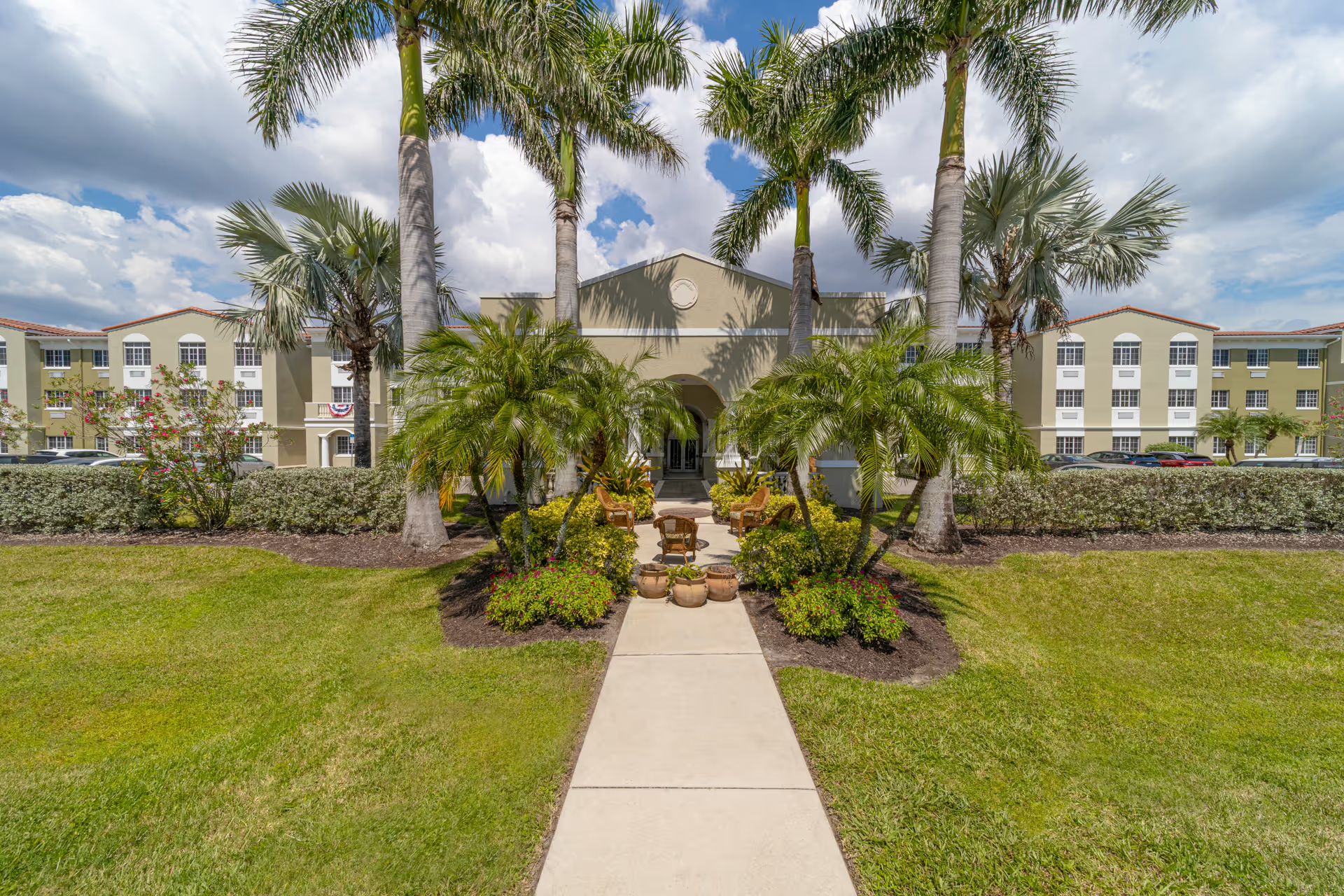
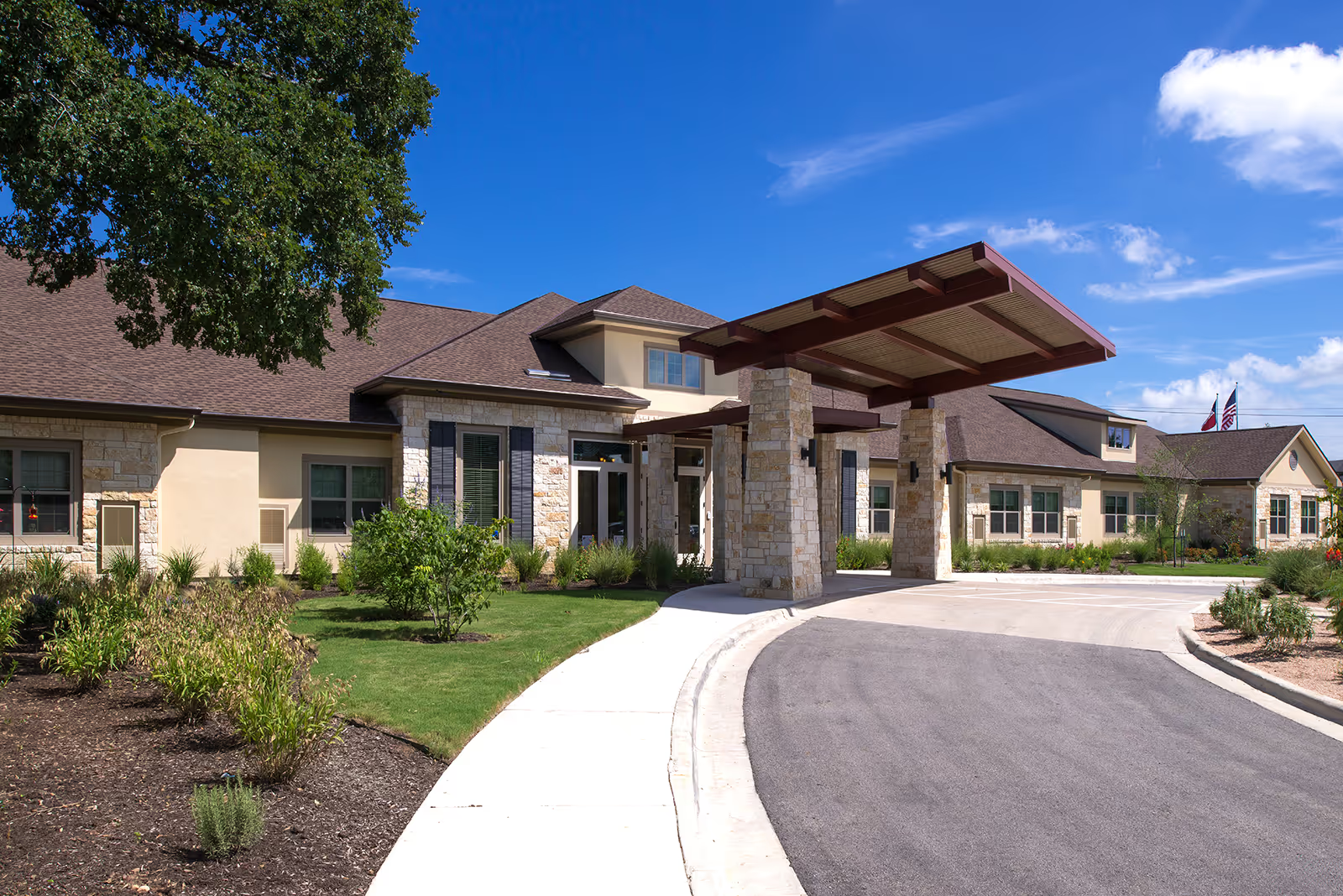
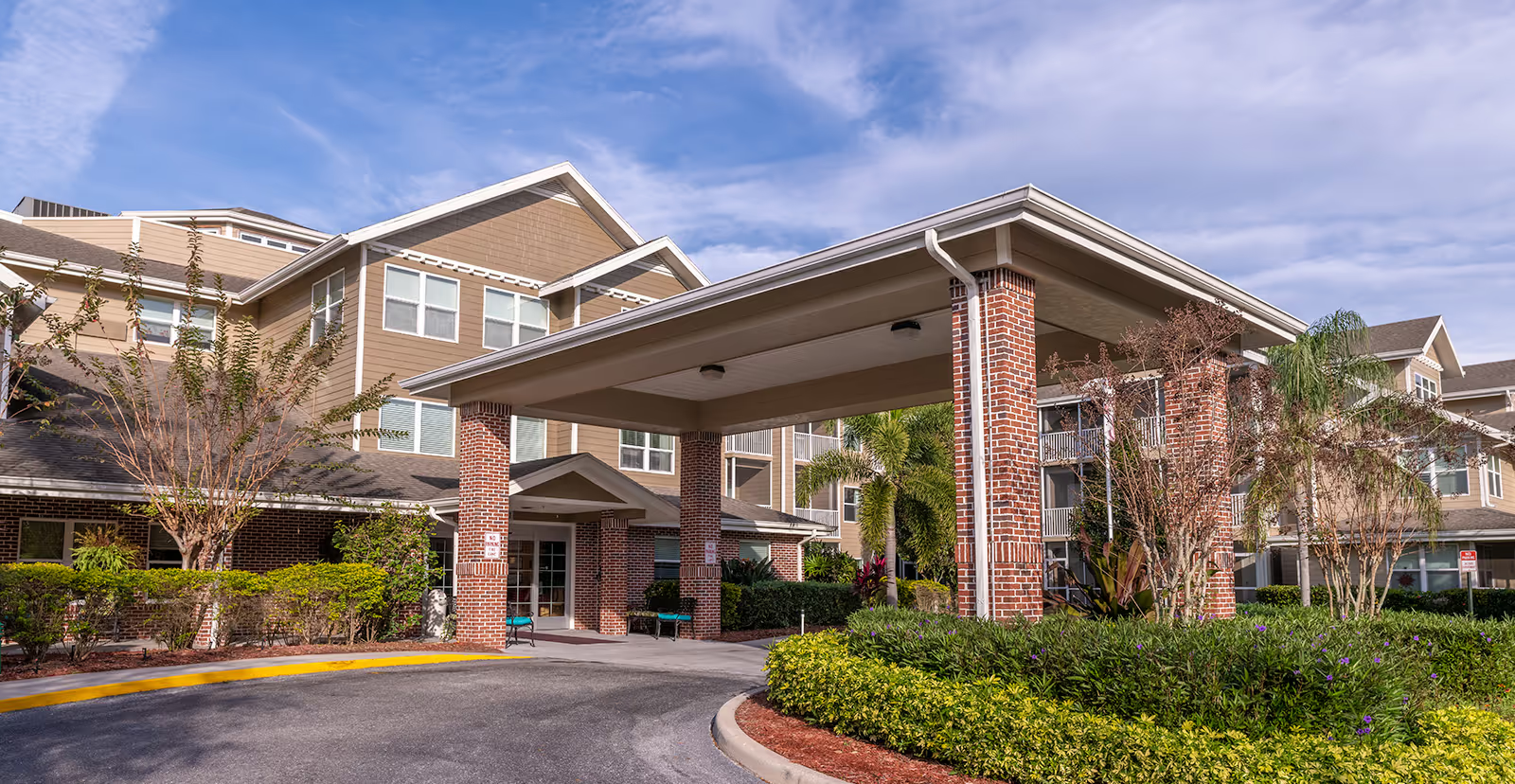
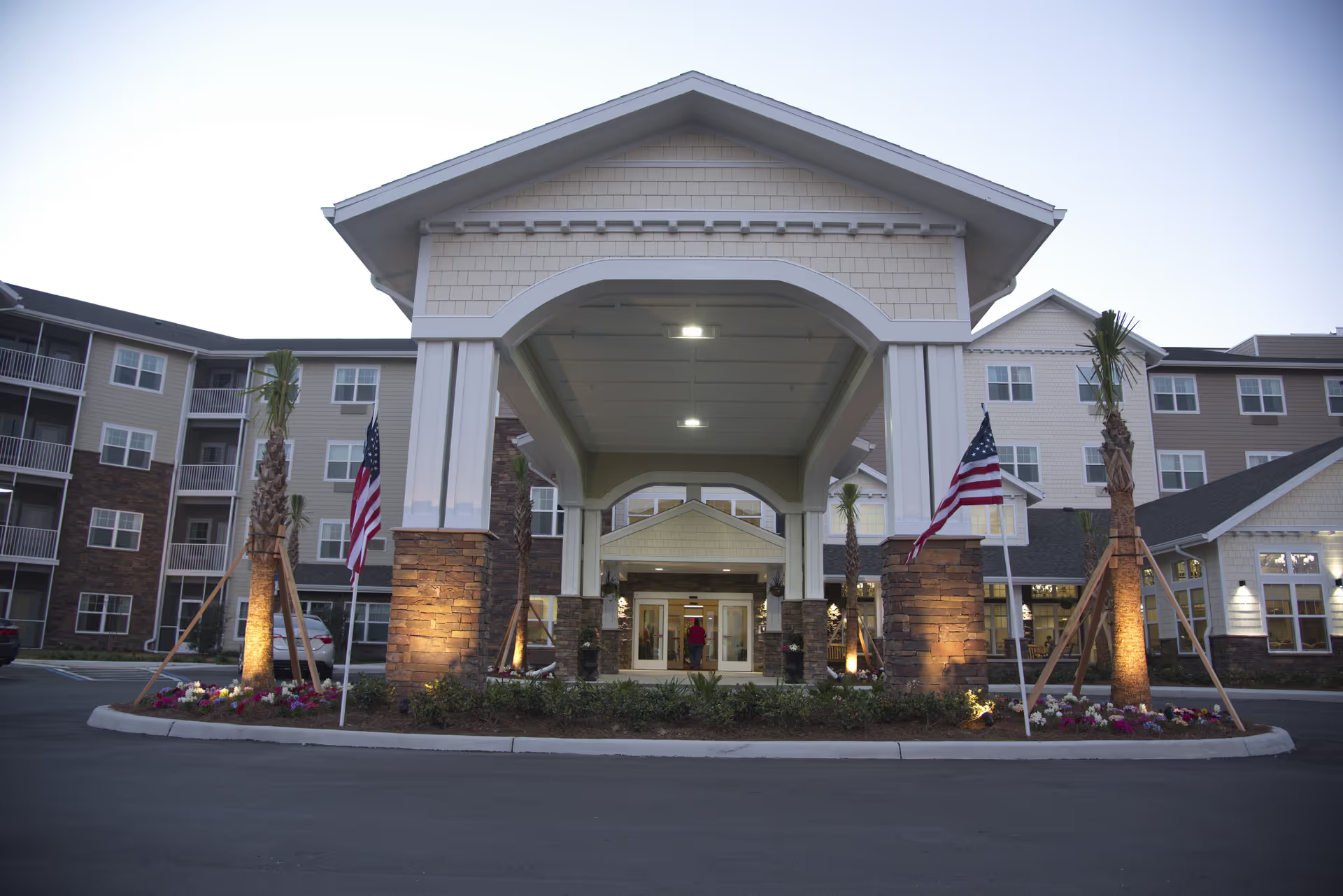
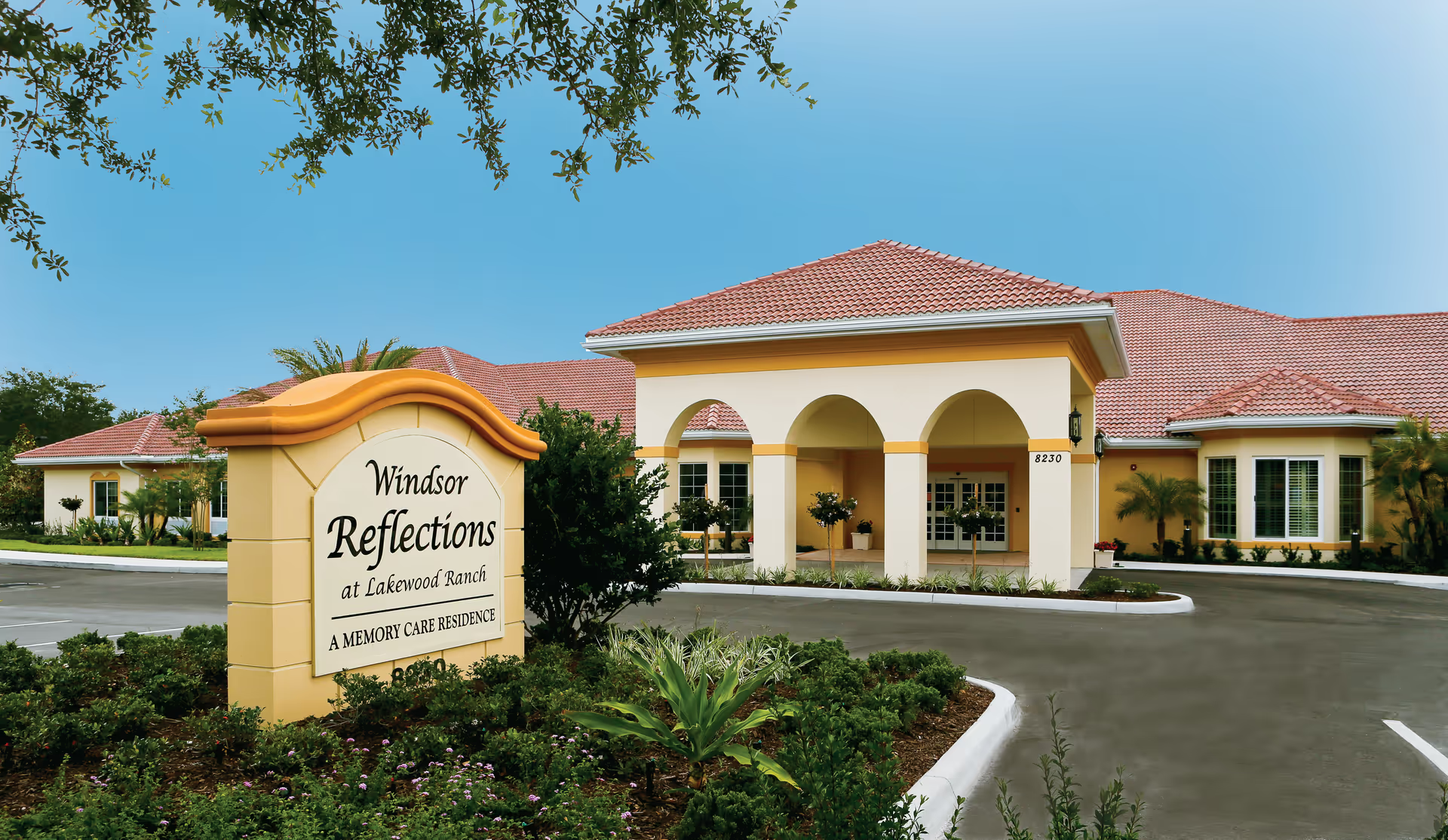
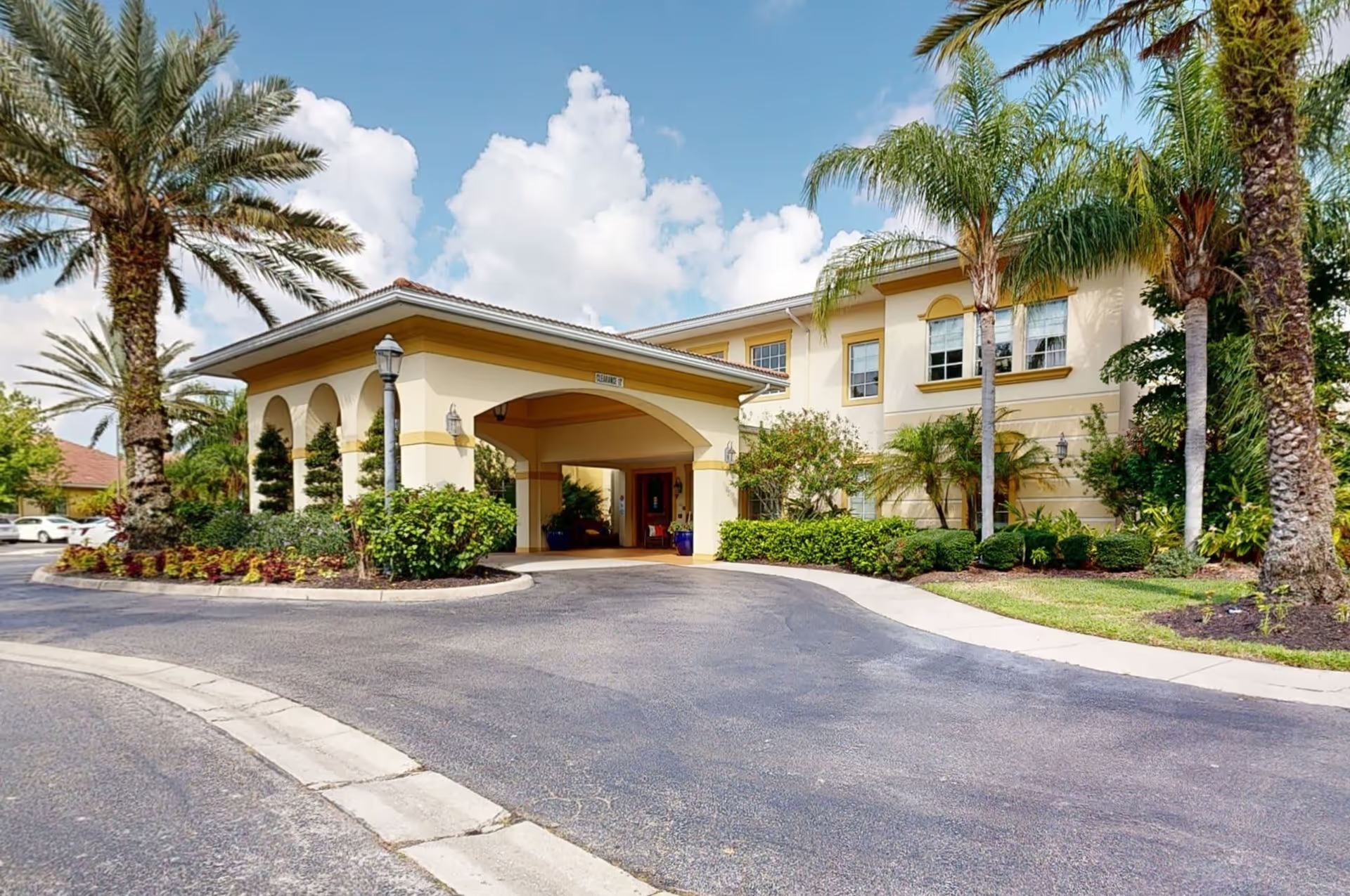
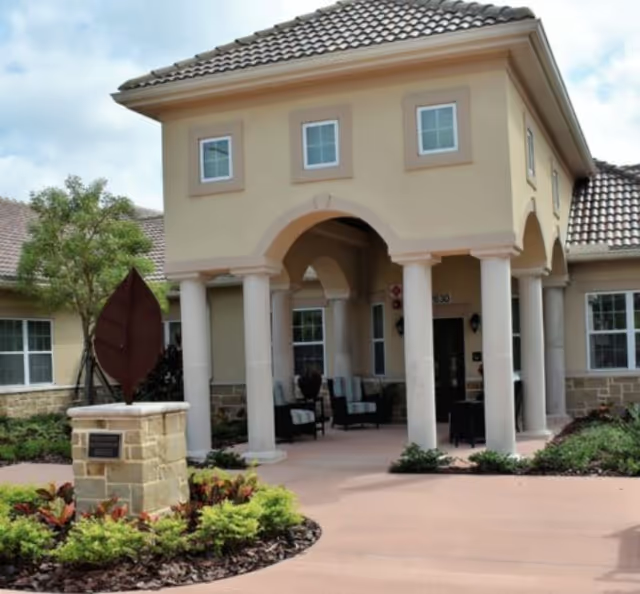
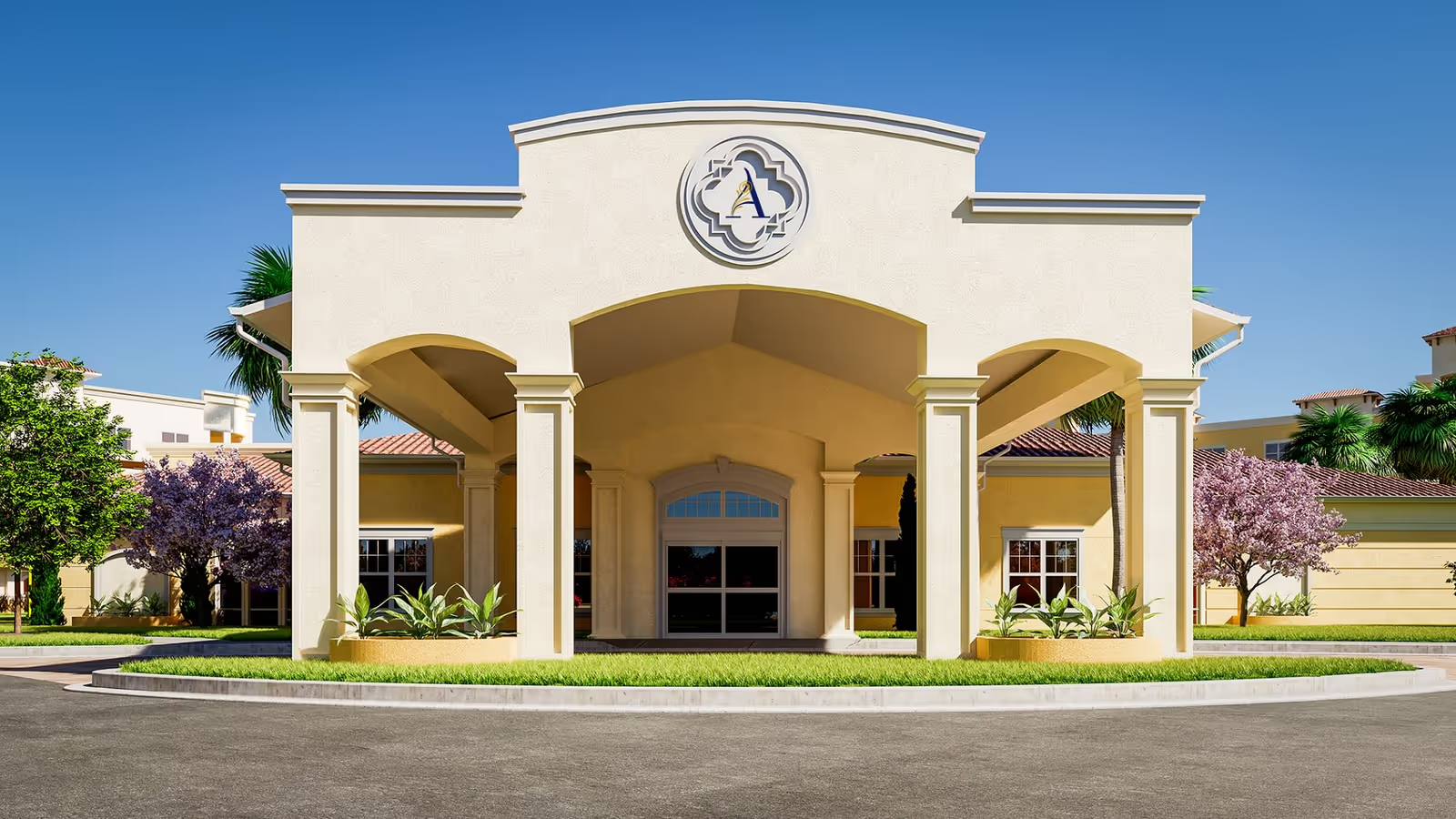
Overall impression: Hawthorne Center for Rehabilitation and Healing of Sarasota is repeatedly described as a modern, attractive facility with strengths in rehabilitation services, wound care, and an environment that many families find pleasant and personalizable. Multiple accounts highlight an aesthetically pleasing building, well‑maintained landscaping, a courtyard and veranda, roomy private accommodations, and multiple common/activity spaces that support social engagement. Several reviewers cite strong physical and occupational therapy teams and successful returns-to-home following rehab stays.
Care and clinical services: Clinical quality assessments are mixed. Numerous reviews praise therapists, wound-care clinicians, and bedside treatments that helped residents improve function. At the same time, a consistent theme is variability in nursing responsiveness and medication timing — including slow responses to call lights and occasional delays in pain‑medication delivery. Some families experienced effective, attentive nursing and 24‑hour coverage, whereas others described gaps in staffing patterns that appeared to affect responsiveness, particularly overnight. There are also recurring concerns about staff training and scope oversight, including questions about aide responsibilities and broader clinical supervision.
Staff and management: Many reviewers describe individual staff members and teams as kind, respectful, and deeply invested in residents’ well‑being; social-work and admissions staff receive repeated positive mention for coordination and communication. Conversely, management and administrative communication are areas of concern: reviewers describe variable responsiveness from leadership, inconsistent follow‑up on billing and family inquiries, and perceptions of an unstructured or abrupt administrative style. There are also isolated but serious allegations about incident handling and post‑incident communication; these raise concerns about incident‑response transparency that prospective families should clarify directly with facility leadership.
Dining, activities, and environment: Dining impressions vary. Some families report flavorful meals, good nutrition, and a cafe‑style dining experience, while others experienced cold or overly salty meals and occasional order inaccuracies. Activities are a notable strength for many residents — music, games, and courtyard programming were cited as contributing to a home‑like atmosphere and social connection — though some reviewers found activity follow‑through inconsistent. Environmental issues that recur include localized sanitation and housekeeping inconsistencies, pest‑control concerns, and HVAC problems on upper floors; prospective residents should verify unit‑level conditions during a visit.
Notable patterns and guidance for families: The dominant pattern is a facility with tangible strengths in therapy, wound care and an inviting physical environment, paired with variability in nursing responsiveness, staffing consistency, and administrative communication. Positive experiences often hinge on particular shifts or teams; negative experiences tend to involve slow response times, food inconsistencies, and lapses in environmental controls. Prospective residents and families should tour the specific unit, ask about night staffing ratios and call‑light response metrics, review recent inspection and staffing records, clarify medication‑administration protocols, and discuss incident‑reporting and family‑notification procedures before making decisions.