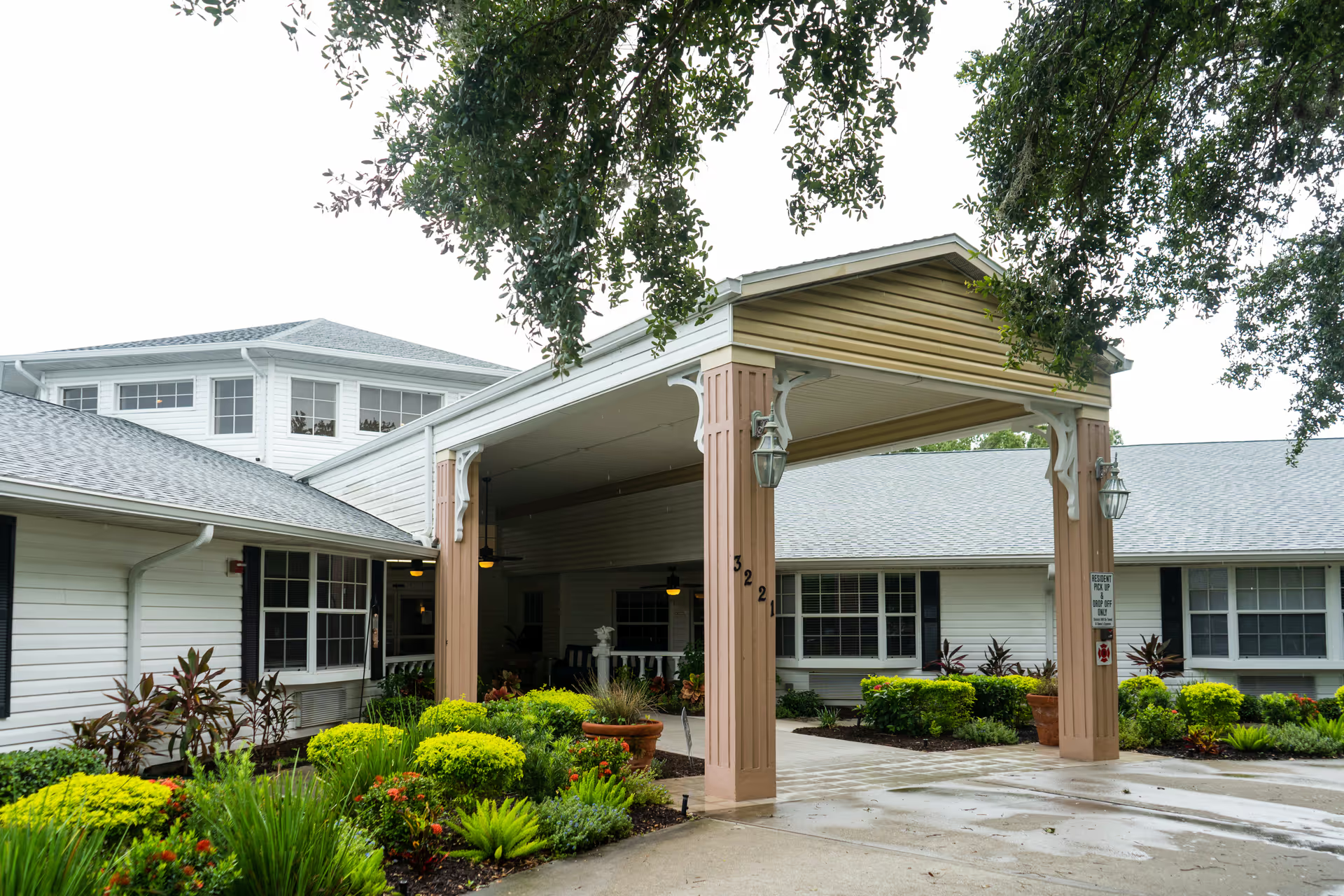
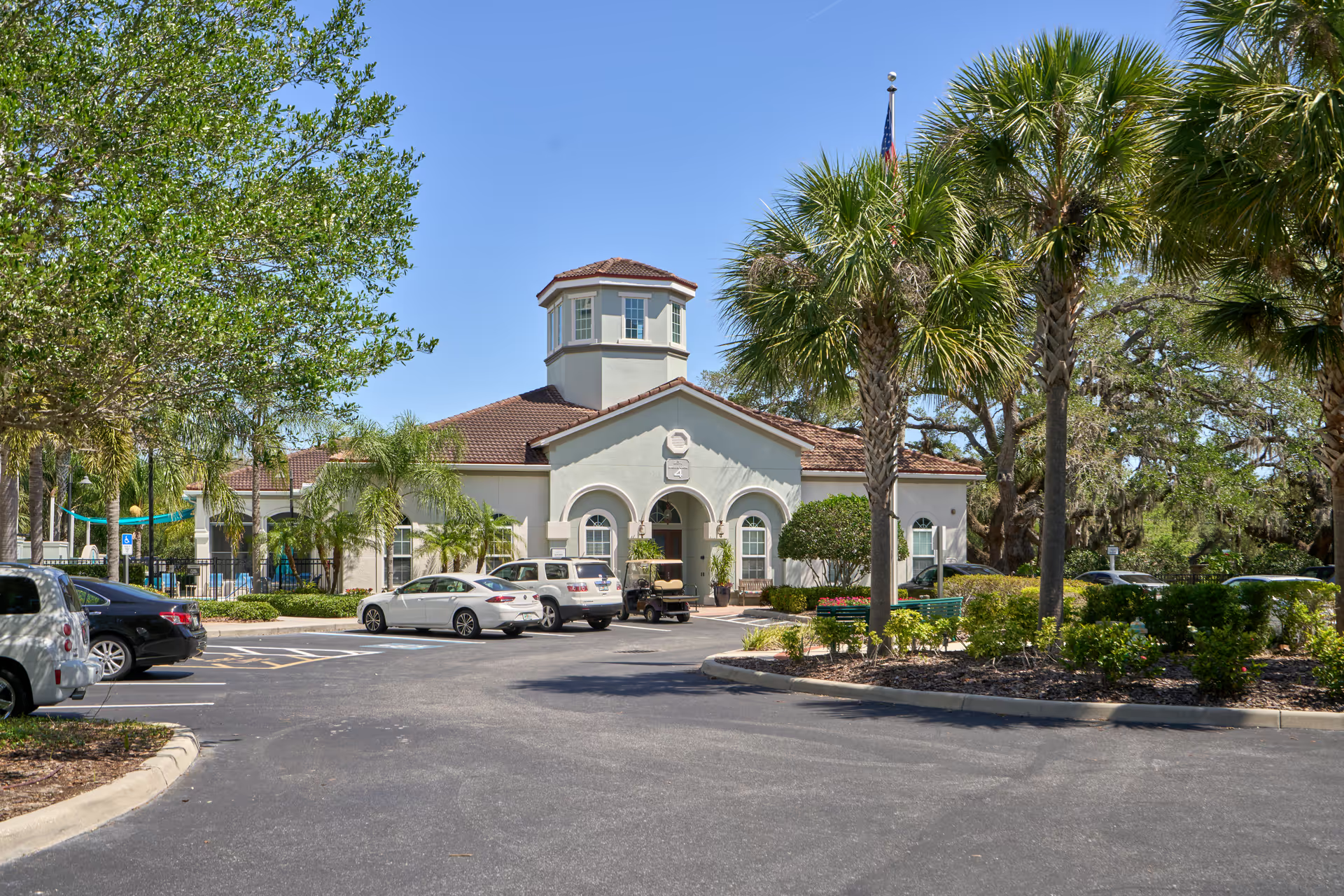
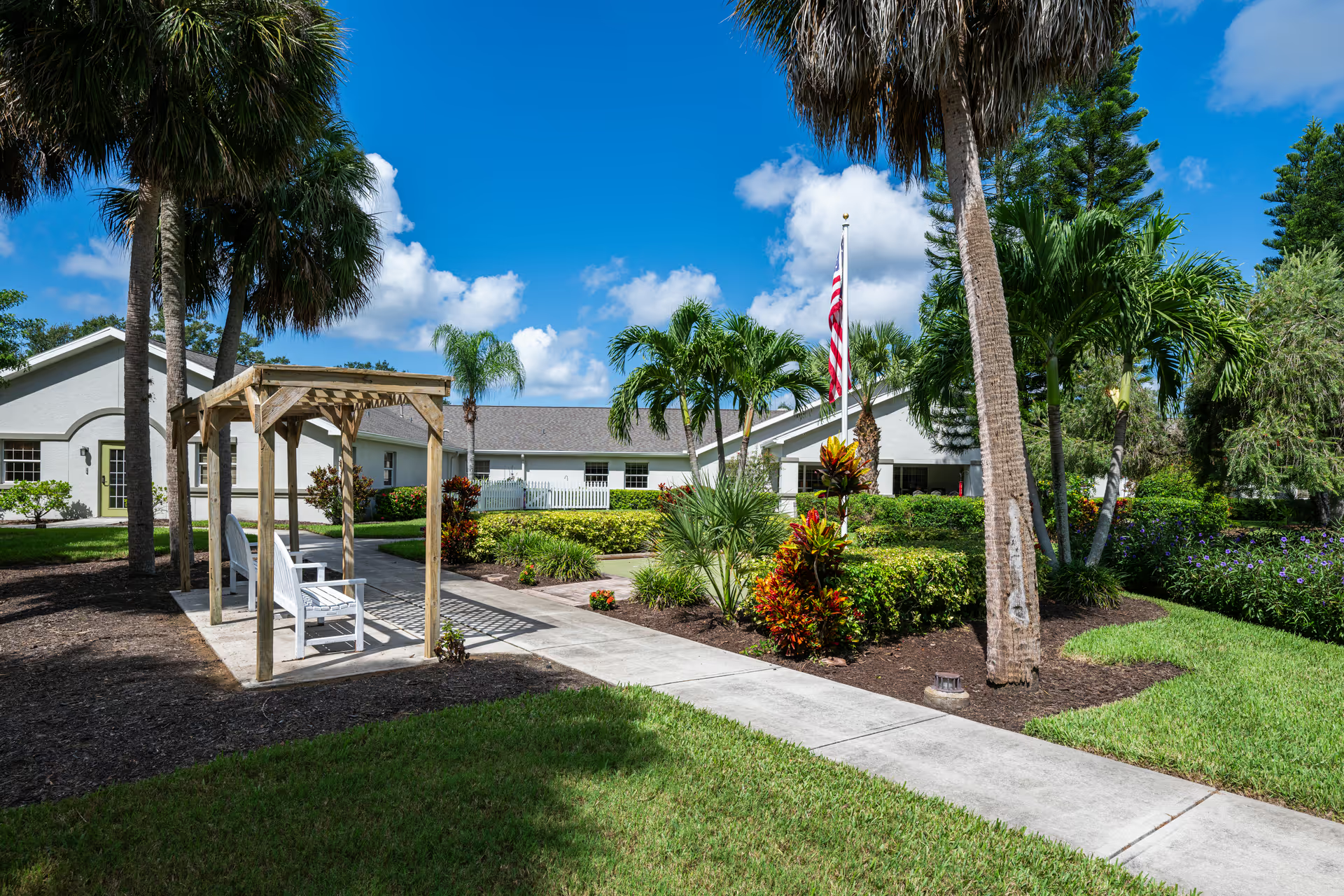
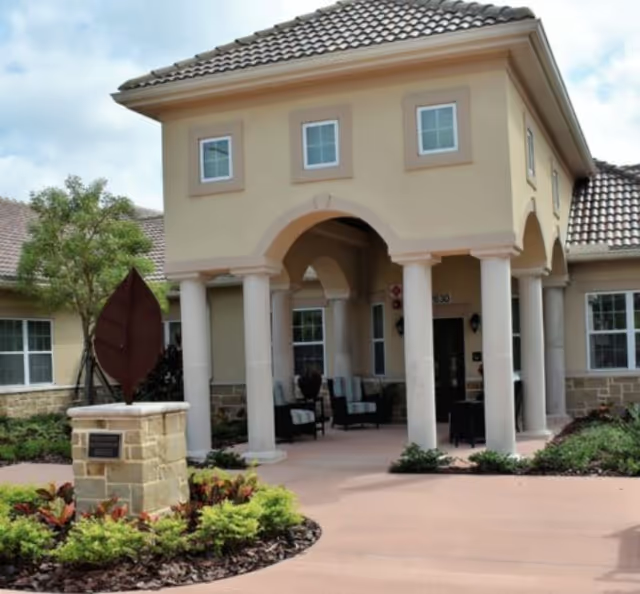
Plymouth Harbor on Sarasota Bay presents as a well-appointed, resort-like continuing care community with distinctive strengths in location, amenities, and social programming. Reviewers consistently highlight the waterfront setting and expansive bay views, along with meticulously maintained grounds and communal spaces. The campus offers a broad range of on-site amenities — including a theater, art studio, wood shop, extensive library, salon, guest apartments, indoor and outdoor pools, and active fitness programming — that support an engaged, culturally oriented lifestyle. Transportation services, valet/concierge support, and proximity to local attractions are additional assets for residents who remain active in the wider community.
Dining and daily living are frequent points of praise. Several comments emphasize high-quality, varied meals developed by a chef and dietitian, multiple dining options, and attentive restaurant staff. Independent living apartments and common areas are described as clean and personalized, and many residents appreciate concierge-style services and accessible rehabilitation and skilled-nursing care on campus. The community’s breadth of activities — fitness classes, swimming instruction, dance, arts and crafts, and organized cultural outings — is a clear strength for people seeking an active lifestyle.
Care and staffing receive generally favorable remarks about compassion and familiarity; staff members are often described as warm and knowing residents by name. At the same time, a pattern of variability in staff responsiveness and conduct emerges in the reviews. Specific operational concerns include medication-scheduling inconsistencies and occasional lapses in communication (for example, informational signage and sign-in reminders). There are also references to night-shift interactions and isolated caregiver attitude issues; these suggest unevenness in staff performance rather than uniform problems.
From a clinical-continuum perspective, the campus provides on-site skilled nursing and rehabilitation with strong Medicare ratings noted by reviewers. However, capacity and access constraints are important operational limitations: assisted-living units are limited, waiting lists exist, and some prospective or current residents describe delays when transitioning to higher levels of care. Prospective residents and families should clarify bed-availability policies and expected wait times for care transitions.
Other practical considerations raised include ongoing renovation activity and some aging infrastructure in parts of the facility, small apartment footprints in certain unit types, occasional concerns around parking/security interactions, and relatively high upfront costs that may affect affordability. These issues do not negate the community’s many strengths but are material factors for prospective residents to evaluate alongside the community’s activity offerings, dining quality, and clinical services.
Recommendation: Plymouth Harbor is well suited to independent, active older adults who prioritize location, amenities, and a rich social calendar, and who can accommodate higher entrance and living costs. Families and prospective residents should schedule detailed conversations about assisted-living availability, transition policies between care levels, medication-administration procedures, staff-shift consistency, and any renovation timelines to ensure the community’s operational realities match their care and lifestyle expectations.