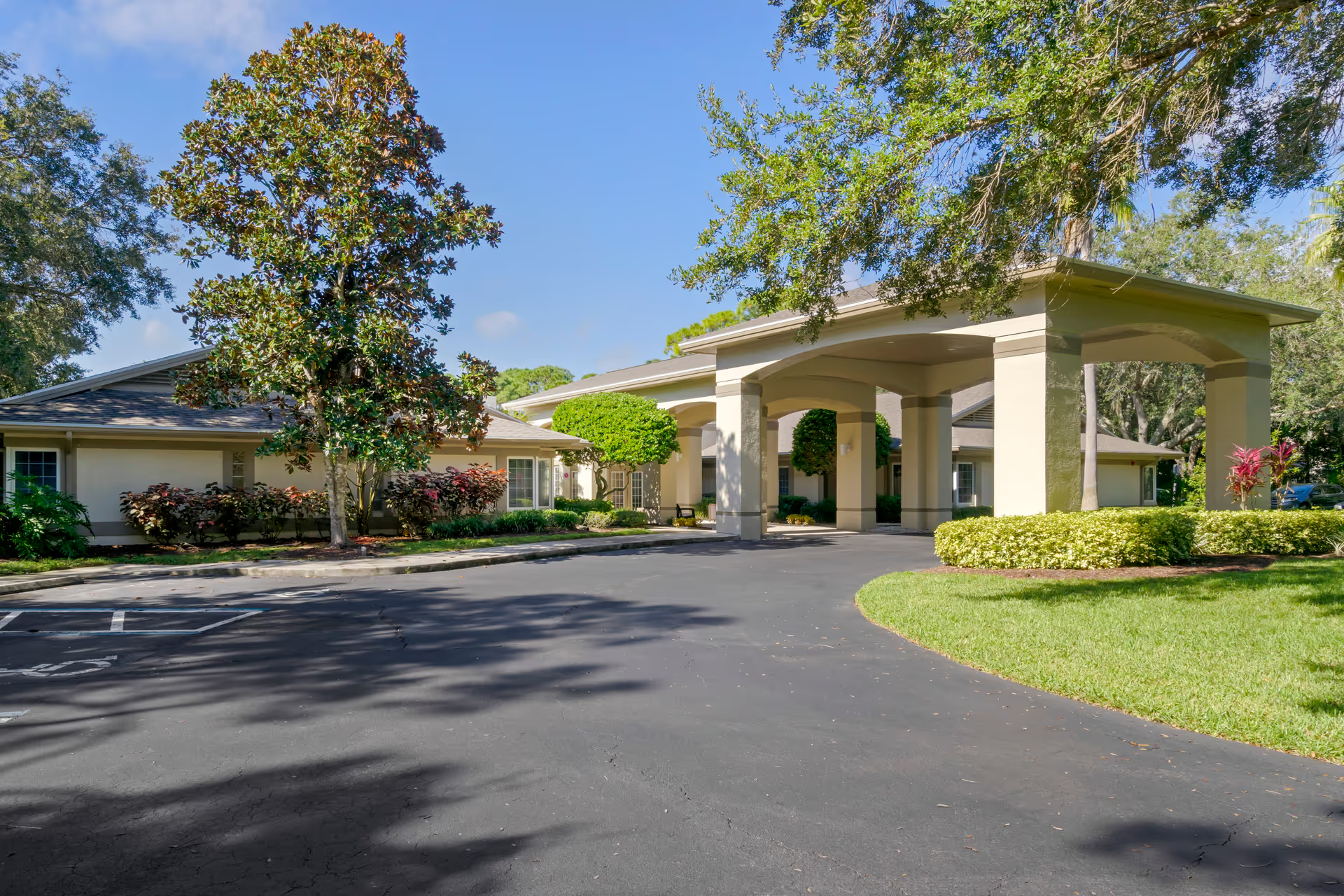
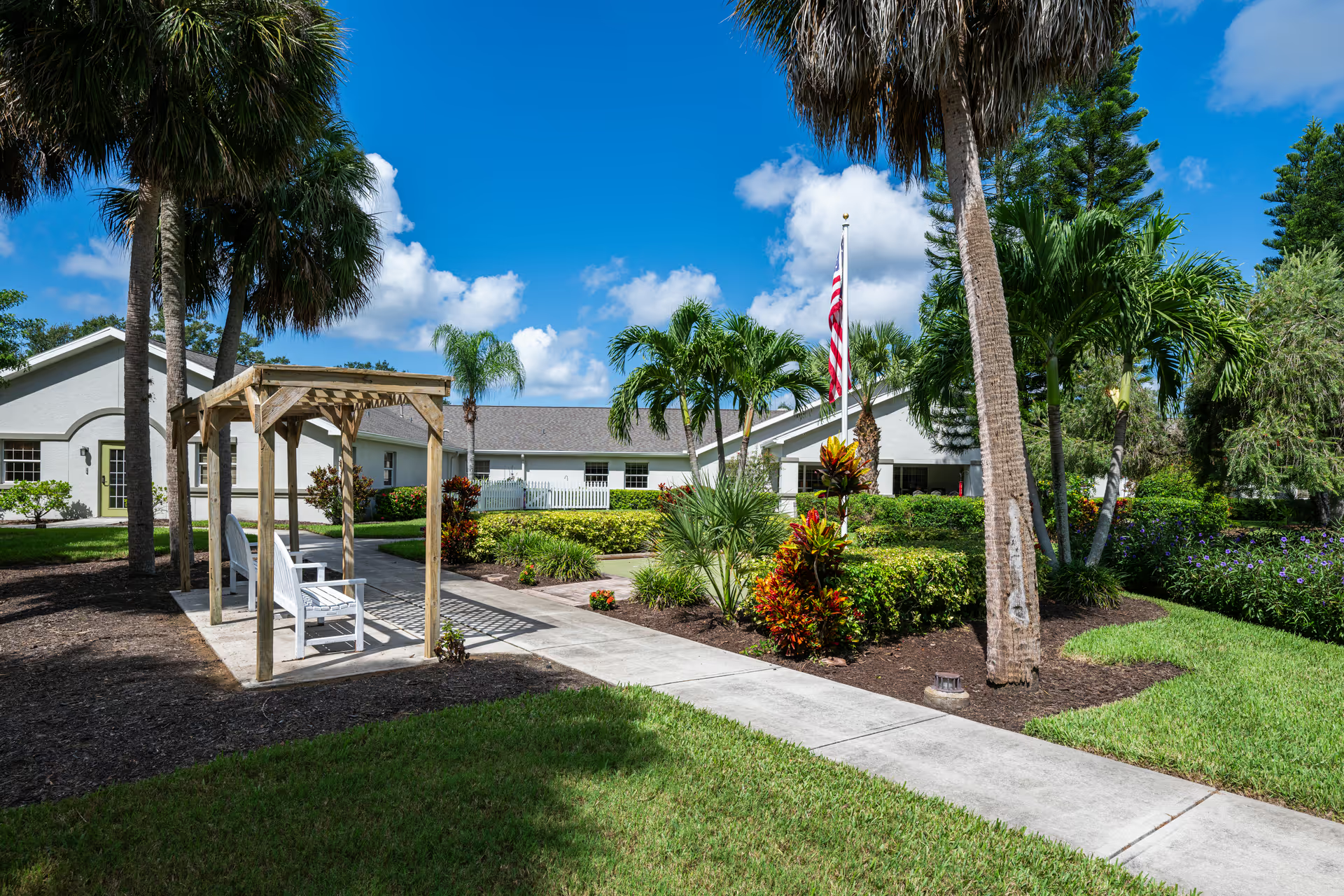
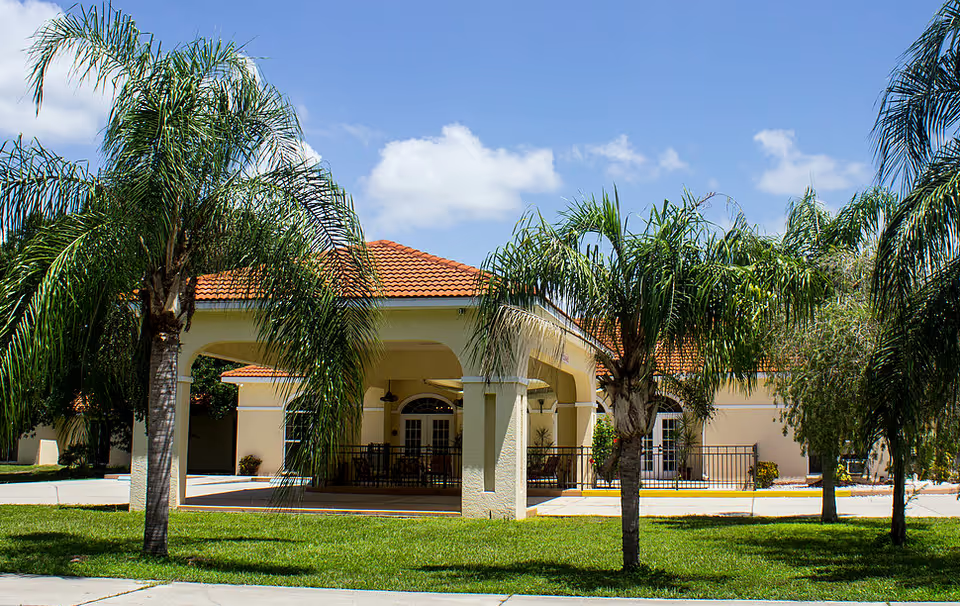
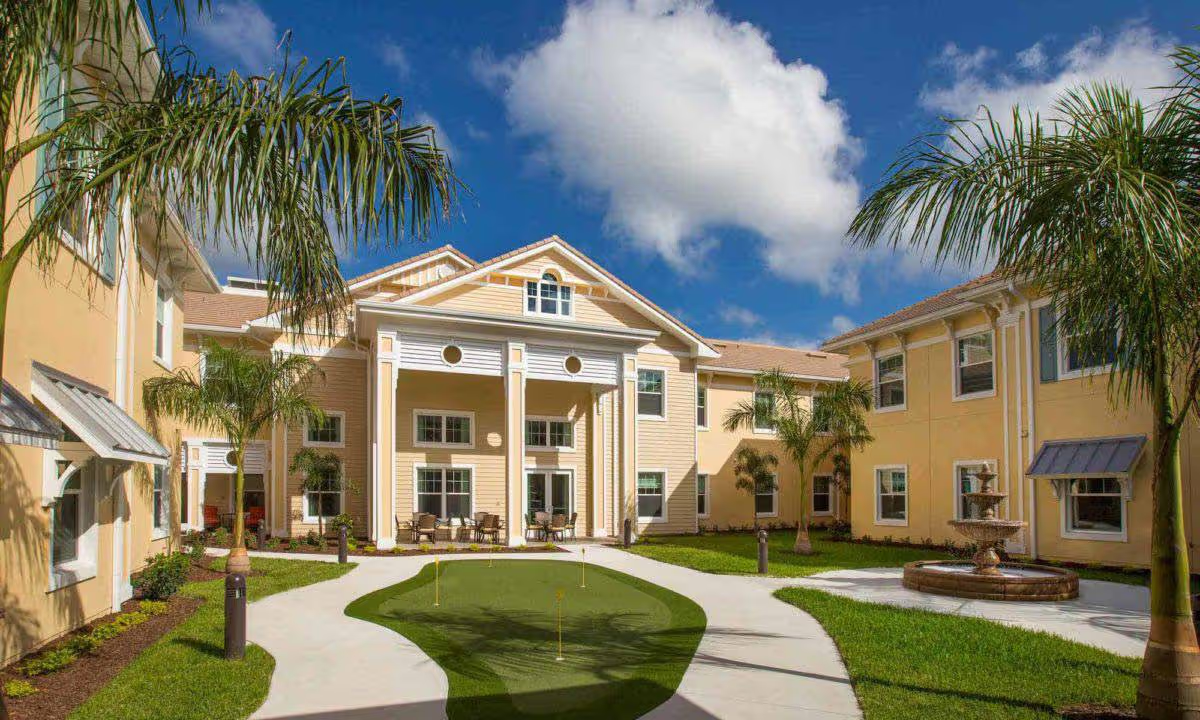
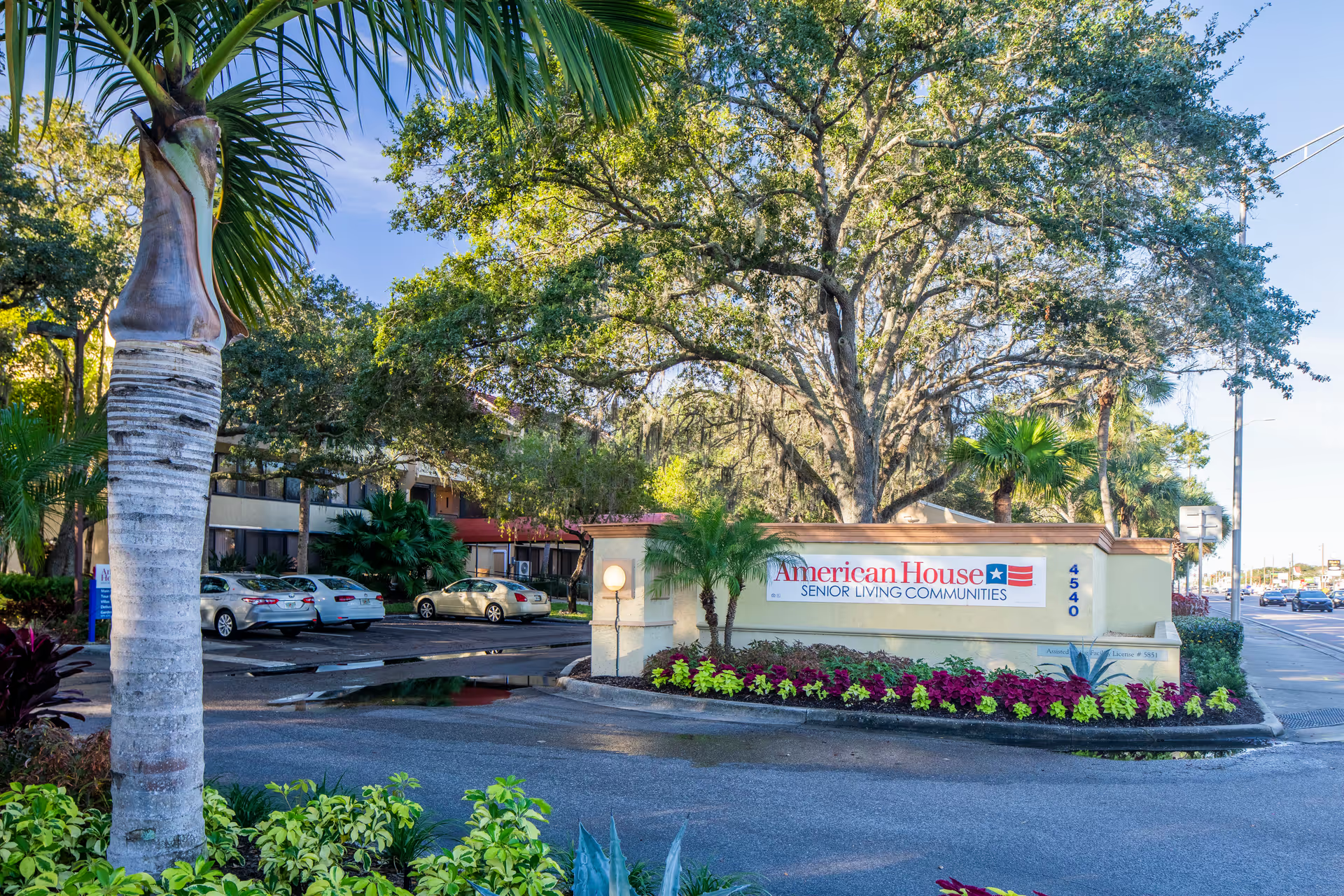
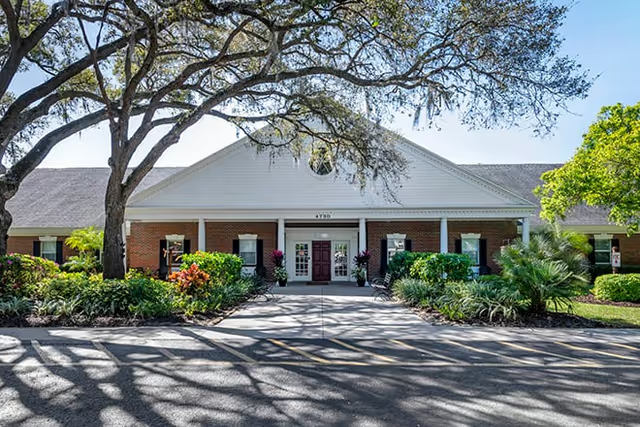
The Springs at Lake Pointe Woods is characterized by strong rehabilitation services, an active activities program, and well-maintained grounds and amenities. Physical and occupational therapy are frequently singled out as a major strength: families describe effective, encouraging therapists and measurable progress in rehab. The activities program is robust and varied, with an engaged activities director, daily ice cream socials, concerts, holiday events, therapy-animal visits, and numerous social opportunities that support community connection. Outdoor spaces — a courtyard, lake access, paths and benches — and amenities such as a gym, mini-golf, barbershop, and a dining room with lake views contribute to a resident-friendly environment.
Staffing and direct care receive largely positive remarks for compassion, patience, and continuity: many accounts highlight long-tenured caregivers, attentive nurses, strong wound care, and responsive social-services and business-office personnel who help families navigate transitions. The facility is often described as clean and well kept in common areas, and many rooms are spacious enough to accommodate family visits. Leadership is credited by several families for visible support, and specific staff members (e.g., activity and therapy leaders, certain nurses and administrators) are named as strengths.
Despite these strengths, reviews reveal a set of recurring operational concerns. Meal quality is inconsistent, ranging from well-prepared to bland or unpalatable; weight loss and appetite issues were noted in connection with diet changes. Staffing levels and call-response times appear variable: several accounts describe delayed assistance, slow call-bell responses, and situations where care frequency was stretched by a high census. Nursing conduct and communication quality are uneven across staff; some families report language barriers with direct-care staff that complicate communication. There are also reports reflecting inconsistent room maintenance and occasional supply gaps (for example, unavailable mobility aids or empty ice machines). Safety-related issues such as near-falls, transfer concerns, and instances prompting fall-prevention attention were raised alongside isolated concerns about medication management and accountability.
Administration and management impressions are mixed. While many reviewers praise helpful, organized, and communicative administrators and business-office staff, other families describe inconsistent responsiveness or unprofessional interactions from specific supervisors. A small number of serious allegations — including theft and discrimination — appear in the feedback and warrant careful follow-up during any evaluation.
Overall pattern: the facility appears to perform particularly well for rehabilitation-focused stays, therapeutics, and social engagement in a pleasant campus setting. However, variability in meal quality, staffing consistency, communication, cleanliness/maintenance in some rooms, and certain safety and medication-management practices create a polarized set of experiences. Prospective residents and families should consider visiting during activity times, asking specific questions about current staffing ratios and call-response metrics, reviewing the dietician/meal plan and weight-monitoring procedures, verifying availability of needed equipment at admission, and discussing language capability and communication practices with nursing leadership. These checks can help determine whether the facility’s strong rehabilitation and activity offerings align with an individual resident’s daily-care and safety needs.