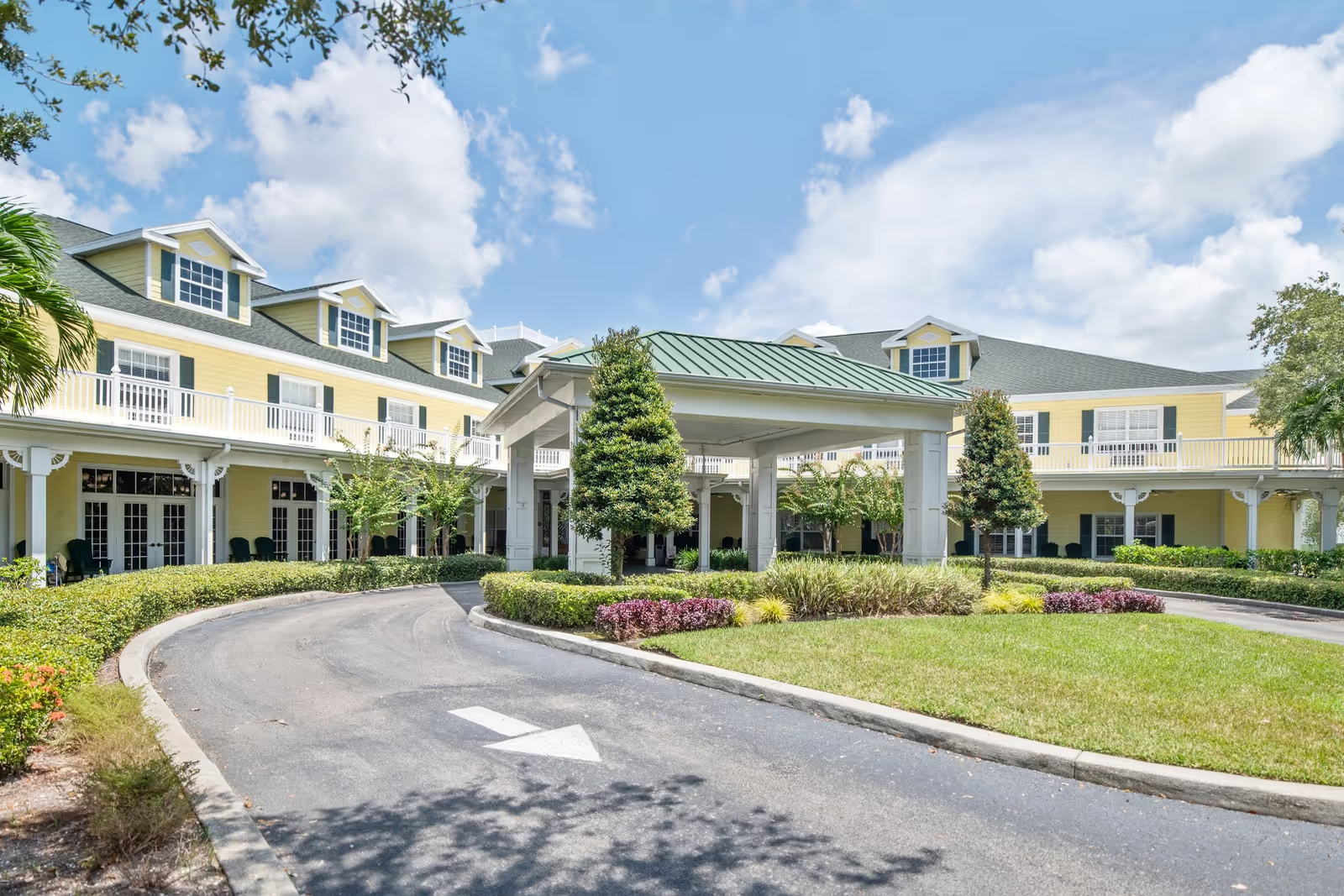
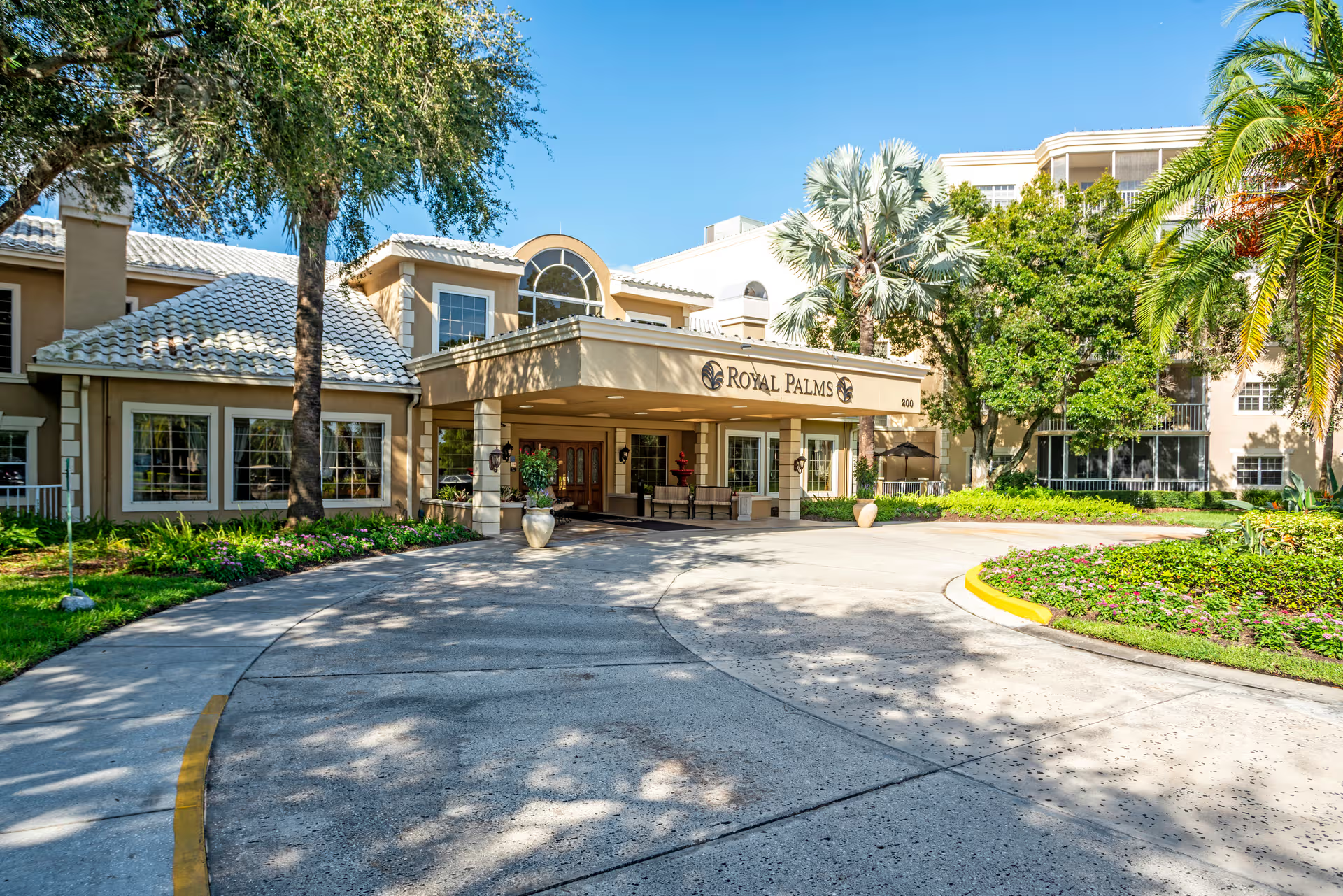
The review set presents a markedly mixed picture: numerous families and residents describe a well-appointed, active continuing-care campus with high points in rehabilitation, hospitality, and transition support, while other accounts recount operational lapses that affect clinical reliability and daily living.
Care and staff: Strengths include an engaged therapy program, effective rehab-to-assisted-living transitions, and many individually named staff members who are described as attentive, communicative, and proactive. These positive accounts highlight responsive admissions teams, consistent therapy outcomes, and staff who go beyond expected duties. Counterbalancing this are repeated concerns about uneven care quality: reviewers describe variability in nursing and aide responsiveness, issues with medication administration and pain management timeliness, inconsistent personal-care and bathing schedules, and delayed responses to call lights. There are also allegations of problems with property handling and one or two serious individual claims that families treated as escalation-worthy; these underscore the need to confirm current staffing ratios, clinical oversight, and incident escalation processes.
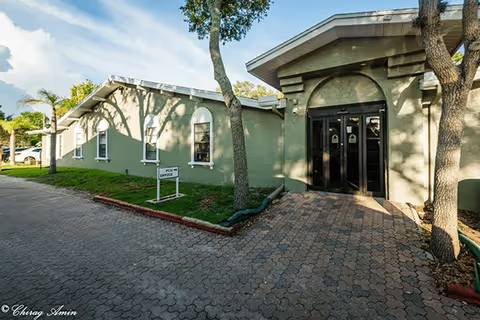
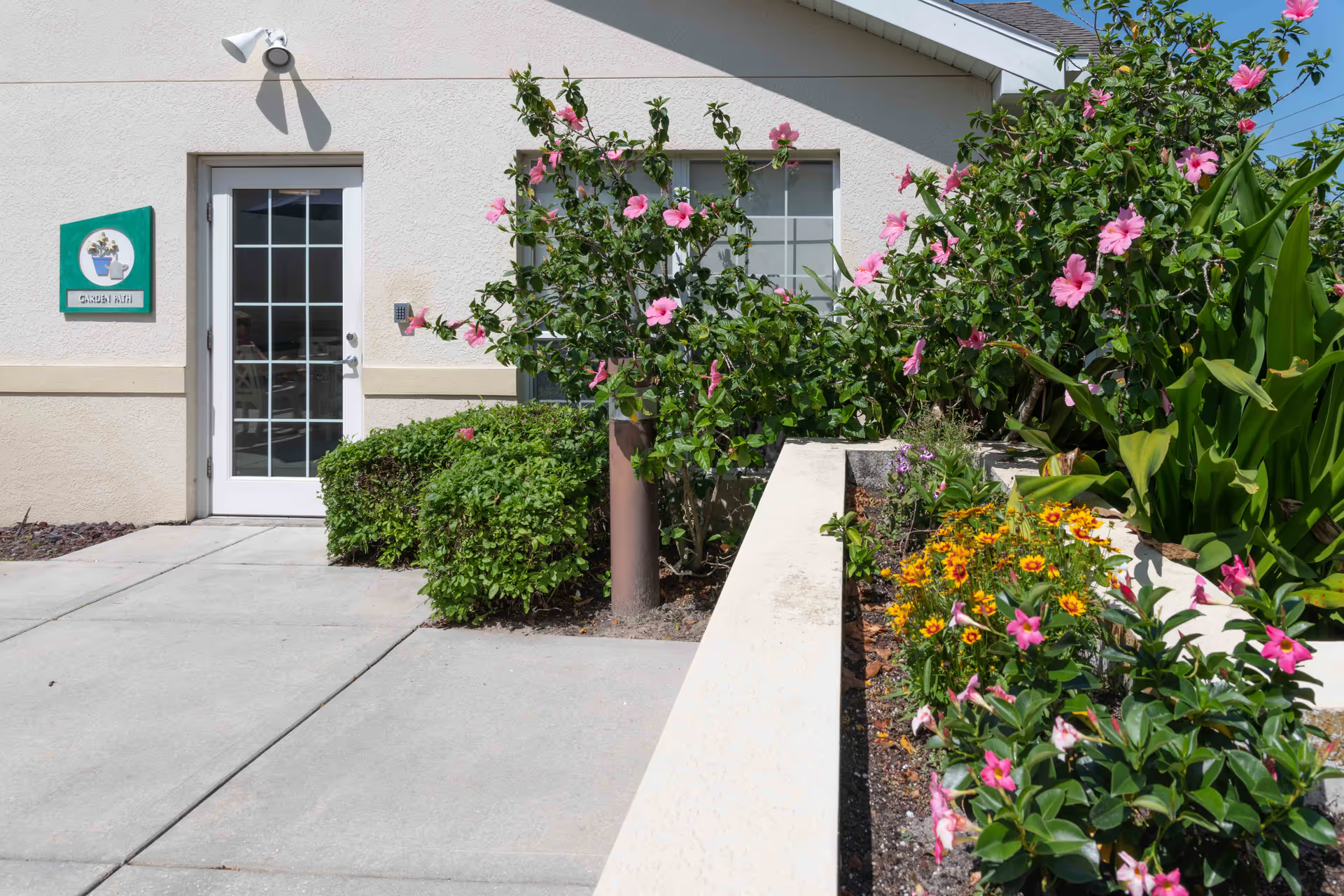
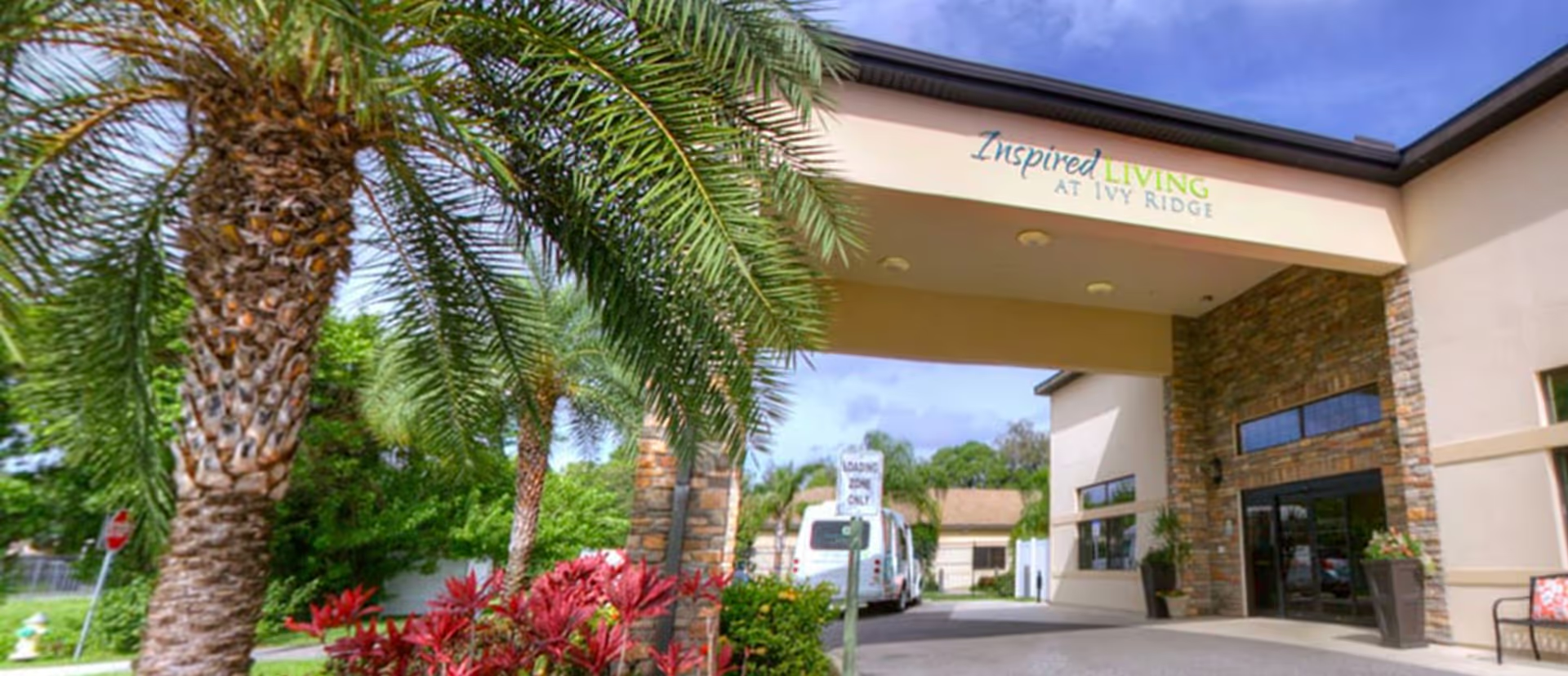
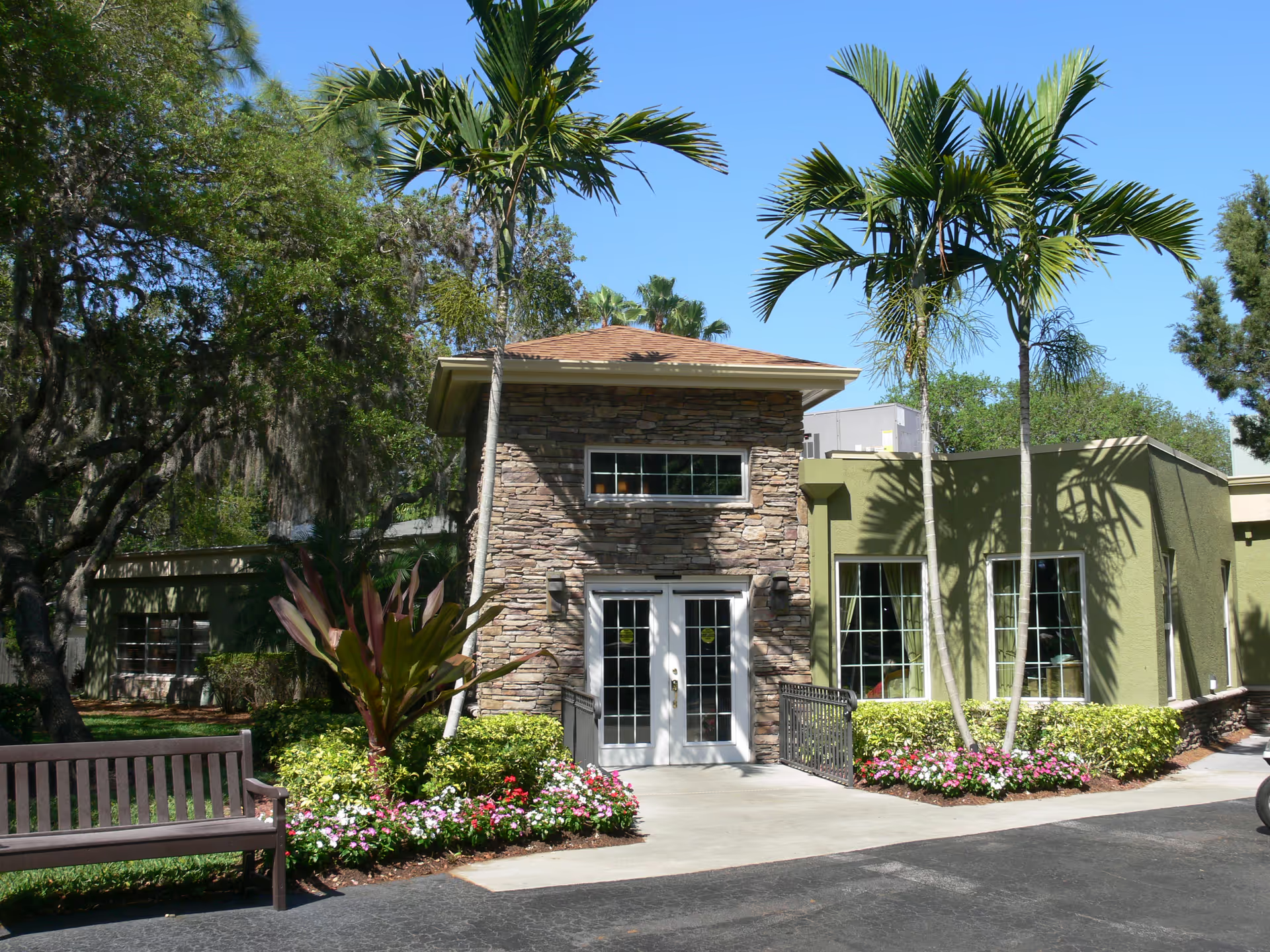
Dining, housekeeping, and facilities: Many reviewers praise chef-prepared meals, varied menus, and dining-room service that can approach restaurant quality; others report inconsistent meal temperature, missing items, and variable food quality between different phases/areas of the campus. Housekeeping and linen services are frequently noted as included and satisfactory, but there are recurring sanitation and odor concerns in certain common areas and specific units, as well as uneven maintenance outcomes such as stained carpets, service interruptions in laundry machines, and occasional room-cleaning lapses. The campus is commonly described as attractive and well-landscaped with a broad set of amenities — pool, fitness center, salon, bistro, transportation, and pet-friendly features — though the facility layout is somewhat fragmented (multiple buildings) which may require movement between buildings for some services.
Activities and community life: Activity programming is a clear strength in many accounts: volunteer-led clubs, regular outings, bus trips, exercise classes, arts and social events, and an active dining/community life contribute to strong social engagement. Many reviewers emphasize a warm community atmosphere and ease of making friendships. At the same time, a subset of comments cites cancellations or limited programming on certain units and a desire for more consistent entertainment options in some areas.
Management, operations, and notable patterns: Admissions, move-in coordination, and specific staff leaders receive frequent praise for smooth transitions and regular family updates. Conversely, a pattern of post-acquisition operational variability is mentioned by several families: increased turnover, perceived management inattention in some units, billing or financial-administration errors, and concerns about value for cost. Allegations of theft and mishandling of personal property appear in a small number of reviews and have been raised to management by families; these are serious individual claims that prospective families should clarify during their tour and in contract review. Communication strengths (proactive leadership briefings, named staff responsiveness) coexist with reports of unreturned calls and inconsistent care-coordinator follow-through in other cases.
Bottom line: Freedom Square shows many hallmarks of a full-service, amenity-rich continuing-care community with strengths in rehab services, social programming, and individualized staff who excel. However, the narrative is polarized: operational weaknesses—principally inconsistent staffing, variable clinical reliability, sanitation/maintenance gaps, and uneven meal delivery—appear often enough to merit careful due diligence. Prospective residents and families should verify current staffing levels and supervision practices, ask for recent quality/inspection data, review financial and property-protection policies, and request to speak with unit leadership and family references to assess whether recent operational issues have been addressed.