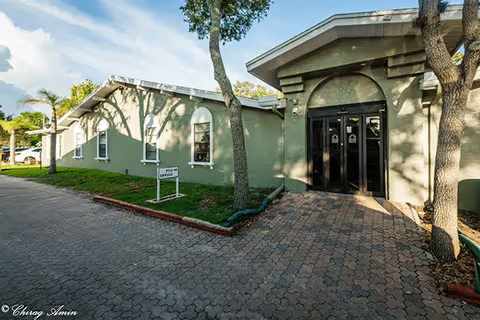
Lake Seminole Square presents as a high‑amenity, resort‑style continuing care community with a strong emphasis on independent, condominium‑style living. Many reviewers emphasize the campus’s lakeside setting, landscaped grounds, multiple themed dining rooms, and a broad slate of social and recreational offerings — from live weekly entertainment and ballroom dancing to exercise classes, pontoon boat rides, and off‑site trips. The facility’s physical features (heated indoor pool, fitness center, salon, shoppette, library, and multiple common areas) support an active lifestyle and contribute to a hotel‑like atmosphere that appeals to residents seeking social engagement and convenience.
Care and staffing impressions are mixed but contain important patterns. Numerous accounts praise long‑tenured, caring staff and several specific departments (notably in‑house physical therapy and select nursing teams) for attentive, sometimes exceptional, service and strong family communication during acute events. At the same time, there are repeated operational concerns: short staffing and turnover that appear to affect daily responsiveness, variability in housekeeping thoroughness, and delays fulfilling maintenance requests. These staffing patterns can translate into inconsistent resident experiences depending on unit and time of day.
Dining is a prominent selling point yet also a source of variability. The community offers multiple dining venues and many reviewers describe gourmet‑quality meals, elegant presentation, and flexible meal options. Contrasting accounts cite inconsistent food quality, temperature control issues, and occasional declines in selection and preparation. Prospective residents should expect strong dining offerings most of the time, with intermittent variability reported by others.
Facility maintenance and building envelope issues are a recurring operational theme. Several reviewers raised concerns about moisture management, mold in particular areas, leaky windows, musty odors in certain locations, and aging carpeting or finishes. While the campus undergoes upgrades and window replacements in some areas, the pattern suggests uneven facility upkeep across buildings and units. Maintenance response times are also described as inconsistent, which may compound resident perceptions of building condition.
Management and governance show both strengths and tensions. The community offers structure such as a resident advisory council, a 24‑hour concierge, and bundled all‑inclusive billing that some find reassuring. However, other comments identify gaps in management responsiveness, inconsistent complaint resolution, and communication shortfalls, particularly around housekeeping and operational problems. There are also concerns about security and privacy controls — including staff access to residences and at least one allegation of missing belongings — which point to a need for clearer property‑security practices.
Cost and level‑of‑care fit are important considerations. The community’s condo buy‑in and monthly fees are described as high by multiple reviewers; some cite annual increases. For active, independent older adults seeking a comprehensive amenities package and social life, the community offers substantial value. For residents with escalating, high‑acuity care needs, the facility’s model appears to require reliance on outside caregivers in some cases, and families noted that moving to a dedicated assisted‑living setting was necessary for higher levels of daily personal care.
Recommendation: Lake Seminole Square is well suited to seniors seeking resort‑style independent living with robust activities, strong rehabilitation services, and an amenity‑rich environment. Prospective residents and families should plan a detailed tour that inspects specific apartment buildings, asks about moisture‑control and recent maintenance work, clarifies security and valuables policies, reviews current staffing ratios and turnover, and obtains a clear breakdown of buy‑in and monthly fee escalation. Those with anticipated high‑intensity personal care needs should verify on‑campus clinical capacity and contingency plans for outside caregiver coordination before committing.