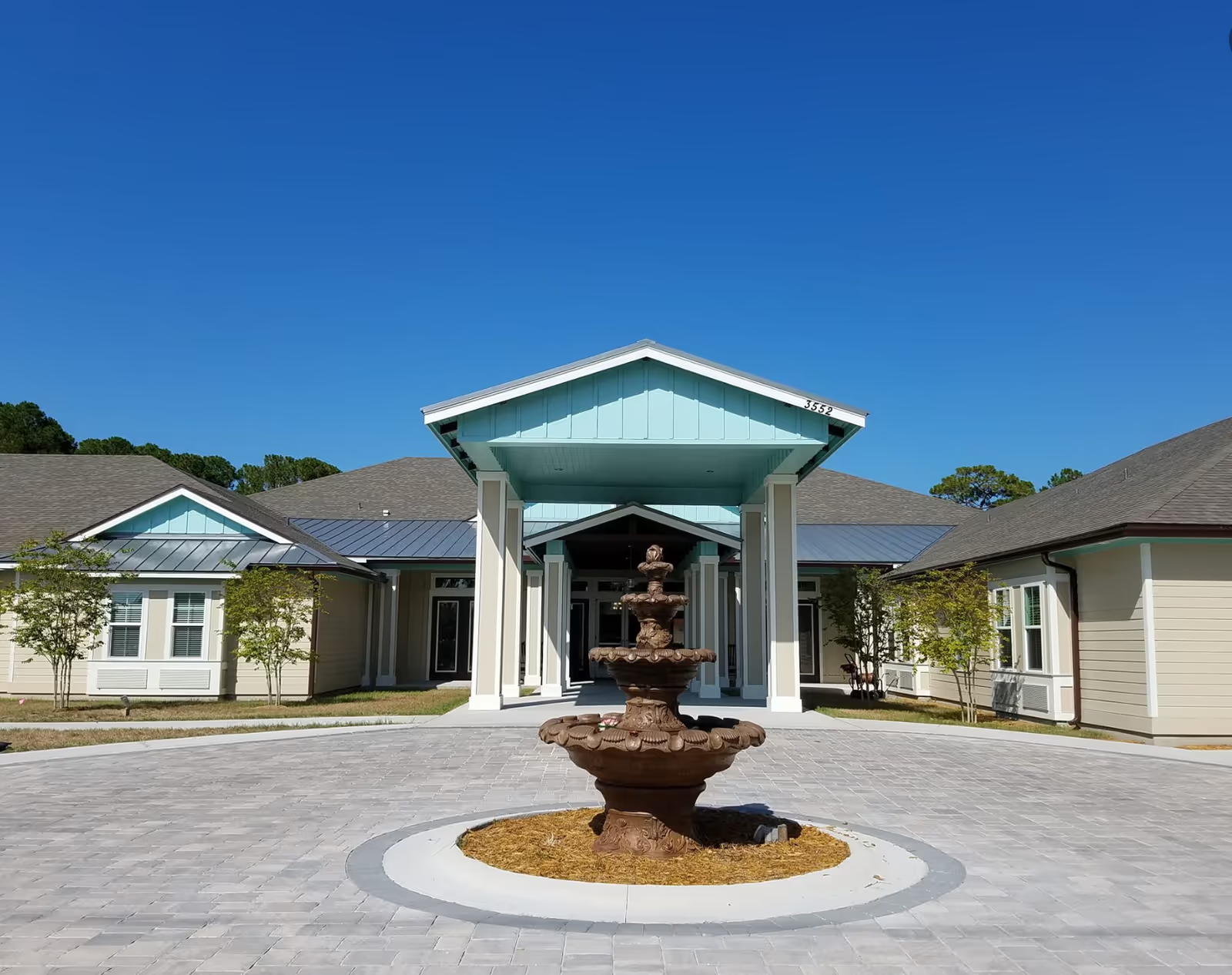
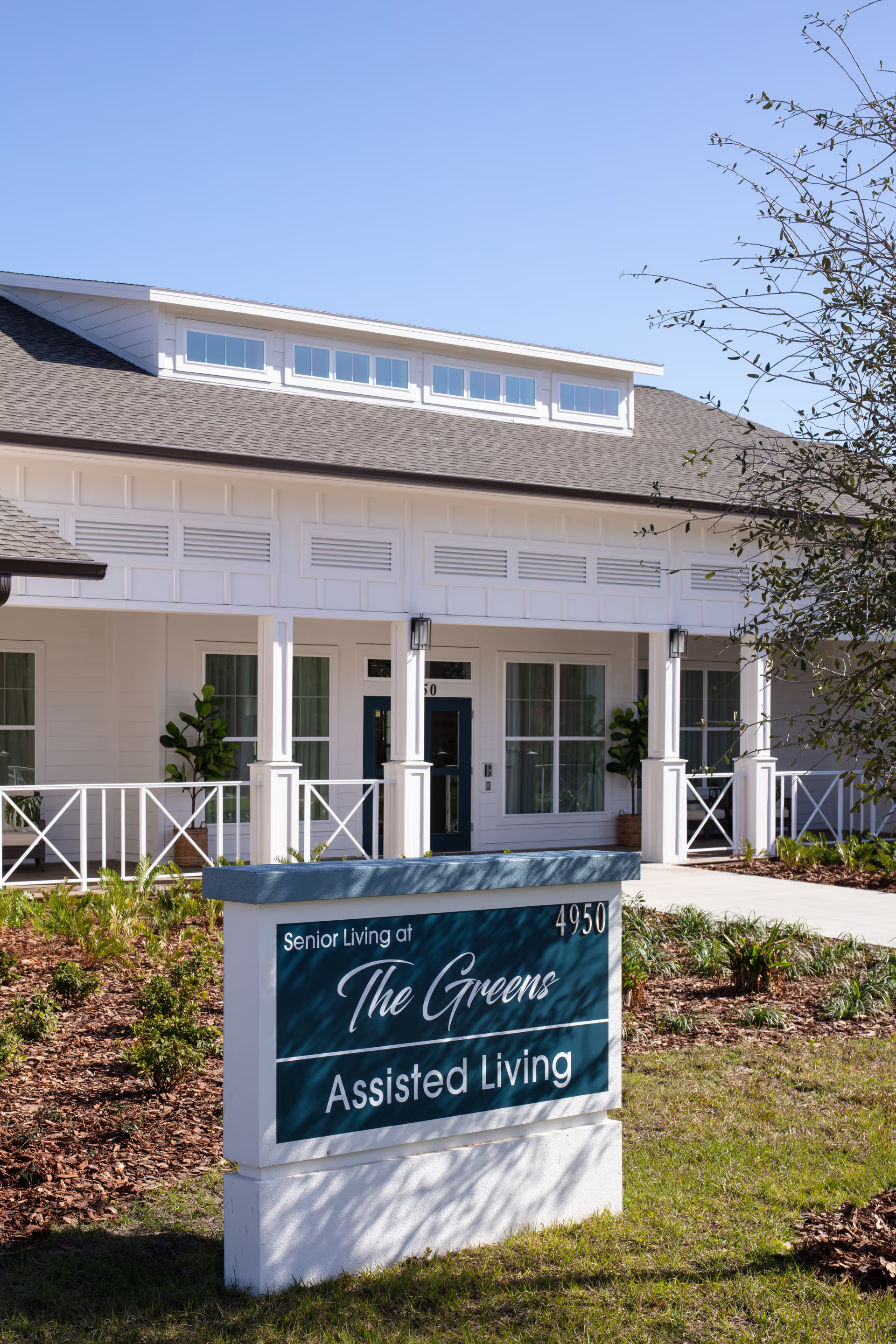
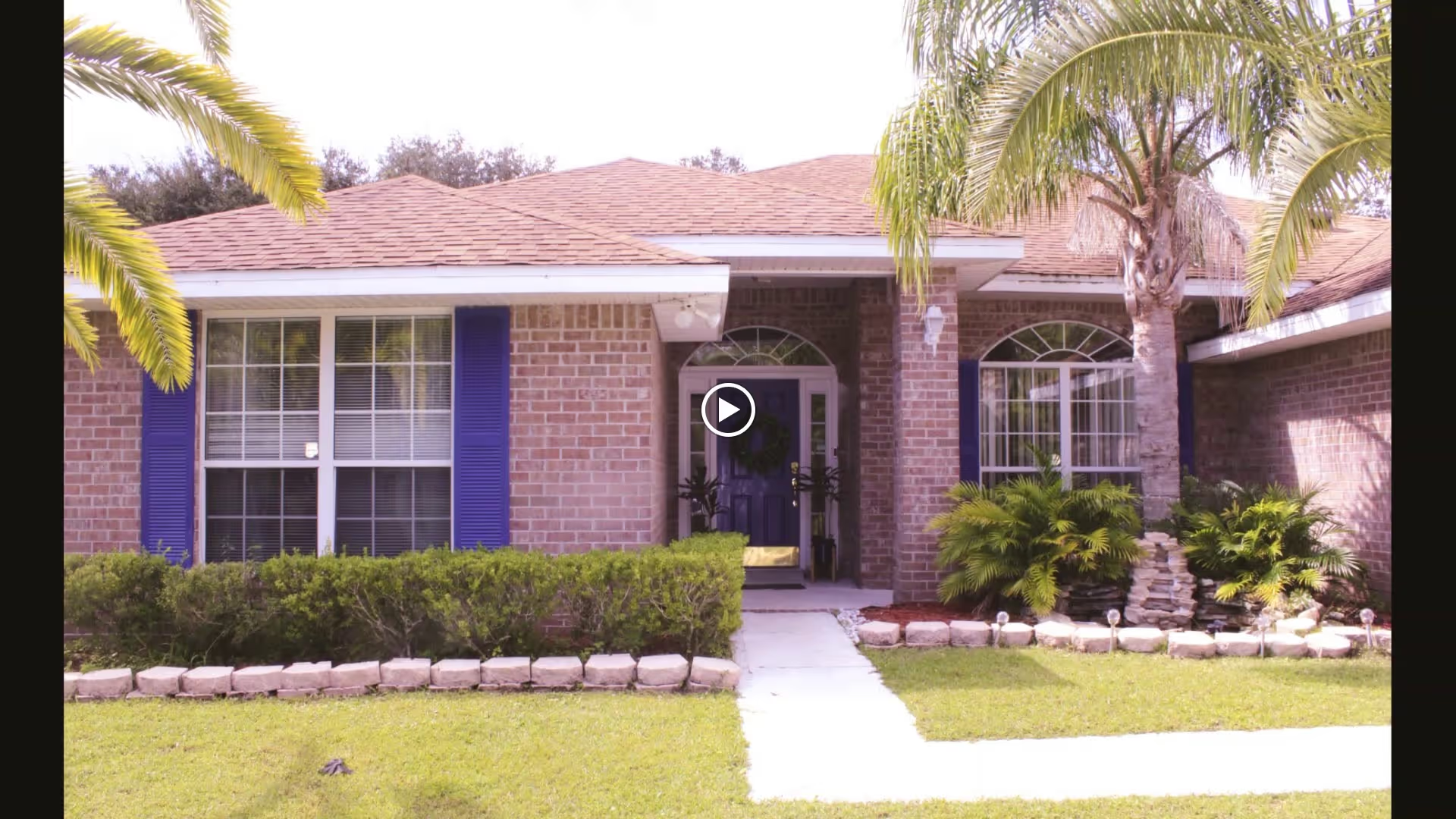
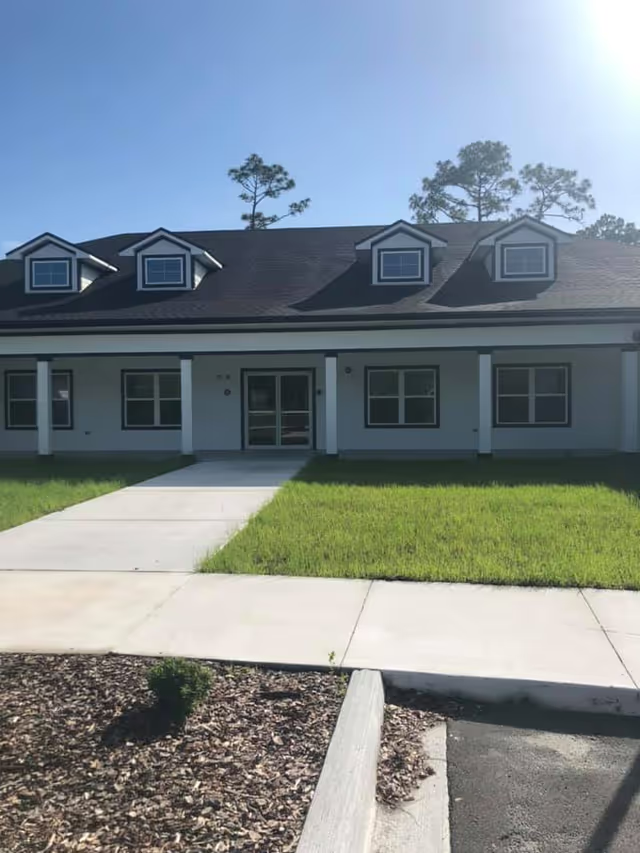
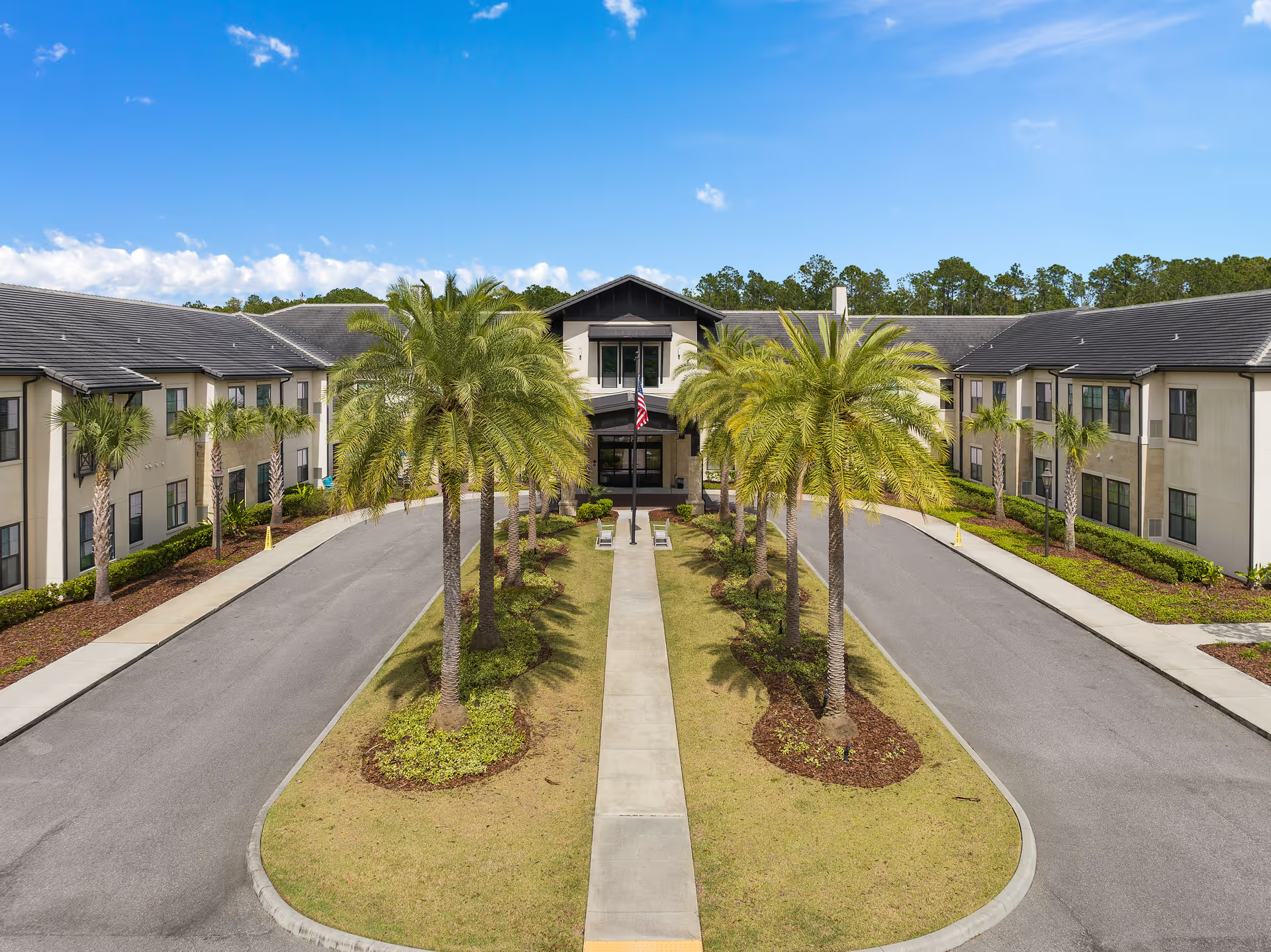
The reviews present a mixed picture of Coral Landing Assisted Living. Many families and residents describe a warm, small‑community atmosphere with staff who are compassionate, personable, and engaged. Care strengths highlighted include dementia-aware programming, individualized attention in a memory‑care setting, active social programming and outings, and frequent, helpful health updates. Several accounts describe improved quality of life, smooth transitions into the community, and meaningful relationships between staff, residents, and families.
Staff-related themes show a notable contrast. A number of reviewers praise caregiving staff for responsiveness, kindness, and effective support from specific nursing personnel; these comments emphasize attentive direct care, timely updates, and an environment where residents appear comfortable and socially engaged. Conversely, other reviews describe inconsistent staff conduct, limited caregiver availability at times, and concerns about medication-handling practices and administration procedures. Taken together, the pattern suggests variability in day‑to‑day staffing and in clinical practices that prospective families should explore during a visit.
Dining and activities are often cited as positives—many residents enjoy meals, group programming, Bible study, and external entertainment—which supports an active social environment. At the same time, some reviewers report uneven food quality and express concerns about food preparation standards. Activity programming is generally seen as engaging and appropriate for memory‑care residents, contributing to a home‑like feeling and social connection.
Facility- and hygiene-related comments are polarized. Several reviewers describe clean common areas, comfortable rooms, and a well‑maintained interior. Others raise sanitation and pest‑control concerns, odor‑control and incontinence‑care issues in certain rooms or areas, and uneven cleanliness practices. These are operational issues that can have a direct effect on quality of life and should be assessed in person, with attention to housekeeping schedules, pest‑control contracts, and how incontinence care is managed.
Management and communication surface as recurring operational weaknesses. Some families report delays or a lack of follow‑up from management, inconsistent communication about clinical issues, and frustration obtaining timely responses. Relatedly, reviewers describe limited on‑site clinical staffing at certain times (for example, gaps in nursing or physician access) and delays in clinical responsiveness. There are also serious allegations concerning financial misconduct in a subset of comments; while such allegations are isolated in the dataset, they warrant careful inquiry and verification through documentation and administrative discussion.
Recommendations for prospective residents and families: schedule an extended visit that includes mealtime observation, a tour of resident rooms and common areas, and direct conversations about clinical staffing patterns, medication protocols, housekeeping schedules, pest‑control measures, and incident reporting. Ask to meet nursing leadership, review recent inspection or contract documentation, and request references from current families. Given the mixed feedback, on‑site verification and clear documentation of policies will best clarify whether the facility’s strengths align with an individual resident’s needs.