Moultrie Creek Nursing and Rehab Center elicits strongly polarized impressions. A substantial body of feedback highlights a robust rehabilitation program: physical and occupational therapists are repeatedly described as knowledgeable, motivating, and effective at restoring mobility. The therapy department, its equipment, and specific clinicians are frequently credited with rapid post-operative progress, one-on-one attention, and clear instruction. For prospective short-term rehab residents seeking functional recovery, these strengths represent a consistent advantage.
Nursing and direct-care staff receive mixed assessments. Many reviewers praise certified nursing assistants as caring and hardworking and report attentive nursing coverage during weekday shifts and strong on-floor management when present. At the same time, a recurring pattern involves reduced staffing levels and responsiveness on weekends and holidays, with attendant delays in assistance, medication administration, and hygiene support. These timing- and staffing-related issues are described as affecting continuity of care and resident comfort outside peak staffing hours.
Clinical-safety concerns appear in multiple areas of feedback. Reviewers cite shortcomings in wound-prevention and catheter-management protocols, inconsistent pain-management and medication-administration processes, and reports of weight loss or infection in a subset of cases. These accounts point to lapses in clinical oversight rather than isolated administrative errors; they suggest the need for stronger monitoring, documentation, and escalation processes to prevent avoidable complications.
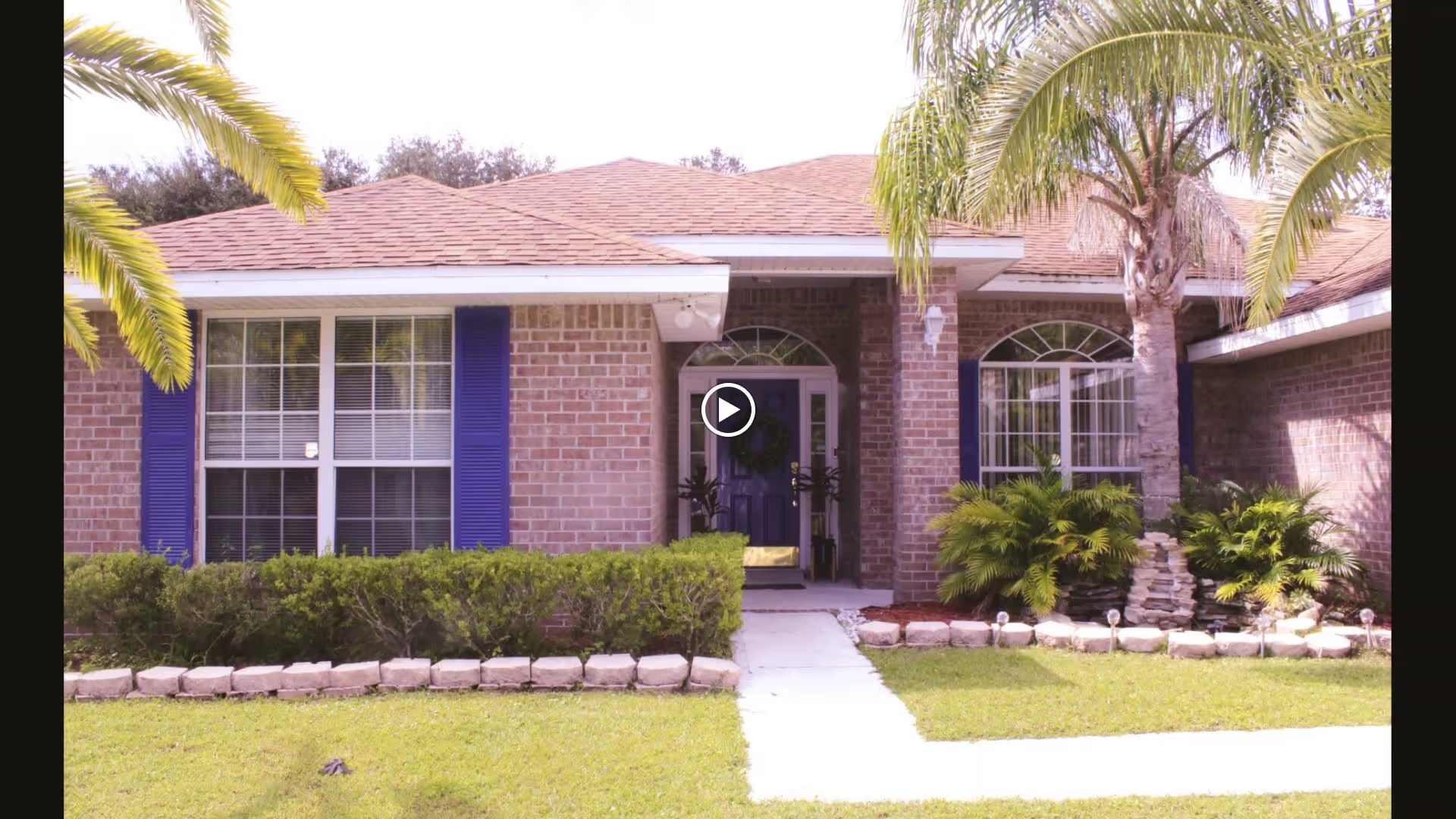
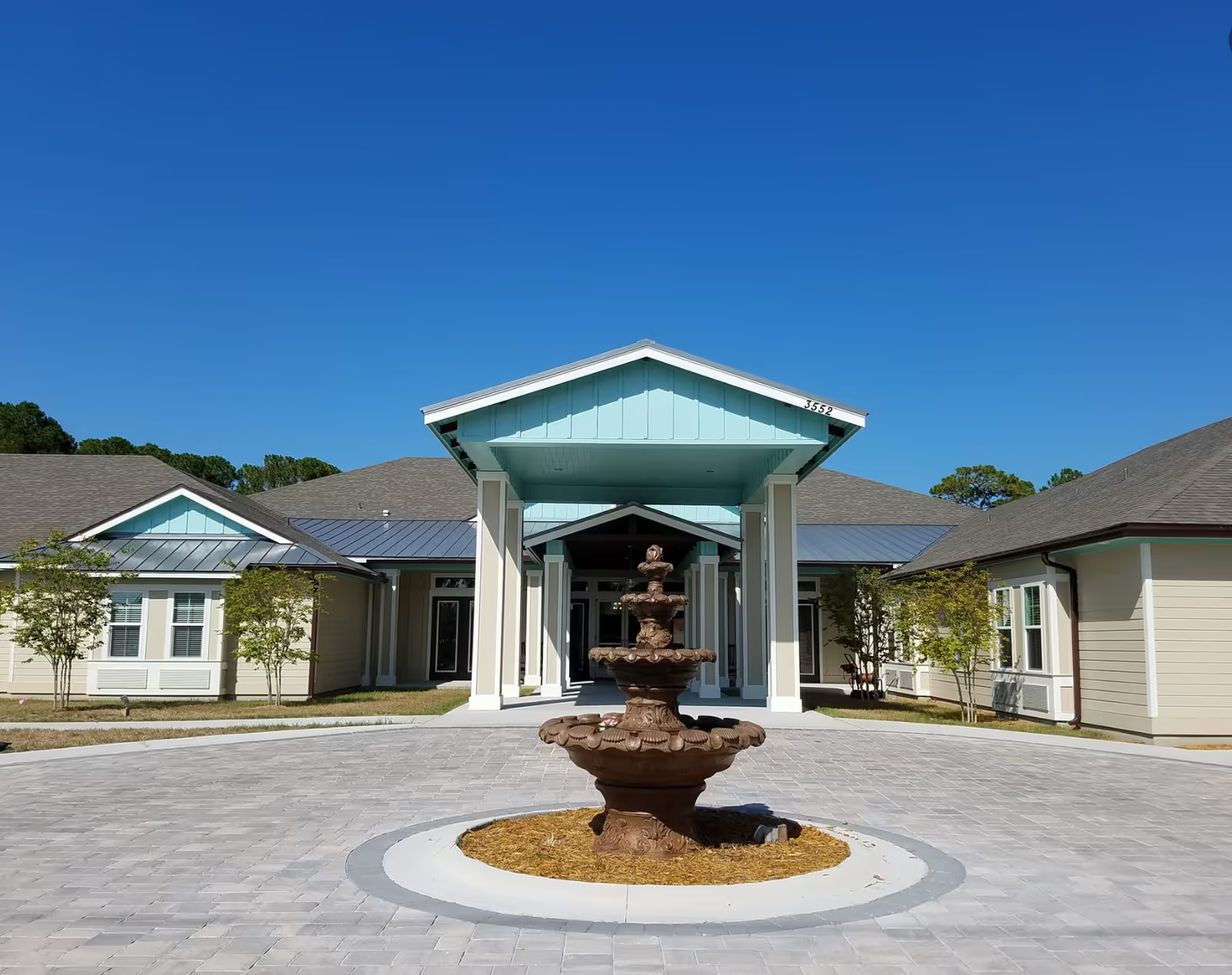
Sanitation and facility condition dominate another theme. While many families describe clean, bright wings, well-kept outdoor spaces, and private rooms with courtyard views, others raise sanitation concerns in common areas and service zones, occasional maintenance delays, and pest-control concerns around food-preparation areas. This variability is also reflected in comments about older versus renovated wings, with newer areas tending to receive more favorable notes.
Dining and activities present both positives and limitations. The facility offers large meals, meal customization, an accessible ice cream parlor, and an active calendar including music, art, exercise classes, and social events that contribute to a lively communal atmosphere. Conversely, some reviews describe bland or unseasoned therapeutic textures, restricted beverage choices, and limited diabetic or specialized-menu options, indicating inconsistency in culinary execution and dietary accommodations.
Management and administrative practices again show mixed performance. Several accounts commend an approachable executive director, proactive problem resolution, and responsive on-floor management. Counterbalancing this are reports of disorganized business-office processes, billing and discharge communication problems, and instances where families had to escalate concerns to receive timely action. There are also mentions of staff conduct issues — cellphone use while on duty, tone or communication concerns, and variability in professionalism — that affect perceptions of accountability.
Notable patterns for prospective residents and families: the facility can deliver very strong rehabilitation outcomes and offers a rich activities program and certain amenities that support recovery and quality of life. However, experiences are inconsistent across units and shifts. Recurring operational weaknesses — particularly weekend staffing shortfalls, inconsistent sanitation and incontinence care, gaps in clinical oversight (wound and catheter management), and business-office communication breakdowns — are themes that warrant direct questions during tours. There are isolated serious allegations, including concerns following a resident's death and other legal matters, which should prompt families to review state inspection history and ask facility leadership for details about corrective actions and current protocols.
In sum, Moultrie Creek demonstrates clear strengths in therapy, some aspects of direct care, and resident programming, but also exhibits persistent operational vulnerabilities that can have clinical and experiential consequences. A careful, targeted evaluation (asking about weekend staffing ratios, wound and catheter protocols, medication-administration checks, pest control, dietary accommodations, and recent regulatory findings) is advised to match a prospective resident's needs with the facility's current performance profile.