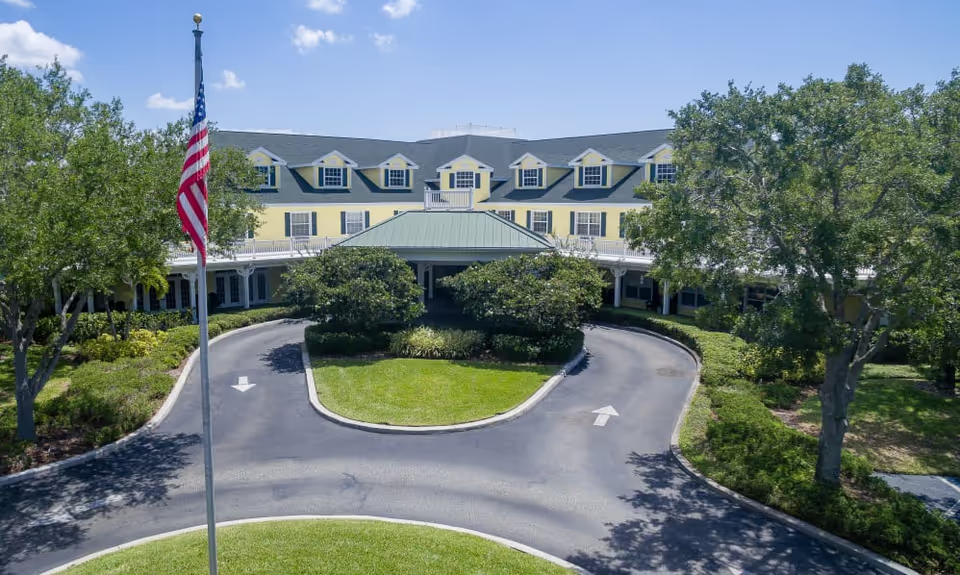
Patrick Manor presents a mixed profile: many families describe a small, home-like facility with strong hands-on caregiving, while others raise significant operational and communication concerns. On the positive side, reviewers frequently highlight compassionate staff who create a family atmosphere, owner involvement in day-to-day care, and clinically relevant supports such as around-the-clock hospice availability. Residents and families also praise the comfortable rooms, garden and outdoor access, home-cooked meals, and an active program of activities including bingo, movies, and reading resources. Several accounts describe visibly improved resident mood and health after admission, and staff are often characterized as caring and attentive.
Care quality appears to be a strength in many cases: dedicated employees and personal attention are repeatedly noted, and the facility is capable of providing continuous hospice support. That said, there is a clear pattern of concerns about staff communication and conduct in some interactions. Families who raised issues described poor tone, disrespectful remarks, and instances where privacy expectations were not met. Those concerns suggest gaps in staff training on family communication and in policies that protect resident privacy and dignity, particularly during end-of-life situations.
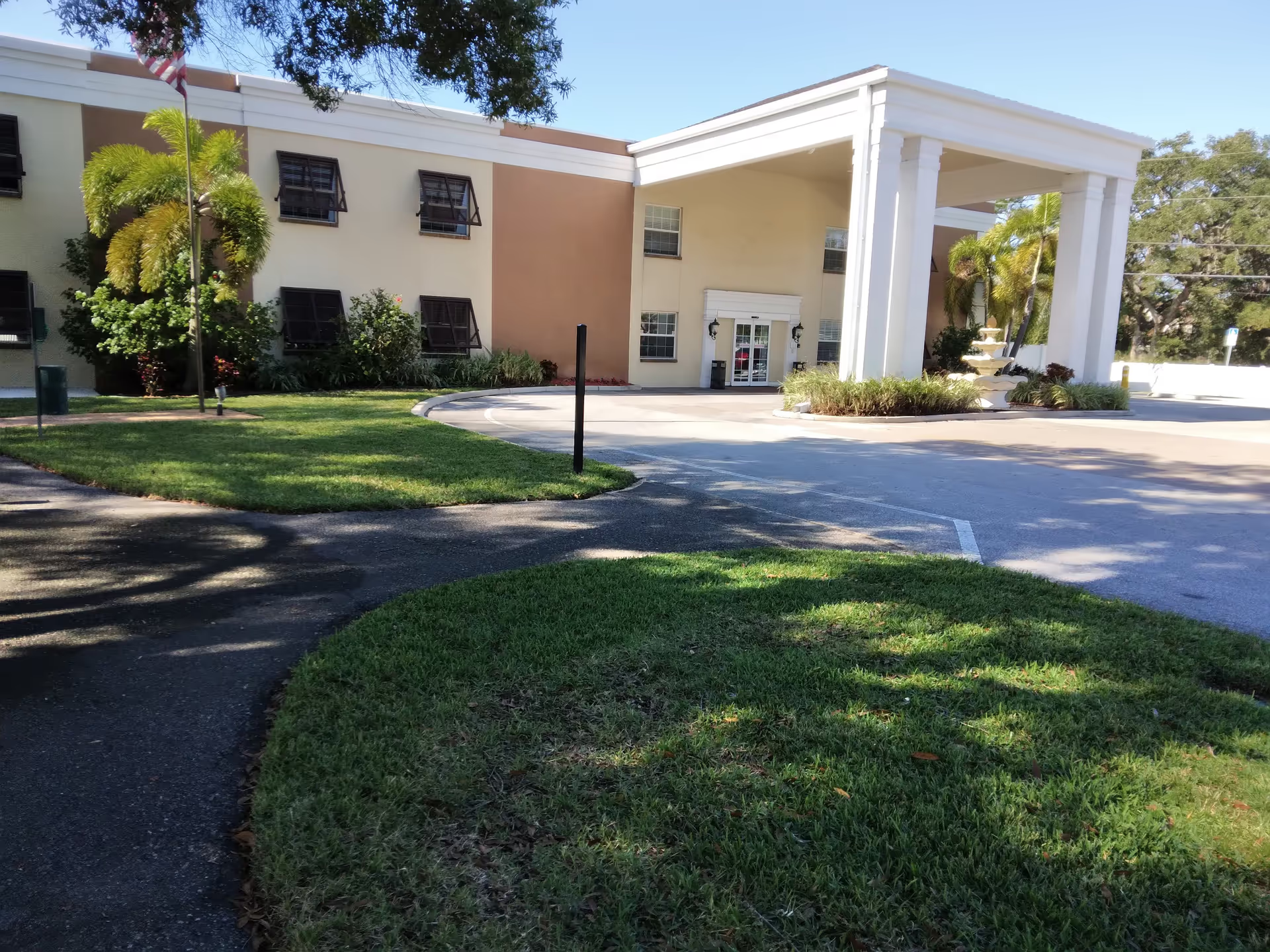
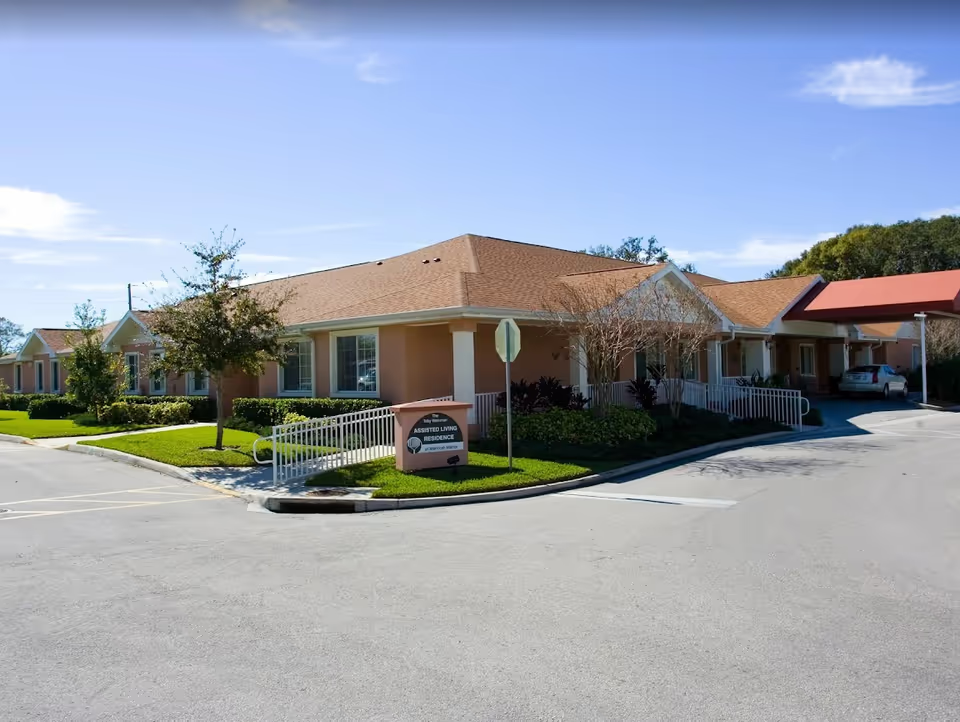
Dining and activities are consistently cited as positive features. Meals are described as home-cooked and well-liked by many residents; dining, social programs, and organized activities appear to support engagement and a pleasant daily routine. Facility cleanliness and a welcoming interior are also common compliments, contributing to the overall home-like ambiance. Physically, the campus is small and cozy, with two-person room options available; this scale supports a residential feel but also limits capacity.
Management and administrative patterns are more mixed. Owner involvement is a double-edged theme: some families appreciate the personal attention from ownership, while others report management interference or inconsistent oversight. Financial and contractual issues are a recurrent operational concern — notably an asserted nonrefundable community fee and general opacity around billing — which may affect families' satisfaction and perceived value. There are also assertions about unclear handling of personal belongings and limited transparency about resident whereabouts in at least one case, which raises questions about inventory and communication processes.
Taken together, Patrick Manor may be a strong option for families seeking a small, home-like setting with engaged staff and hospice capability, but prospective residents should perform focused due diligence. Recommended pre-admission steps include asking for written policies on privacy and family access, documenting billing and refund terms, clarifying how personal property is tracked and returned, requesting examples of staff-training practices on communication, and arranging a tour (or an alternative virtual walkthrough) that includes living spaces and privacy arrangements. These steps can help families assess whether the facility’s strengths align with their priorities and whether the identified operational risks have been addressed to their satisfaction.