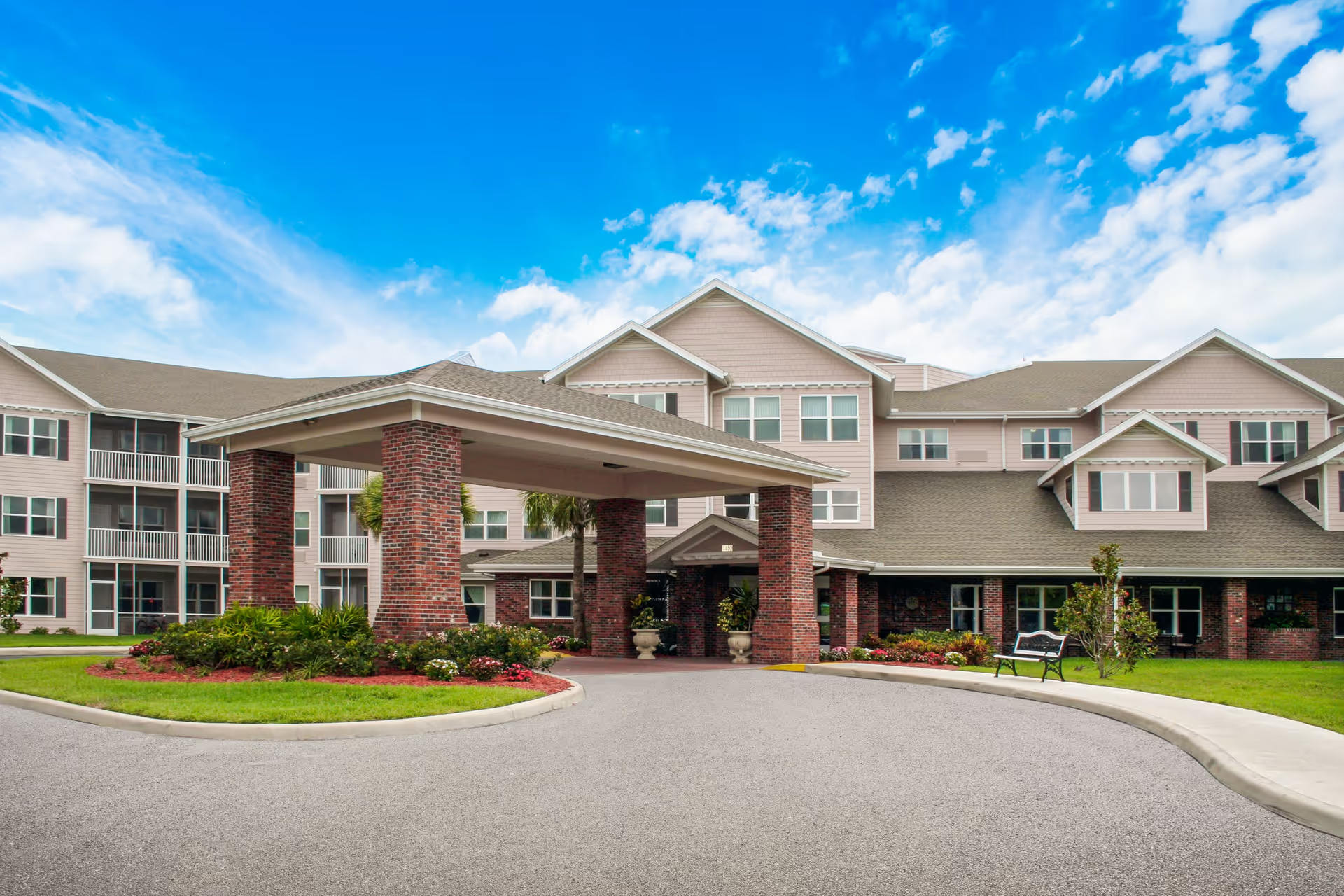
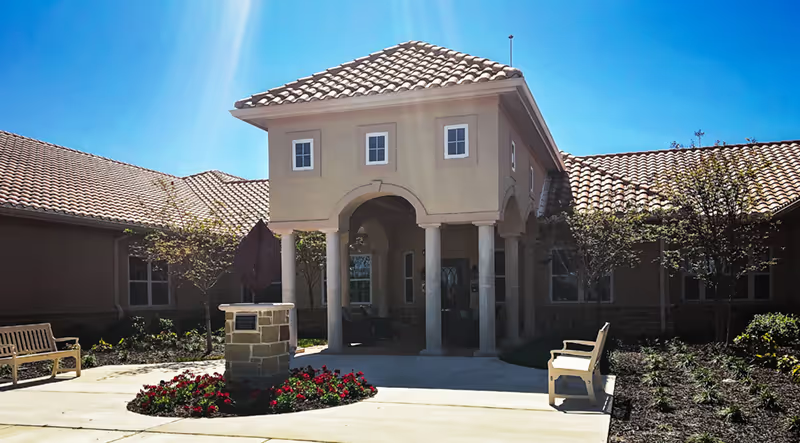
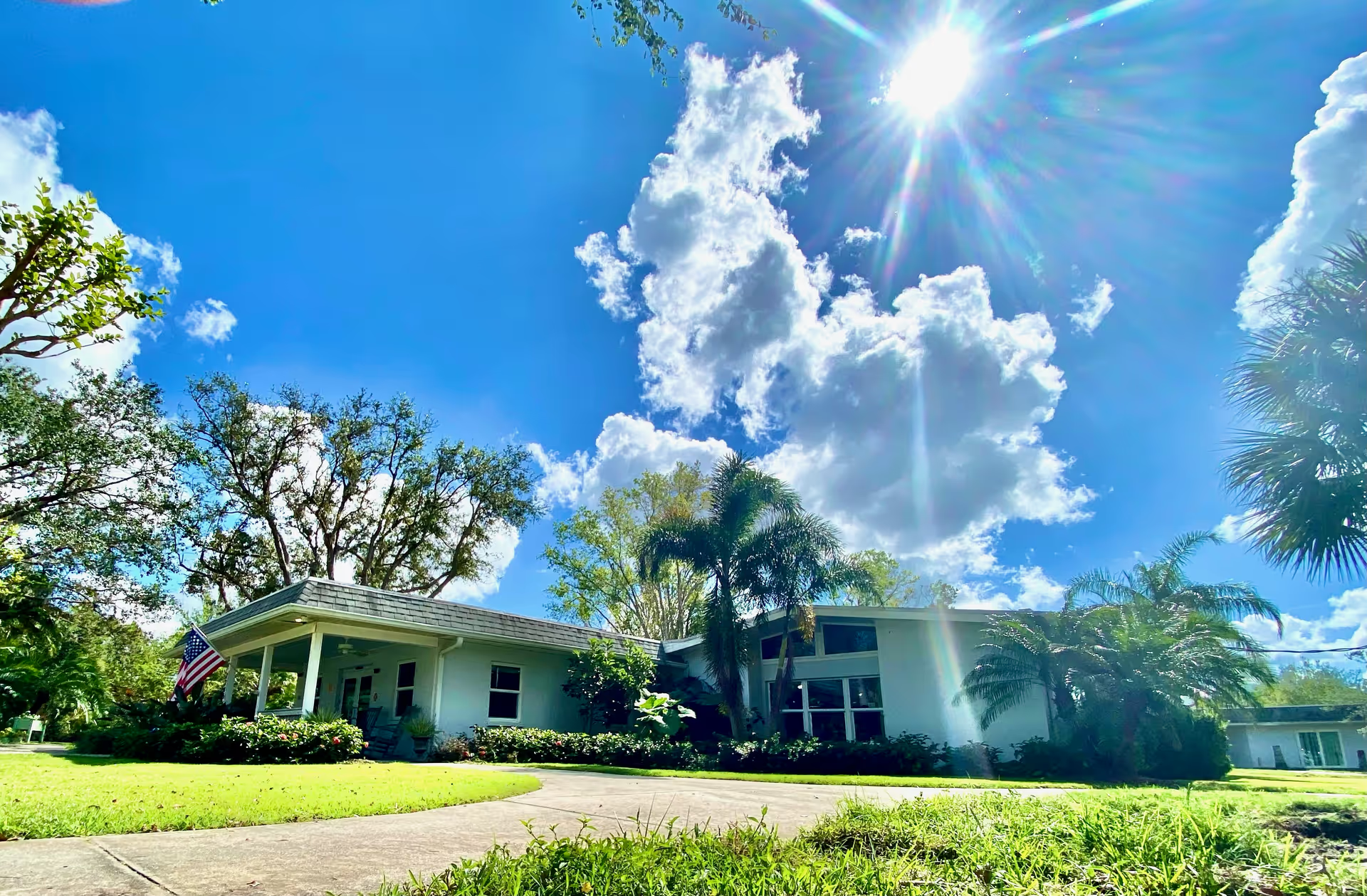
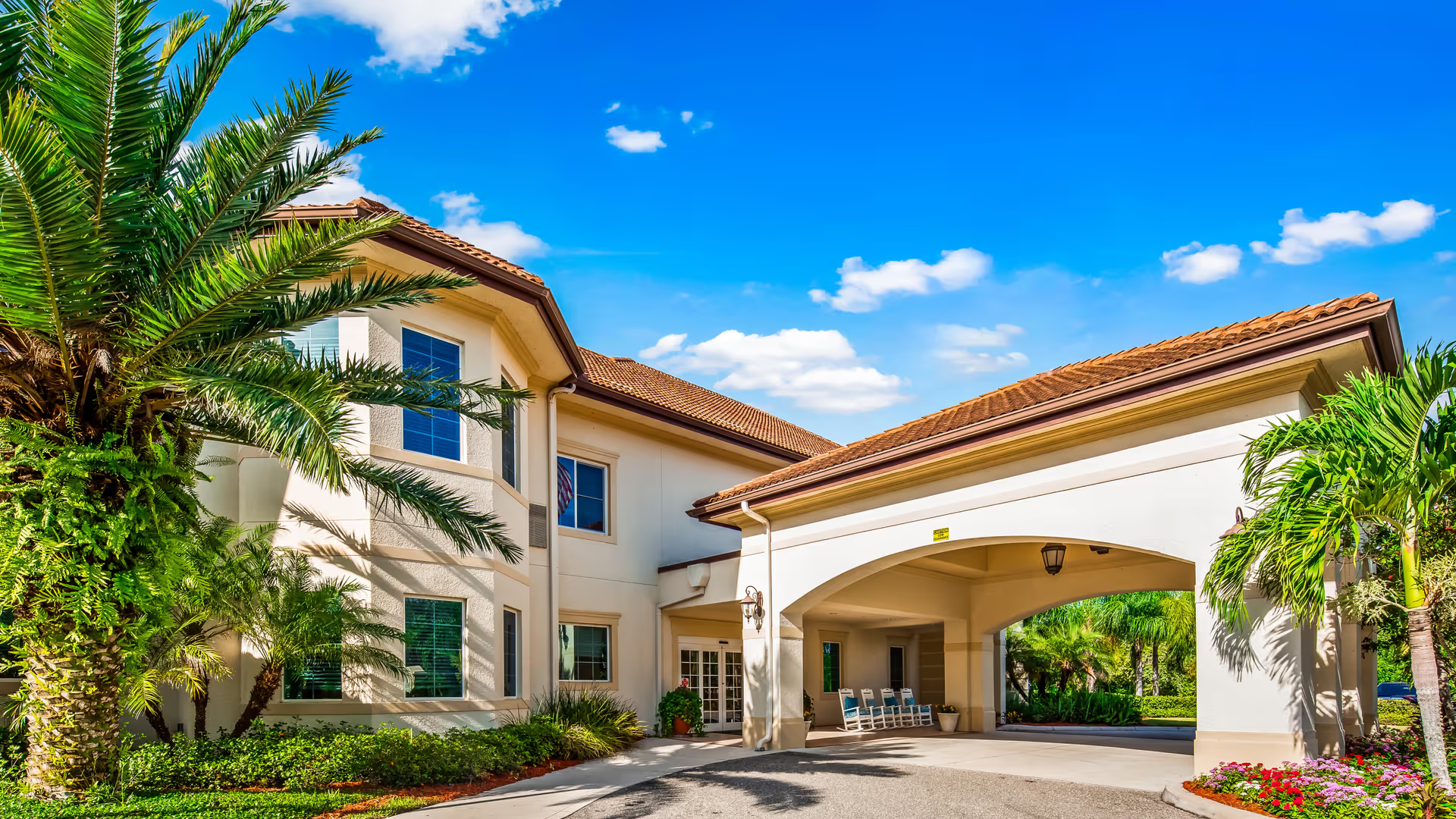
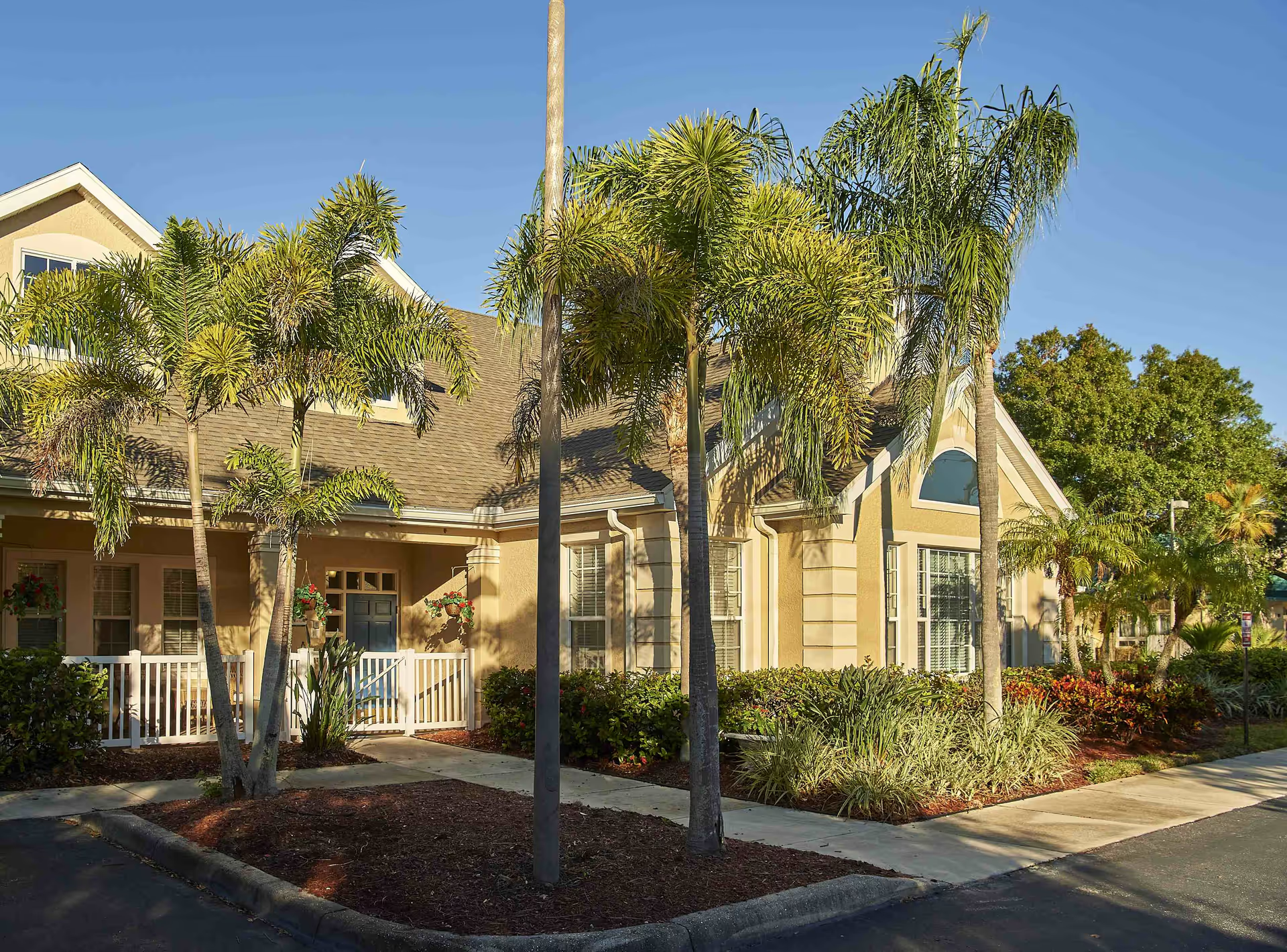
Venice Palms / Sunset Lake Village presents a mixed but clear pattern: the facility is regularly praised for its warm, home-like atmosphere and strong interpersonal culture, while operational inconsistencies create important caveats for prospective residents and families. Strengths frequently cited include a neighborhood model with small living clusters that encourage socialization, a welcoming and compassionate staff in many departments, an active calendar of outings and entertainment, and dining that many residents enjoy. Several reviewers highlighted efficient admissions, helpful maintenance response, bright apartments with good natural light, and a memory-care program that, when staffed well, supports resident independence and social engagement.
At the same time, recurring operational weaknesses merit attention. Staffing levels and scheduling are inconsistent: families described understaffing at certain times and high turnover that appears to affect continuity of care and staff competency. This variability manifests most clearly in personal and memory-care assistance, where some families experienced limited or delayed help with bathing, dressing, or other personal tasks. Clinical coverage also appears uneven — for example, limited nurse-on-site hours and differences in how care levels are assessed — producing situations where families felt the level of care did not match residents’ needs.
Housekeeping and basic maintenance are another area of mixed performance. Many common areas and some apartments are clean and well-kept, but multiple reviewers described inconsistent cleaning frequency and the need for deeper attention in private units. Exterior grounds and certain dated building elements were also described as in need of repair or refresh. Security and asset-protection controls are a distinct concern: several families described missing personal items and initial staff dismissiveness; these individual allegations indicate gaps in property-security protocols and incident-response procedures that the facility should address.
Programming and activities are generally a strength for independent and assisted-living residents — with active social calendars, bus outings, visiting performers, and regular group events — but programming for memory-care residents was noted as less consistent and, at times, insufficiently individualized. Communication and family engagement vary by case: many families praised responsive leadership and an open-door approach, while others experienced delays or perceived dismissiveness when raising clinical, billing, or security concerns. Financial transparency also emerged as an issue in a handful of accounts, including disputes over deposits, fee reclassification when care needs changed, and difficulty obtaining satisfactory resolutions.
In sum, the facility offers many characteristics that families value — small-house scale, a caring frontline staff, robust social programming, and generally enjoyable dining — but these strengths are counterbalanced by recurring operational challenges: inconsistent staffing and training, uneven housekeeping and maintenance, gaps in clinical coverage and care-level assessment, security and incident-response weaknesses, and occasional billing/communication problems. Prospective families should consider an in-person tour, ask specifically about nurse availability and staff turnover, review security and property-protection policies, and obtain clear, written explanations of fees and care-level triggers before deciding.