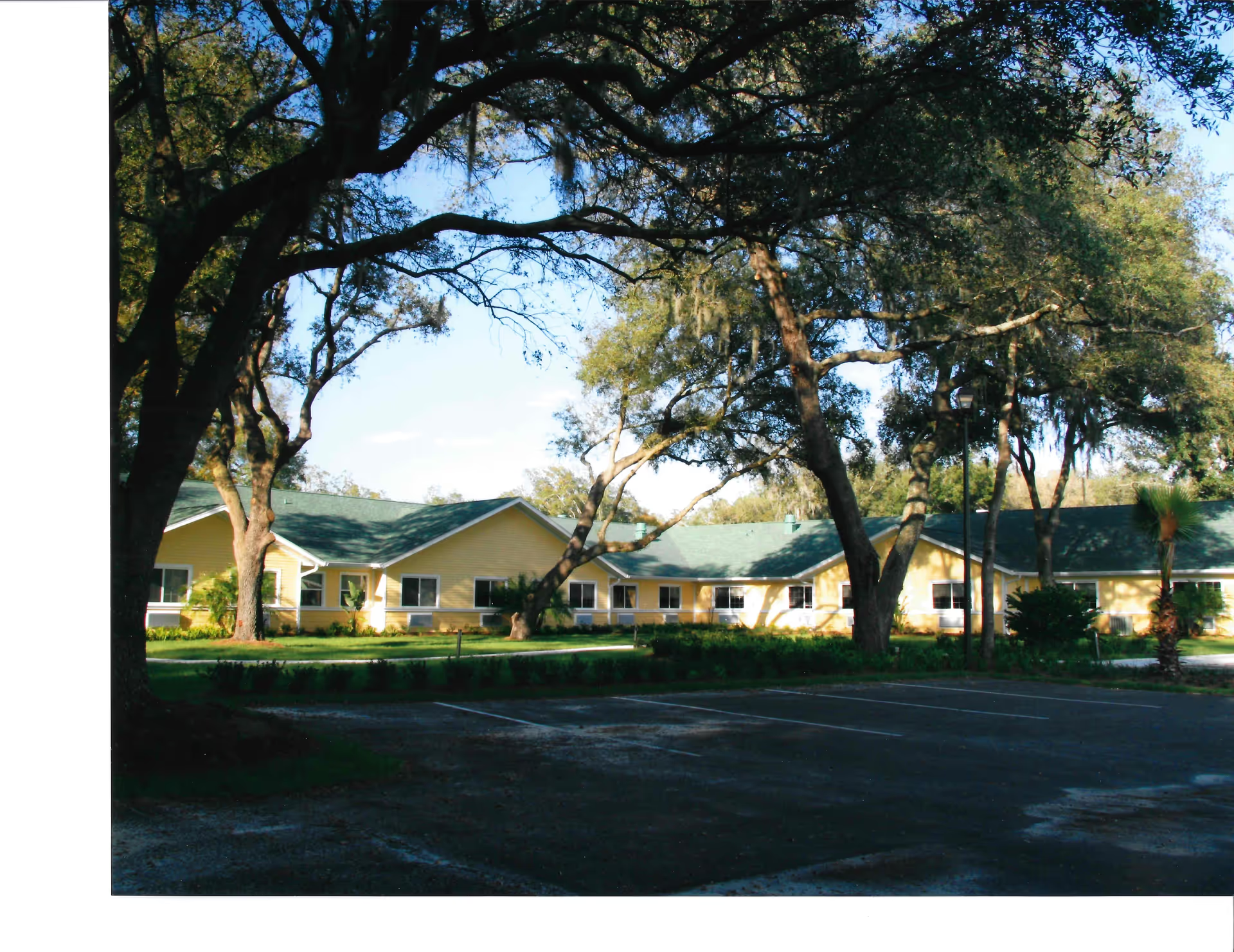
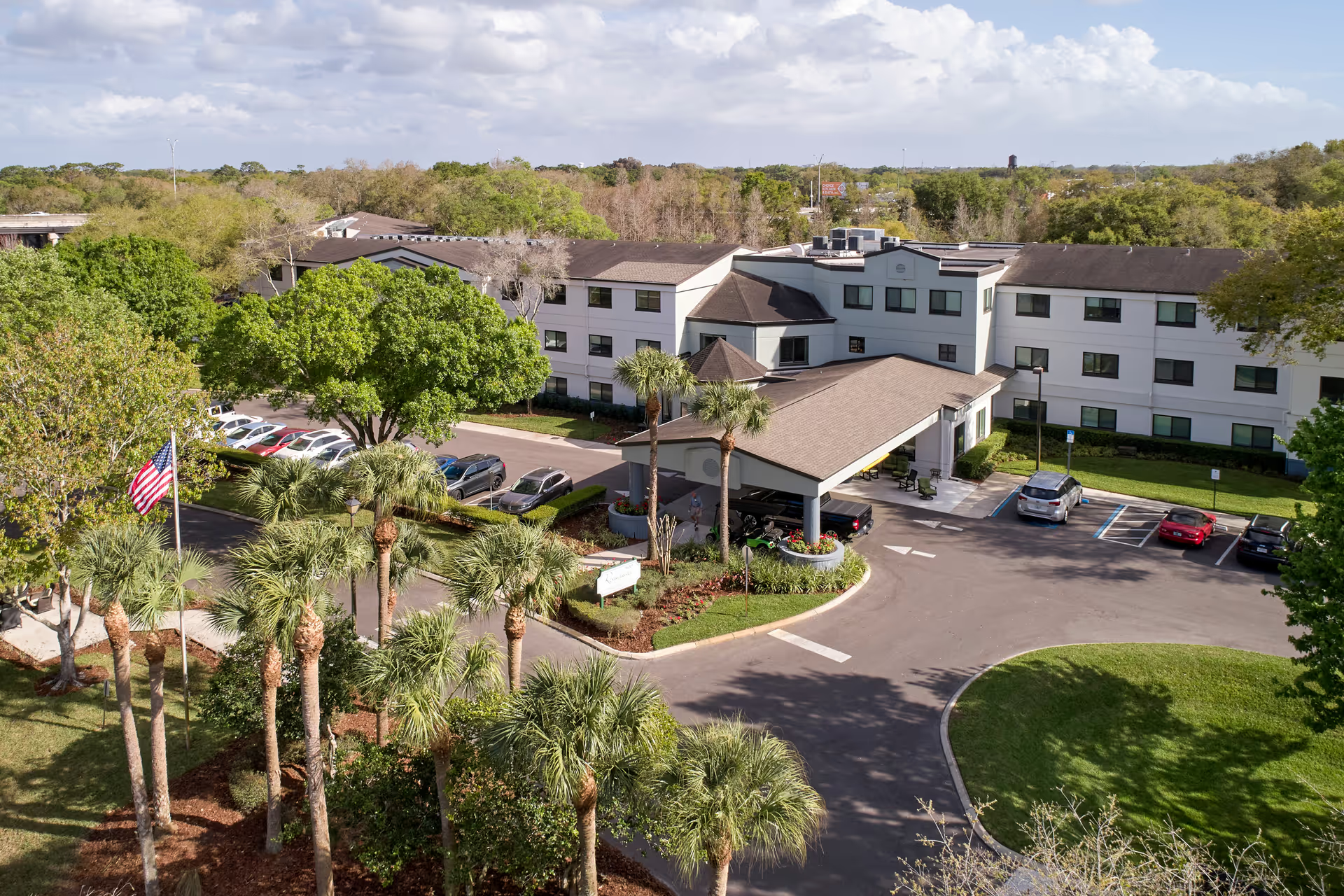
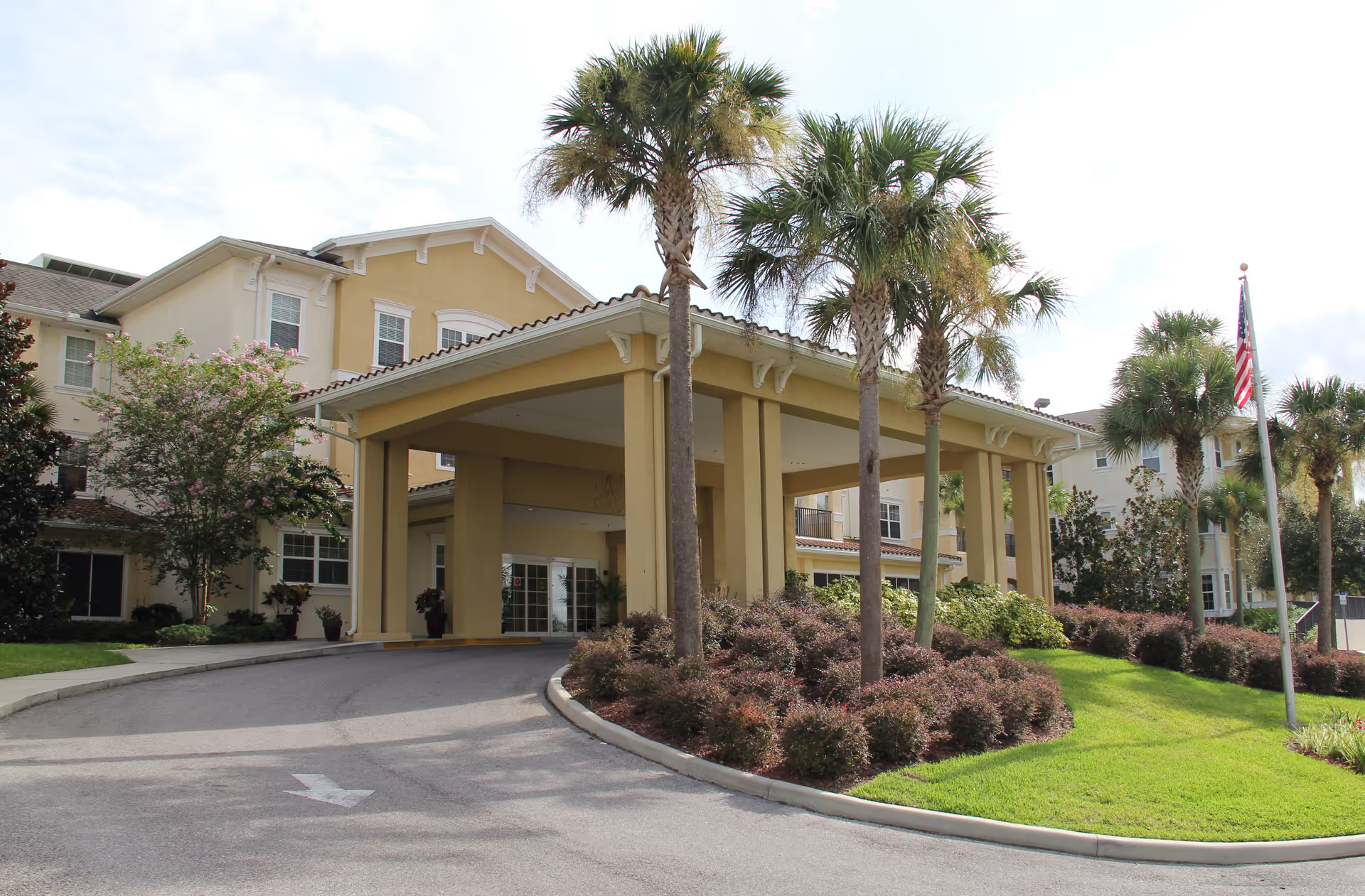
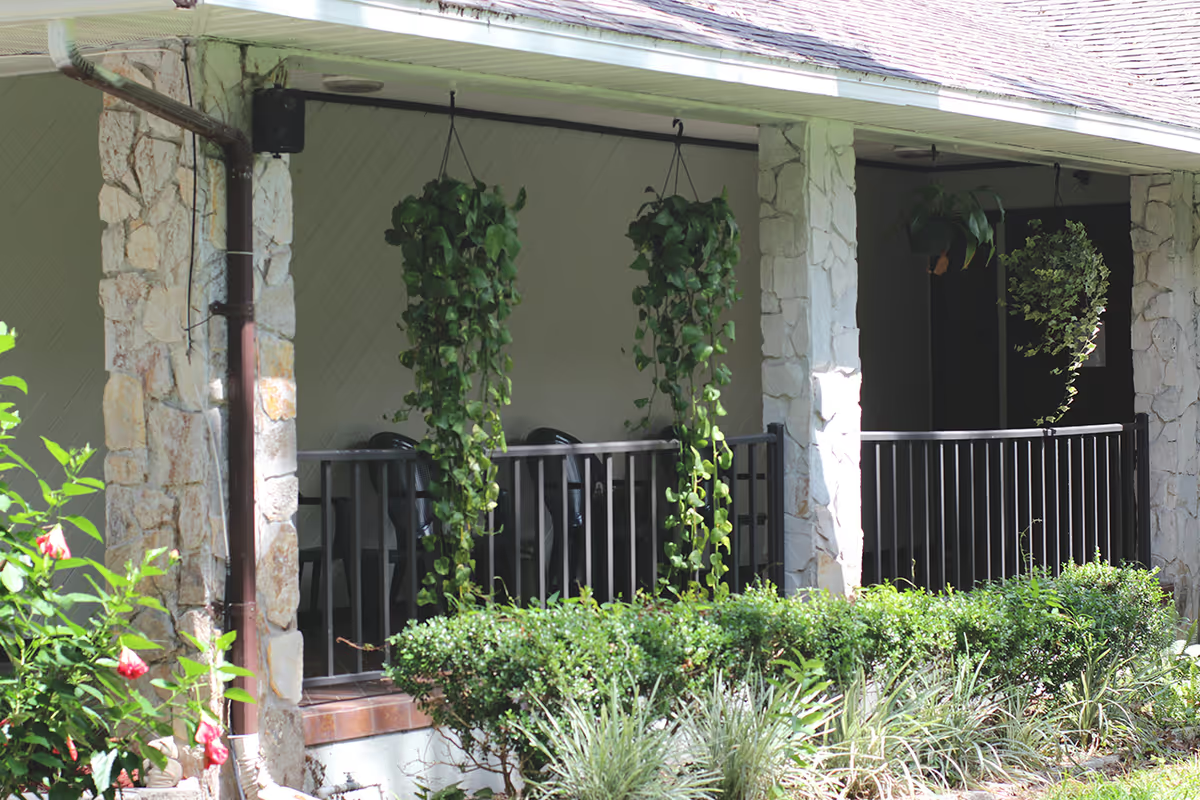
Blue Heron Senior Living elicits a strongly mixed portrait: many accounts praise the campus, amenities and rehabilitation services, while a substantial number of accounts describe operational gaps that affect day-to-day care. Positively, the community is frequently described as modern and resort-like, with private rooms, attractive common spaces, landscaped grounds, and amenities such as a movie theater, salon, bistro and secure memory-care courtyard. The admissions team and front-desk personnel receive consistent commendation for being helpful and welcoming. Therapy services (physical, occupational and speech therapy) are highlighted repeatedly as a strength, with capable therapists and state-of-the-art equipment contributing to measurable rehabilitation outcomes for many residents.
Staff-level impressions are polarized. Numerous descriptions emphasize compassionate, attentive CNAs, nurses and rehabilitation staff who provide individualized assistance, strong family communication, and effective care coordination between nursing and therapy. At the same time, other accounts point to variability in clinical competence and training, an inexperienced or uneven leadership presence in some clinical roles, and instances of staff conduct or tone that families found concerning. This variability appears linked to staffing patterns: several descriptions cite understaffing during weekends and night shifts, expanded patient loads per aide, and consequent delays in assistance and task completion.
Operational themes that recur across accounts include inconsistencies in medication administration and refill processes, irregular therapy delivery compared with scheduled or promised hours, and problems with laundry/linen management and personal-item handling. Families also raise sanitation and cleanliness concerns in parts of the interior and point to episodic hygiene- and repositioning-care delays. These issues are frequently framed alongside long call-response times and delays reaching management or case workers for problem resolution. A subset of reviewers characterized the facility as being less well-equipped for higher-acuity skilled nursing needs, citing gaps in monitoring, clinical follow-through, and discharge planning.
Dining and activities present another mixed pattern. The facility’s dining venues, flexible secondary-menu options and social programming (bingo, outings, exercise, arts) are often praised and described as above-average. Conversely, some families report cold or repetitive meals, compressed dining windows, and inconsistent breakfast timing on weekends. Activity staff and event programming generally receive positive comments, and the environment is frequently described as lively when staffing allows.
Management and communication are described as inconsistent. Admissions and select case managers are frequently singled out positively, but other comments cite difficulty contacting leadership, slow follow-up on concerns, and perceived de-prioritization of staff feedback by some administrators. Several reviewers recommend verifying weekend coverage, medication protocols, laundry processes, and therapy schedules during touring and intake conversations.
In summary, Blue Heron offers strong physical plant advantages and a capable rehabilitation program with many staff members who are viewed as caring and skilled. However, the facility exhibits recurring operational weaknesses—most notably inconsistent staffing coverage (weekends/nights), variability in clinical practice and medication processes, laundry and cleanliness lapses, and unreliable follow-through from some management and case-management functions. Prospective residents and families should weigh the facility’s attractive amenities and rehab strengths against these operational patterns, and consider targeted questions and observations during tours (weekend/night staffing, medication/refill procedures, therapy scheduling, laundry/linen handling, and examples of recent quality-improvement actions) to assess current performance and fit.