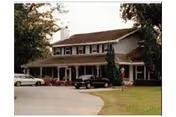
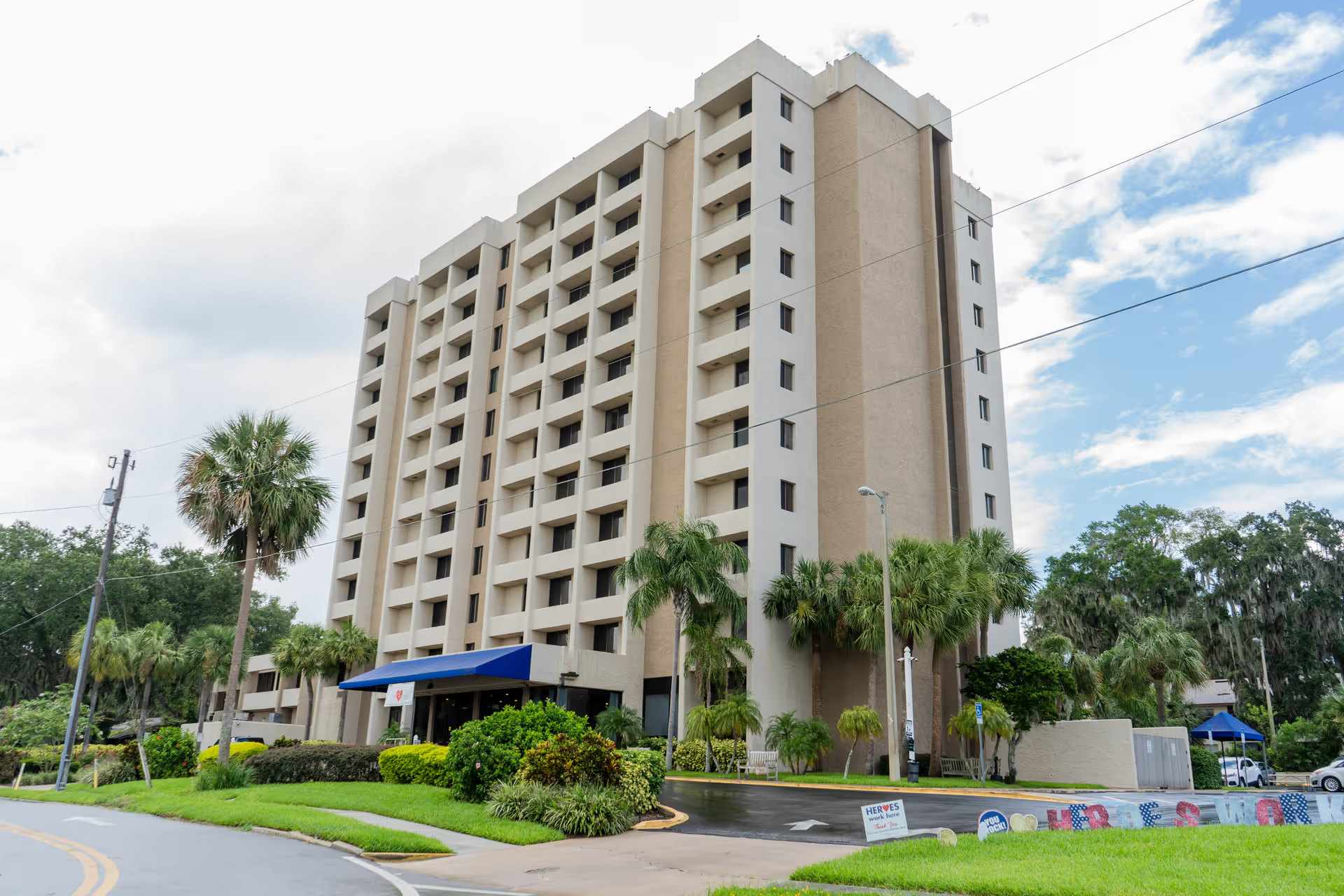
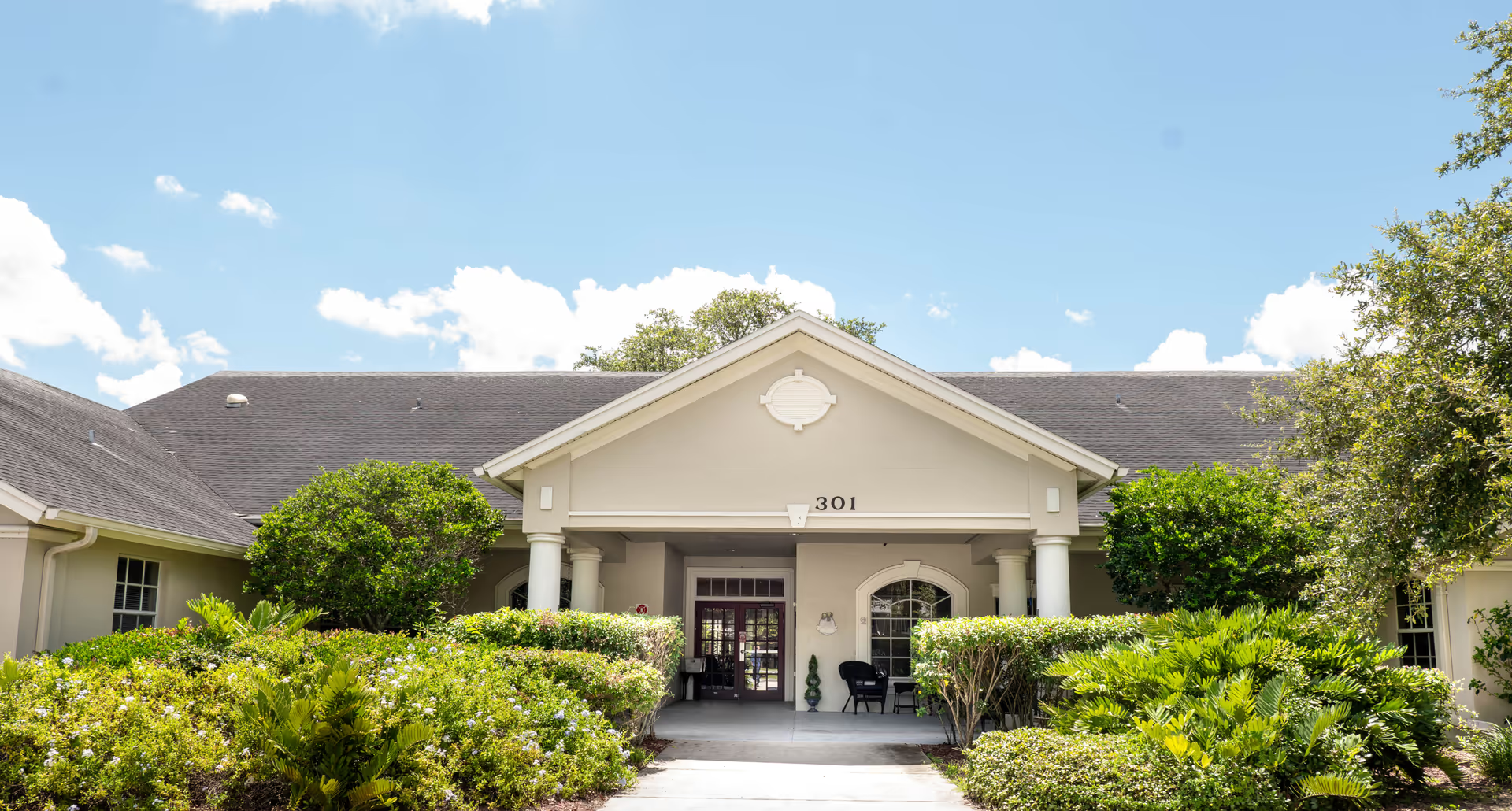
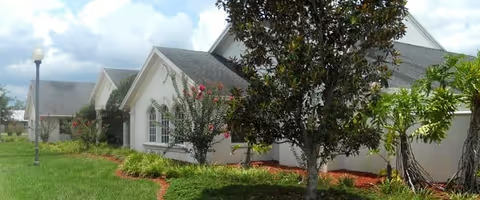
Brookdale Winter Haven elicits a mixed but clear pattern of strengths and operational weaknesses. Strengths frequently cited include a warm, personable caregiving staff and a generally clean, well-maintained campus with separate assisted living and memory-care buildings. Families often praise the facility’s secure entry system, the home-like dining room, active social programming (music, dancing, outings and shopping trips), and practical services such as weekly laundry and transportation to appointments. Admissions and sales staff receive consistent positive feedback for clear, timely communication and individualized move-in support.
Care quality appears uneven across reviewers. Many accounts describe attentive, compassionate front-line caregivers and specific staff who go above and beyond, while other accounts point to staffing instability and turnover that correlate with declines in service consistency. Clinical concerns cluster around medication administration and chronic-condition monitoring — notably diabetes/blood-sugar checks and medication-refill processes — with some reports of delays or errors significant enough to prompt hospital evaluation. A subset of families also raised concerns about end-of-life medication access and coordination; these should be considered serious family-experience issues when planning care transitions.
Dining and activities are often strengths but with variability. Several reviewers praise the dining atmosphere, menu items, and entertainment; others describe repetitive menus, unavailable breakfast options, slow service for specialty diets (for example, diabetic meals), and unusual meal timing. Activity programming is robust in many parts of the community, including planned outings and on-site events, but some units reported limited offerings or gaps when key staff (such as an activities director) were absent.
Facility upkeep and housekeeping receive mixed feedback. Many families describe bright, clean common areas and well-kept grounds, while others report maintenance and sanitation problems in specific apartments—examples include mold, furniture deterioration, and laundry/linen inconsistencies—which point to uneven maintenance follow-through. There are also isolated pest-control concerns identified by families. Housekeeping consistency and timely remediation of environmental issues appear to be operational areas needing attention.
Administrative performance shows polarization. Positive notes include helpful, communicative admissions staff and administrators who are responsive during the initial placement period. Conversely, several reviews document billing disputes, unexplained extra charges, denied refunds, and slow or unhelpful responses from management when families raise problems. These patterns suggest the facility’s administrative and billing processes may lack consistent transparency and follow-through.
In summary, Brookdale Winter Haven offers several attributes attractive to prospective residents: a secure, home-like environment; active social programming; practical services such as laundry and transportation; and many individual staff members who provide compassionate care. However, families should weigh those strengths against recurring operational concerns: staffing instability, gaps in medication management and clinical monitoring, variability in dining and housekeeping consistency, and occasional problems with administrative communication and billing. Prospective residents and families would benefit from targeted questions during touring and contracting—specifically about staff continuity, clinical protocols for medication and diabetes monitoring, housekeeping turnaround times, pest/mold remediation procedures, and written explanations of fees and refund policies—to determine whether the facility’s current operations meet their care needs.