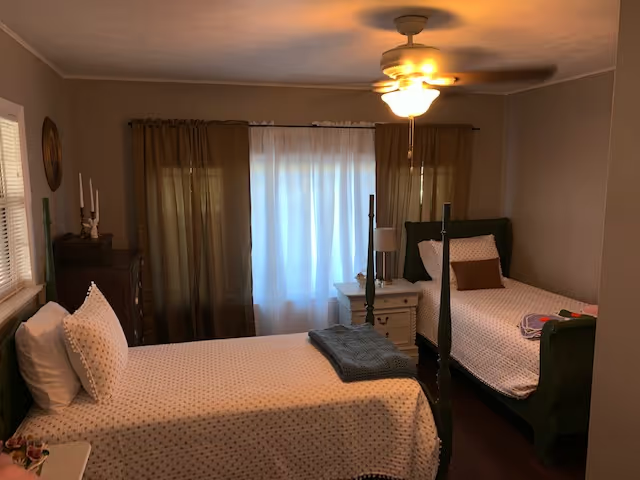
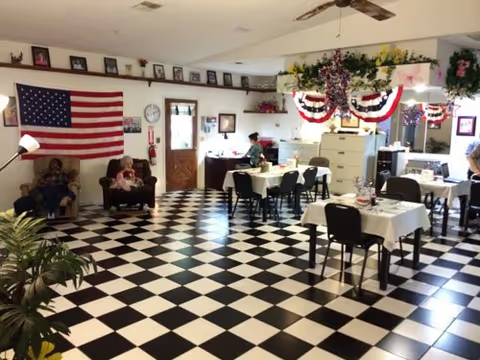
Hillside Health and Rehabilitation Center elicits strongly mixed impressions across reviewers. Many families and residents praise the facility’s hands-on caregivers and rehabilitation teams; physical and occupational therapy are repeatedly cited as effective and supportive, and numerous reviewers describe positive short-term recovery outcomes. Individual nurses, CNAs, and front‑desk staff receive frequent commendation for compassion, bedside manner, and efforts to make residents comfortable. In parts of the facility housekeeping and maintenance are noted as exemplary, and private, spacious rooms near the nurses’ station are called out as a positive feature for patient monitoring and comfort.
At the same time, a consistent theme across feedback is variability in day‑to‑day operations. Staffing instability and high turnover appear to drive many operational gaps: delayed responses to call lights and resident requests, inconsistent bathing and toileting assistance, and uneven medication administration and documentation. Reviewers describe instances that indicate broader process weaknesses rather than isolated events — for example, inconsistent availability of clinicians, missed or late medications, and slow follow‑up on clinical concerns — which point to gaps in clinical oversight and staff training.
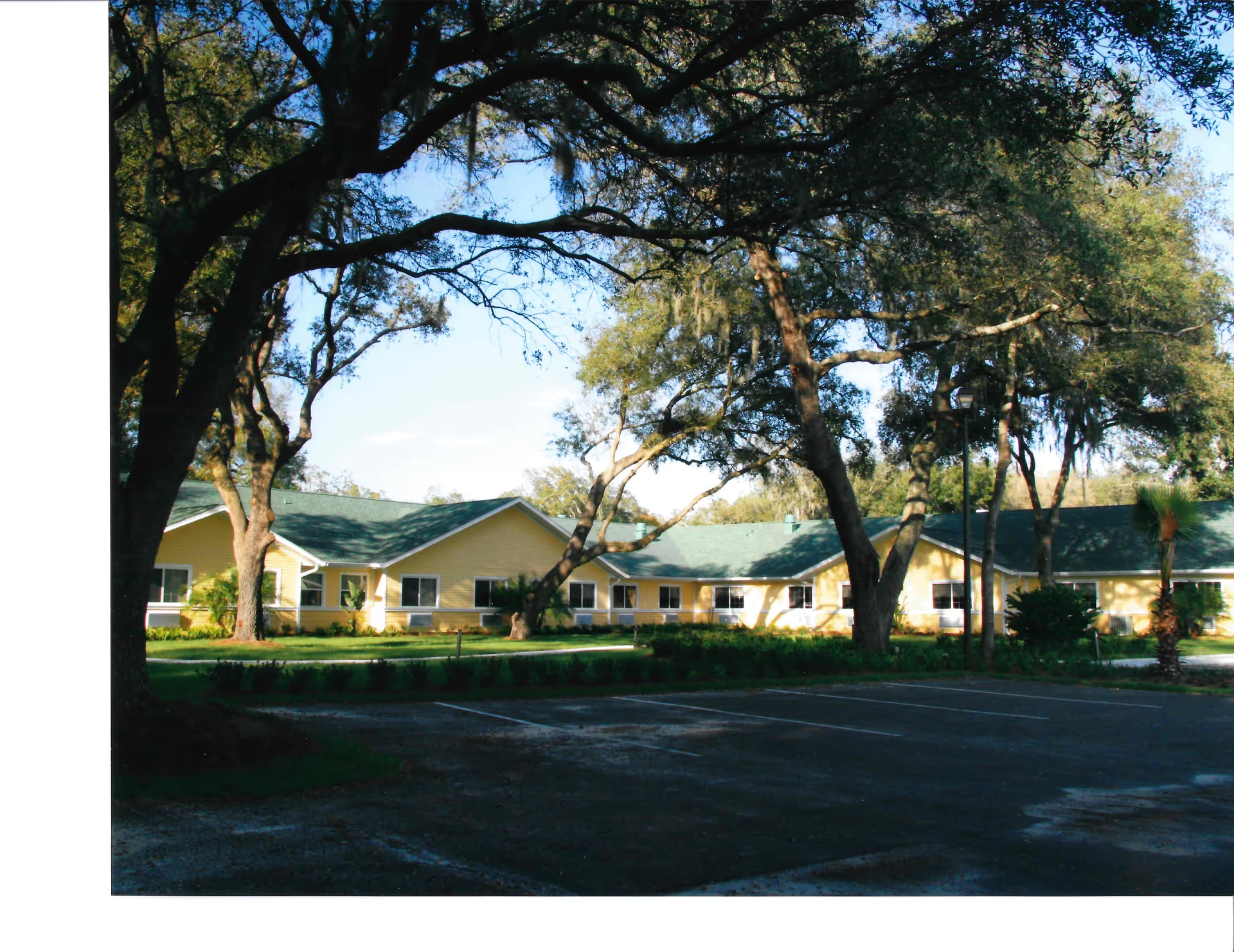
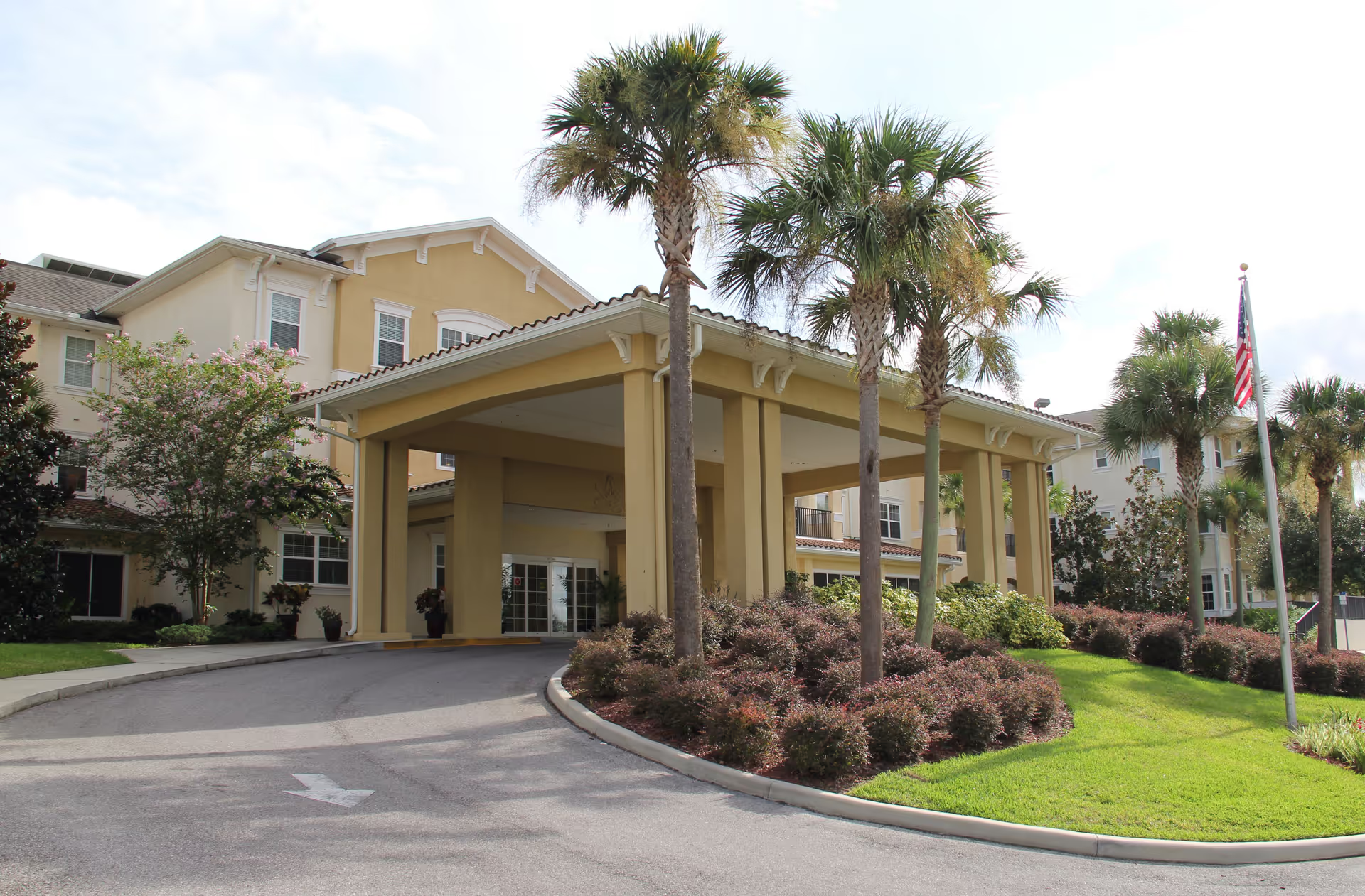
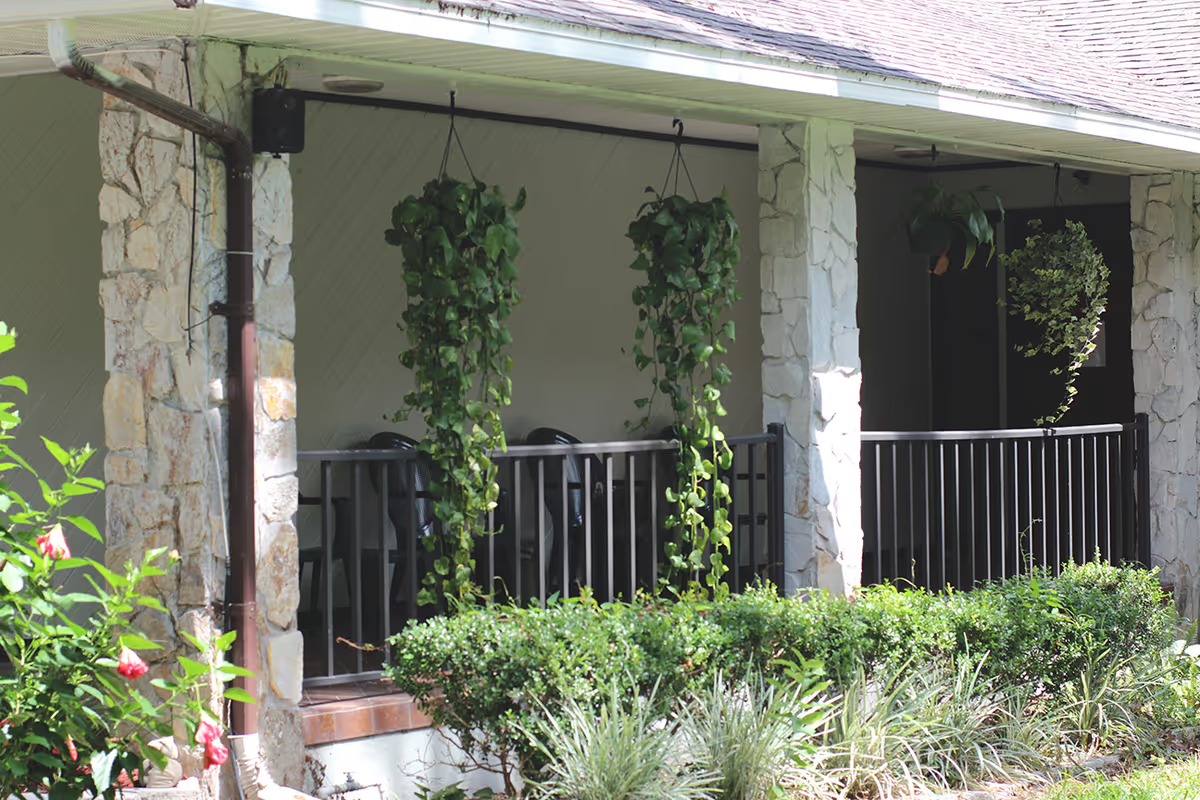
Dining and housekeeping are areas of mixed performance. Several reviewers commend the kitchen staff and certain clean, well‑maintained units; others report inconsistent meal quality, late deliveries, small portions, and cleanliness or odor concerns in specific wings. Facility condition observations range from recently renovated, inviting spaces to older areas with cosmetic deterioration and intermittent sanitation and pest‑control issues. These inconsistencies suggest that experience can vary substantially by unit and shift.
Management and communication are also uneven. Some families single out administrators and bedside leaders for proactive attention and responsiveness; others describe administrative turnover, poor communication about care plans, delayed discharge coordination, and perceptions of prioritizing financial or operational considerations over consistent care delivery. There are also mentions of security and property‑control lapses and isolated serious allegations that warrant direct inquiry during a tour or intake.
Notable patterns to consider: the facility demonstrates real strengths in rehabilitation therapy and in the compassion of many front‑line caregivers, making it a viable option for short‑term recovery when therapy access and staffing are reliable. However, variability in staffing, clinical oversight, sanitation, meal service, and communication means that prospective residents and families should ask targeted questions before admission. Recommended pre‑admission checks include current staffing ratios and turnover, medication‑management protocols, cleaning and pest‑control processes, physician coverage and care‑plan documentation, typical therapy start times, and unit‑specific conditions. Observing a unit during different shifts and speaking with recent families can help assess which areas consistently meet expectations and which may be subject to the operational inconsistencies noted above.