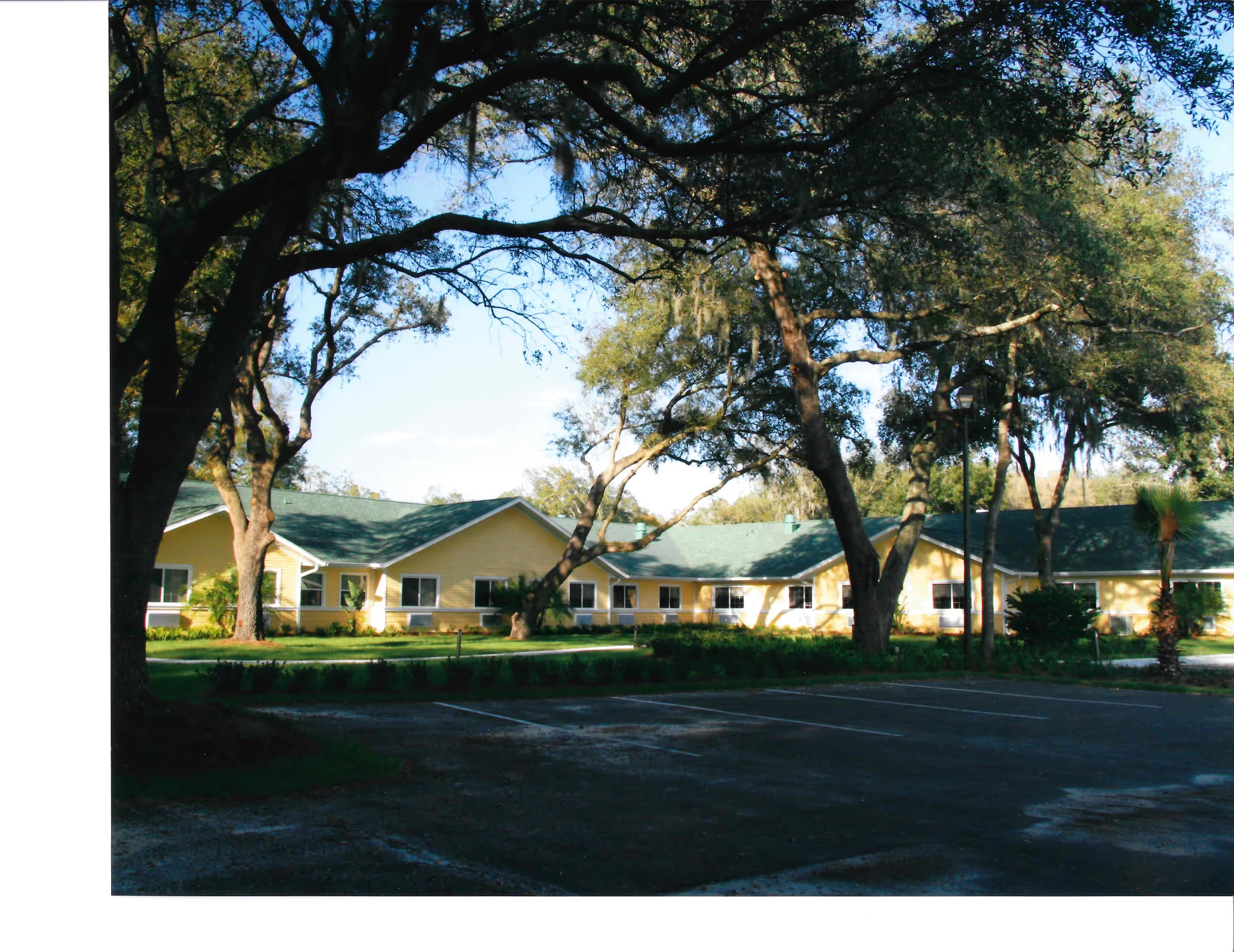
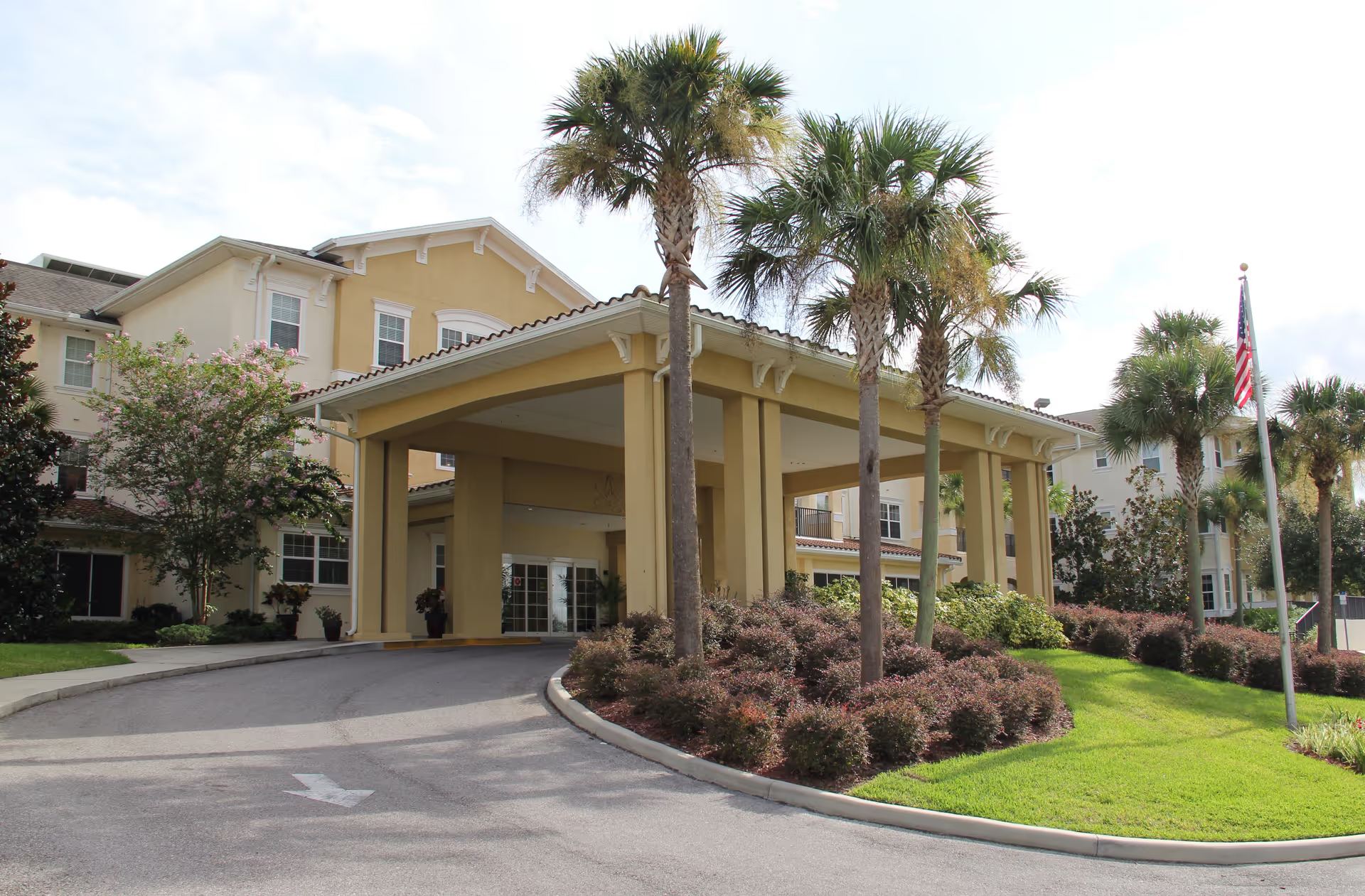
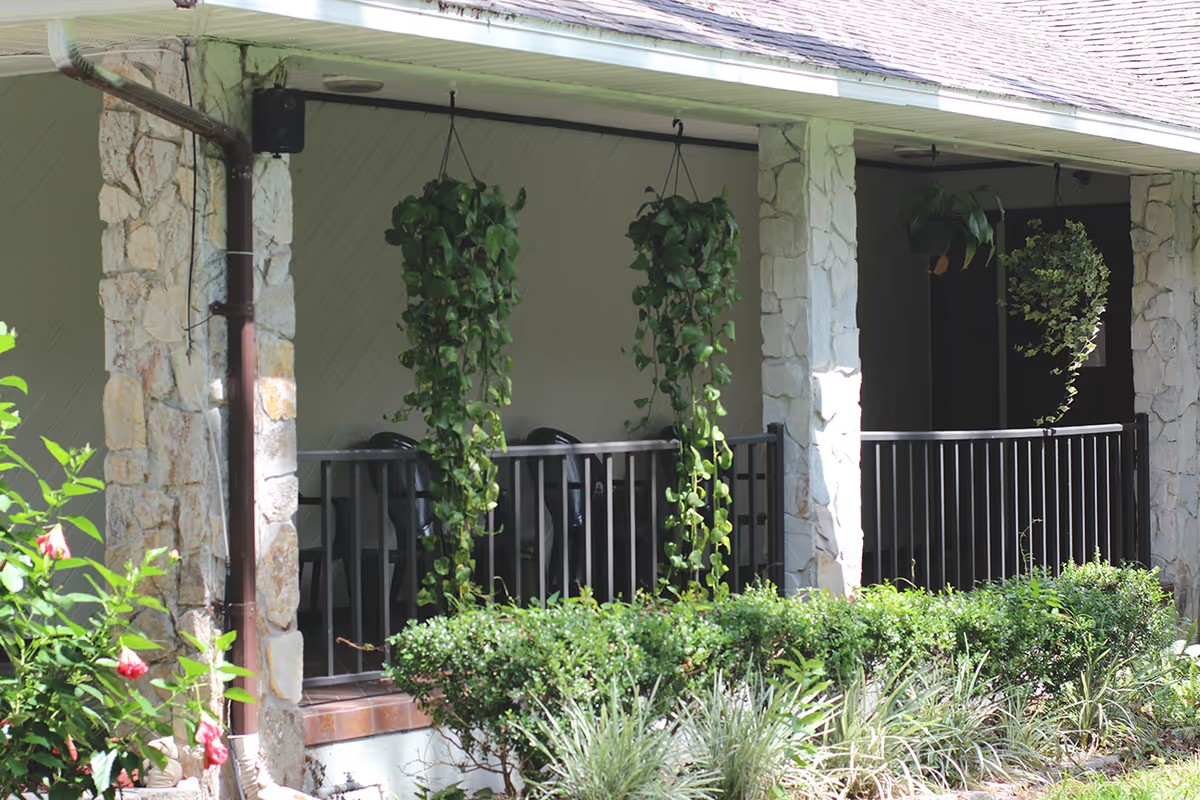
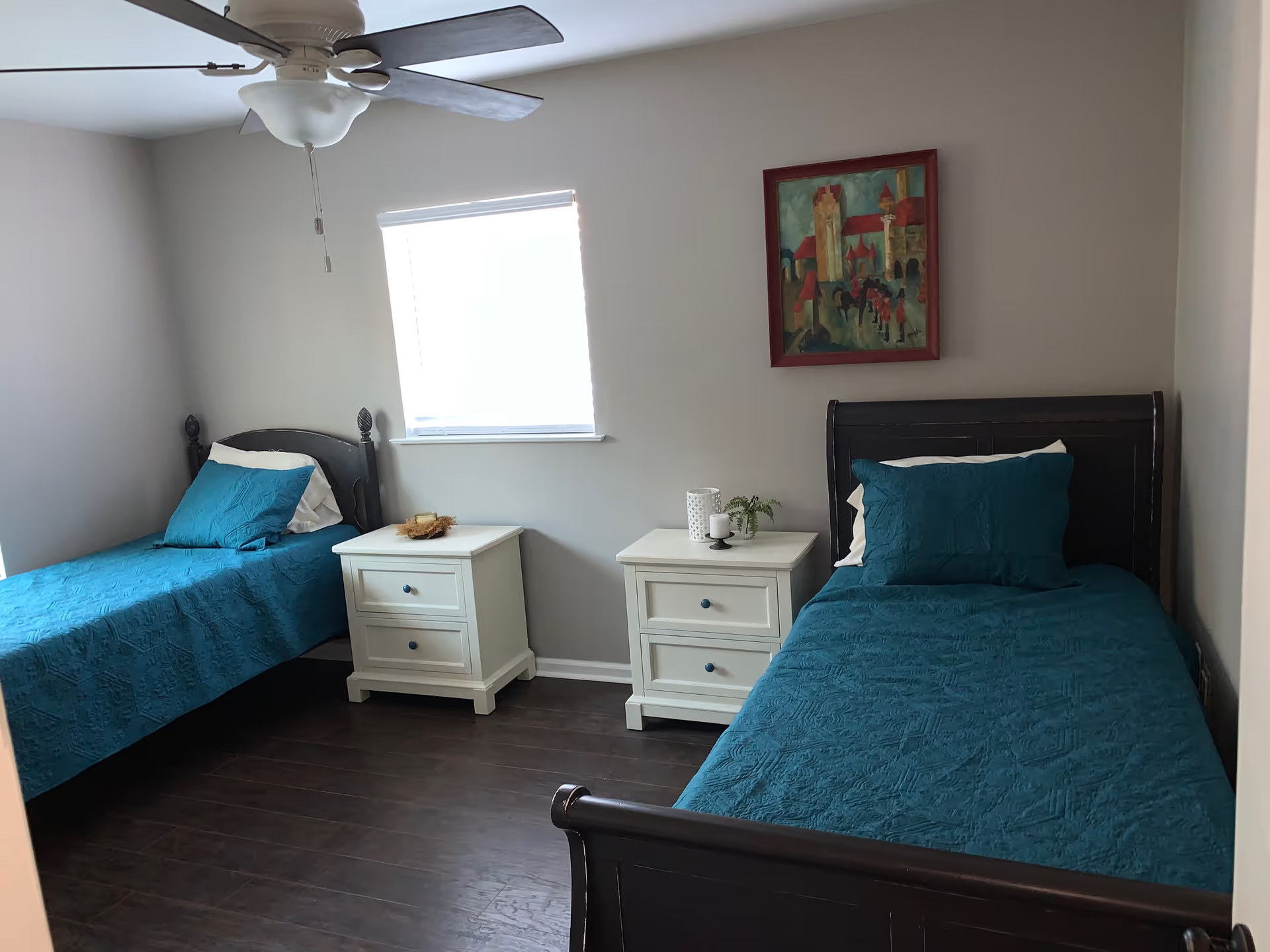
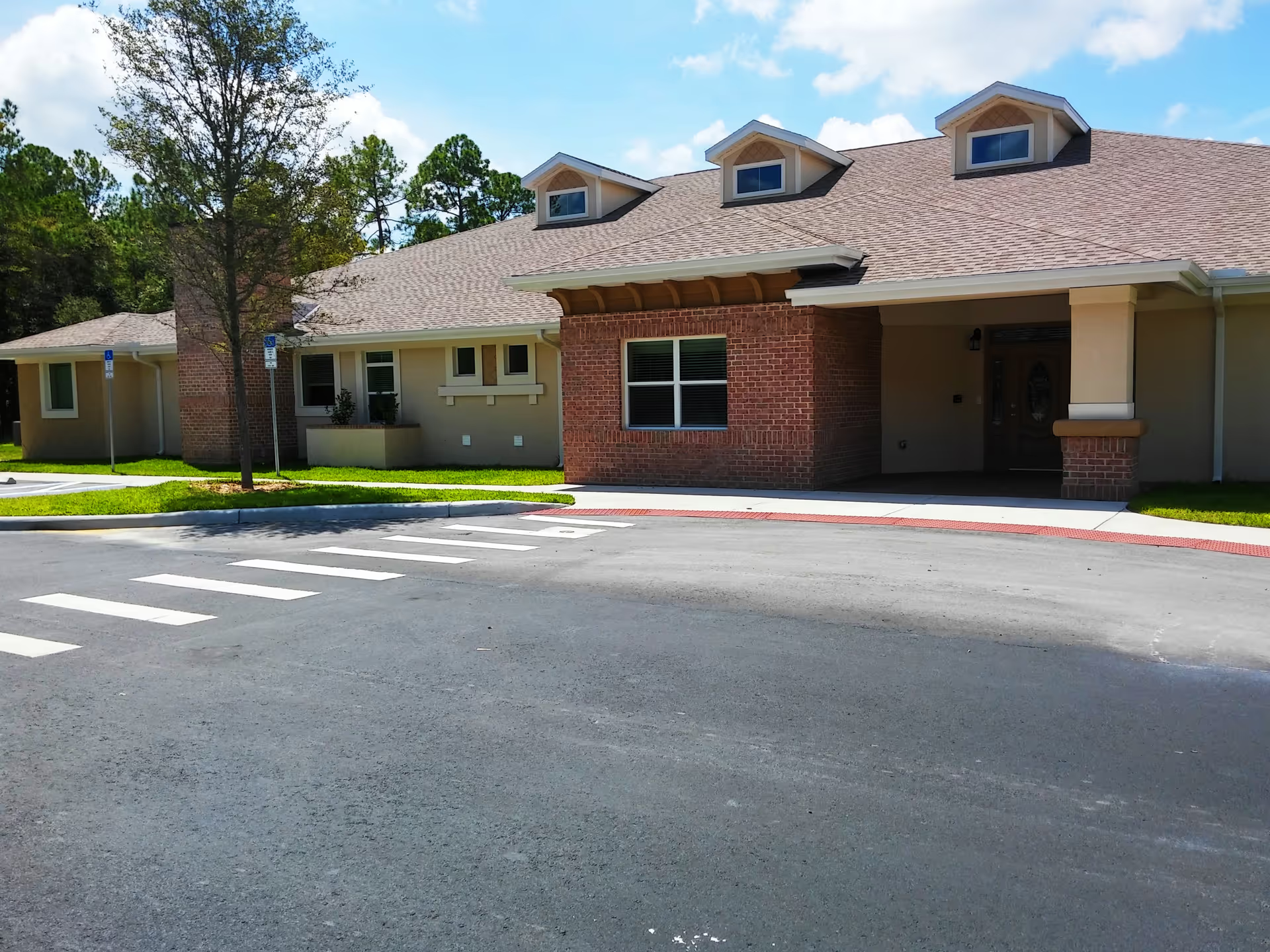
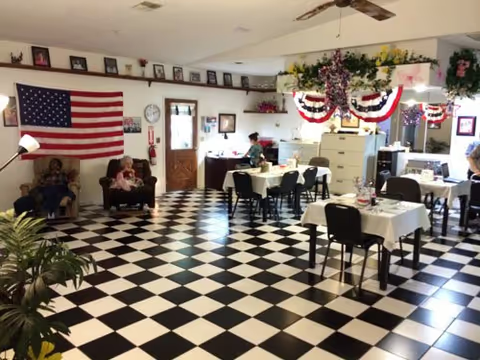
Wellspring Assisted Living elicits strongly mixed impressions. Many family members and residents describe a caring, family-like culture led by engaged owners and an administrator who is perceived as hands-on. Positive comments emphasize compassionate bedside manner, consistent updates to families, and staff who encourage socialization. The facility offers regular medical attention including weekly psychiatric visits and on-site clinical staff, and several reviewers highlighted medication-management support and assistance as a benefit. Affordable pricing, small functional rooms, and communal holiday meals and activities are also noted strengths.
Care and staffing are the most polarizing aspects. Positive accounts describe patient, empathetic staff who coordinate with families and make residents more socially engaged and healthier. Conversely, other accounts raise concerns about inconsistent responsiveness and supervision, including delays in attending to residents' needs. These contrasting perspectives suggest variability in staff performance or staffing levels that can affect individual resident experiences.
Dining and activities present a mixed picture. Some reviewers praised well-balanced, tasty meals served three times daily and appreciated organized activities such as Bingo and karaoke that promote engagement. At the same time, there are consistent comments about inconsistent meal quality and lapses in dietary oversight for residents with specific nutritional needs.
Facility and environmental concerns also appear in the comments. Several reviewers identified sanitation and odor concerns in certain areas, incontinence-care delays, and unreliable heating or air-conditioning in resident rooms. These issues point to gaps in environmental maintenance and routine care processes rather than uniformly poor physical plant conditions.
Clinical oversight and administration show both strengths and weaknesses. Regular clinical visits and medication support are positives, but some families reported gaps in medication administration and clinical monitoring. There are also mentions of delayed or poor phone communication from management. A small number of reviewers made serious claims, including allegations of theft and financial exploitation and concerns following a resident's death; these are isolated yet significant and warrant direct inquiry by prospective families and verification with regulators or facility leadership.
Overall, Wellspring appears to provide a warm, community-oriented environment for many residents, supported by caring staff and engaged ownership. At the same time, recurring operational issues—particularly around consistency of care, meal and dietary management, environmental controls, sanitation in some areas, and administrative responsiveness—are important considerations. Prospective residents and families should visit in person, ask for documentation of clinical protocols (medication administration, dietary plans, incident follow-up), review staffing patterns, and discuss any specific safety, hygiene, or financial safeguards before making a placement decision.