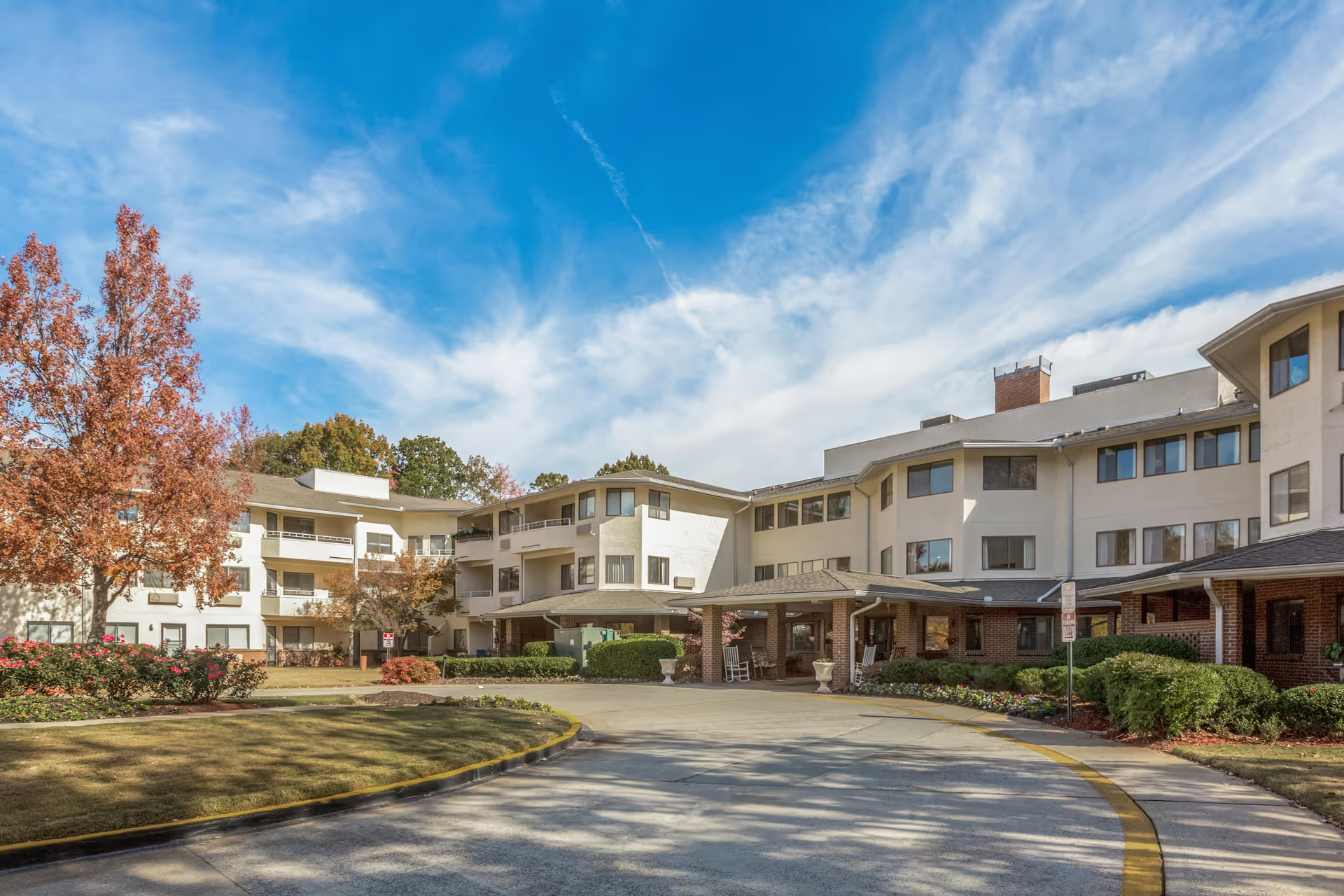
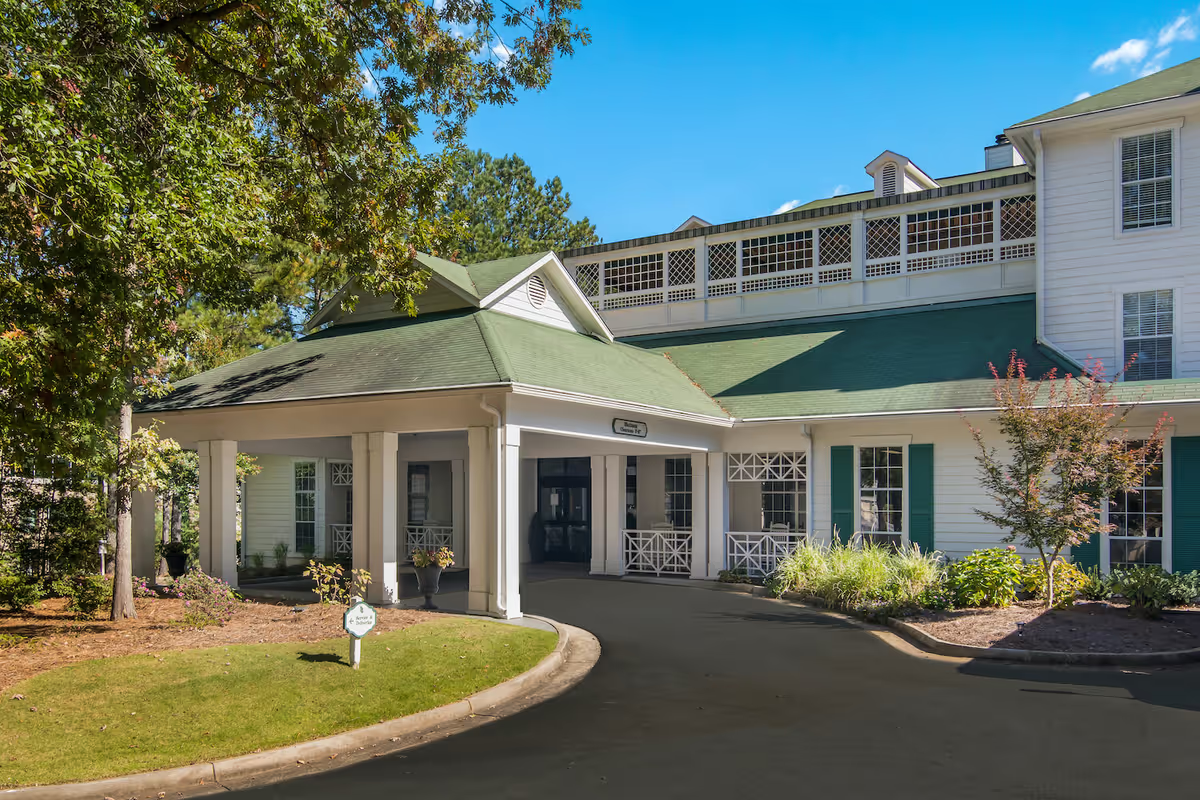
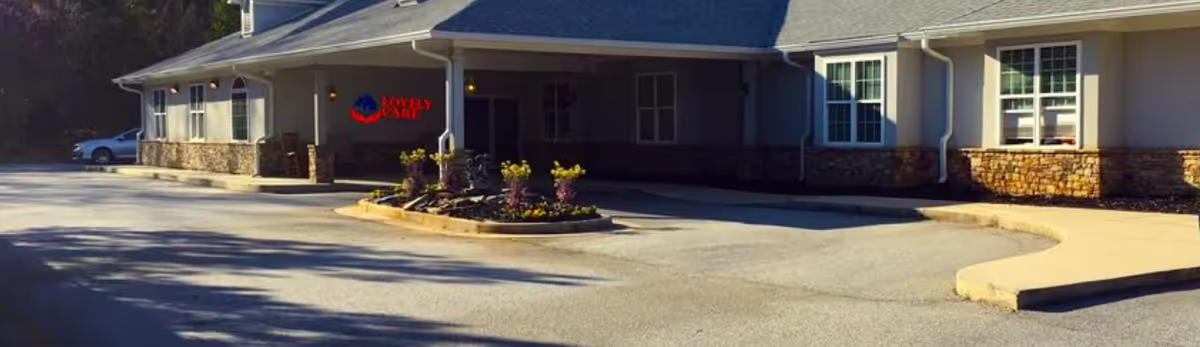
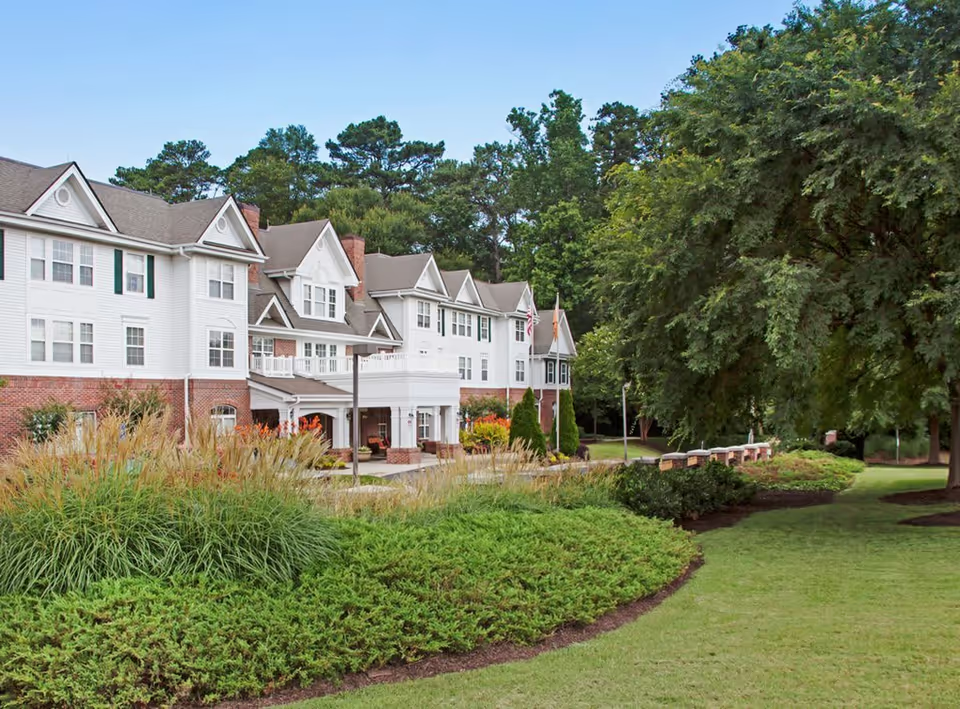
Reviewers present a mixed but actionable picture of A.G. Rhodes Atlanta. Strengths are concentrated in direct resident care and rehabilitation: many families commend nurses, CNAs, and therapists for compassionate care, prompt clinical assessments, effective OT/PT, and attentive pain management. Short-stay and hospice-oriented admissions are often described as well handled, and front-desk/admissions staff are frequently singled out for helpful coordination. The site’s activities program — music therapy, horticultural therapy, bingo, trivia and similar offerings — and the garden/outdoor spaces receive consistent praise as meaningful quality-of-life supports.
Staff culture appears uneven. Numerous accounts describe staff members who are warm, communicative, and professional; however, parallel accounts note variability in conduct, training, and responsiveness, especially during weekends or evenings. A recurring operational pattern is inconsistent response time to call bells and time-sensitive needs. Several reviewers described situations that indicate gaps in bedside responsiveness and in how staff apply protocols under stress, which families found distressing.
Dining and housekeeping show a split experience. Many reviewers found rooms and common areas clean and well maintained, and some praised meal portions and taste. At the same time, there are ongoing concerns about meal consistency, limited fresh produce, and kitchen quality; sanitation and odor concerns were also raised for specific areas such as entrances or particular units. These appear to be localized rather than universal but are significant enough to affect impressions of overall environmental quality.
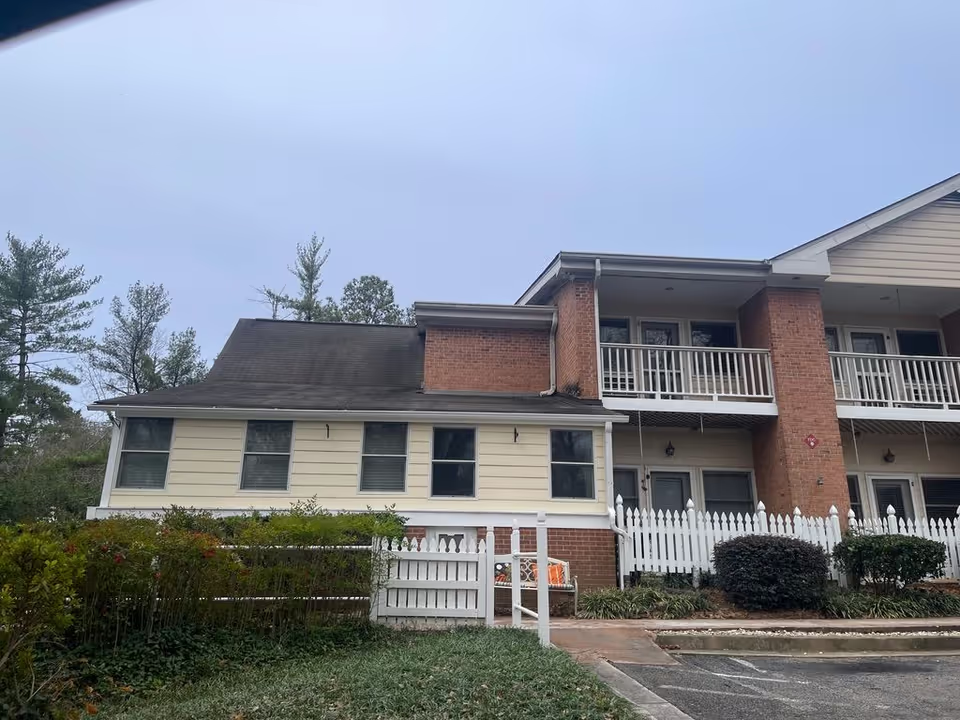
Administrative and system-level issues arise repeatedly. Reviewers described delays and poor communication around billing, medical records, and end-of-life paperwork, and a few flagged pharmacy coordination or medication-management problems. There are also reports of missing personal items and unclear property controls, suggesting opportunities to strengthen inventory processes and family communication protocols. The physical plant is described as aging in places — families noted that rooms, bathrooms and dining areas would benefit from refurbishment — and there are occasional safety/maintenance items (for example elevator repair and pest-control attention) that need ongoing oversight.
Taken together, the pattern is one of solid clinical and rehabilitative capability supported by engaged individuals, but with variability in operational consistency. Prospective residents and families who prioritize therapy, compassionate caregivers, and an active activities program may find good fit here; those for whom consistent weekend staffing, kitchen variety, rigorous property controls, or recently renovated rooms are top priorities should ask targeted questions during a tour (staffing ratios and weekend coverage, medication/pharmacy processes, meal menus and nutrition oversight, property-inventory policies, and maintenance schedules). Management-side improvements in consistency, communication, and infrastructure maintenance would address the principal concerns cited across reviews.