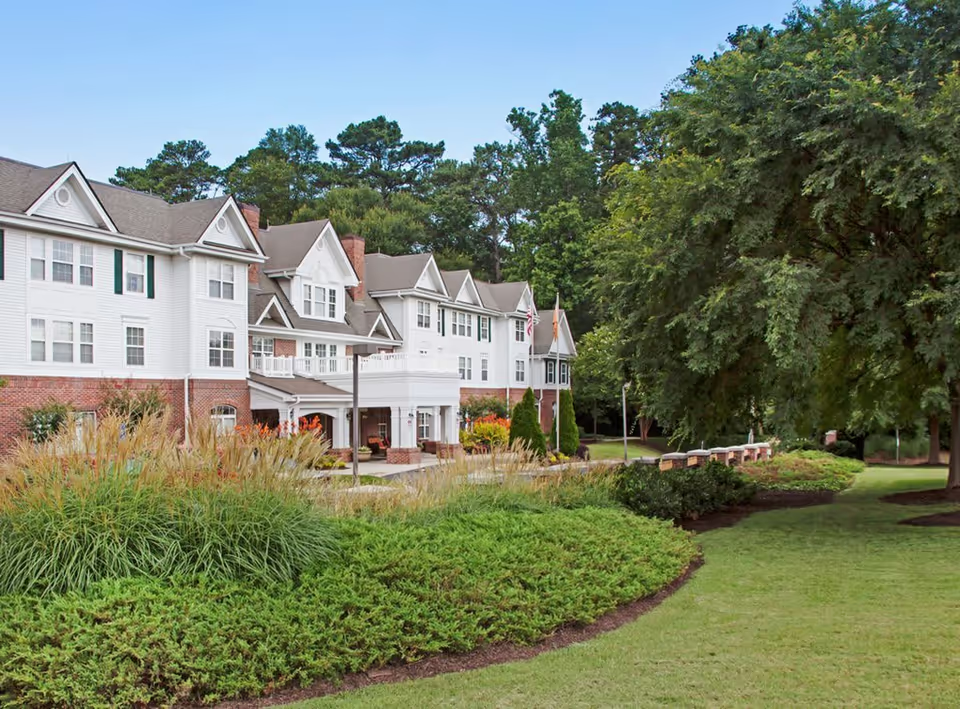
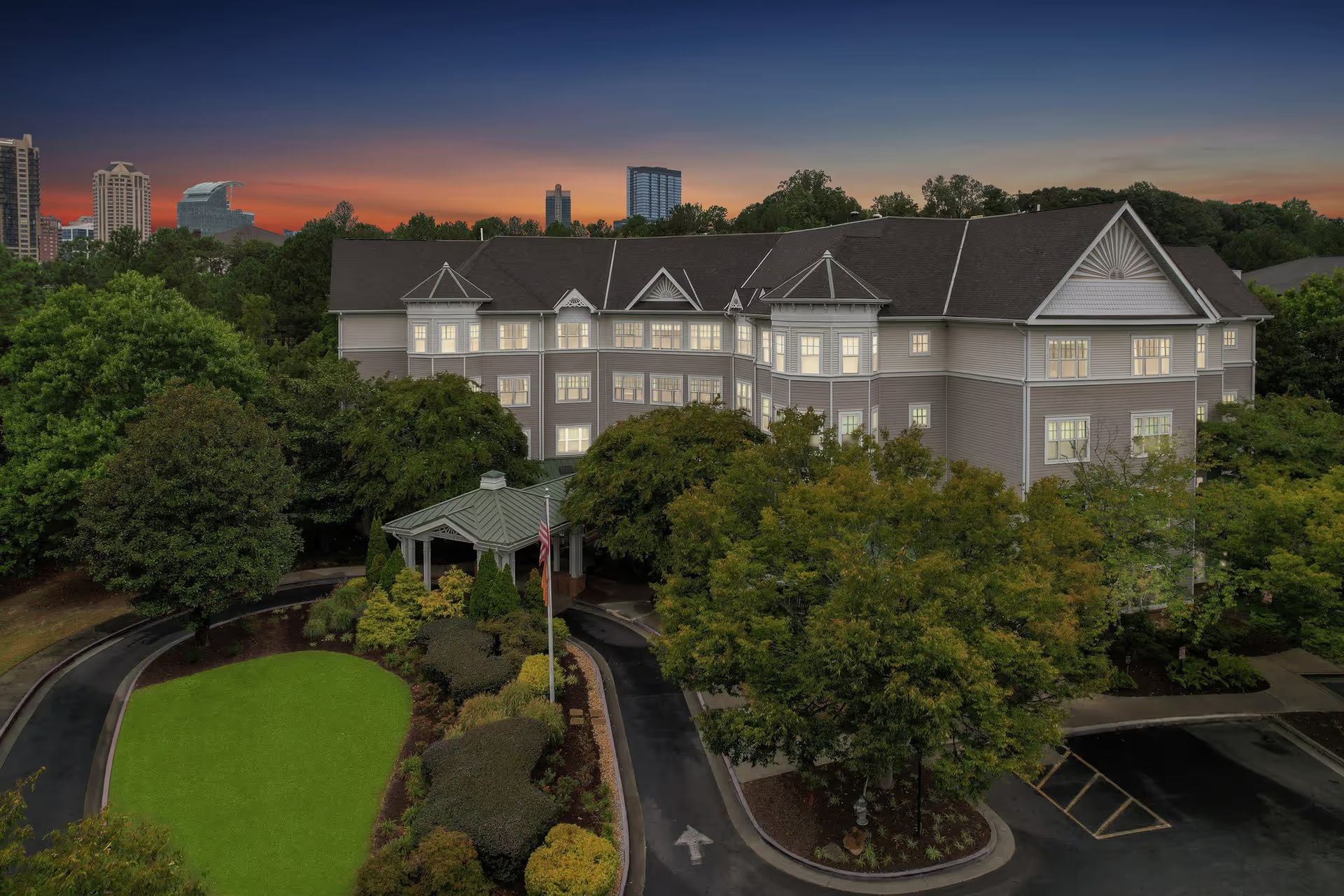
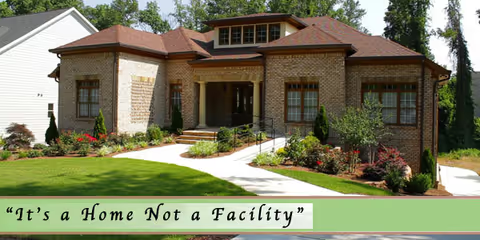
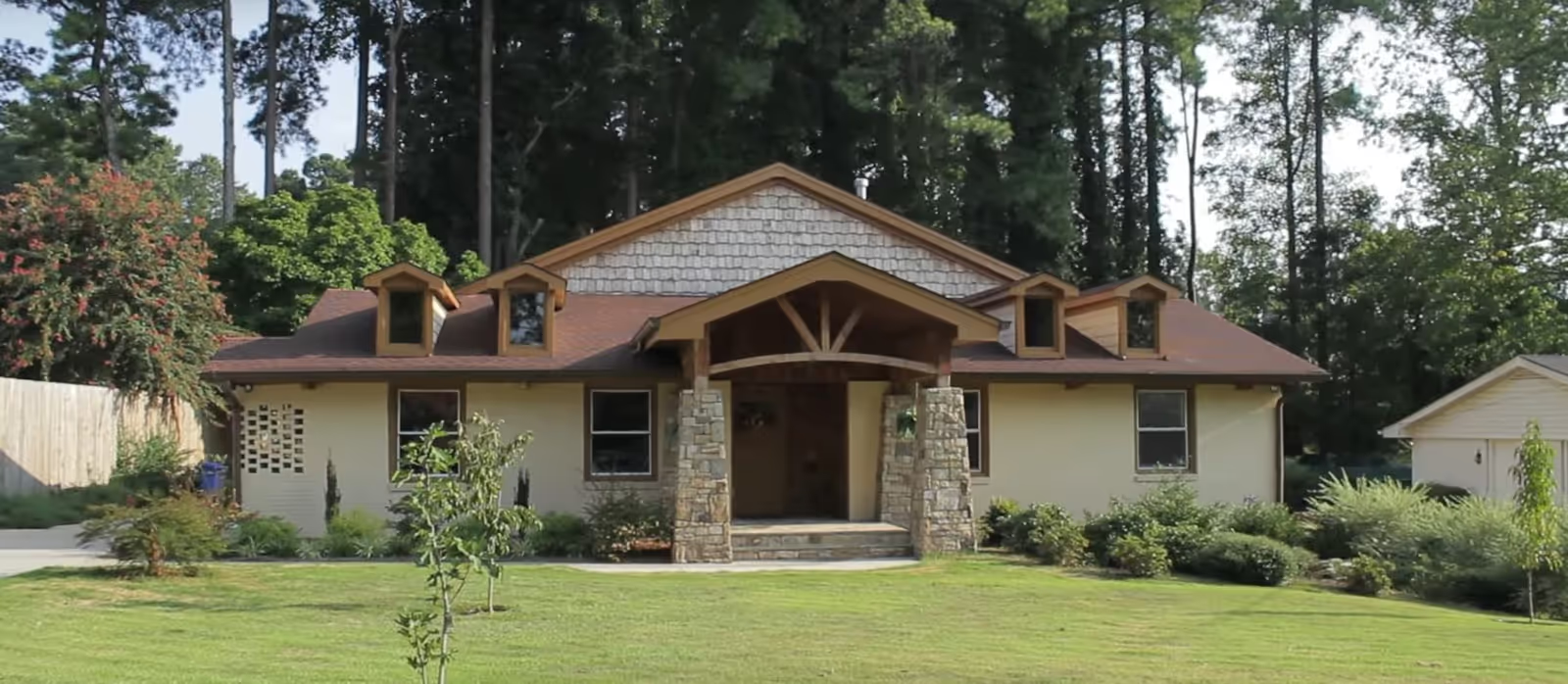
Overall impression: Campbell‑Stone is described as a well‑located, amenity‑rich retirement community with a strong community culture and many practical conveniences for independent seniors. Reviewers consistently highlight engaged, compassionate caregiving, a variety of social activities, and a campus with attractive grounds, outdoor seating, and easy access to nearby shopping and transportation. The facility offers multiple floor plans, in‑unit kitchens, safety features such as bathroom supports and hallway handrails, and a broad set of on‑site services including a chapel, salon, library, thrift shop, and dining options.
Care and staff: Families and residents frequently cite attentive and supportive staff who provide above‑and‑beyond assistance and take time to understand individual needs. Leadership and admissions staff are often described as accommodating, and auxiliary services (transportation, social services, external meal programs) are accessible. At the same time, comments indicate variability in staff professionalism and customer service; front‑desk interactions and phone etiquette were noted as areas needing improvement. This produces a mixed picture: individualized, compassionate care is common, but consistency in staff behavior and responsiveness is uneven.
Dining and services: The community offers multiple dining and cafe‑style options and had connections to external meal programs. However, there are operational weaknesses around meal continuity — examples include temporary dining closures and interruptions tied to repair work — that have affected some residents’ ability to rely on regular meal service. Reviewers also note energy and cost considerations for residents who choose to prepare meals in‑unit versus ordering out. Ancillary amenities (laundry on each floor, beauty shop, chapel) are appreciated and add to daily convenience.
Activities and community life: Activity programming is described as plentiful and appropriate for older adults, contributing to a strong communal atmosphere. Holiday decorations, regular social offerings, and long‑term resident engagement help foster connection. The resident mix, including international diversity, is highlighted as a positive cultural feature that supports social variety and peer interactions.
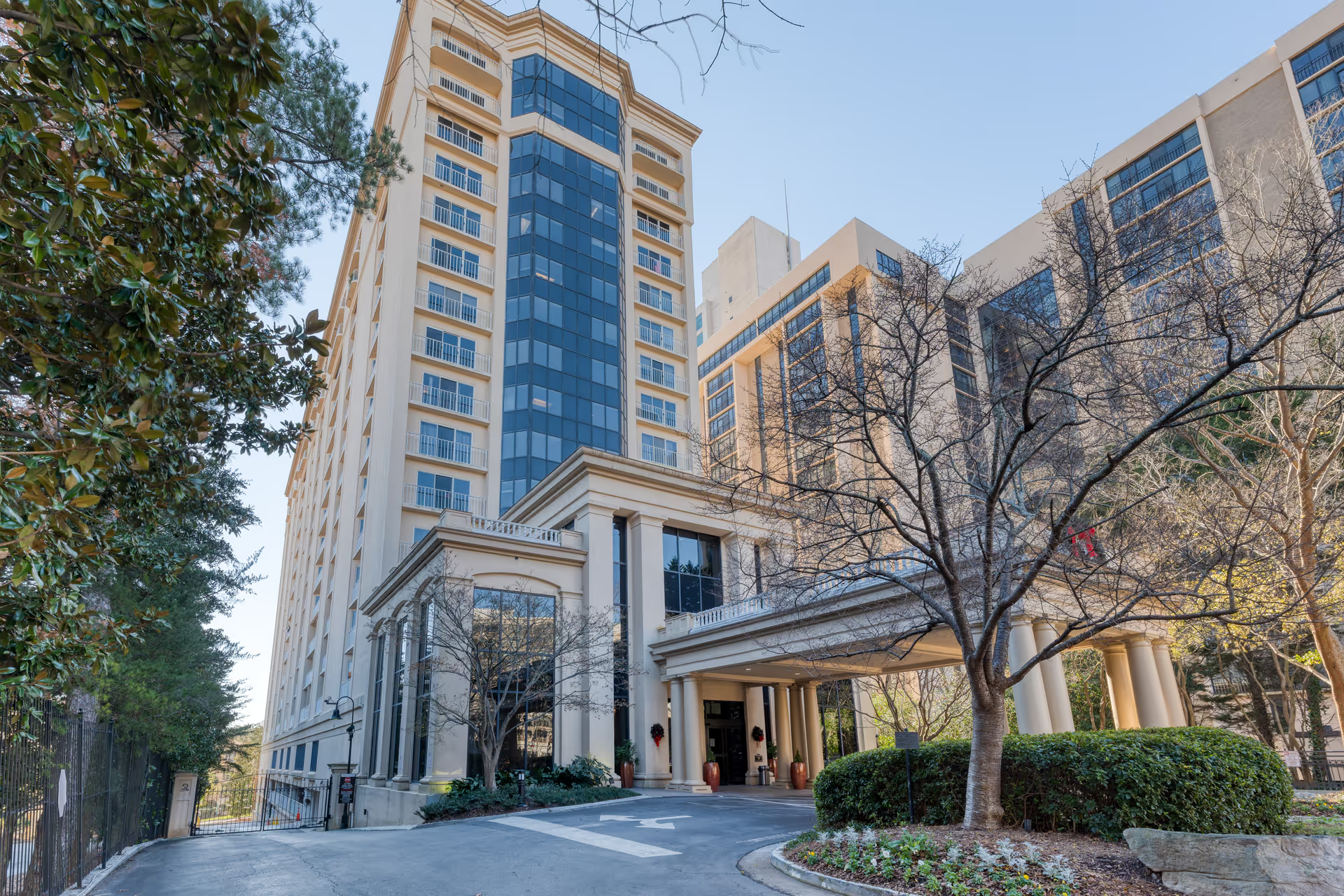
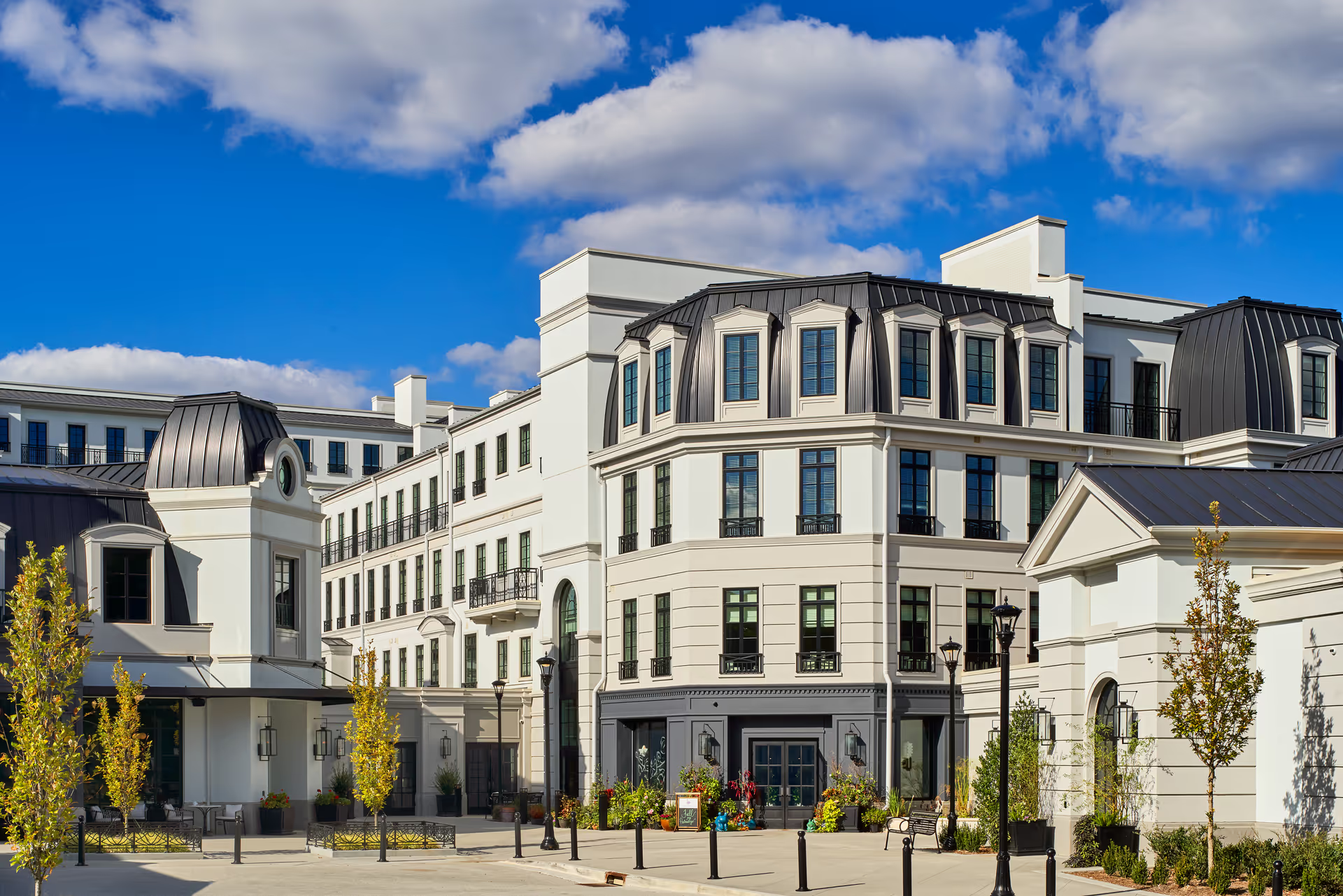
Facilities, maintenance, and safety: Physical facilities are generally characterized as clean, navigable, and hotel‑like, with adequate parking and accessible walkways. Safety features in apartments and public corridors are present. Areas for improvement include bathroom ventilation and broader sustainability practices such as recycling. Several accounts point to construction, repairs, or infrastructure events that led to temporary relocations or service interruptions; these underscore a need for clearer contingency planning and communication during maintenance incidents.
Management and patterns to watch: Management earns praise for being accommodating and for staff who will assist with resident needs, but there are recurring themes around inconsistent customer service, constrained admissions/tour scheduling, and occasional gaps in communication with families during disruptions. Additionally, reviewers indicate weaknesses in policies for handling resident property during transitions. Prospective residents and families should weigh the facility’s strong community and service offerings against these operational inconsistencies, and consider asking targeted questions about contingency plans, meal‑service continuity, unit readiness timelines, and property management procedures during tours.