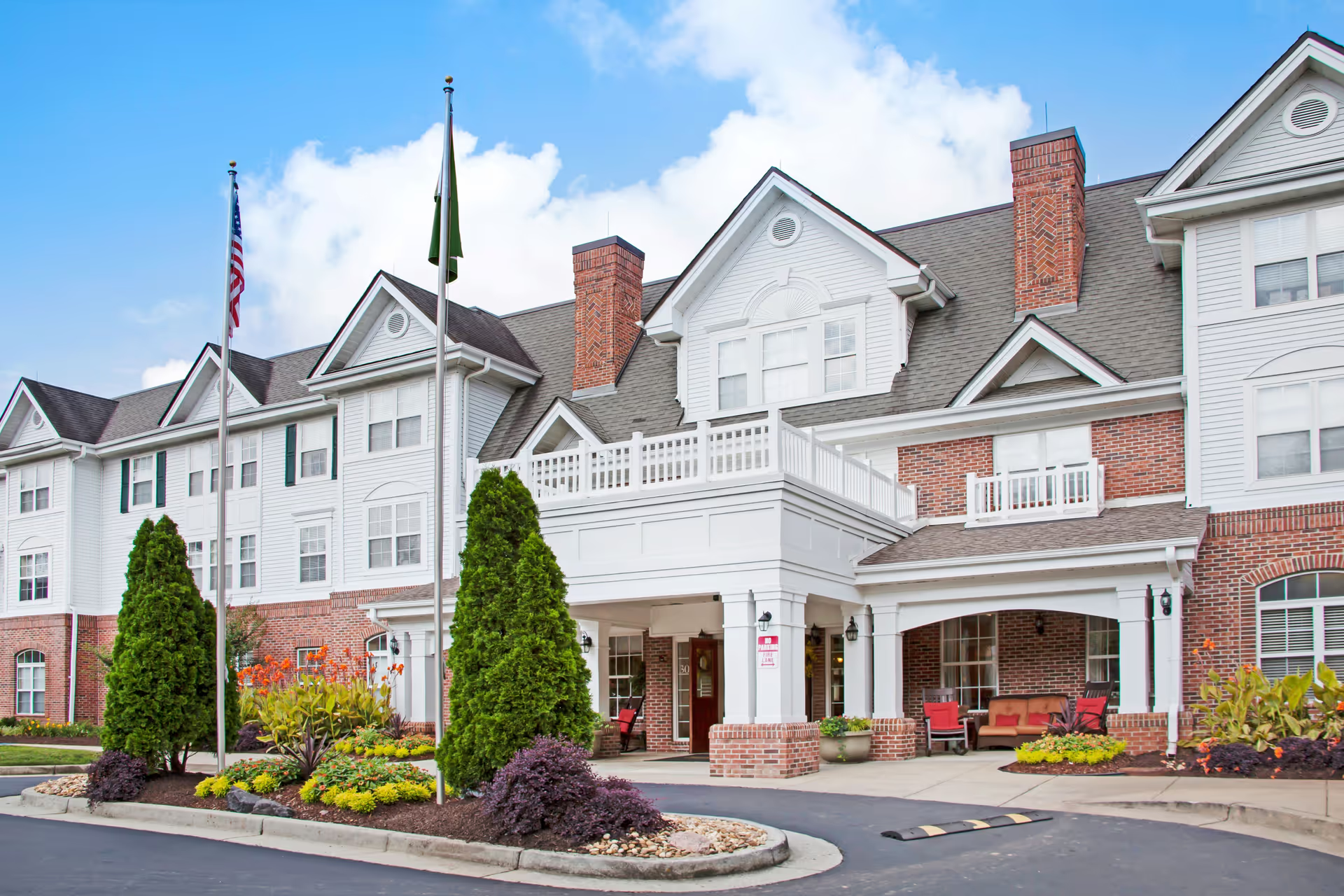
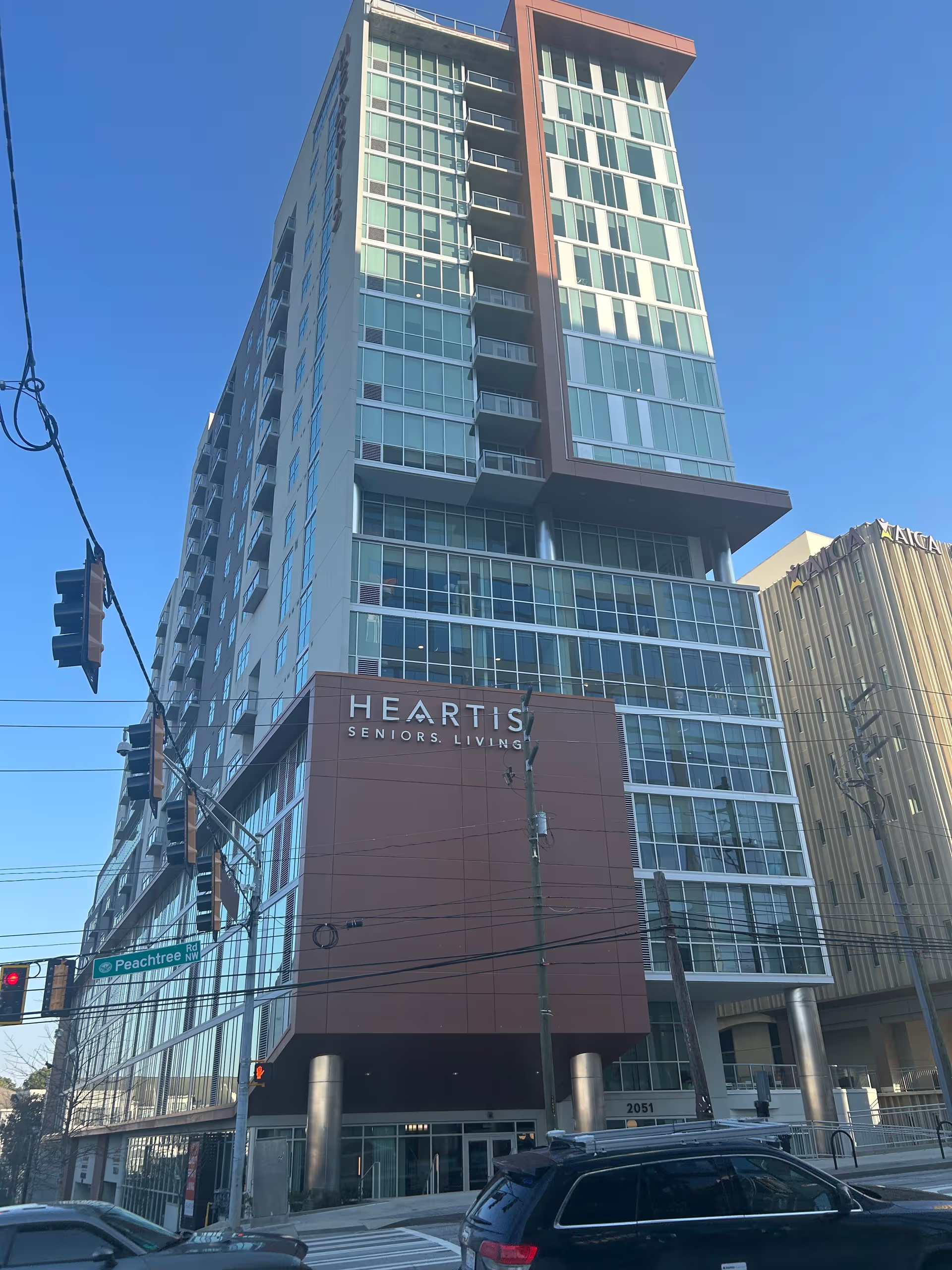
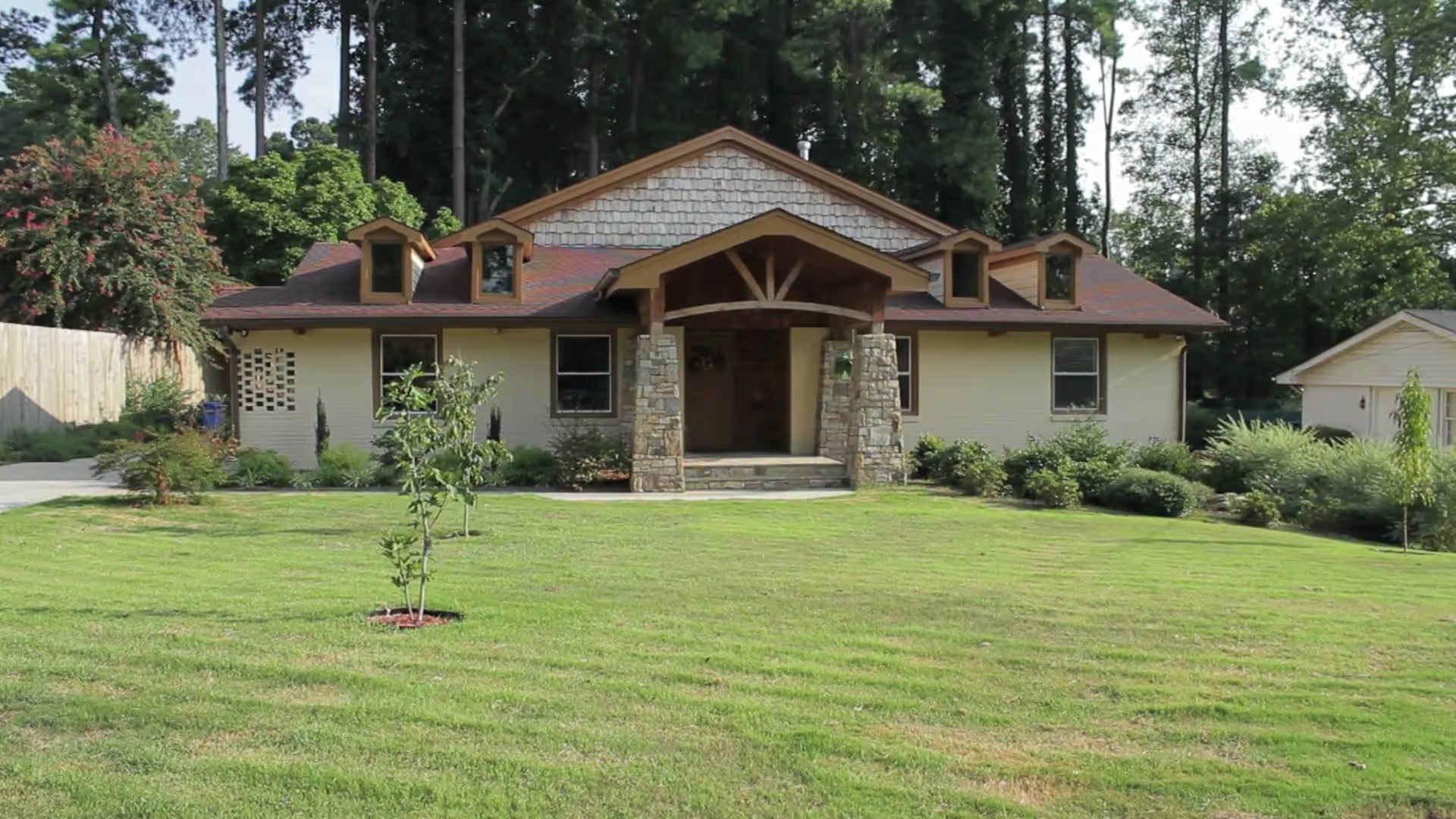
The reviews for Nursecare of Buckhead are highly polarized, with families describing both notable strengths and significant operational weaknesses. A recurring positive theme is a robust rehabilitation program: physical and occupational therapists are frequently credited with measurable gains in mobility and independence. Several reviewers also praised specific clinical staff members, admissions personnel, and on-site services such as hair and nail care, an active activities program, and a pleasant dining room in parts of the building. Certain units and private rooms were described as clean and well-maintained, and some nursing leadership has been singled out for responsive follow‑up.
At the same time, there are repeated operational concerns that appear across reviews. Staffing inconsistency and turnover are commonly cited and correlate with delayed responses to call lights, long waits for assistance, missed or untimely medication administration, and variability in personal care routines. Families reported lapses in medication management and medication timing, inconsistent wound and nutrition follow-up, and examples indicating gaps in clinical oversight — including irregular physician coverage and reliance on non-physician providers without clear escalation pathways.
Environmental and logistical issues also emerge as important patterns. Several accounts point to sanitation and odor concerns in certain units, inconsistent laundry handling and losses of personal items, and pest-control concerns. Dining experiences vary markedly: some describe appetizing, restaurant-style meals, while others note cold food, small portions, or limited meal quality. Activity offerings and on-site amenities such as gardens, outdoor trips, and recreation are strong in many descriptions, but availability and engagement can differ by unit.
Family communication and management stability are additional areas of concern. Multiple reports describe delayed or insufficient clinical updates, difficulty reaching staff, and inconsistent follow-through on complaints. There are repeated references to leadership turnover and uneven management practices; a small number of reviews raise serious allegations around theft and financial misconduct and note state oversight or complaint activity. Conversely, some families report recent leadership changes and a perceived improvement in care and processes, suggesting that outcomes may be sensitive to current management and staffing composition.
For prospective residents and families: consider an in-person visit that includes observation of the unit you would use (dining, therapy gym, and resident rooms), direct questions about staffing ratios and physician coverage, inspection of sanitation practices and laundry procedures, and review of the facility's incident reporting and pest-control logs. Meet the therapy team and nursing leadership, ask about medication administration timing, wound-care protocols, and dementia-specific programming if applicable. Checking recent state inspection reports or ombudsman findings may also help corroborate the facility's current status. The facility clearly has capabilities in rehabilitation and strong individual staff members, but consistent quality appears to depend on unit-level staffing and current management practices.