The reviews present a mixed but distinct pattern: many families and referral sources describe strong clinical rehabilitation and compassionate hands-on care, while other reviewers raise significant operational concerns. Strengths cluster around an effective therapy program, personable nursing and aide staff, and an active activities schedule that supports socialization and cognitive engagement. These elements are frequently tied to measurable recoveries (mobility improvements, discharge home) and to family perceptions of partnership in care planning and regular updates.
Care and staffing: Clinical strengths include well-regarded physical and occupational therapy teams, coordinated pain management, and staff who take time to involve families in care plans. Reviewers routinely describe respectful, dignified interactions and staff who know residents by name. However, persistent operational concerns appear around staffing consistency and responsiveness. Reviews describe occasions of delayed assistance, inconsistent bathing or shower schedules, and variability in how promptly call lights are answered. These patterns point to staffing-coverage fluctuations as a primary operational vulnerability.
Dining and activities: The activities program and social offerings are consistently praised for lifting mood and providing meaningful engagement, including dementia-appropriate programming. Dining feedback is mixed: some families describe tailored meals and satisfactory nutrition, while others cite inconsistent meal temperature, portioning, and acceptability. Meal-service reliability and food quality appear to vary over time or by dining period.
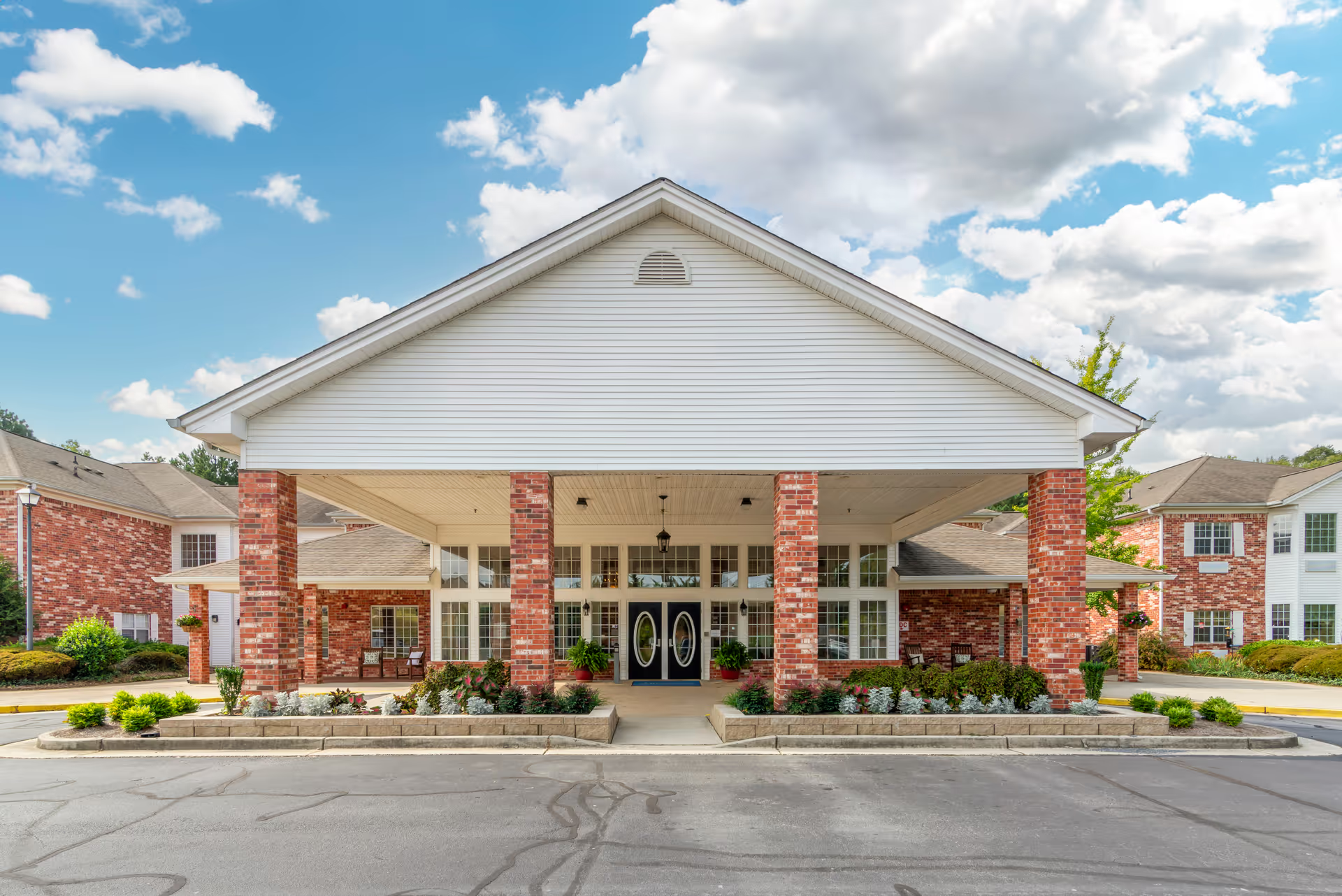
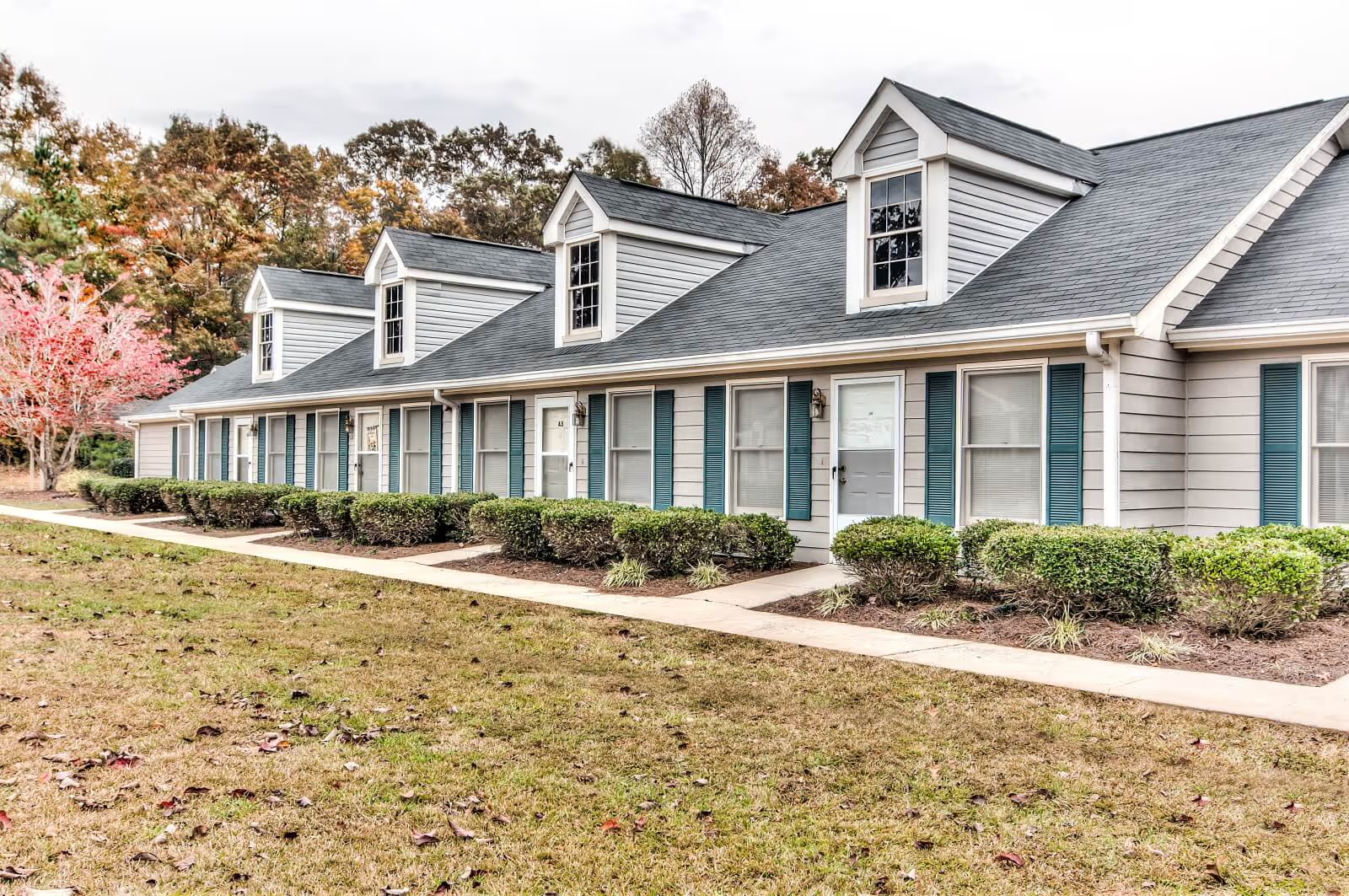
Facilities and cleanliness: Many reviewers characterize the facility as home-like, clean, and well-maintained, noting fresh-smelling hallways and inviting common areas. In contrast, other comments raise sanitation concerns, odor-control issues, and pest-control concerns in certain units, as well as room-level maintenance problems such as lighting and wall repairs. These divergent descriptions suggest variability in environmental maintenance and infection-control consistency across the building or over time.
Management and risk indicators: Management impressions are mixed: some families report transparent communication, accountable leadership, and helpful admission processes, while others report inconsistent responsiveness from leadership and the director of nursing. There are also strong, serious allegations from a subset of reviewers that indicate regulatory or investigative activity; these are isolated but significant and warrant direct inquiry. Operational themes that emerge from negative feedback include medication-administration lapses, missed or mistimed doses, and gaps in monitoring that have contributed to safety incidents.
Overall impression and guidance: Haralson Nursing & Rehabilitation Center demonstrates clear strengths in rehabilitation, therapeutic outcomes, family inclusion, and compassionate caregiving when staffing and operational controls are functioning well. At the same time, recurring operational issues—staffing variability, medication-administration controls, dining consistency, and environmental sanitation/maintenance—create uneven experiences for residents and families. Prospective families should arrange an in-person tour, ask for recent state inspection results, inquire about staffing ratios and turnover, review medication-administration protocols, and observe mealtime and housekeeping practices to assess current performance and consistency.