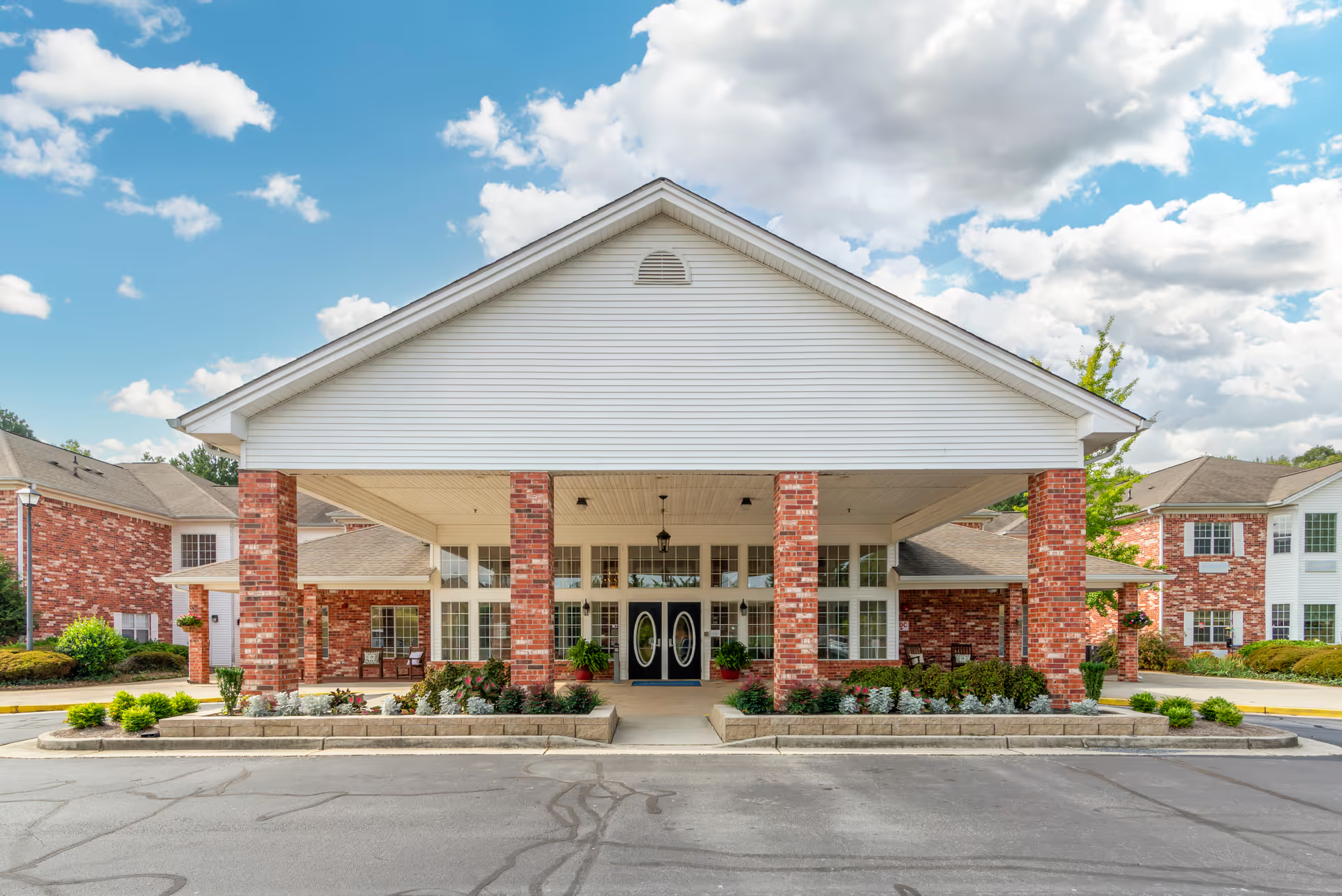
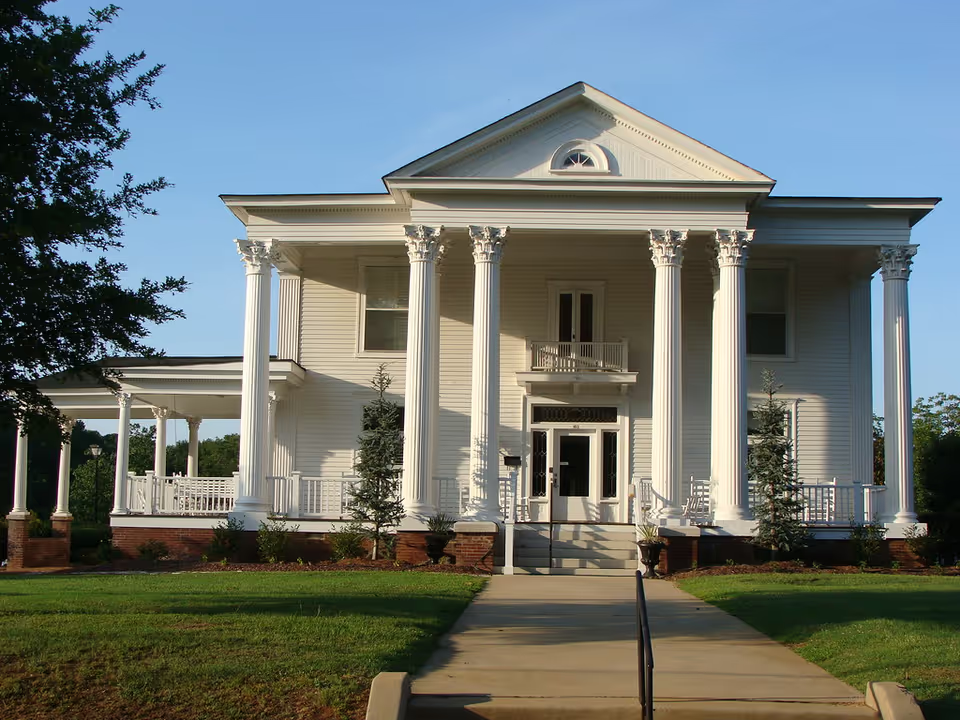
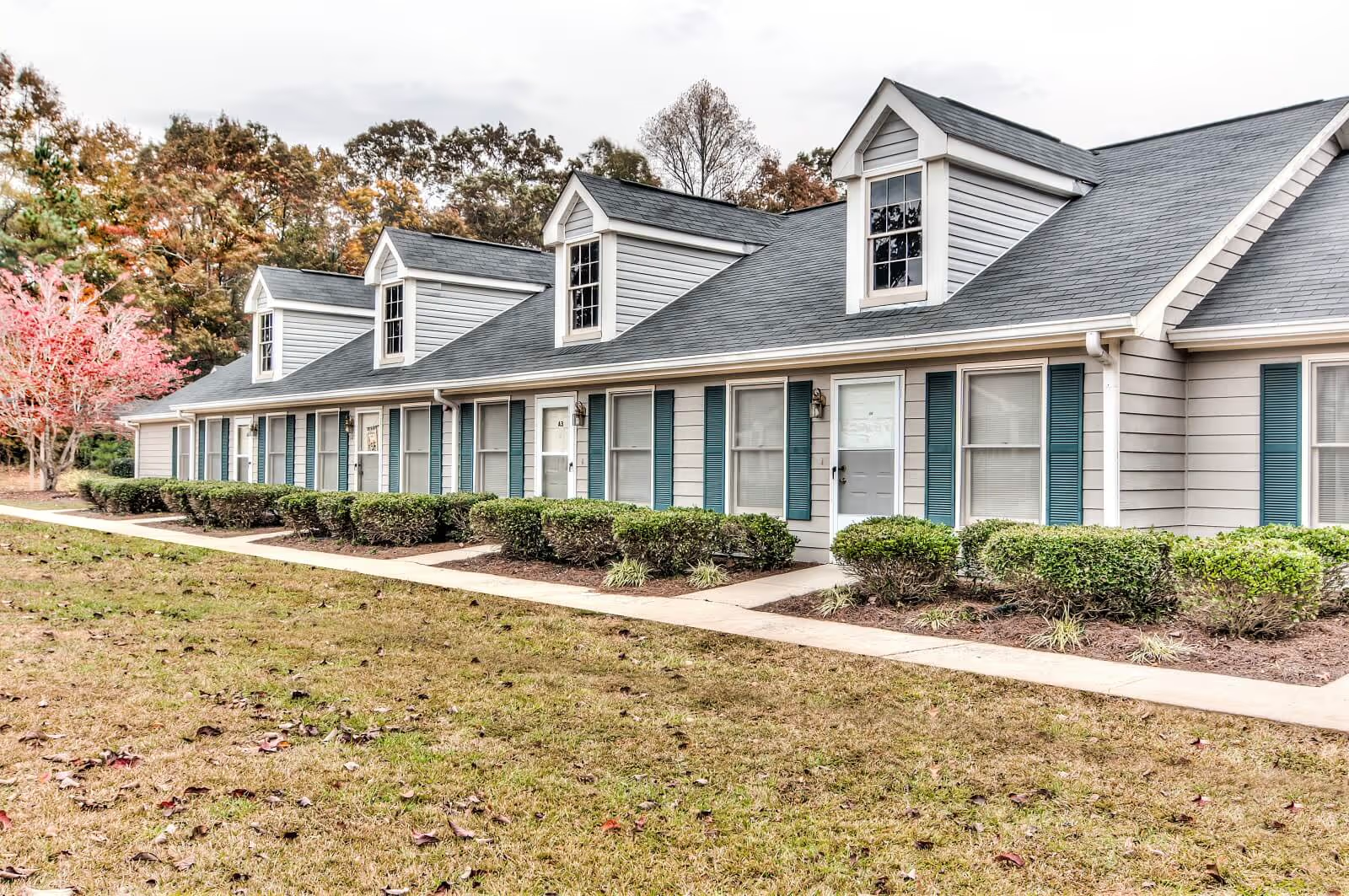
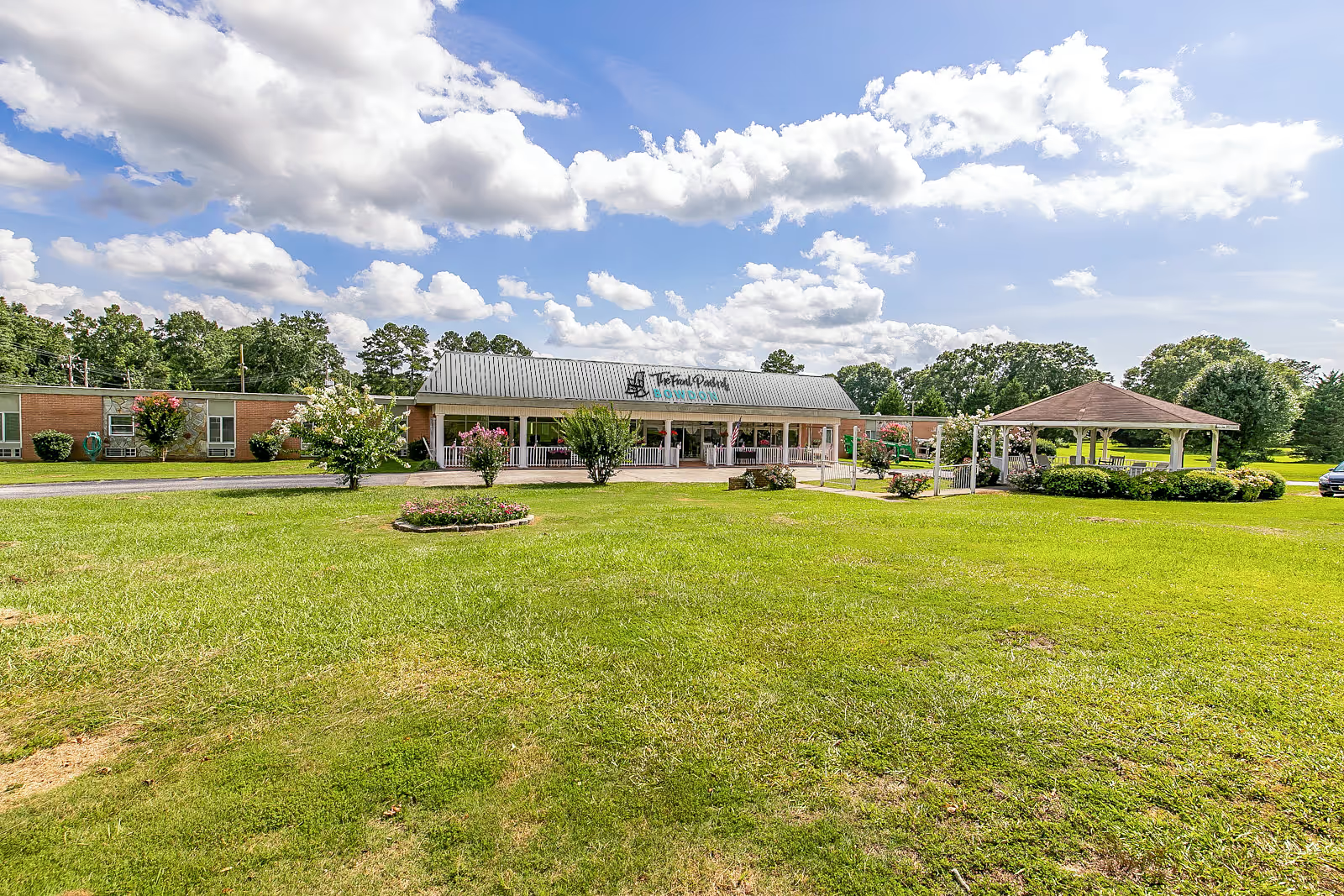
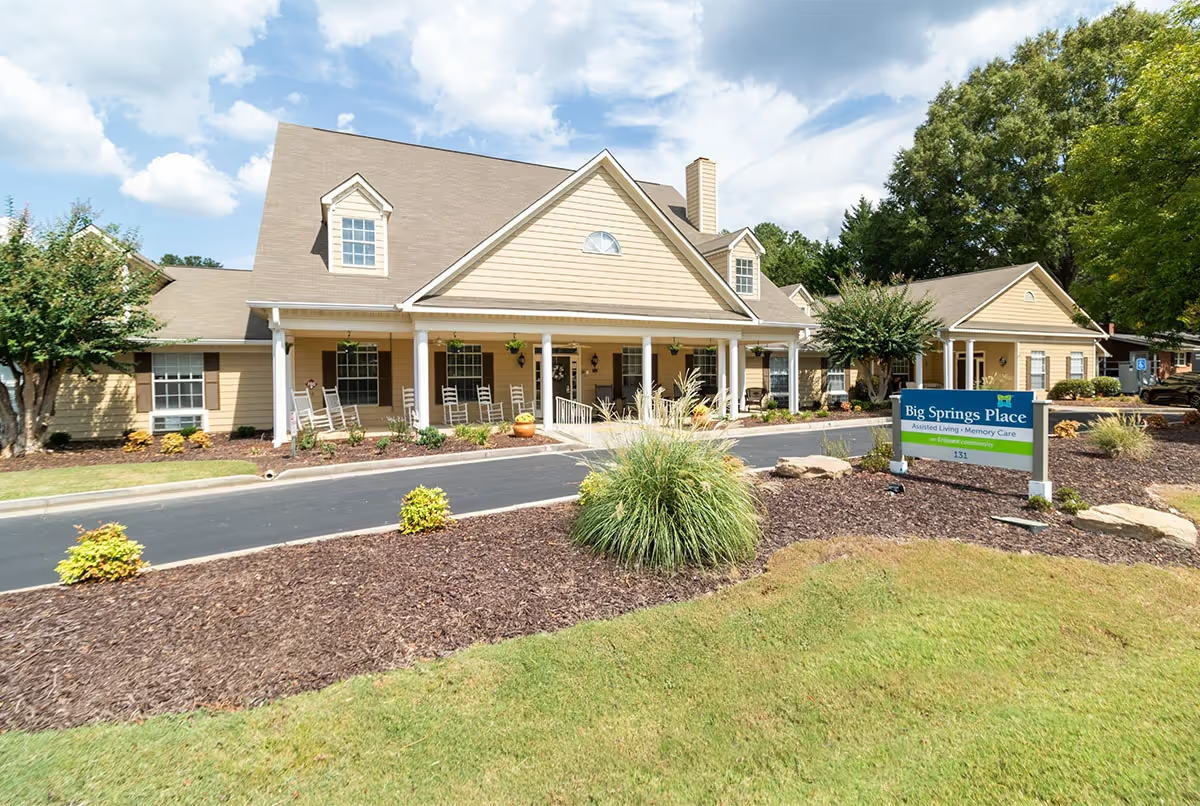
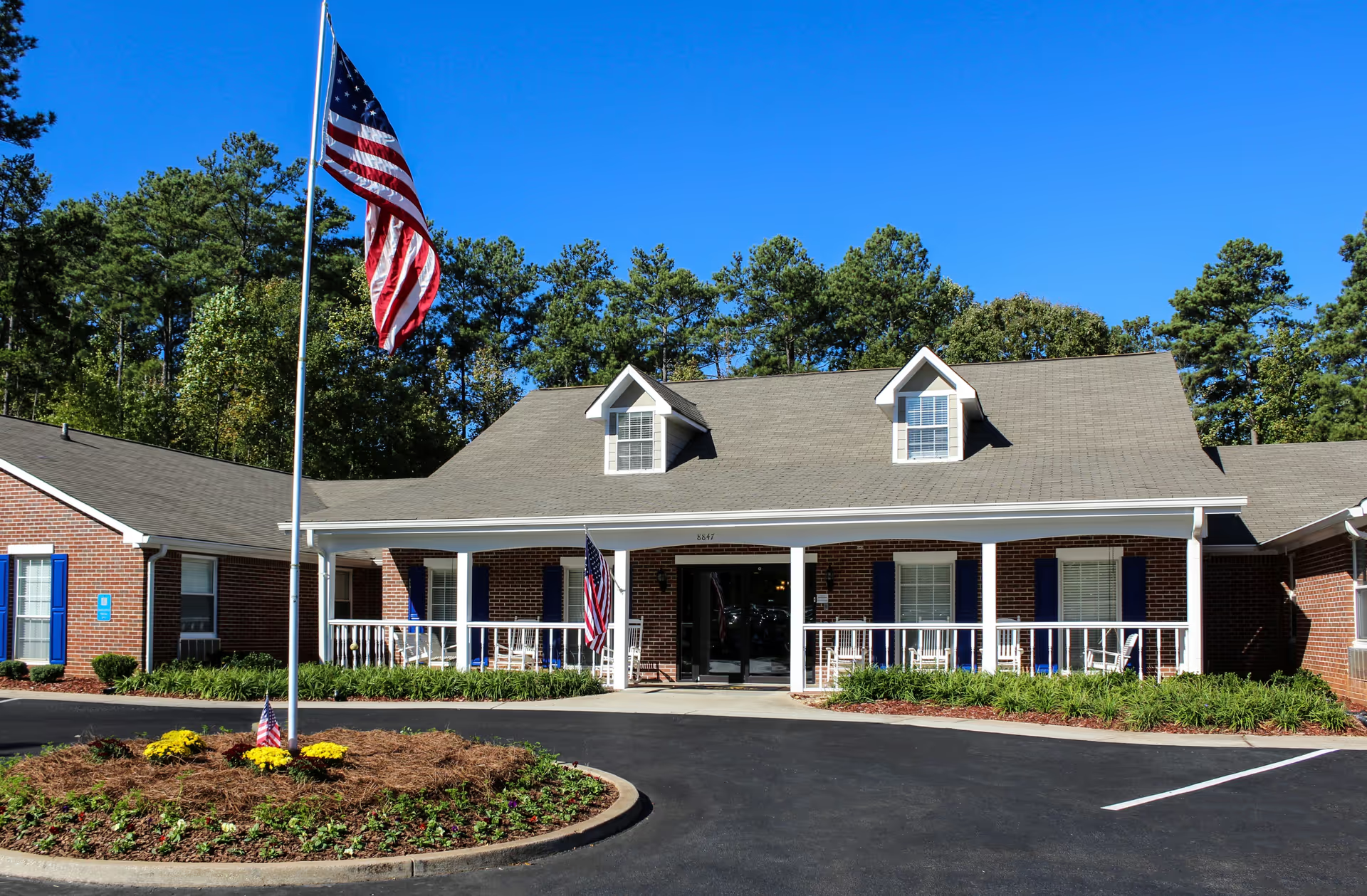
Memorylane of Bremen presents as a small memory-care-focused facility with a dedicated Alzheimer’s unit and an emphasis on social programming. Review content indicates the site can be a good clinical fit for individuals with dementia: staff are described as attentive and friendly, residents are monitored, and families have found the overall caregiving approach appropriate for their loved ones. At the same time, reviewers note behavioral challenges among residents, which suggests the facility regularly cares for people with agitation and related needs.
Staff performance and day-to-day care are generally portrayed positively. Caregivers are characterized as engaged and responsive, and monitoring practices are highlighted as a strength. That said, the presence of resident agitation points to an operational need for consistent behavior-management protocols and resources; prospective families should ask about staff training, staffing ratios, and specific de-escalation or behavior support programs during a tour.
Dining and activities are prominent positives. Meals are described as acceptable to good, and daily programs — including memorable group activities and dances — contribute to observable improvements in resident mood and social engagement. However, meal quality appears variable, so families who prioritize cuisine or special dietary needs should inquire about menu planning, meal substitutions, and consistency of food service.
Physical accommodations are a mixed picture. Rooms are described as large for semi-private occupancy and equipped with standard furnishings (closet, bed, nightstand, dresser); there is also mention that in-room bathrooms may be available in some units. Shared bathrooms for semi-private rooms are a consistent operational feature to consider. Cleanliness is generally rated around average to above average, but variability across areas is noted, indicating uneven housekeeping performance at times.
Finally, management and facility positioning raise specific questions. Multiple mentions of a cemetery or burial site on the premises and descriptions of unclear facility purpose have created mixed impressions for visitors and families. This association may affect perception and comfort for some prospective residents; clarity from management about the relationship to the cemetery and the facility’s mission (memory care versus other services) would help. Reviewers also described limited family-engagement in practice when relatives do not visit frequently; the facility may benefit from deliberate visitation support and family-communication strategies.
Overall, Memorylane of Bremen appears to offer a supportive, activity-rich environment for people with Alzheimer’s disease, staffed by attentive caregivers and with generally acceptable dining and room amenities. Prospective residents and families should tour the unit, confirm bathroom arrangements, ask about behavioral-support programs and staffing, and seek clear information from management about the facility’s relationship to the on-site cemetery and how that is communicated to families.