The reviews for Carrollton Nursing and Rehabilitation Center describe a polarized set of experiences: a substantial number of families and residents praise the facility for compassionate hands-on care, strong therapy services, and an engaging social environment, while other accounts raise significant operational and safety concerns. This juxtaposition suggests variability in day-to-day performance across units, shifts, or individual care teams.
Care quality shows a wide range. Positive accounts emphasize attentive nursing, timely assistance with activities of daily living, effective rehabilitation that produced functional gains, and staff who personalize care and maintain resident dignity. Conversely, other accounts describe inconsistent clinical oversight, delayed responses to call systems, medication-administration errors, and problems maintaining and monitoring medical equipment. There are also multiple references to fall events and to gaps in bed-rail and alarm usage, indicating weaknesses in fall-prevention processes and supervision.
Staffing and staff conduct are similarly mixed. Many reviews highlight kind, familiar, and dedicated CNAs, nurses, and therapists who foster community and provide reassurance to families. At the same time, there are recurrent mentions of understaffing, rushed or curt interactions, privacy and boundary concerns, and incidents that families characterized as unprofessional. These patterns point to variability in staff training, enforcement of professional standards, and consistency of supervision.
Dining and activities are generally cited as strengths where present: numerous families praised meal quality, dietary accommodations, and a robust activities calendar that supports social engagement and motivation. Therapy services—both physical and occupational—receive frequent commendation for clinically meaningful progress. However, food quality and dining experiences were described less favorably in some reports, indicating that these services may be uneven across times or units.
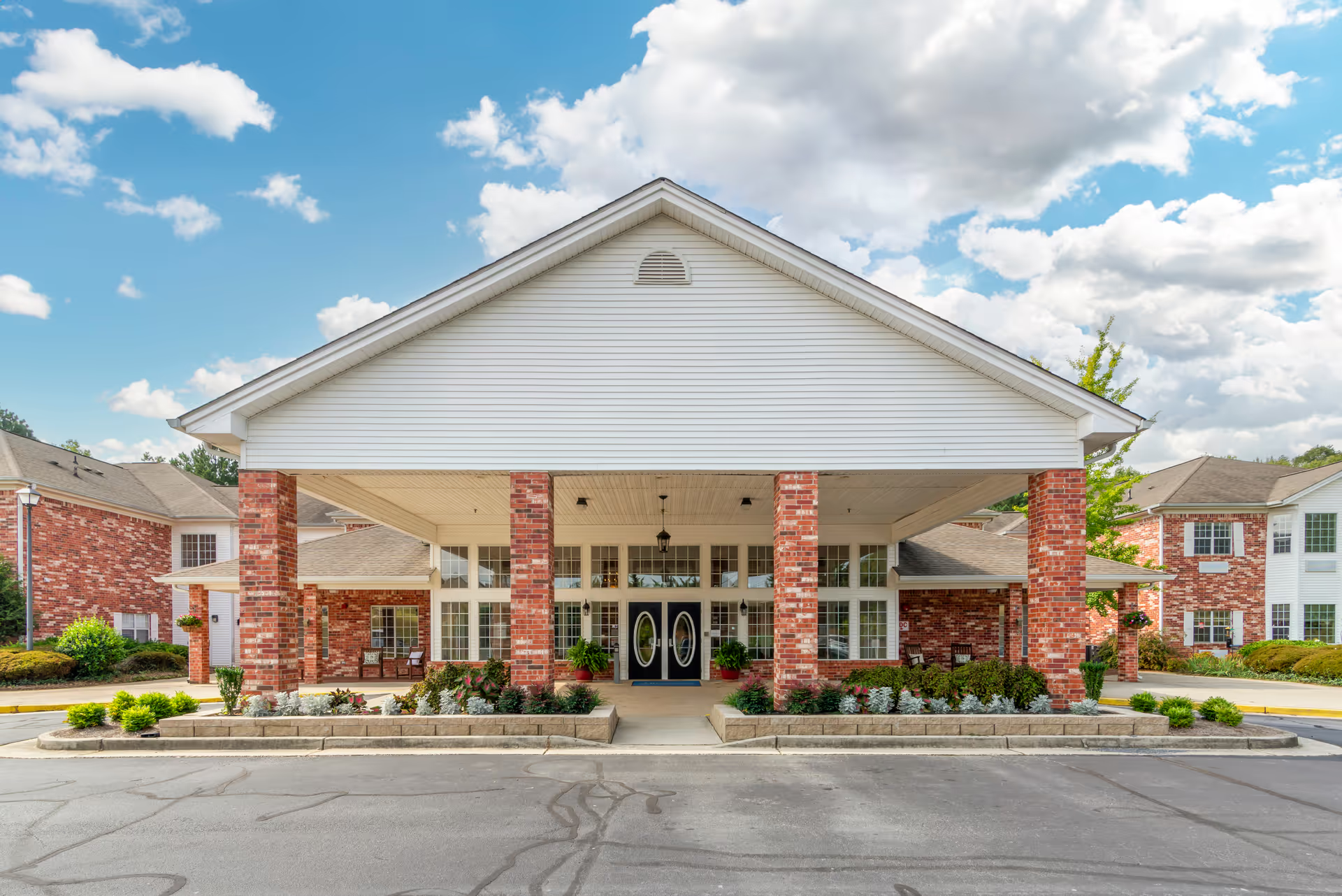
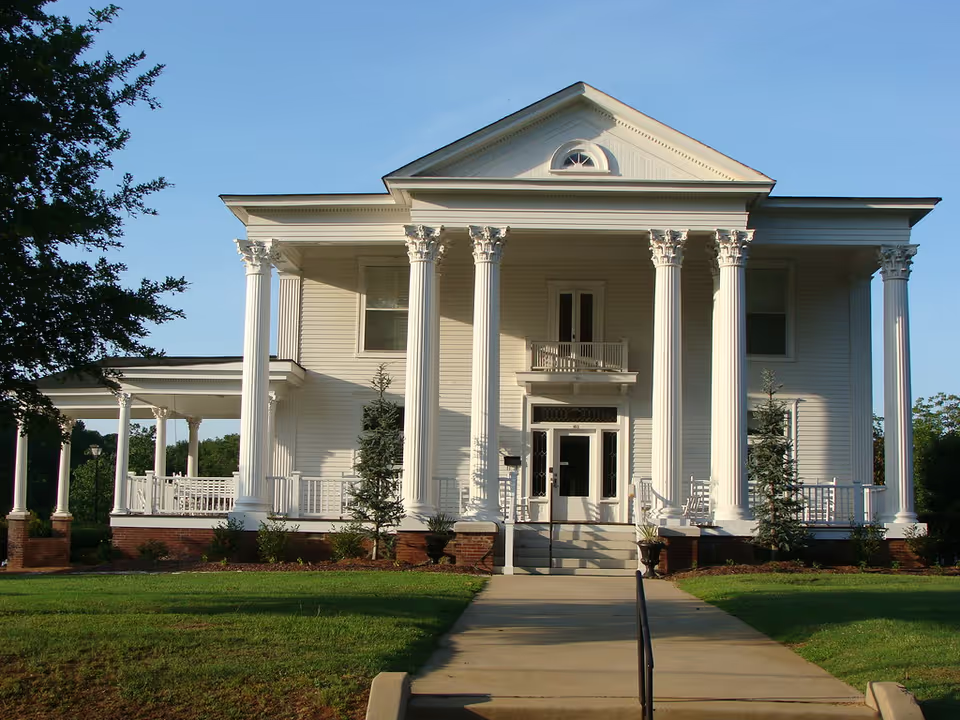
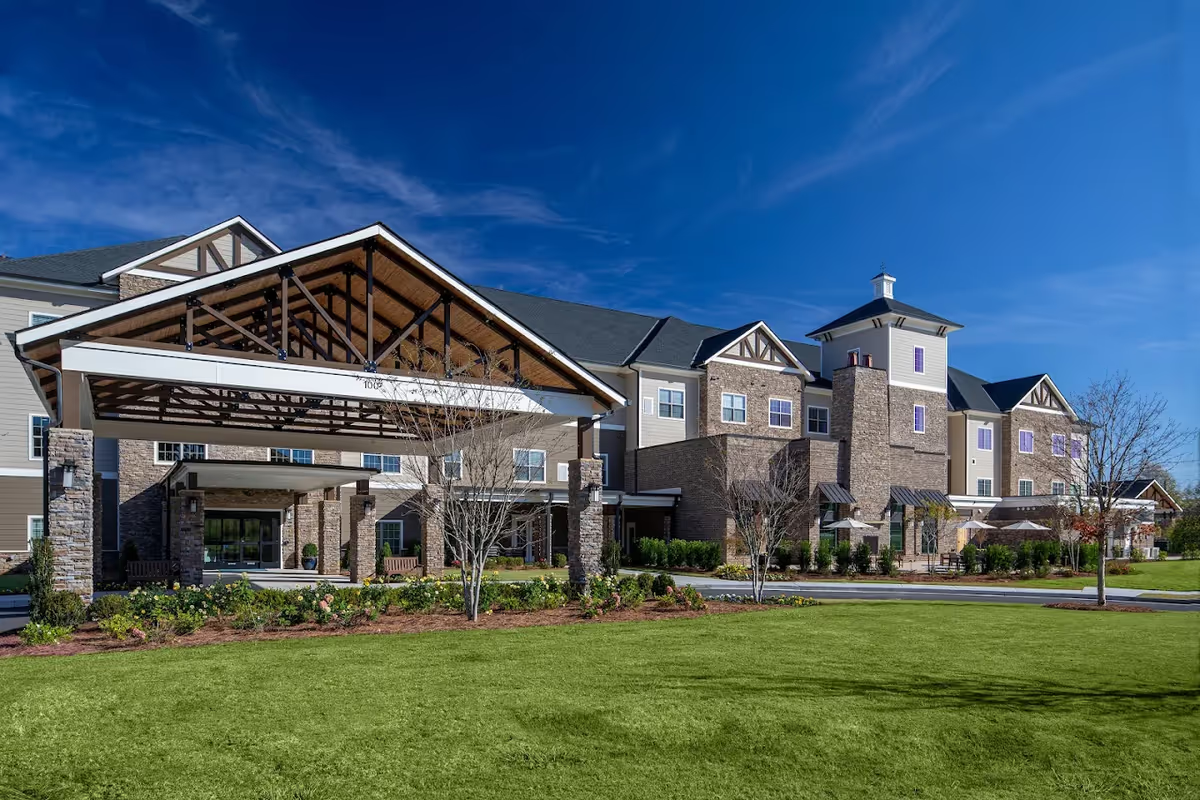
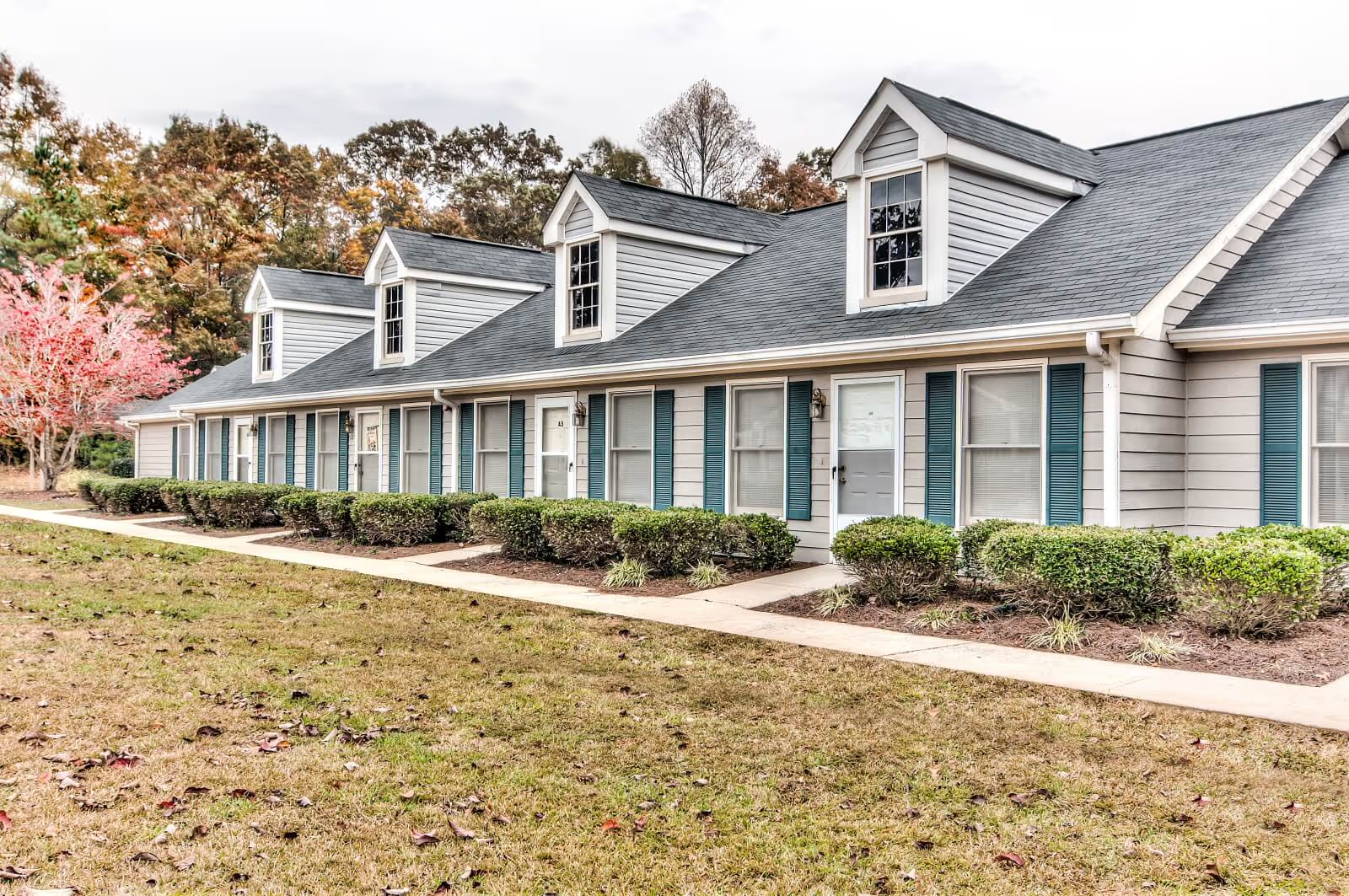
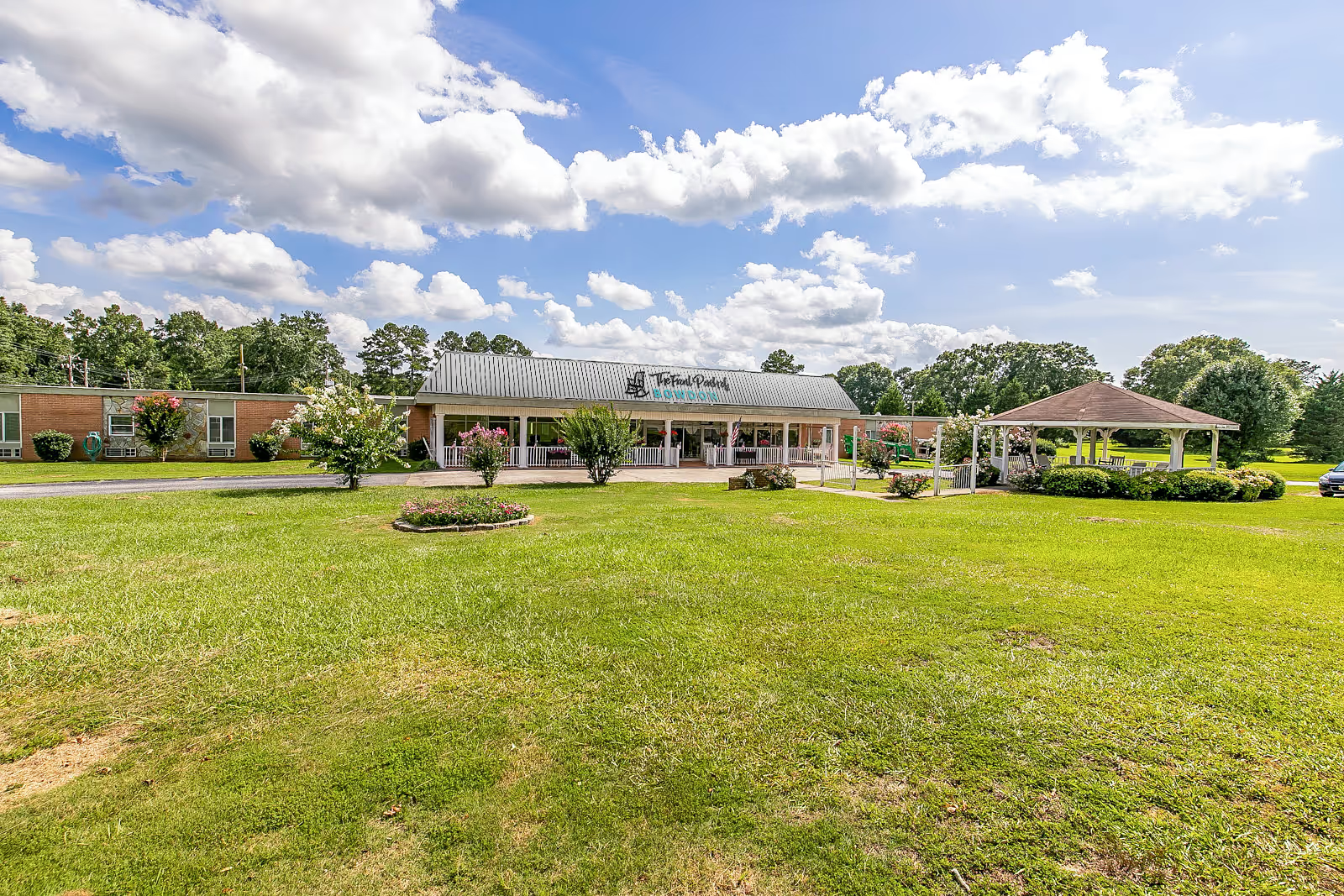
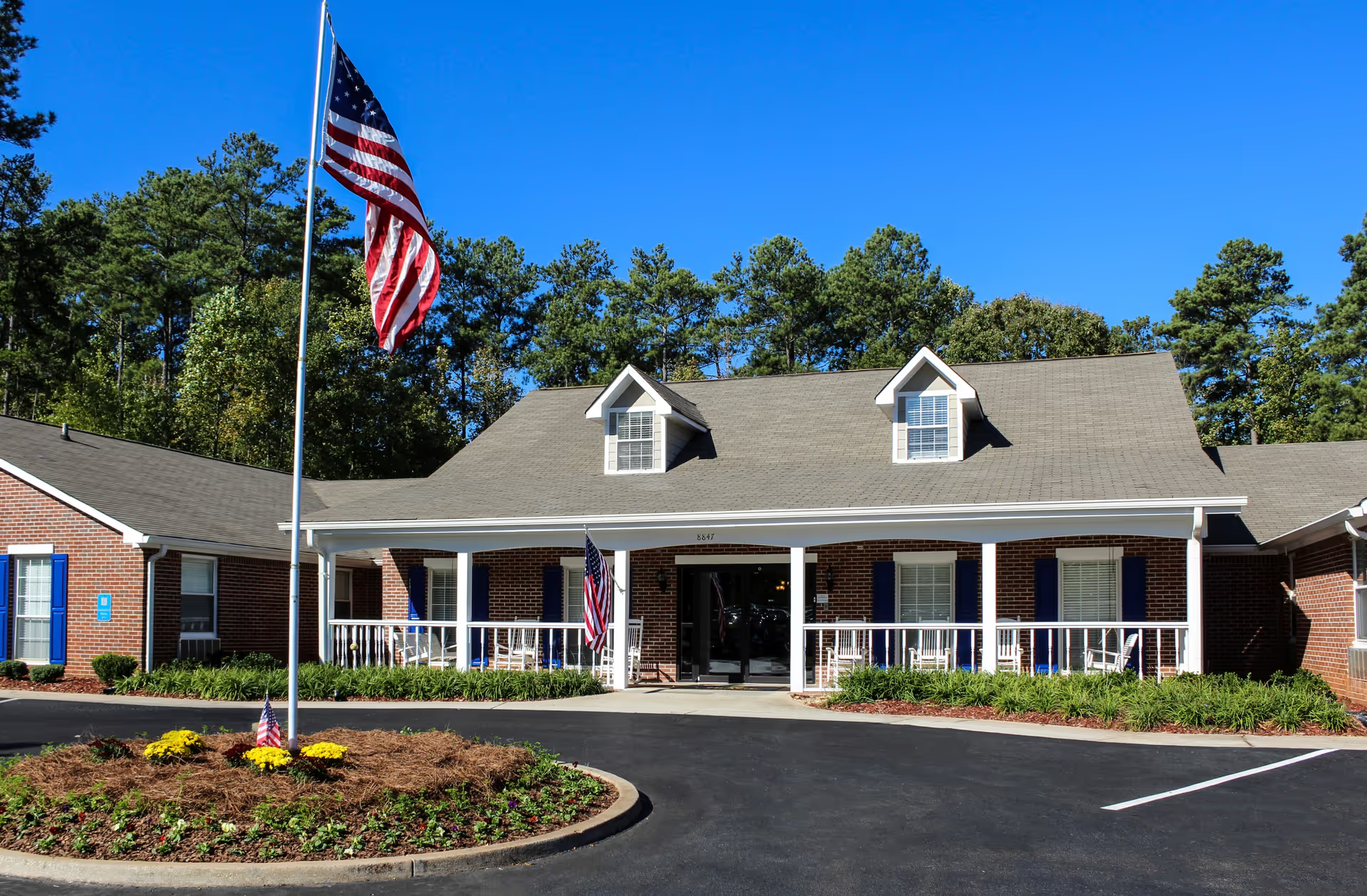
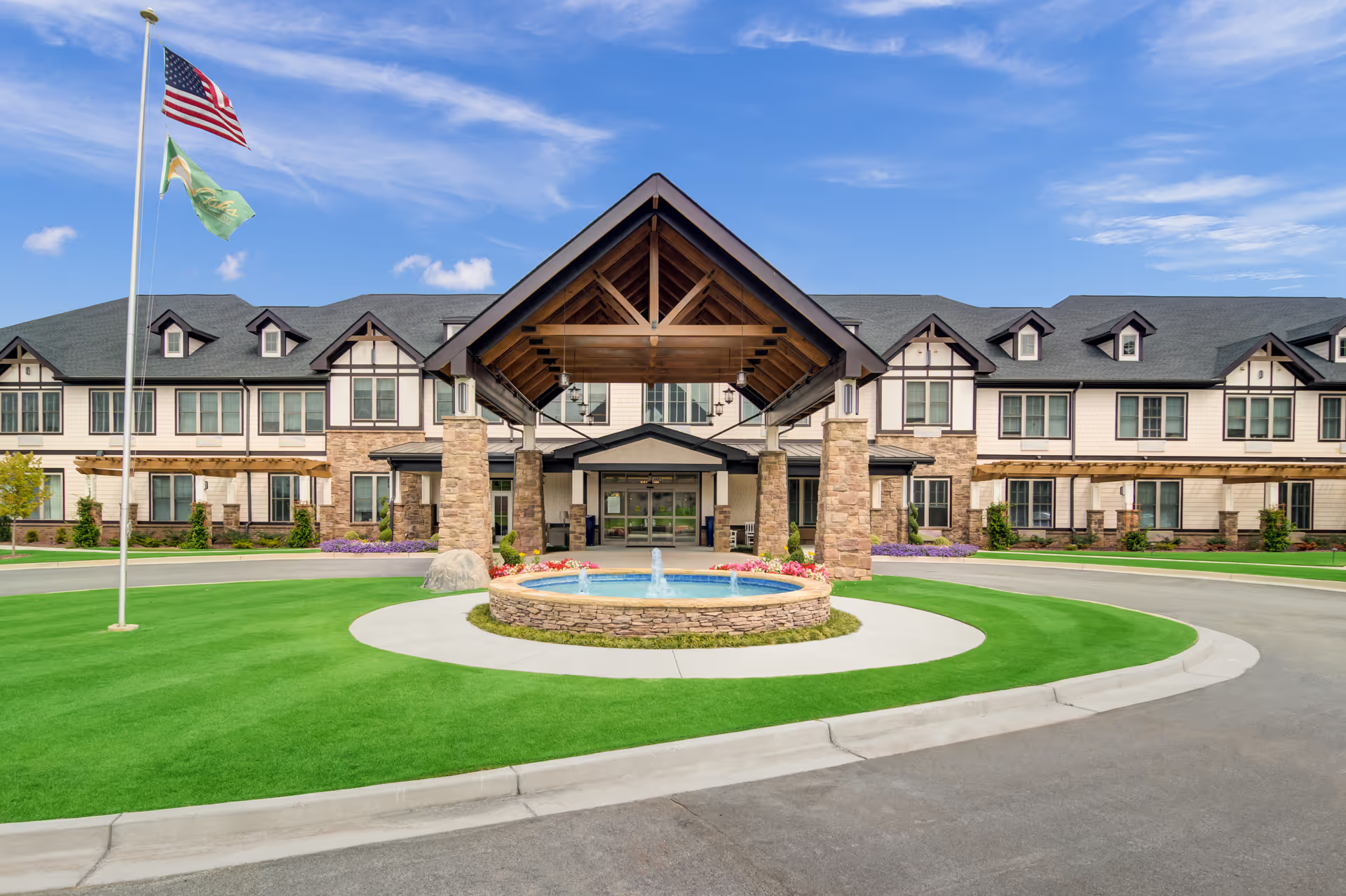
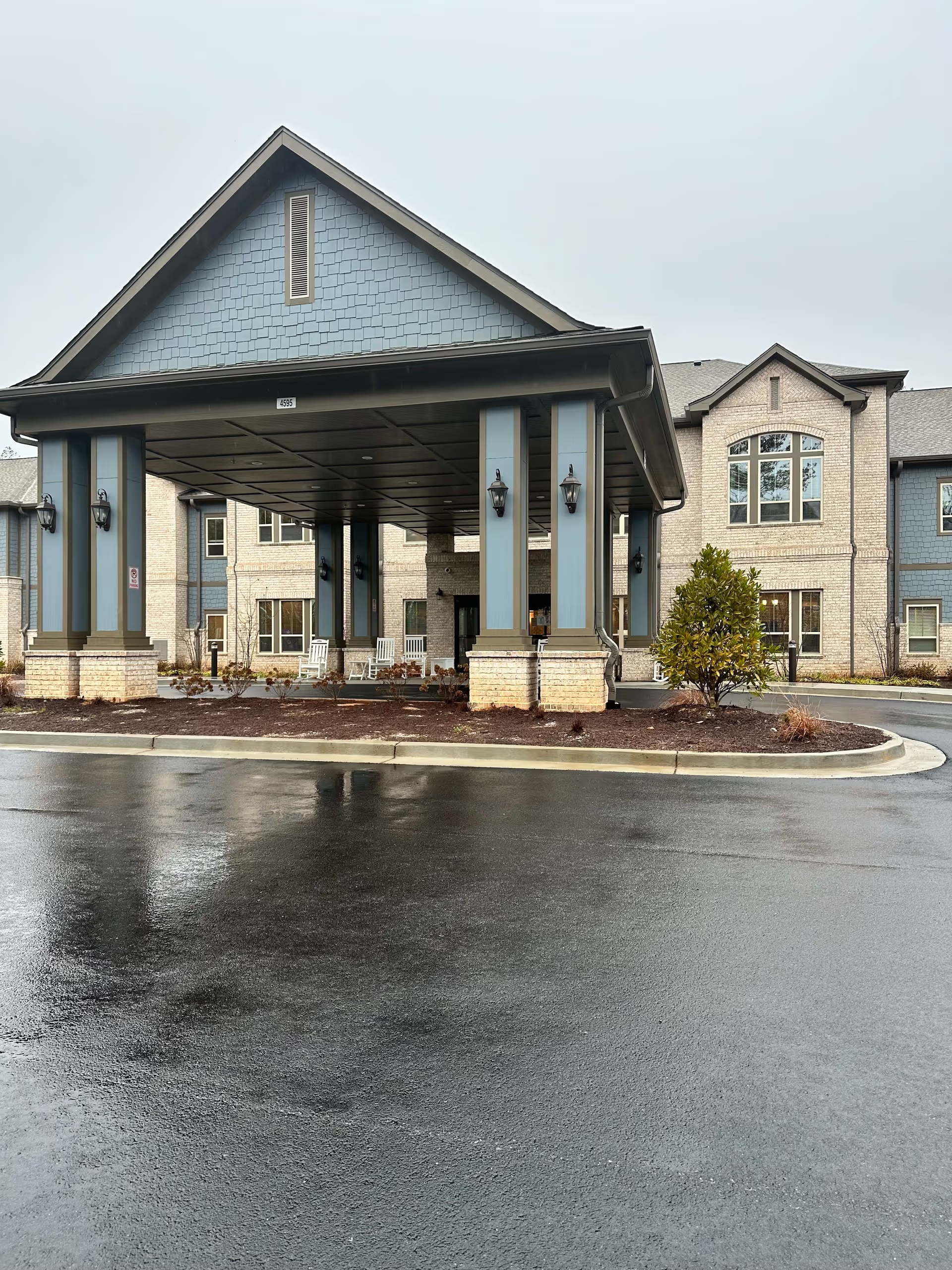
The facility environment elicits contrasting views. Many reviewers described clean, bright, and comfortable areas with a home-like atmosphere. Others noted maintenance shortfalls—peeling paint, mold concerns, HVAC problems, pest-control concerns, and sanitation or odor issues in certain areas—suggesting inconsistent upkeep and environmental-controls. Equipment management concerns (for example, oxygen monitoring and tank readiness) were raised in multiple accounts and have direct implications for resident safety.
Management, oversight, and family communication are recurring themes in the negative accounts. Critics cite slow or unsatisfactory responses from on-site leadership and corporate offices, difficulties coordinating insurance or transfers, and situations where power-of-attorney wishes were contested or insufficiently honored. There are also reports of delayed or inadequate emergency response actions in some cases. A few serious individual allegations—including an alleged hostage-related incident and concerns following a resident’s death—were described by families; these merit verification through formal channels and regulatory records.
Taken together, the pattern suggests a facility that delivers high-quality, person-centered care in many cases but also exhibits operational inconsistencies that affect safety, sanitation, and family trust. Prospective residents and their families should perform focused due diligence: tour care units during multiple shifts, ask about staffing ratios and float/coverage for nights and weekends, review medication-safety and equipment-maintenance protocols, verify fall-prevention and evacuation procedures, clarify transfer and insurance coordination rules, and request recent inspection or deficiency reports. Where possible, obtain direct references from current residents or families who have had recent stays in the specific unit of interest.