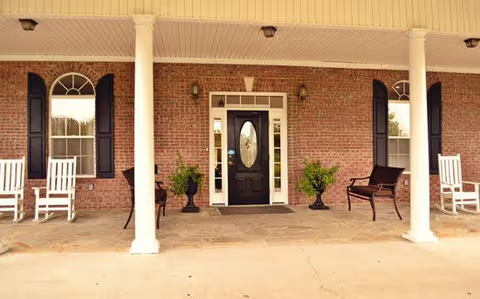
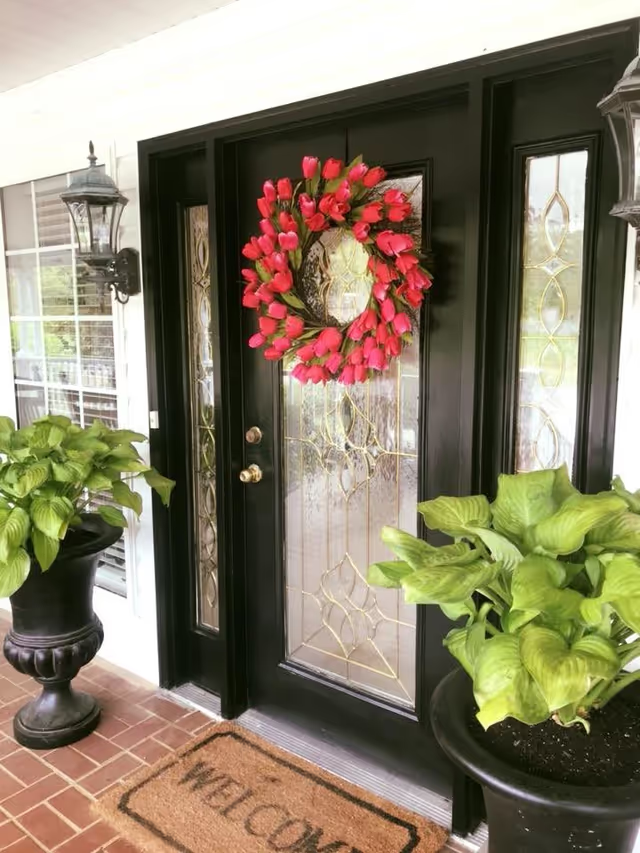
The collective reviews present a mixed but clear picture: Hill Haven is characterized by a small, home-like setting with generally positive staff interactions and a rehabilitation emphasis, while also exhibiting operational lapses that raise safety and communication concerns. Many comments emphasize a bright, clean interior, compassionate caregivers, and an attentive administration; reviewers also highlight a sense of personalized attention consistent with a limited-bed facility and note favorable survey results and high ratings.
Care quality and staff: Reviewers frequently describe staff as friendly, compassionate, and helpful with routine caregiving and family support. The facility is described as rehab-focused, with caregivers and nurses who provide attentive assistance and ease family burden in day-to-day needs. Management—including the administrator and owner—is repeatedly described as knowledgeable and accessible, and some families credit administration with proactive support on paperwork and coordination tasks. At the same time, there are serious operational concerns: there are allegations of theft and of instances in which resident whereabouts or transfers were not clearly supervised or communicated. Those reports point to gaps in resident-tracking, transfer protocols, and property-control practices that prospective families should explore further.
Facilities, dining, and activities: The physical environment is consistently described as clean, bright, and welcoming, with a comfortable, small-house atmosphere. Reviews do not provide substantive detail about dining quality or the breadth of organized activities, so there is limited information to assess those areas from these summaries. The small capacity and reported one-bed availability in one comment suggest a boutique setting that may offer more individualized attention, but may also limit on-site service variety.
Management, hospice, and communication: Administration and ownership receive positive feedback for responsiveness and for helping families coordinate hospice paperwork and contacts; however, reviewers also note that the facility is not accepting hospice patients at certain times and has limited bed availability. This creates an operational constraint: families seeking comprehensive on-site hospice care may find the facility unable to admit or accommodate those needs. Separately, the most significant pattern of concern involves safety oversight, transportation/escort practices, and incident communication. Reviewers describe situations in which transfers and external transportation were handled in ways that left families without timely information; this highlights a need for clearer escort policies, incident documentation, and family-notification procedures.
Notable patterns and considerations for families: The facility's strengths are concentrated in staffing tone, cleanliness, and a small, rehabilitation-oriented environment with engaged administration. The primary operational weaknesses relate to resident security, property controls, transport/escort protocols, and inconsistent hospice admission capacity. Prospective residents and families should balance the facility's positive caregiving culture and clean, home-like environment against these procedural concerns. Recommended due diligence includes asking for written policies on resident transfers and external transportation, procedures for safeguarding personal property, incident-reporting and family-notification practices, current hospice admission status, staffing ratios, and recent survey or inspection documentation.