Reviews indicate a facility with clear strengths in rehabilitation and customer-facing services alongside recurring operational weaknesses. The rehabilitation program, including physical and occupational therapy, is consistently described as rigorous, professional, and effective; many reviewers praised the therapy teams, graduation ceremonies, and the supportive concierge program that facilitates discharge planning. Recreational programming and amenity offerings — church services, arts and crafts, Happy Hour events, a beauty shop and spa — are frequently cited as positive contributors to patient morale and family experience.
Care quality assessments are mixed. Numerous accounts highlight compassionate, competent nursing and CNA care and strong teamwork; other accounts describe concerns about staff conduct and professionalism, including instances of disrespectful interactions and communication tone. Responsiveness to bedside requests and call bells is an often-cited pain point: delays in attending to resident needs are reported alongside examples of attentive, timely care. Clinical process weaknesses are noted in medication administration and documentation, with examples such as missed insulin doses and lapses in monitoring that contributed to emergency transfers. These suggest variable consistency in clinical oversight and handoff processes.
Dining receives varied evaluations. Some families and residents described decent cafeteria fare and occasional well-prepared meals, while others criticized bland taste, unappealing presentation, limited meat options, lukewarm service, and insufficient menu variety. Reviewers recommended more variety and improved food presentation to raise satisfaction levels.
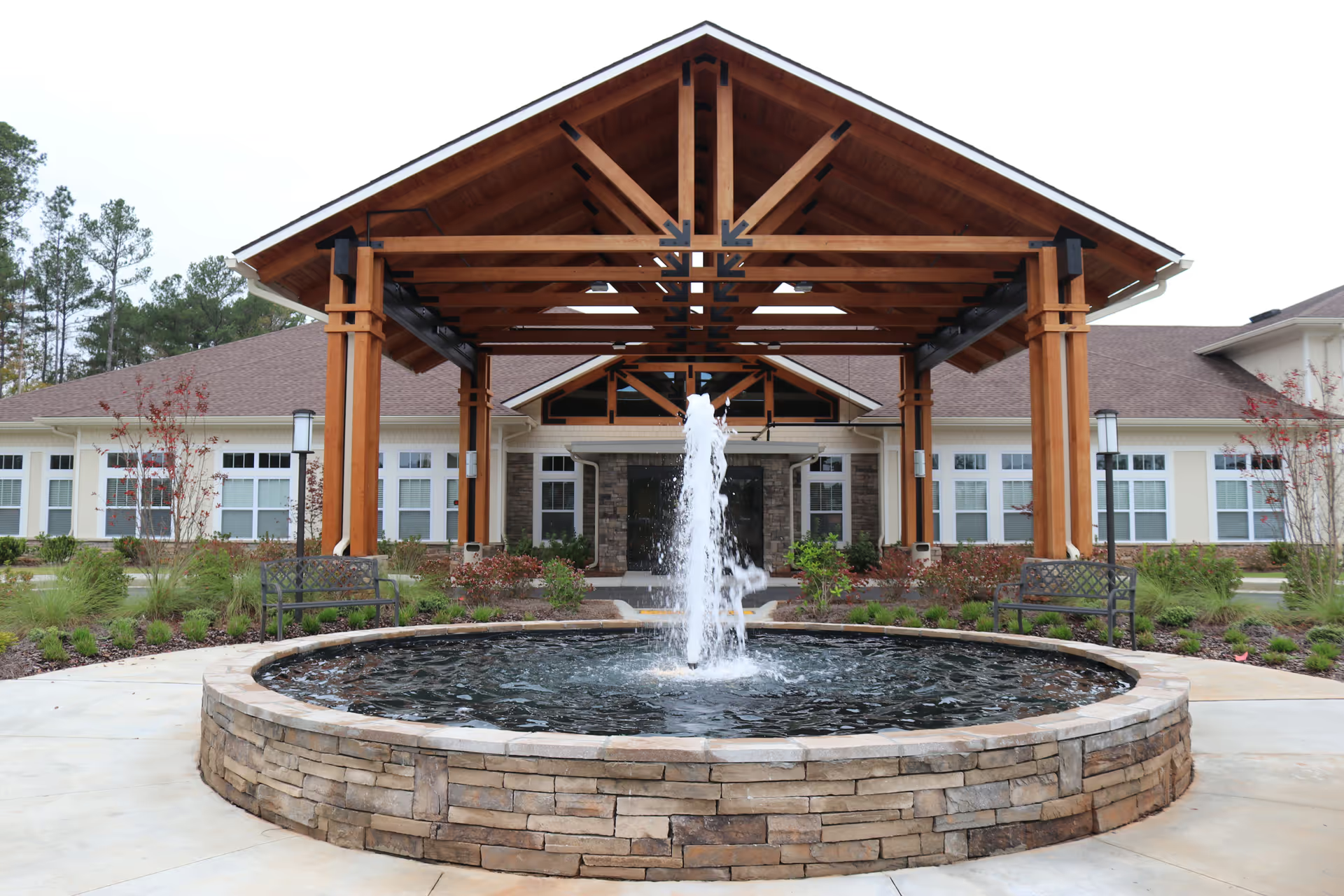
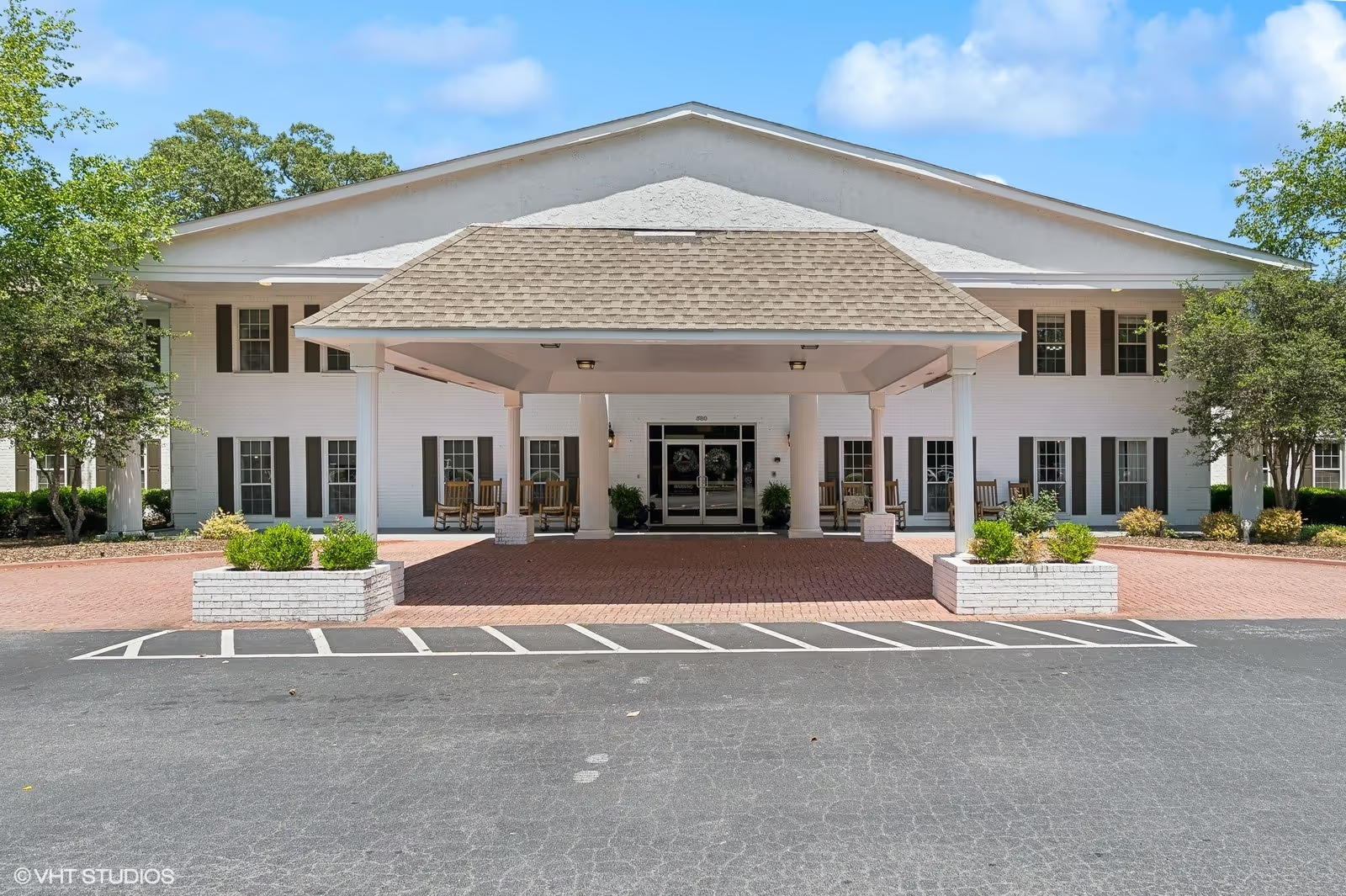
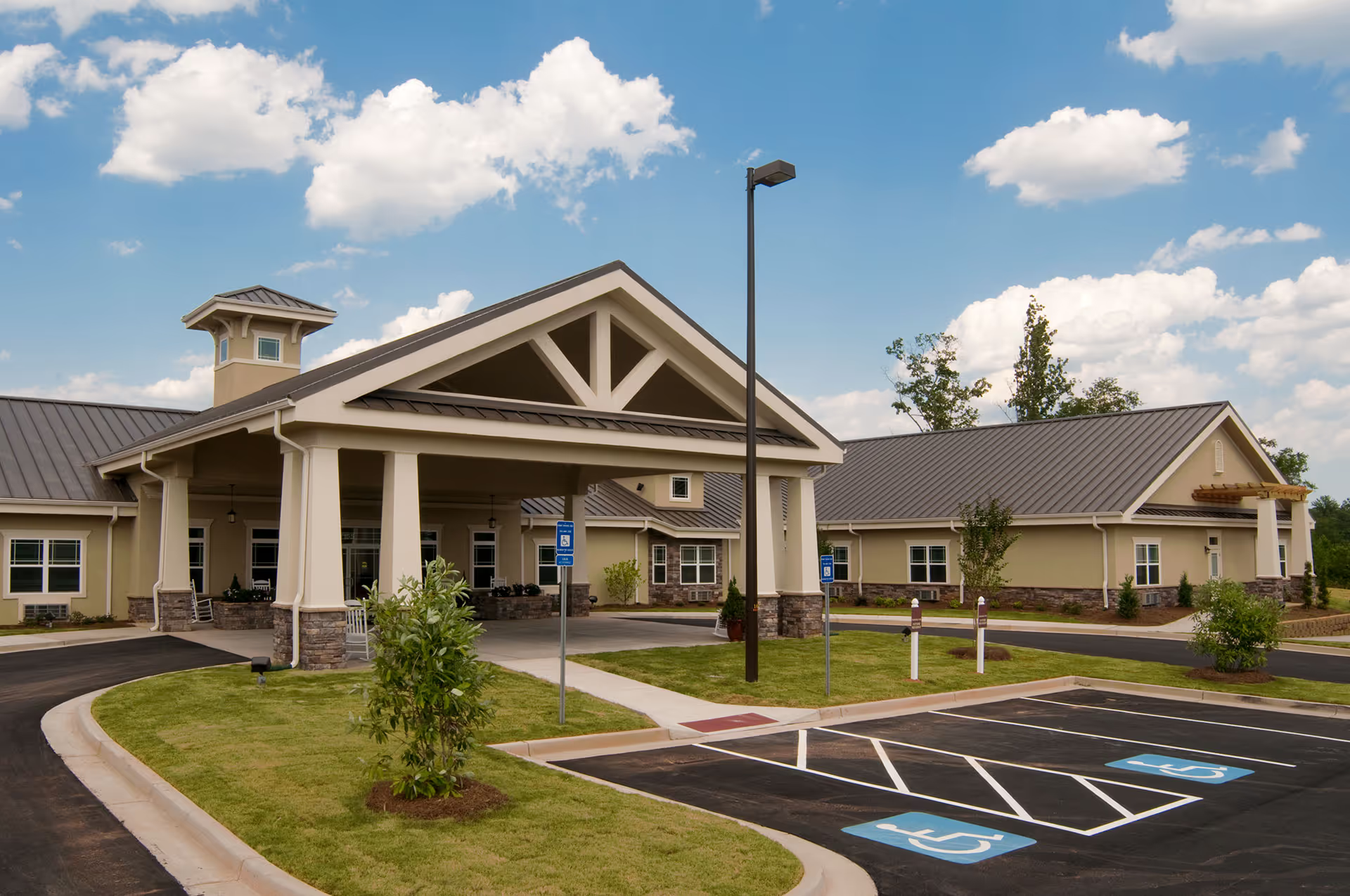
Facility maintenance and cleanliness show a split pattern. Many reviews describe clean, well-maintained common areas and shining floors, while other reports identify sanitation concerns, odor concerns in parts of the building, rooms needing paint or furniture upgrades, and pest-control concerns in some units. Personal-item security and administrative processes are another recurring theme: missing belongings, billing disputes, and slow or confusing communication around charges and post-discharge matters were raised, indicating gaps in property management and front-office processes.
Operational and management patterns emerge as important context. Staffing shortages and long shift patterns are repeatedly linked to slower response times and inconsistent care delivery. Several reviewers described high staff turnover after a change in ownership, and some noted that leadership responsiveness varied — with instances of cooperative leadership and rapid resolution of grievances, and other instances of slow communication or unresolved concerns. There are also reports describing challenges around hospice integration and cohorting, suggesting a need for clearer policies when end-of-life care is present alongside rehabilitative populations.
For prospective residents and families: the facility appears to offer a strong rehabilitation-focused environment with many supportive services and a generally positive customer-service orientation in admissions and therapy. However, the variability in staff conduct, responsiveness, medication processes, and facility maintenance means families should perform targeted due diligence: ask about current staffing ratios and shift patterns, medication administration and monitoring protocols, hospice cohorting policies, incident/grievance resolution pathways, pest-control measures, and recent ownership or management changes. A site tour that inspects room upkeep, dining during service, and documentation of clinical handoffs will help assess whether the operational gaps described have been addressed.