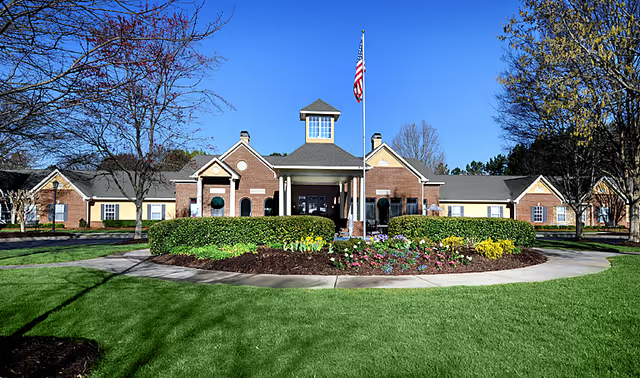
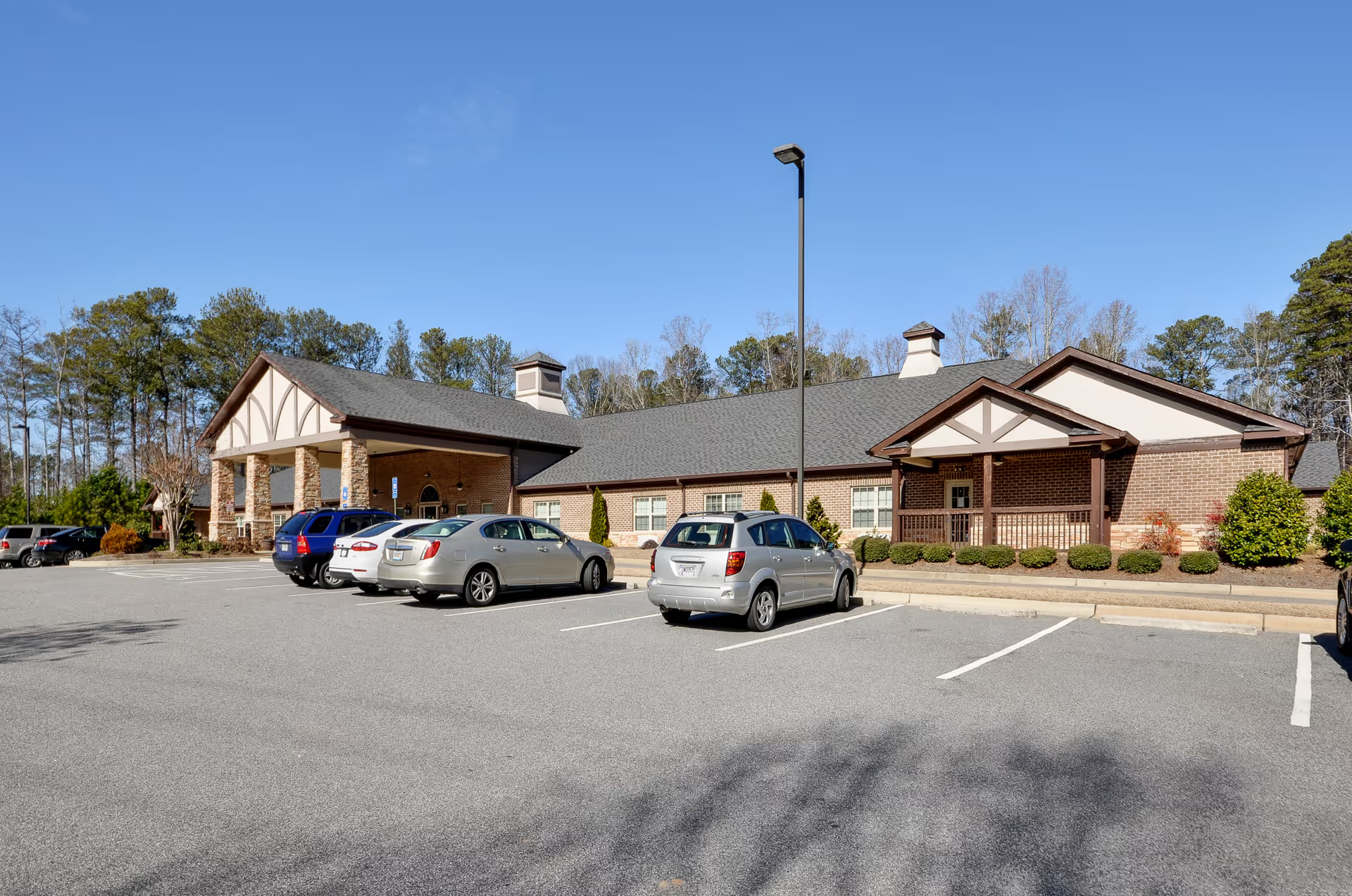
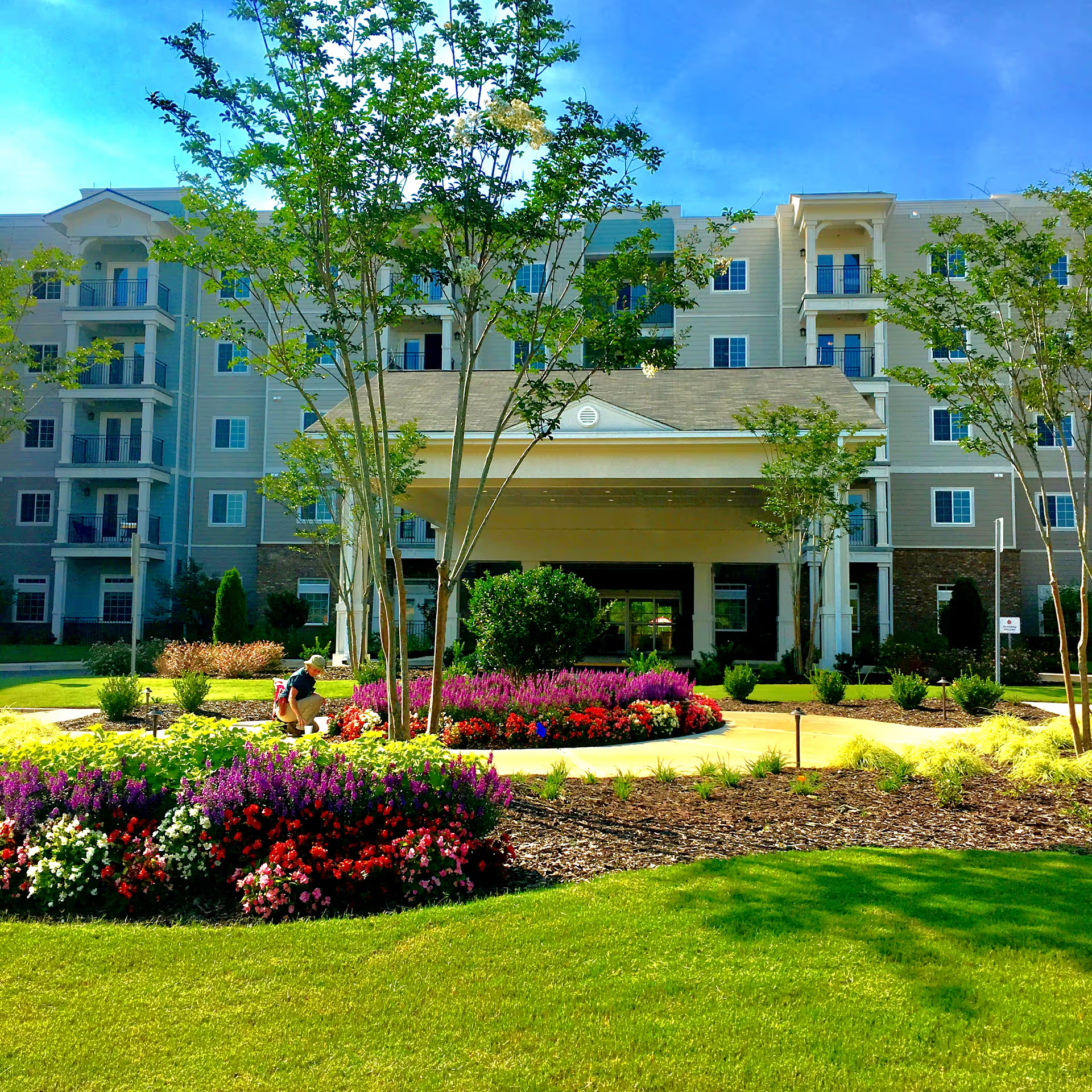
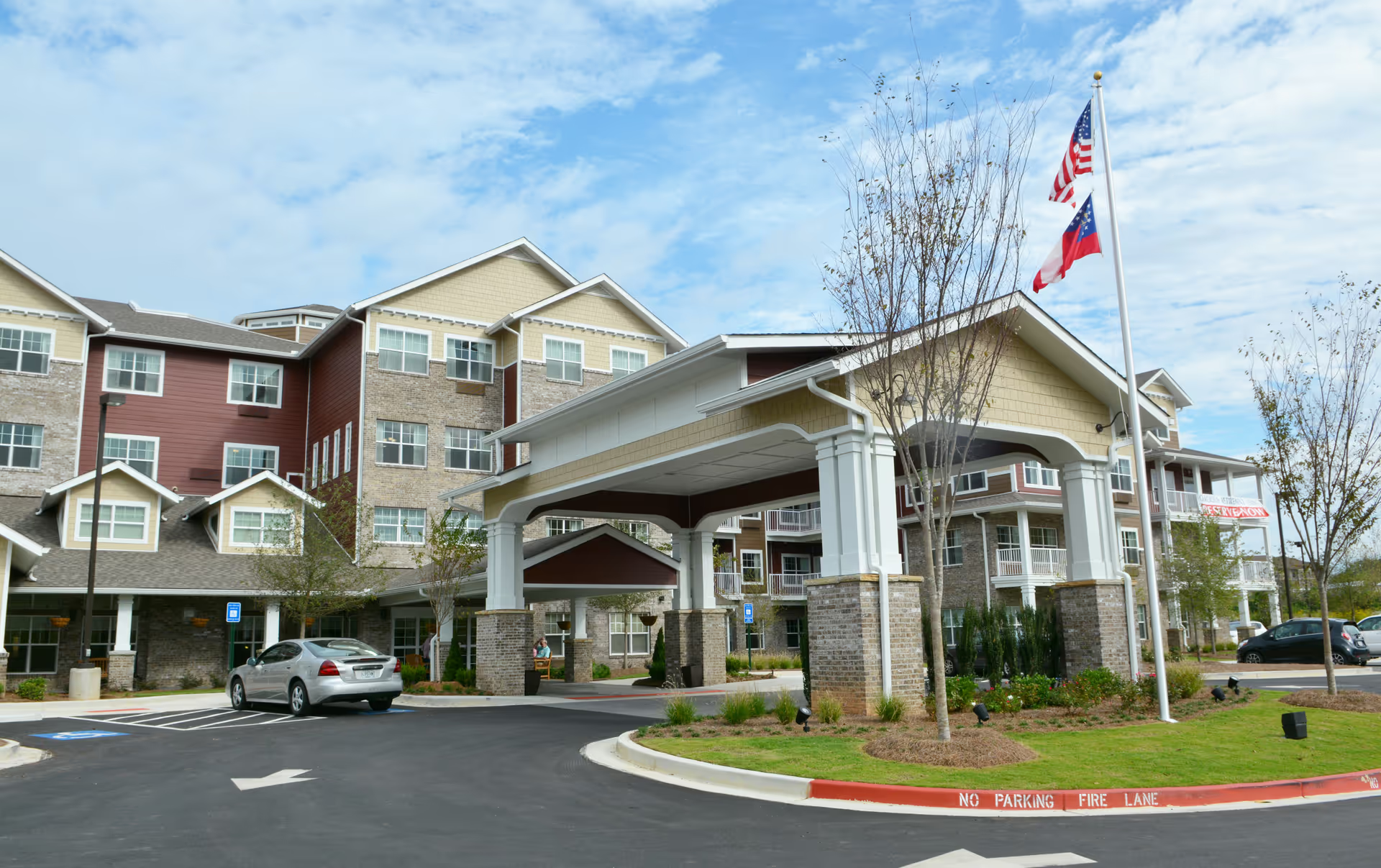
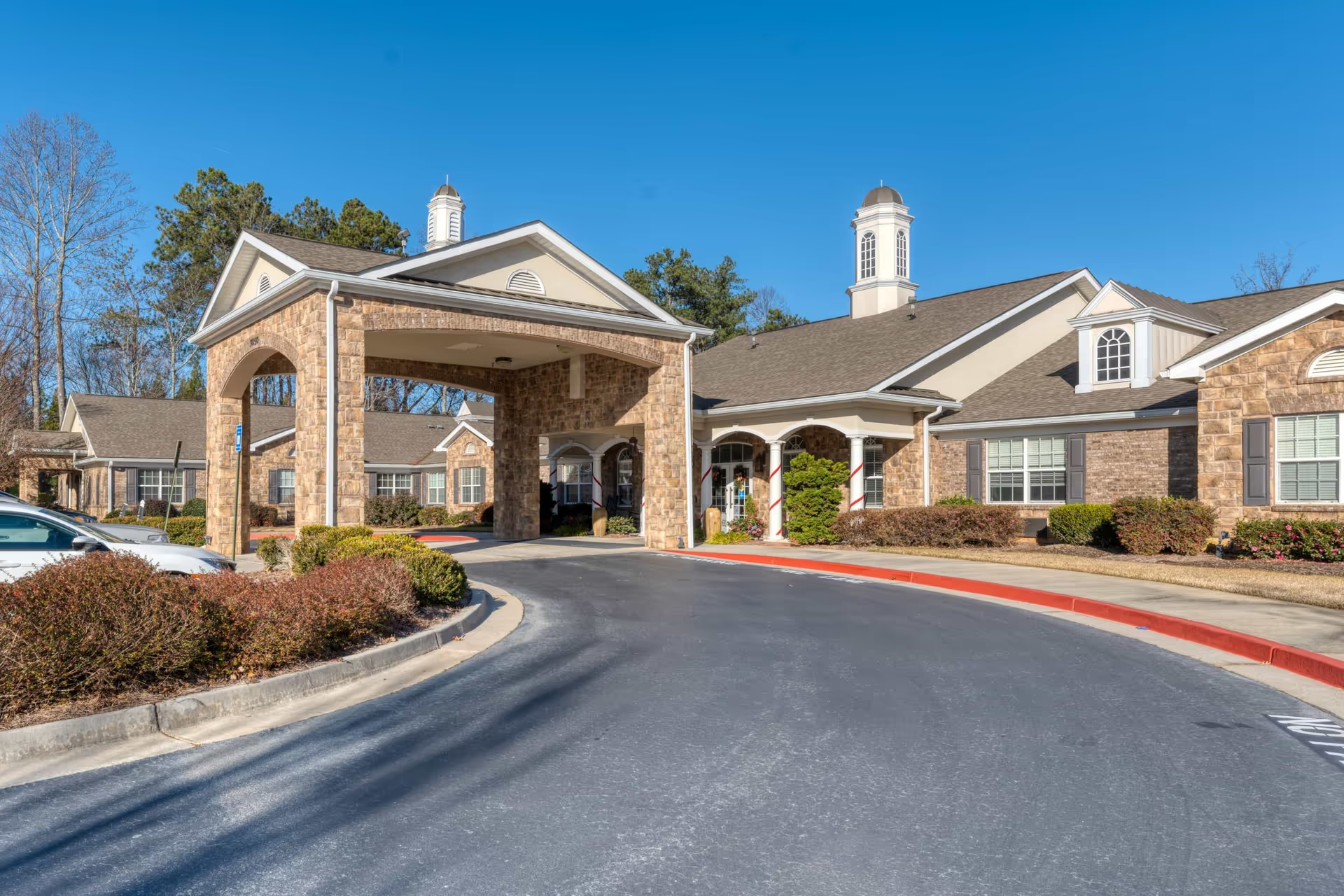
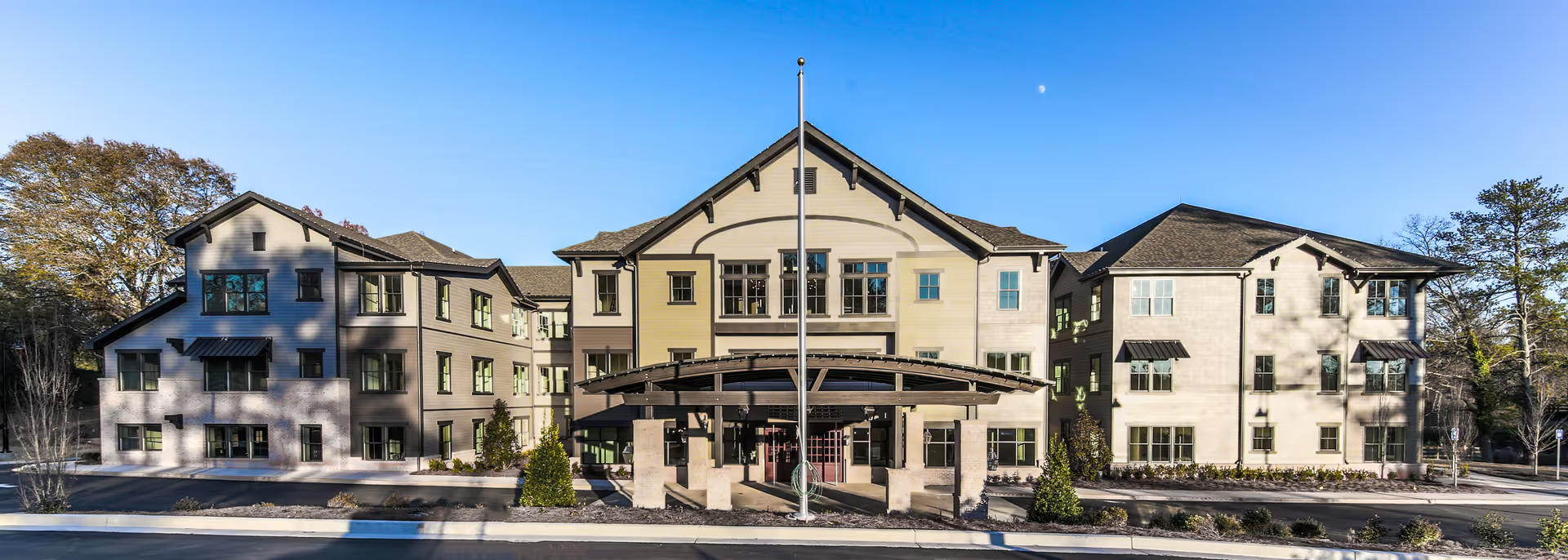
Brickmont at Johns Creek presents as a newer, well-appointed assisted living and memory-care community with many facility-level strengths. Physically the building is described as clean, bright, and thoughtfully designed: reviewers note airy dining areas, spacious common rooms, courtyard access, an on-site salon, and small apartments with walk-in closets. The community is pet-friendly for cats and offers multiple on-site services — physical therapy, periodic nurse practitioner coverage, and salon services — which contribute to an all-inclusive pricing model that many families find convenient for budgeting.
Staffing and day-to-day caregiving are areas of mixed but prominent commentary. A substantial number of families praise compassionate, friendly, and professional caregivers, visible management, and individual staff members who are attentive and invested in residents’ wellbeing. These positive reports frequently mention helpful admissions staff, strong move-in support, and staff who know residents by name. At the same time, the facility appears to experience uneven staffing continuity and turnover; several accounts describe variability in caregiver assignments, intermittent delays responding to call lights, and occasional concerns about staff conduct or communication tone. Prospective families should expect a mix of consistently strong caregiver interactions and periodic lapses linked to staffing instability.
Clinical care and care-management patterns show clear strengths and important vulnerabilities. The presence of on-site clinical services and hospice flexibility is a plus, but multiple reviewers flagged medication-management issues, inconsistent implementation of care plans, and delays in escalating enhanced-care requests. There are also specific concerns about hospice-medication handling and an individual outcome that prompted family concern; these underscore the need for families to verify medication-change authorization processes, care-plan review cadence, and the facility’s procedures for coordinating with external clinicians. In summary, clinical capability is available, but its reliability can vary depending on staffing and administrative follow-through.
Dining and activities receive mixed feedback. Many reviewers compliment the chef-prepared meals and say residents enjoy menu variety, while others describe bland or repetitive preparations, seasoning/temperature issues, and slow dining-room service at times. Activity programming is active at the community level, with an engaged activities director and a range of social offerings; however, dementia-specific, small-group, and memory-focused programming is described as inconsistent and sometimes limited. Families seeking robust, specialized memory-care activities should inquire about current schedules, staffing for small groups, and plans to expand programming.
Housekeeping, laundry, and general operations show variability. Several families praise the spotless appearance and maintenance of common areas, while others describe infrequent room cleaning, laundry delays, and occasional lost or mixed clothing. Administrative communication and billing processes are another recurring theme: while some residents experience responsive leadership and effective follow-up, other families report delayed responses, difficulty reaching management or nursing leaders, and slow refund or billing resolution. These operational inconsistencies often appear tied to transitional leadership changes and staff turnover; some reviewers noted improvements after management changes, while others still see gaps.
Overall pattern and practical guidance: Brickmont Johns Creek offers many attributes that appeal to families wanting a modern, secure, and socially active assisted-living setting with on-site services and an all-inclusive price structure. The community may be a good fit for residents seeking a welcoming environment, social opportunities, and moderate clinical support. Families considering placement should, however, probe operational controls: confirm medication-change authorization and oversight, ask for documented care-plan implementation timelines, verify housekeeping and laundry schedules, evaluate current staffing ratios and turnover, and review dementia-specific activity offerings. Doing so will help align expectations with the variable experiences described by reviewers and identify whether the facility can consistently meet a particular resident’s clinical and personal-care needs.