The reviews reflect a facility with distinct strengths in rehabilitation and therapy services alongside persistent operational shortcomings. Rehabilitation, physical and occupational therapy staff, and certain clinical providers receive consistently positive remarks: families cite effective therapy that facilitates return home, attentive therapists, and an often-capable nurse practitioner. The memory-care unit and its programming are highlighted as a reliable element of the campus, and multiple reviews describe engaging activities (crafts, music, socials, hand massage, bingo) that support socialization. Some long-term residents and families express high overall satisfaction and note compassionate day-to-day caregivers and meaningful clinical support during acute events.
At the same time, a clear pattern of variability in nursing and custodial care emerges. Many reviews describe inconsistent staffing levels, high staff turnover, and gaps in continuity of care that translate to delays in assistance, inconsistent personal-care routines (including linen and bathing schedules), and uneven medication or equipment coordination at discharge. These operational gaps appear to affect lower-acuity residents disproportionately while higher-acuity or therapy-focused patients sometimes receive more reliable attention. Several families expressed concerns about clinical follow-up after changes in condition and about communication during transitions.
Dining and nutrition are another mixed area. Some reviewers praise the meals and occasional restaurant-quality offerings, but a larger number cite erratic food temperature and timing, limited options for therapeutic diets (for example, diabetic-friendly meals), and scarce between-meal snacks. Meal-service delays and inconsistent delivery were associated with reduced intake for some residents.
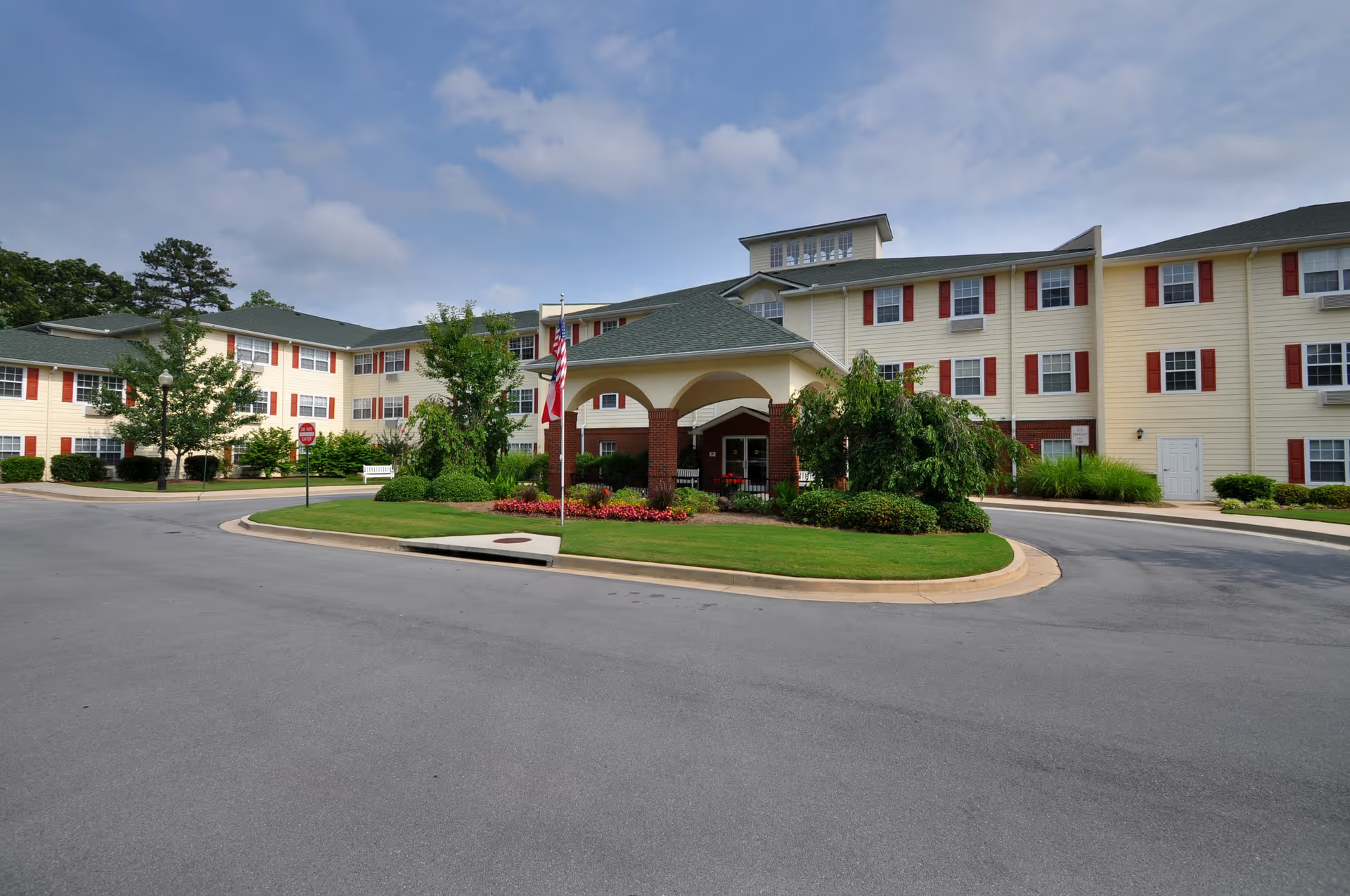
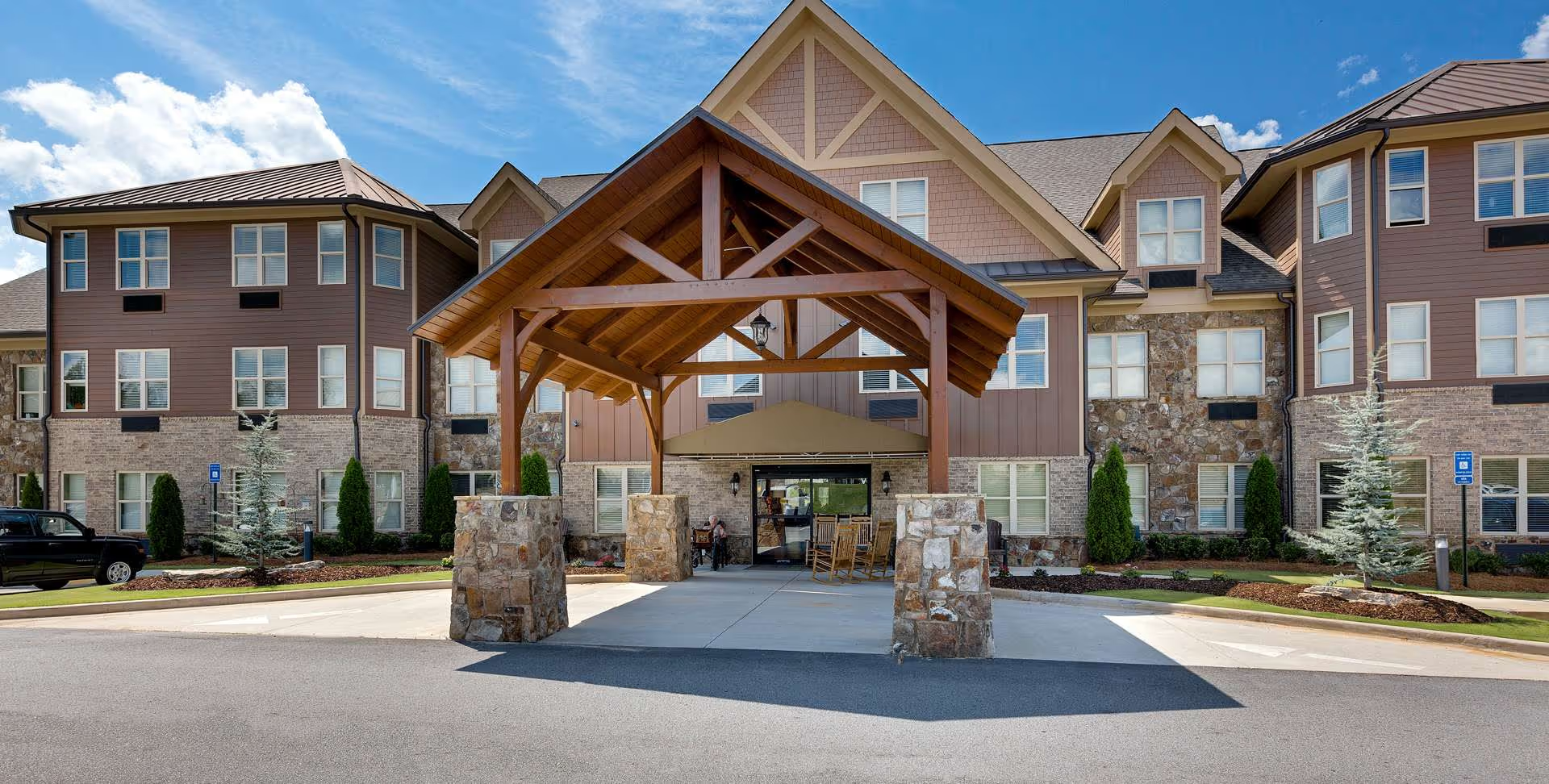
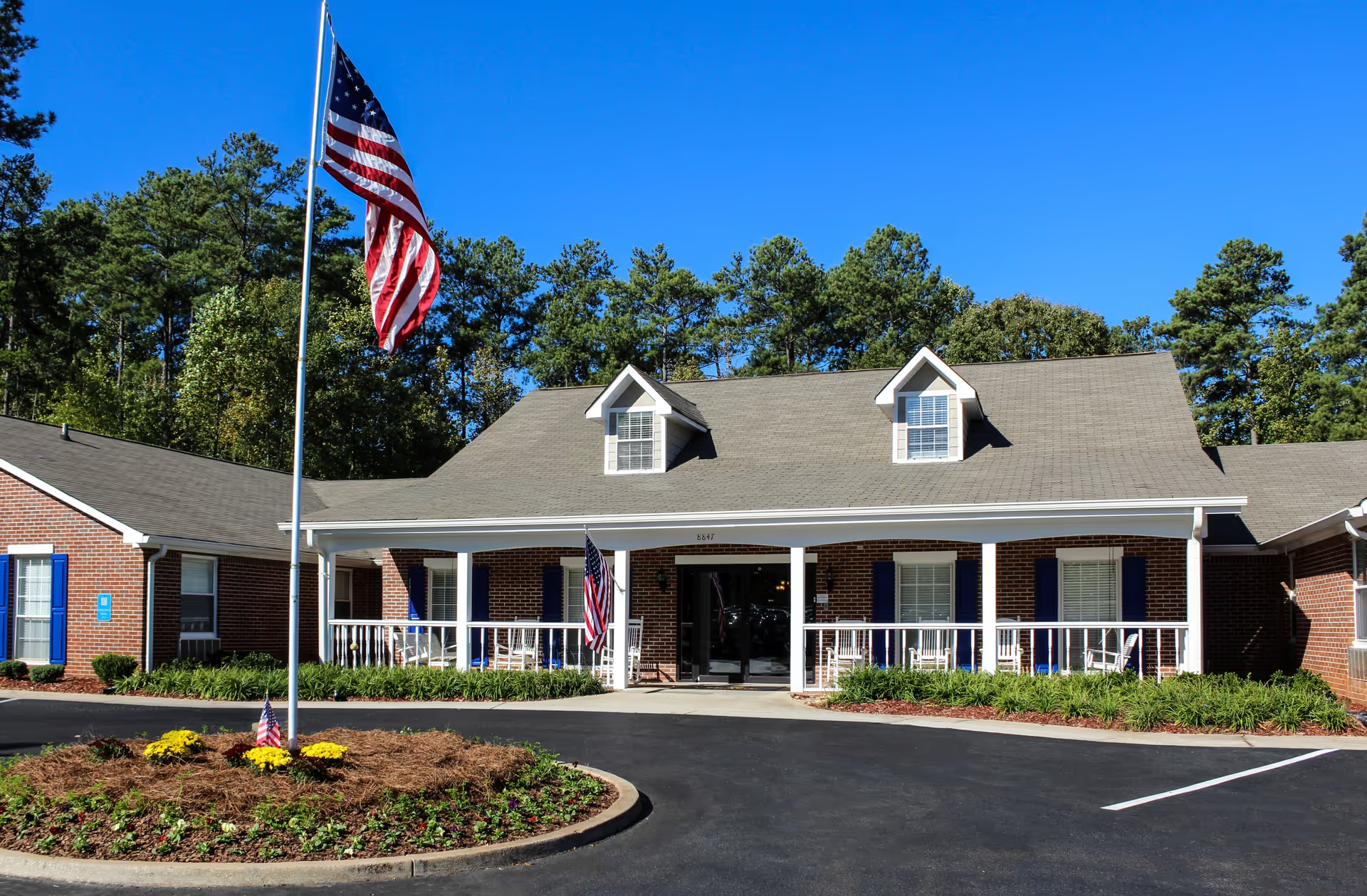
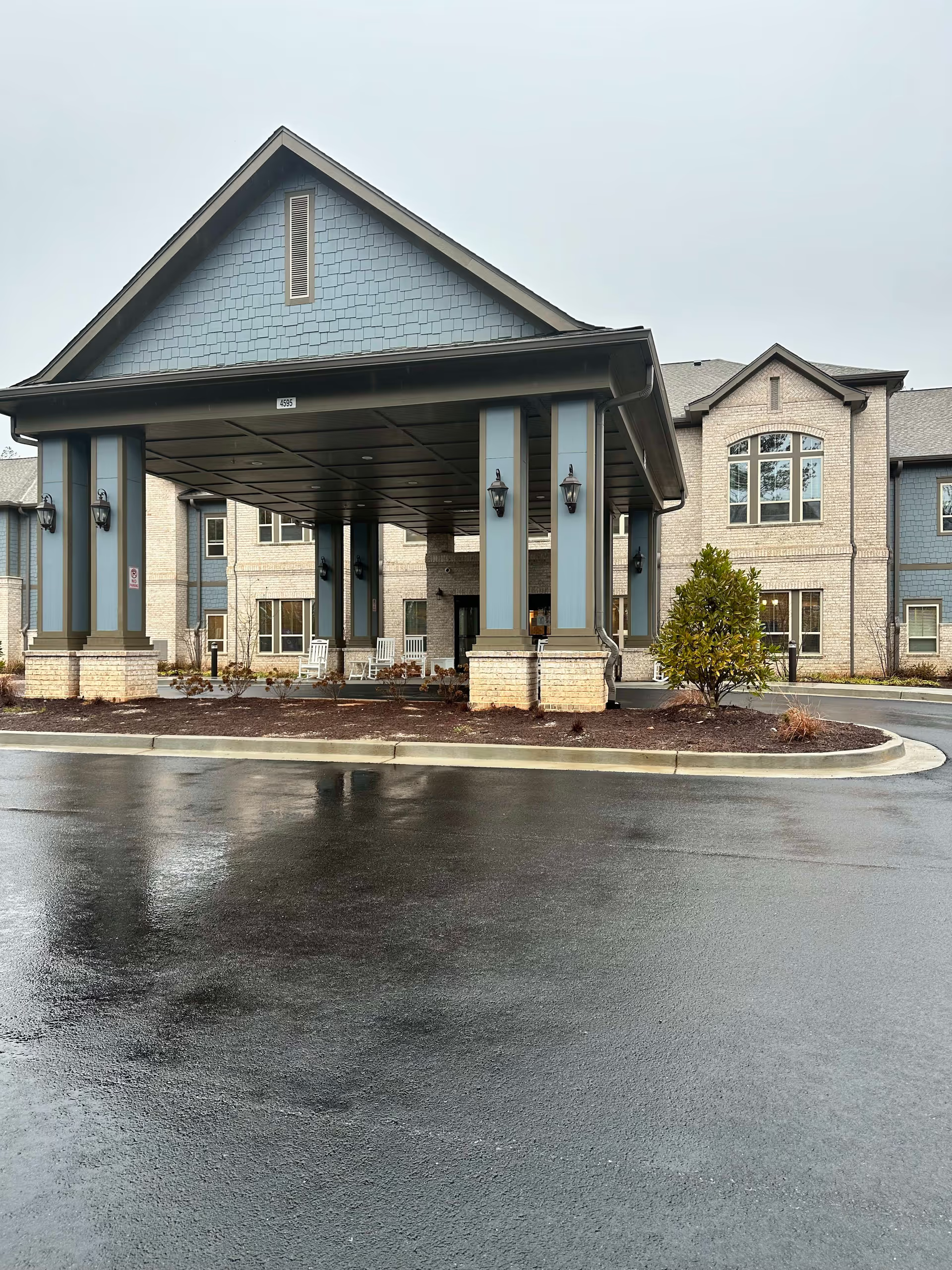
Facility condition and environmental services are described unevenly. There are reports of recent upgrades in some public areas and positive impressions of new flooring, but other areas are described as dated with maintenance backlogs, sanitation concerns, and pest-control issues in parts of the building. Shared-room arrangements and limited private accommodations are recurring practical constraints for families who prefer private rooms. Housekeeping and laundry practices appear inconsistent across units.
Management and organizational factors are frequently mentioned as contributing to residents’ experiences. While some managers and supervisors are praised for responsiveness and problem-solving, other reviewers describe limited managerial visibility, slow or non-responsive admissions and billing communications, and challenges associated with ownership transitions. Communication breakdowns between clinical staff, social work, and families—plus a few serious individual claims such as allegations of resident property loss—have amplified family distrust in some cases.
In sum, Wellstar Paulding Nursing Center demonstrates notable strengths in rehabilitation, therapy, and certain compassionate caregiving relationships, and it can provide strong outcomes for therapy-focused patients and satisfied long-term residents. However, prospective residents and families should be aware of recurring operational issues: staffing variability, inconsistent nursing continuity, dining limitations, maintenance and sanitation concerns, management visibility, and periodic communication breakdowns. Those considering the facility may wish to (1) tour the specific unit they are considering (observe current cleanliness and meal service), (2) ask about current staffing ratios and turnover, (3) clarify dietary and discharge coordination processes, and (4) request references from recent families who had similar care needs (rehab vs long-term custodial) to match expectations with the facility’s current performance profile.