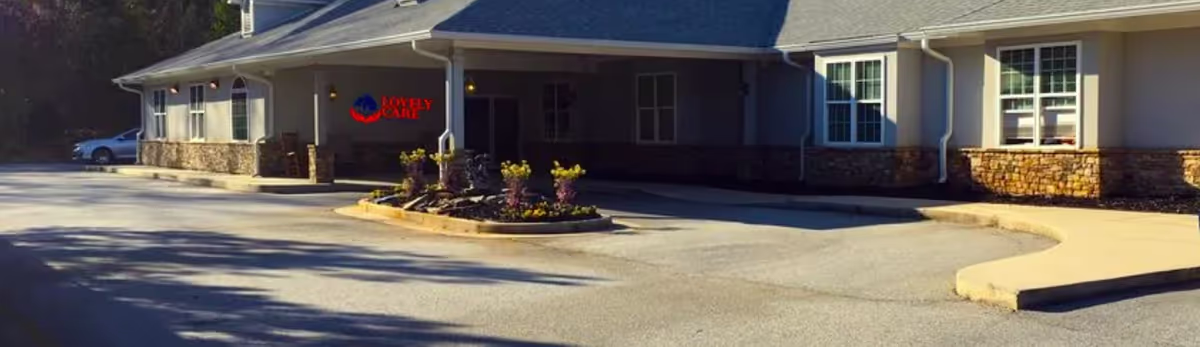
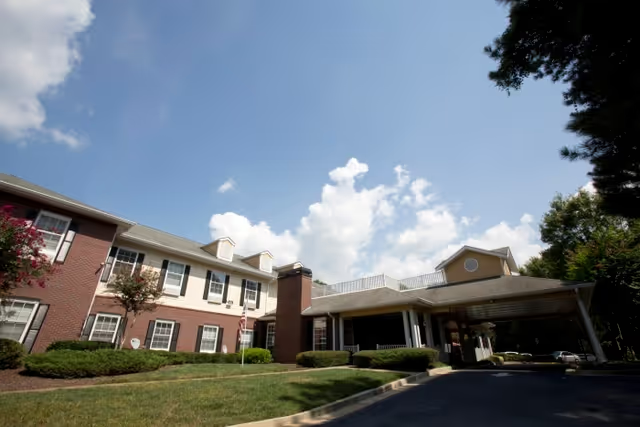
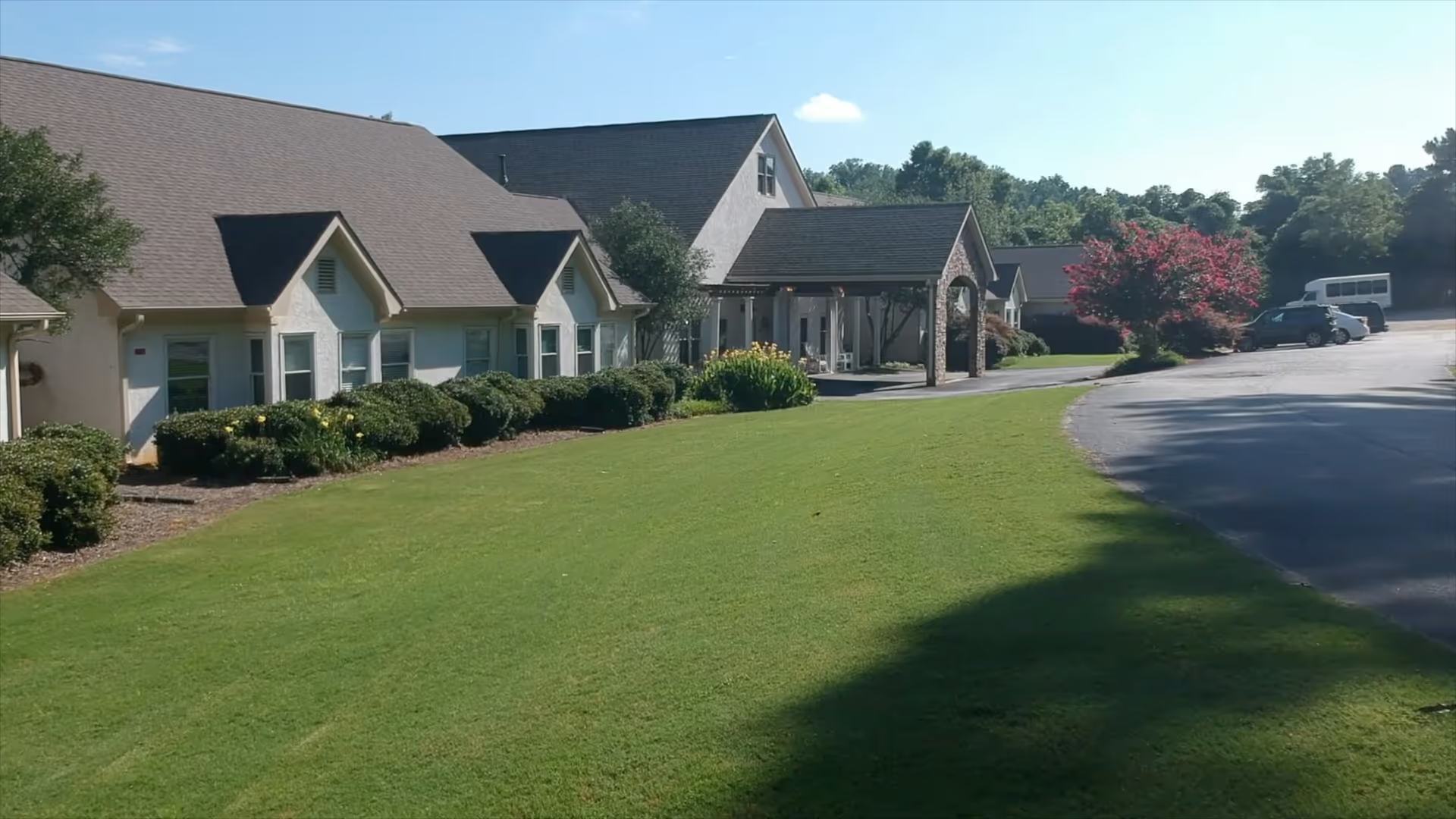
The reviews present a highly mixed picture of care at Bonterra Transitional Care and Rehabilitation. Several families describe compassionate, attentive caregivers and named staff who provided positive personal attention; others describe significant operational shortcomings. Strengths cited include effective short-term rehabilitation outcomes for some residents, a range of engagement opportunities (including spiritual services and activities), and units or rooms that are perceived as clean and comfortable. Multiple reviewers also noted helpful communication from specific staff and unit managers, and the facility's convenient location for families.
At the same time, recurring operational themes emerge. Staffing variation and long wait times for assistance are commonly described, with particular pressure noted on weekends. These staffing gaps are associated with delays in personal care, inconsistent bathing schedules, and interruptions in routine tasks. Therapy and rehabilitation delivery appear uneven: some residents received timely, effective therapy, while others experienced limited or incomplete therapy continuity. Meal-service reliability and menu variety are also inconsistent, with repeated complaints about repetitive or cold meals.
Clinical-operations concerns include inconsistent medication-administration practices and problems with pharmacy coordination or pill handling, as well as delays or errors in medical-record transfers. Administrative communication and complaint follow-through are highlighted as areas needing improvement; families describe difficulty reaching administrative staff, incomplete records transfers, and slow or insufficient responses to concerns. Safety-related patterns include sanitation and cleanliness issues in certain areas, pest-control concerns, security gaps affecting personal belongings, and environmental-control problems such as uncomfortable room temperatures and limited accessible bathing options for residents with mobility needs.
Taken together, the reviews suggest that quality of experience at this facility can vary significantly depending on unit, staffing at the time, and individual caregivers. Prospective residents and families should evaluate current staffing levels and weekend coverage, observe cleanliness and pest-management practices, review medication-administration protocols, ask for recent inspection or remediation records, confirm therapy schedules and continuity of care plans, and discuss procedures for handling grievances and medical-record transfers. Visiting in person, meeting unit managers and key caregivers, and clarifying security measures for personal property will help determine whether the facility's strengths align with a particular resident's needs.