The reviews for Bell Minor Home present a divided picture: a substantial number of families and residents praise the facility's clinical strengths and person-centered staff, while a notable portion describe operational and quality-control weaknesses that would warrant careful inquiry by prospective families.
Care quality shows clear contrasts. Positive accounts highlight strong clinical leadership, with an engaged medical director and therapy teams that produce measurable rehabilitation progress—daily physical therapy, helpful therapists, and successful discharge outcomes are frequently mentioned. Several reviewers described punctual medication administration and attentive nursing care that supported recovery. Conversely, other reviews indicate inconsistent completion of personal care tasks (notably bathing and dressing), delays in responding to call lights, and irregularities in pain-management timing. These descriptions suggest variability in day-to-day caregiving consistency across units or shifts.
Staff and culture receive mixed evaluations. Many reviewers emphasize caring, warm, and long-tenured staff who create a family-like atmosphere and provide compassionate bedside attention. Positive feedback also cites helpful front-desk personnel and a responsive kitchen meeting dietary needs. At the same time, recurring operational themes include understaffing, frequent use of agency personnel, high turnover, and episodes of poor staff communication or unprofessional tone. These staffing dynamics correlate with the service inconsistencies and appear to fluctuate with management changes.
Dining and activities also vary by report. The kitchen is praised in several accounts for accommodating special diets and providing meals residents enjoy, but other accounts describe repetitive or unpalatable meals and limited dining engagement. Activity programming is described as limited or inconsistently executed in a portion of reviews; in contrast, some families report meaningful engagement and a caring social environment. Prospective families should ask for current activity schedules and examples of recent programming when evaluating the facility.
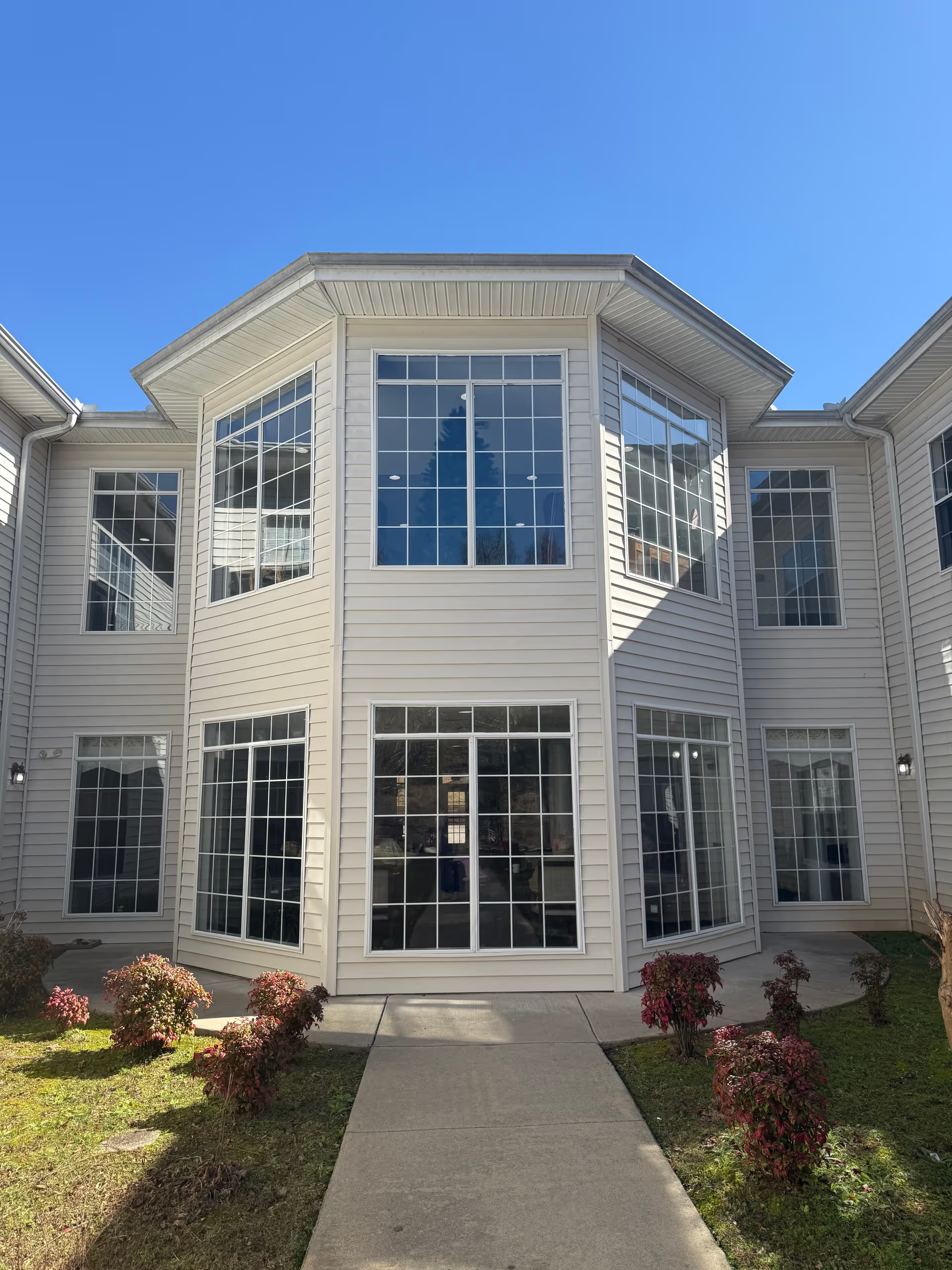
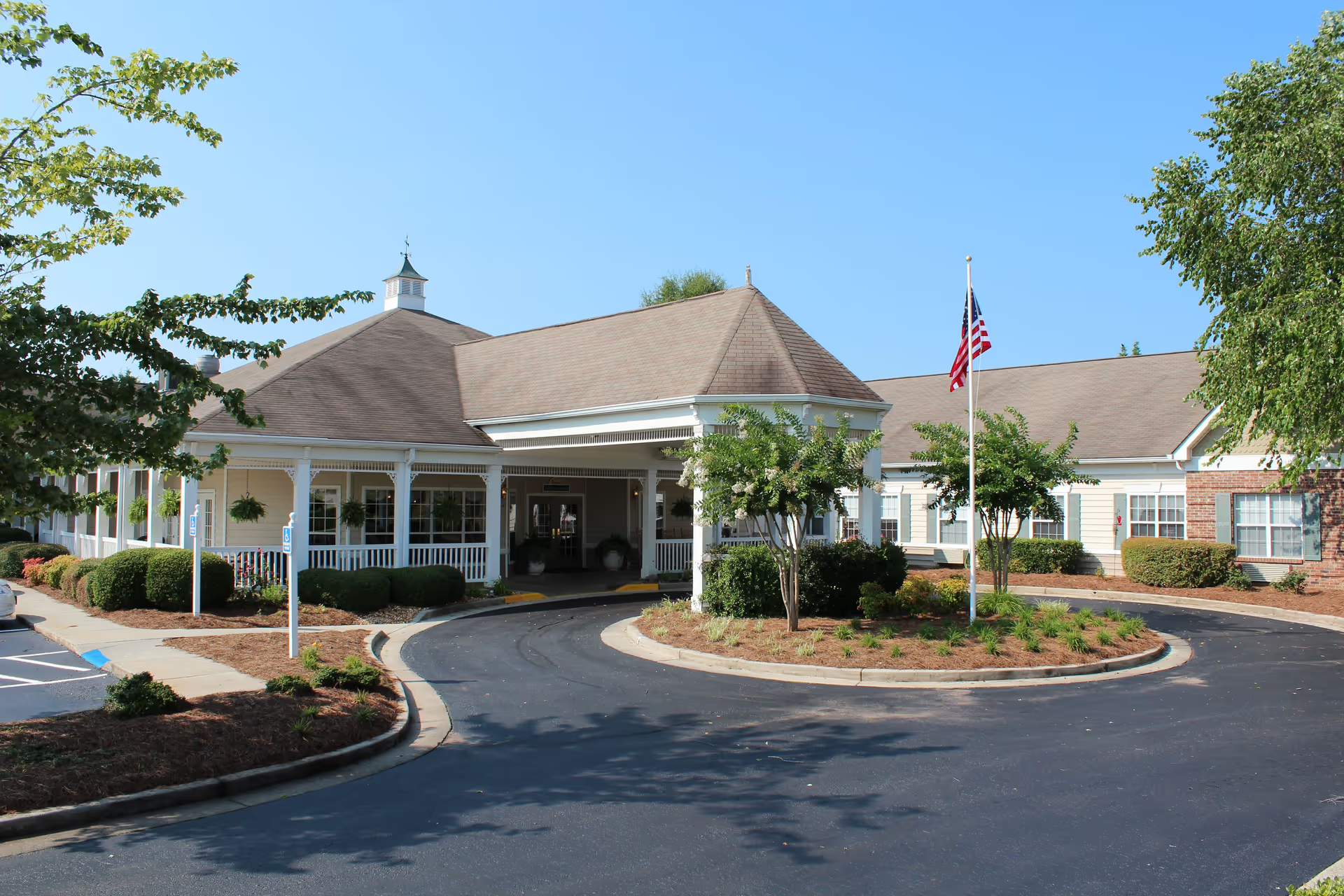
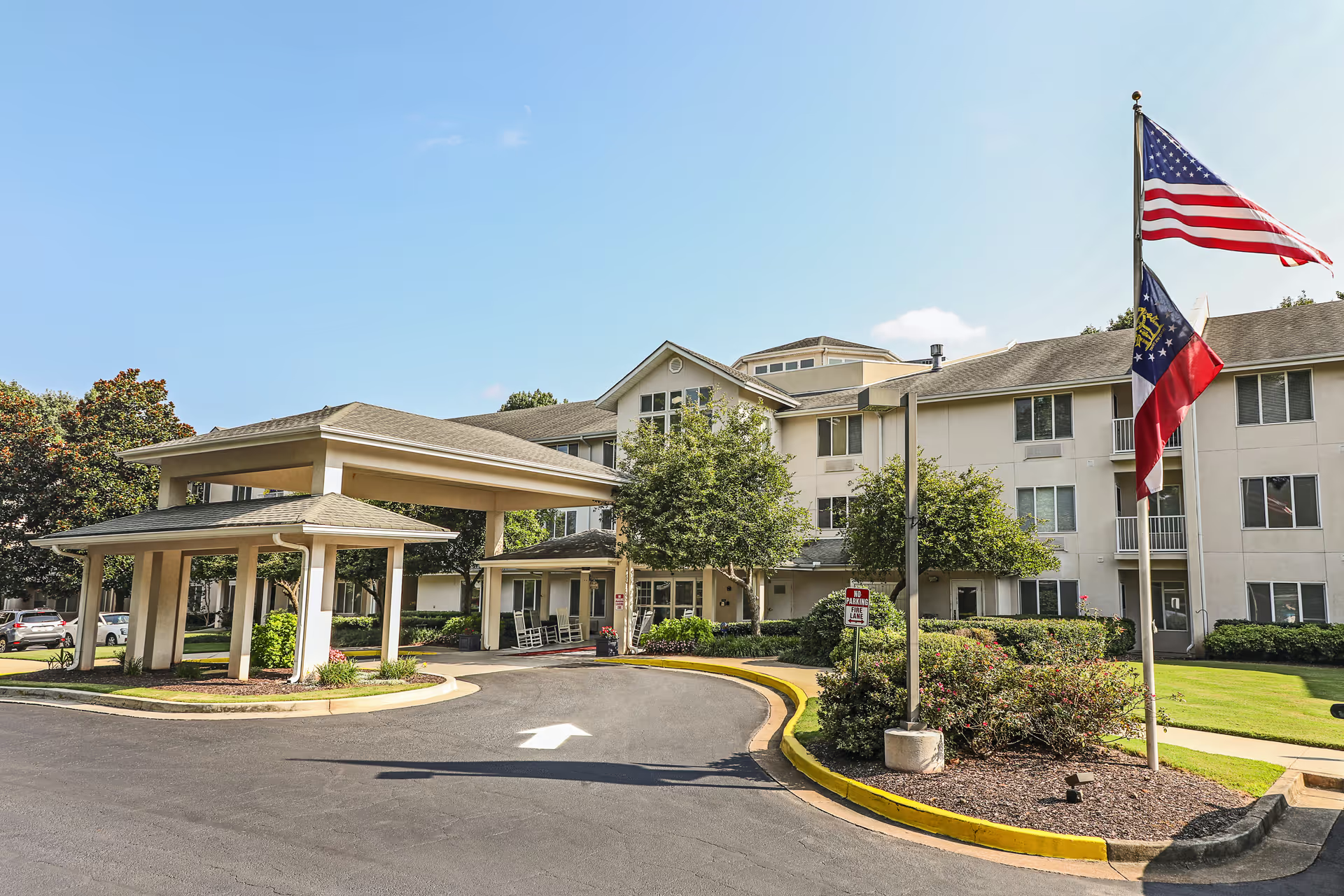
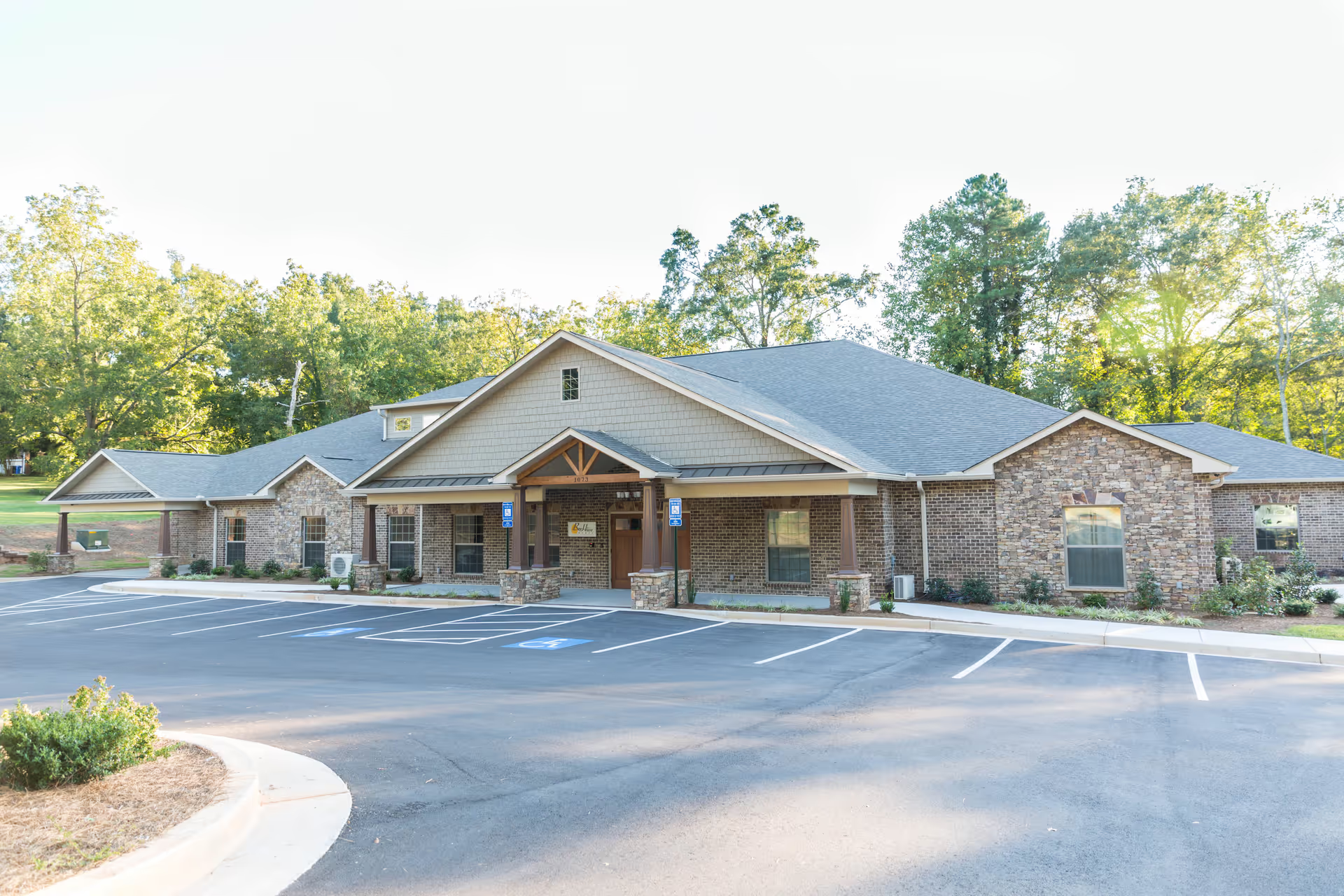
Facility condition and safety issues are another area of mixed feedback. Positive reviewers describe clean, well-maintained rooms and a neat interior. However, there are repeated mentions of cleanliness lapses and pest-control concerns in some areas, as well as several accounts of missing personal items and at least one allegation of theft. There are also reports of occasional equipment or environmental issues (for example, air-conditioning faults) and concerns about transfer coordination and timely escalation to higher-level care.
Management, transparency, and communication show a pattern of variability. Positive narratives credit effective administrators who know residents and provide smooth transitions. Negative narratives cite limited transparency, difficulty reaching staff or admissions, unreturned messages, and frustration after management changes. A few serious concerns—including family allegations about medication practices and questions following an adverse outcome—appear in the reviews; these warrant careful, specific follow-up with regulators or the facility for clarification.
Overall, Bell Minor Home demonstrates clear strengths in clinical leadership and rehabilitation services and can offer highly attentive care in many cases. Simultaneously, recurring operational issues—primarily around staffing consistency, personal-care scheduling, cleanliness/pest control, property safeguards, and family communication—appear frequently enough to merit targeted questions during a tour. Suggested steps for prospective residents and families include asking about current staffing ratios and turnover, call-light response metrics, medication-administration protocols, infection-control and visitation policies, property-safekeeping practices, recent pest-control records, and examples of current activity and dining programs. Checking state inspection reports and consulting the local long-term care ombudsman can also help corroborate the facility’s present performance before a placement decision.