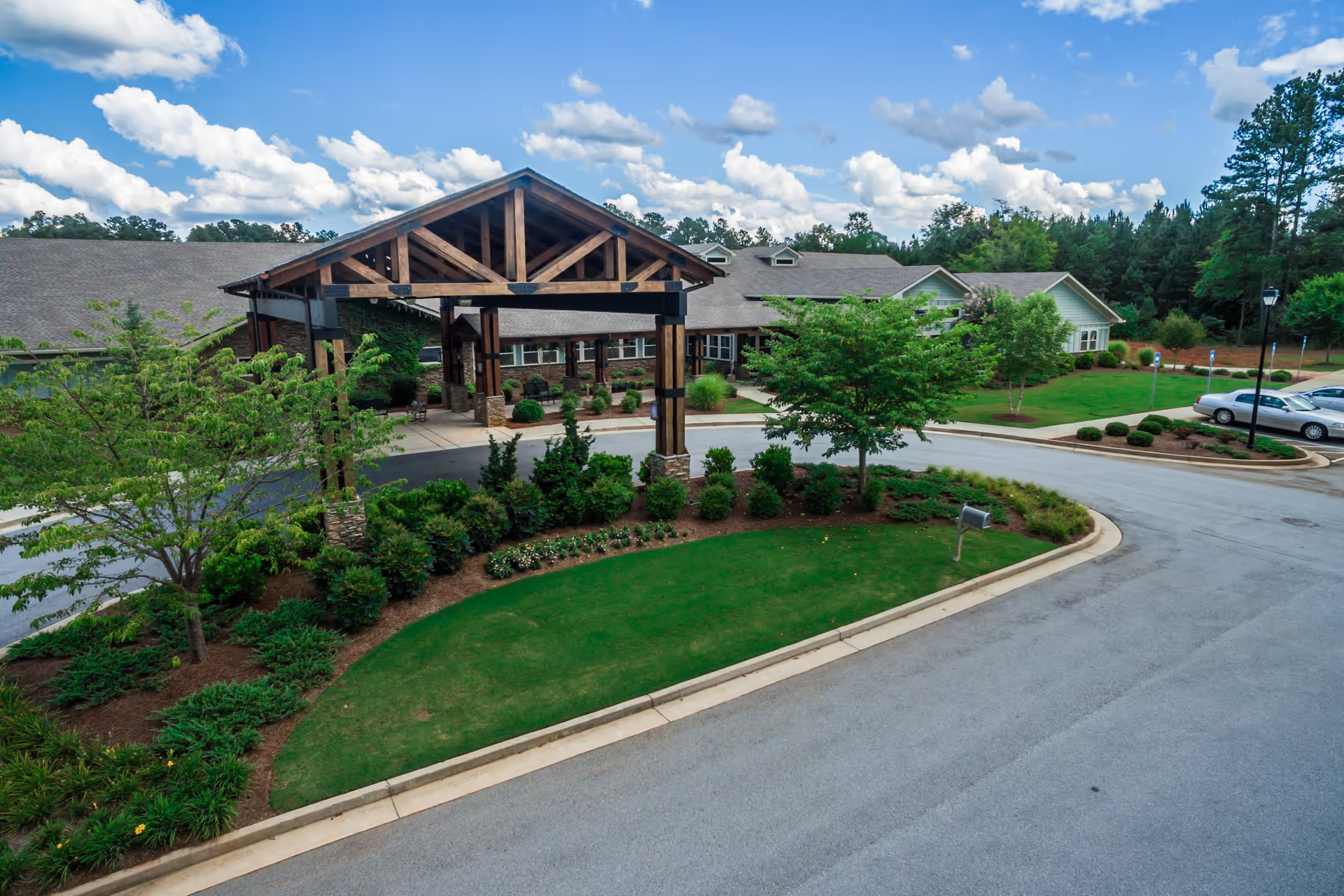
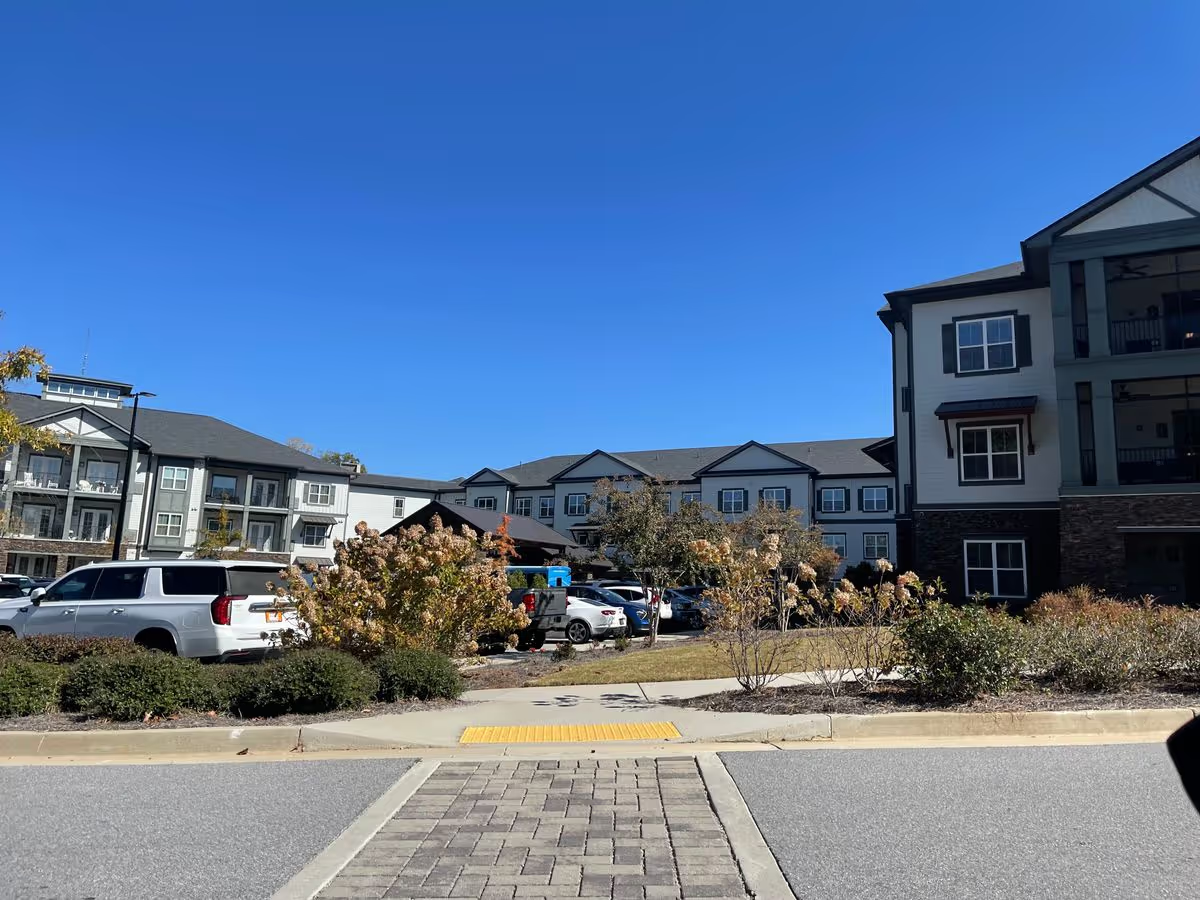
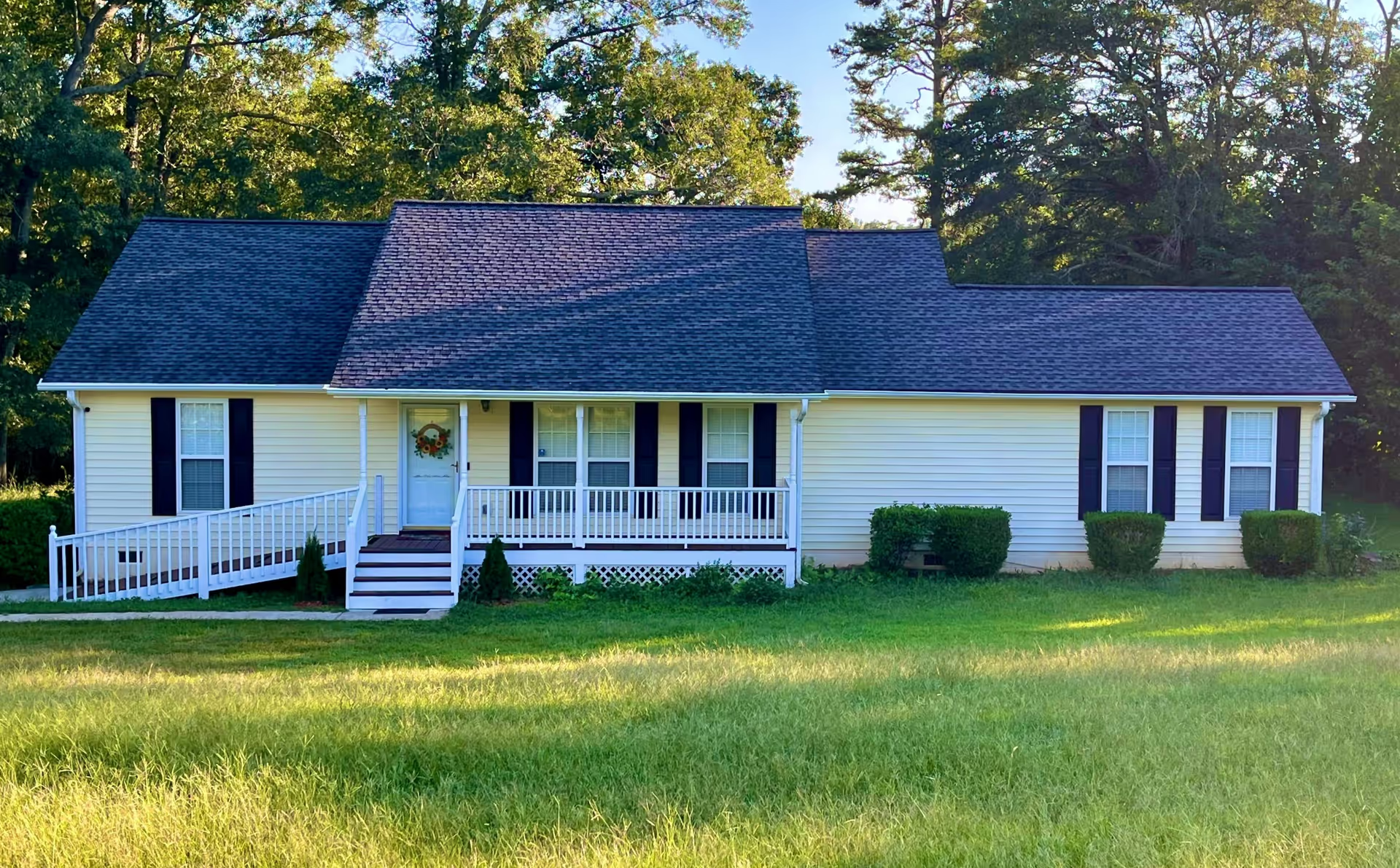
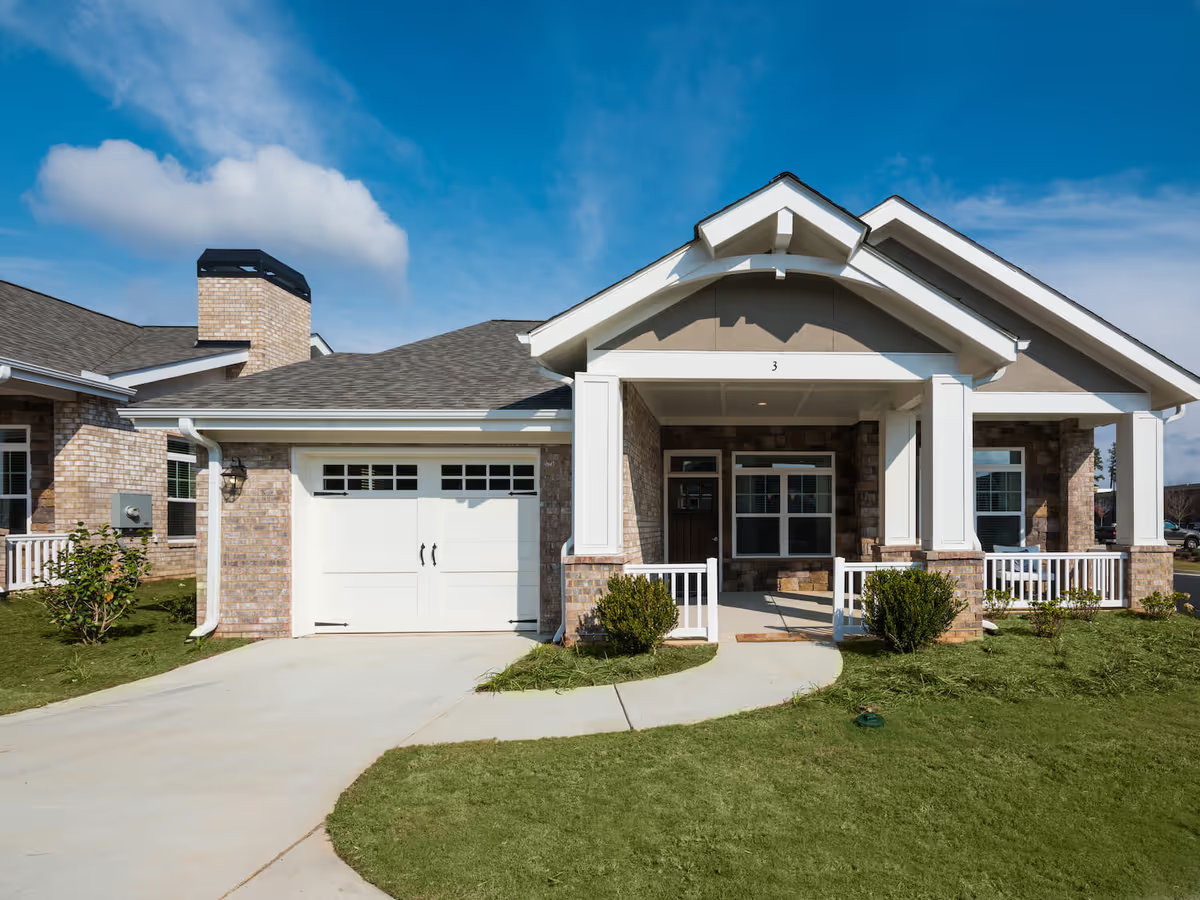
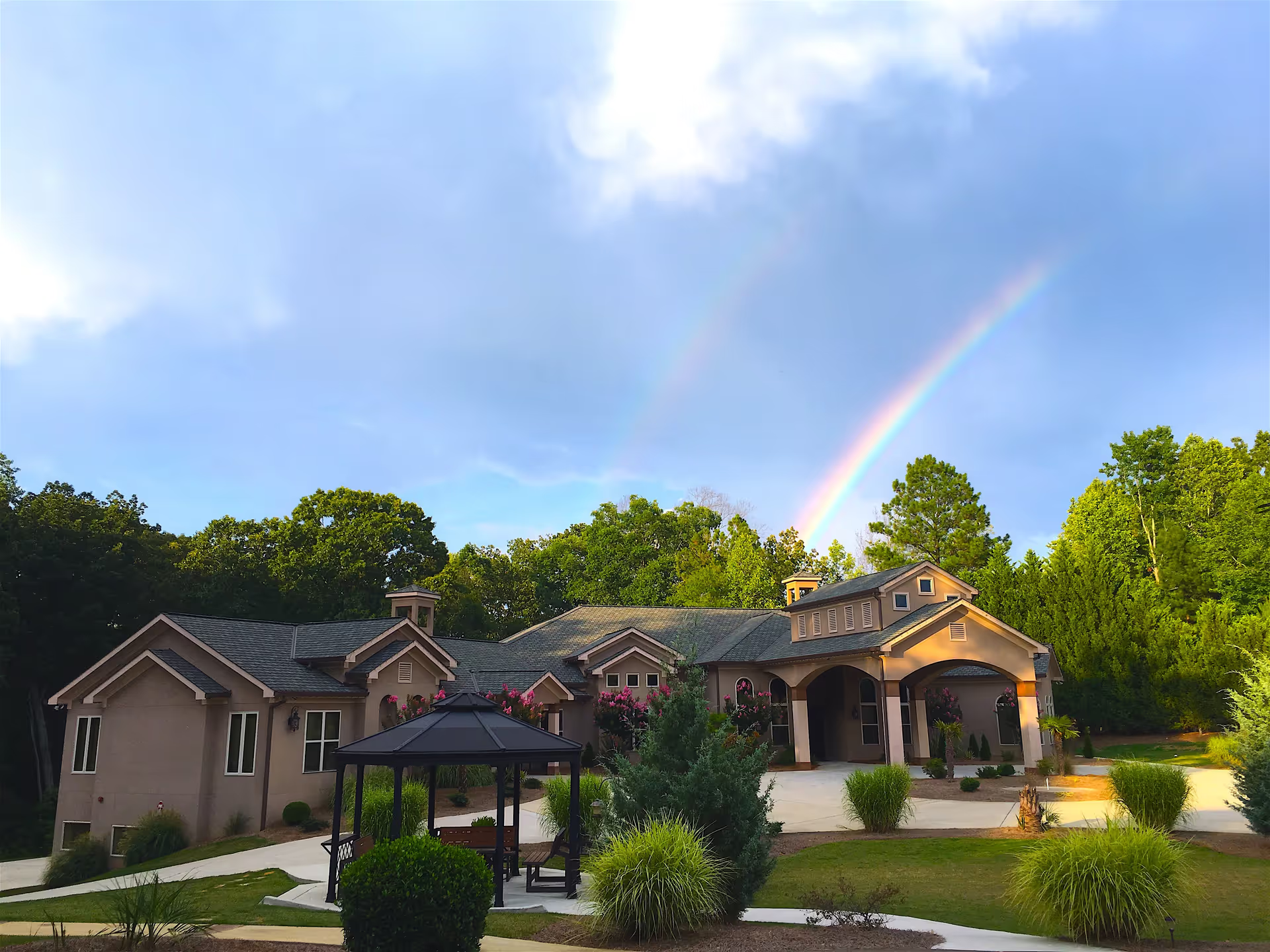
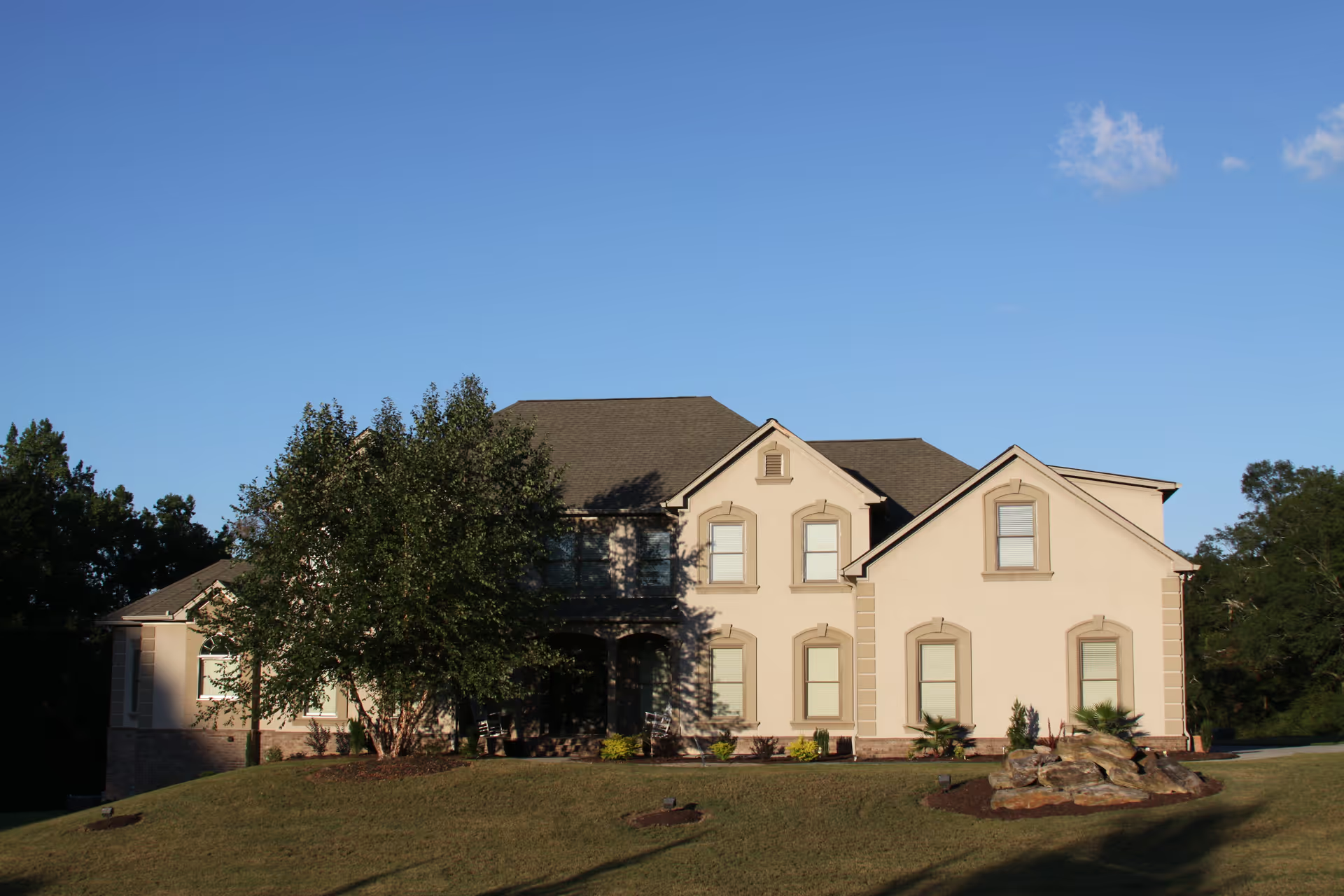
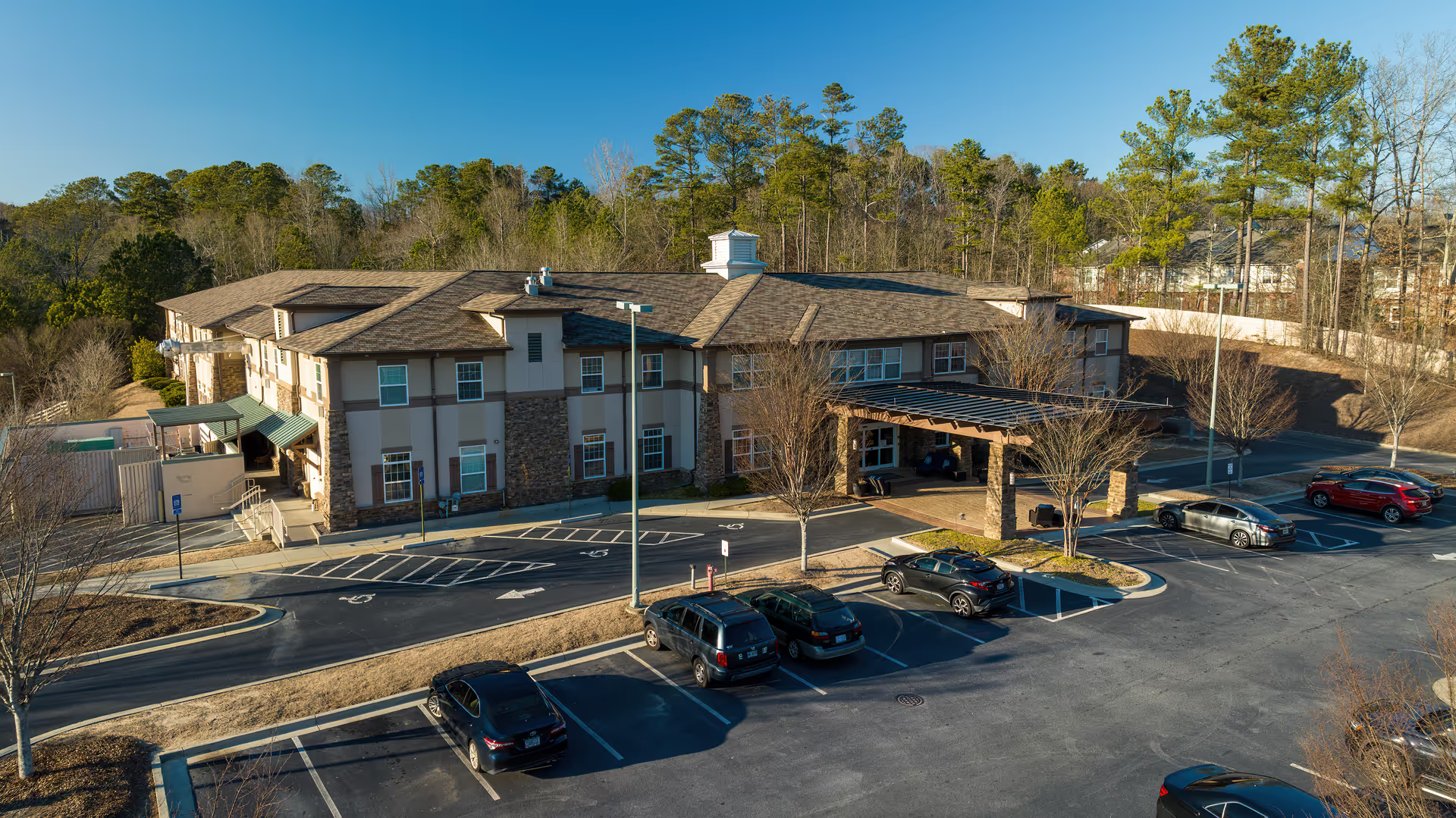
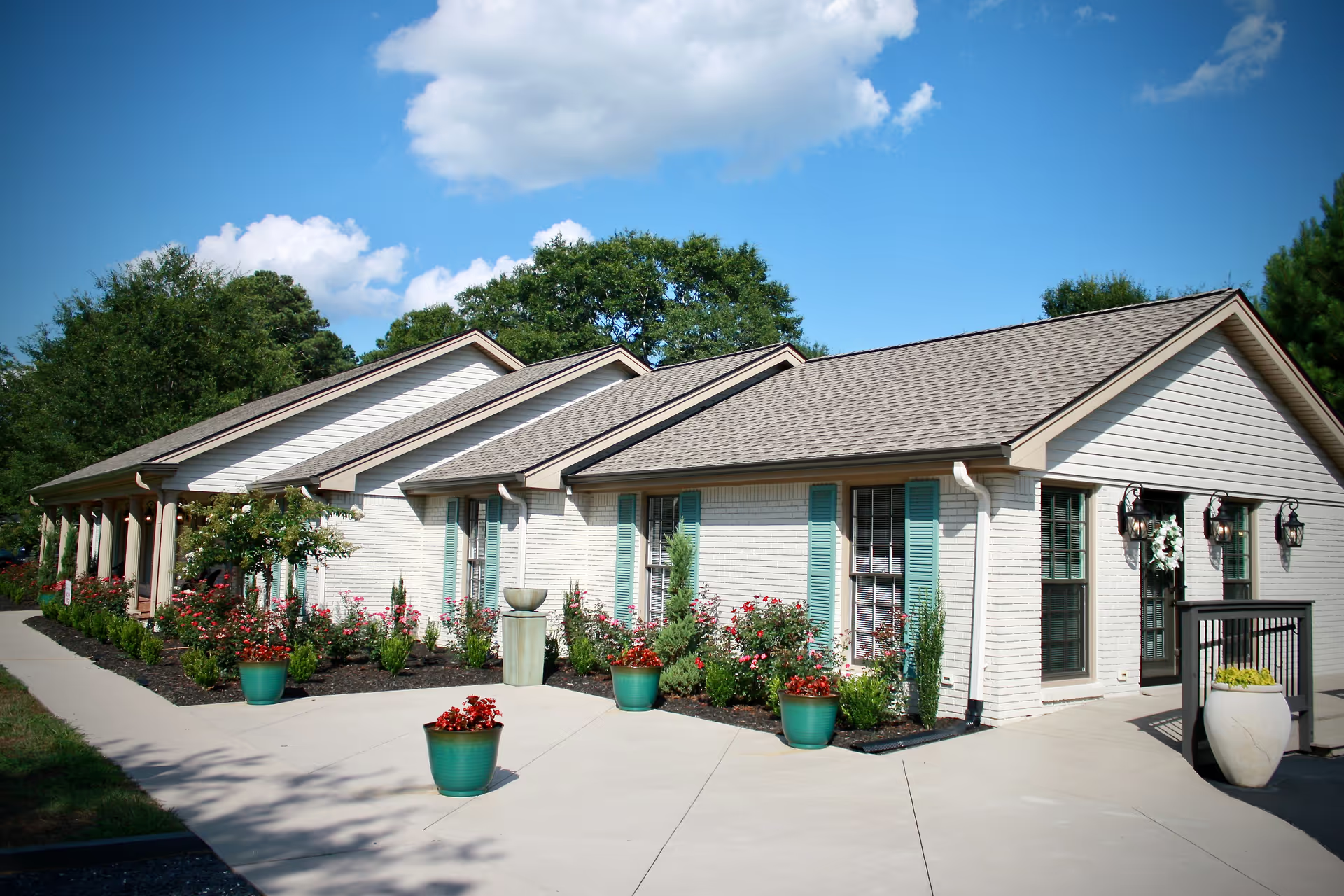
Del Webb Chateau Elan presents as a high-amenity, active-adult community with many attributes attractive to retirees seeking an engaged, maintenance-minimized lifestyle. Reviewers consistently highlight resort-style facilities — multiple pools, fitness centers, pickleball and bocce courts — and describe a scenic, green setting near Lake Lanier. The neighborhood atmosphere is repeatedly characterized as welcoming and vibrant, with plentiful clubs, events and a social calendar that supports an active 55+ lifestyle.
Staff and resident interactions are a clear strength. Sales teams, construction managers, and on-site staff receive frequent praise for friendliness, availability, and helpfulness during the home-buying and move-in process. Several comments emphasize smooth communication and weekly construction updates during building, and many homeowners report positive experiences with specific sales or construction personnel. Residents describe a supportive, traveler-friendly community culture where neighbors are congenial and activities are well-attended.
Facilities and housing are generally viewed positively for design and livability: contemporary open floor plans, model-home finishes, and thoughtfully laid-out single-level homes tailored for active seniors. The common areas and landscaping are often described as well-kept and lending a higher-end, hotel-like ambiance. The location adds practical benefits as well, with convenient access to healthcare providers, restaurants, and retail.
However, a pattern of post-sale operational and construction concerns emerges across reviews. Warranty and repair timelines are frequently described as slow, requiring repeated follow-up; this indicates weaknesses in post-occupancy customer service and contractor coordination. Relatedly, reviewers cite inconsistencies in construction finishes and builder-grade defects that suggest gaps in quality control during build-out. HVAC reliability and other mechanical issues are also noted as recurring maintenance items.
Several reviewers raised site-specific and governance concerns that prospective buyers should evaluate. Issues such as drainage and grading between adjacent lots, absence of expected retaining walls, and exterior maintenance lapses in some common areas point to unfinished site work and stormwater-management challenges. Accessibility shortcomings (for example, door widths and mechanical locations) and limited disclosure about such design choices were observed, indicating that buyers with mobility needs should verify specifications. In addition, questions about HOA communication, rising fees, approval processes, and unclear maintenance-responsibility boundaries suggest governance and cost-transparency risks that can affect long-term ownership costs and satisfaction.
Dining was not a prominent theme in reviews; on-site dining options are not widely discussed, while off-site restaurants and shopping are noted as nearby conveniences. Management strengths include active sales and construction teams who communicate well during the building phase, but post-closing responsiveness and coordination between builder and HOA appear to be the principal operational weak points. Prospective buyers should weigh the community’s strong social environment, amenities, and location against documented concerns about post-sale service, construction finish consistency, site drainage, accessibility details, and HOA governance when making a decision.