The Mansions at Gwinnett Park presents as a well-appointed senior living community with a strong emphasis on social engagement and a relational caregiving culture. Reviewers consistently highlight an active calendar—bingo, arts and crafts, entertainers, trivia, poker, karaoke, musical programs, traveling happy hours, and faith-based activities—along with robust exercise programming and use of the clubhouse and indoor pool. The community atmosphere is frequently described as warm and family-like, with residents and staff forming close, positive relationships.
Staffing and direct care are a prominent strength in many accounts. Caregivers, front-desk personnel, maintenance teams, and therapy staff receive repeated praise for being attentive, cheerful, and knowing residents by name. Physical therapy and rehabilitation services are specifically noted as effective, and memory-care activities and visits (including spiritual programming) are part of the continuum. At the same time, there are operational limits to clinical capacity: the main independent-living building lacks on-site nursing coverage and some specialist services, which creates gaps for residents who develop more complex medical needs.
Dining and food services show a mixed pattern. Some reviews describe nutritious, well-executed meals and praise individual chefs; others record inconsistent meal quality, frequent culinary staff turnover, and occasional meal-delivery errors. This variability appears to affect resident satisfaction with the dining experience and points to a need for more stable kitchen staffing and stronger food-quality oversight.
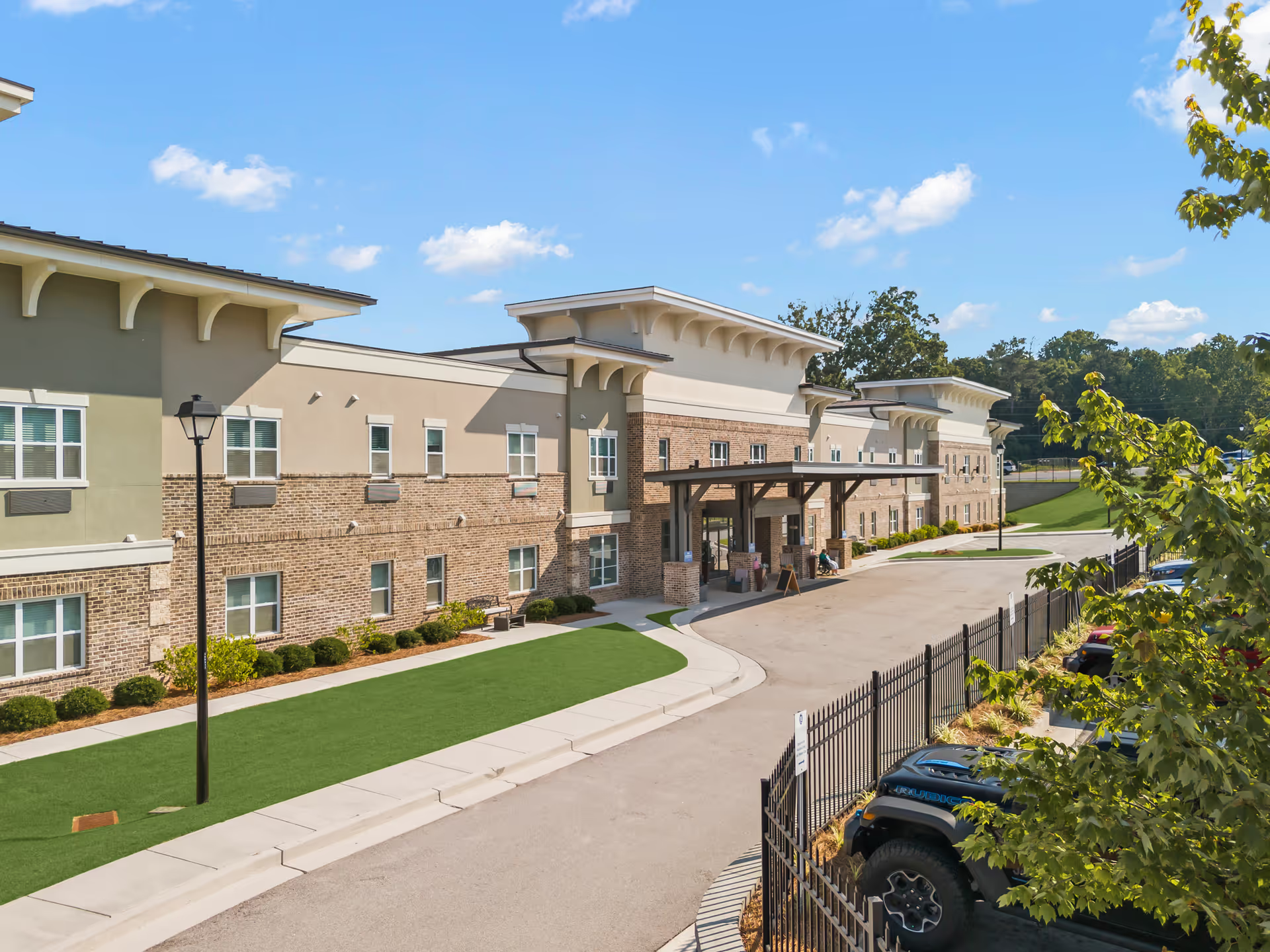
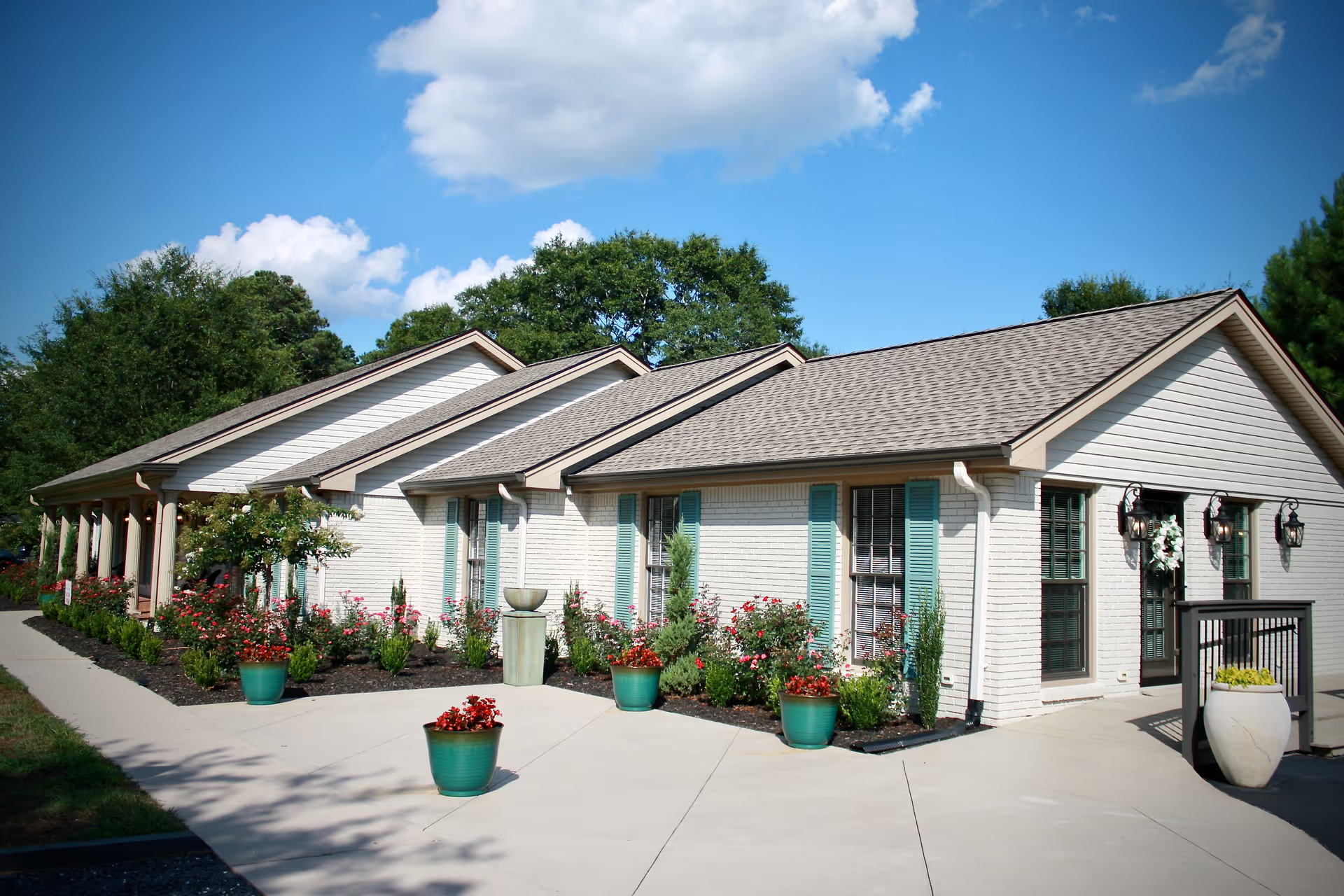
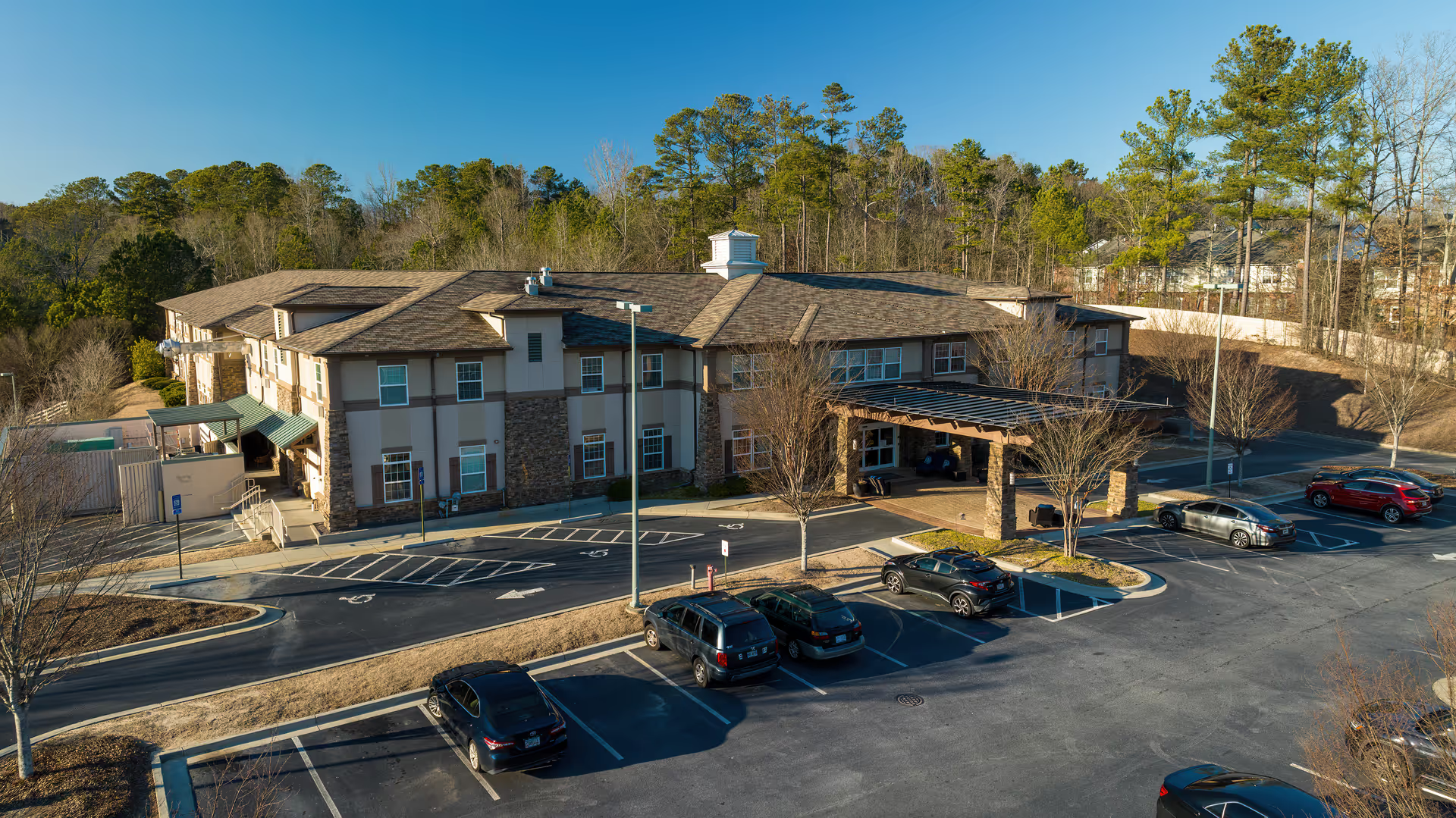
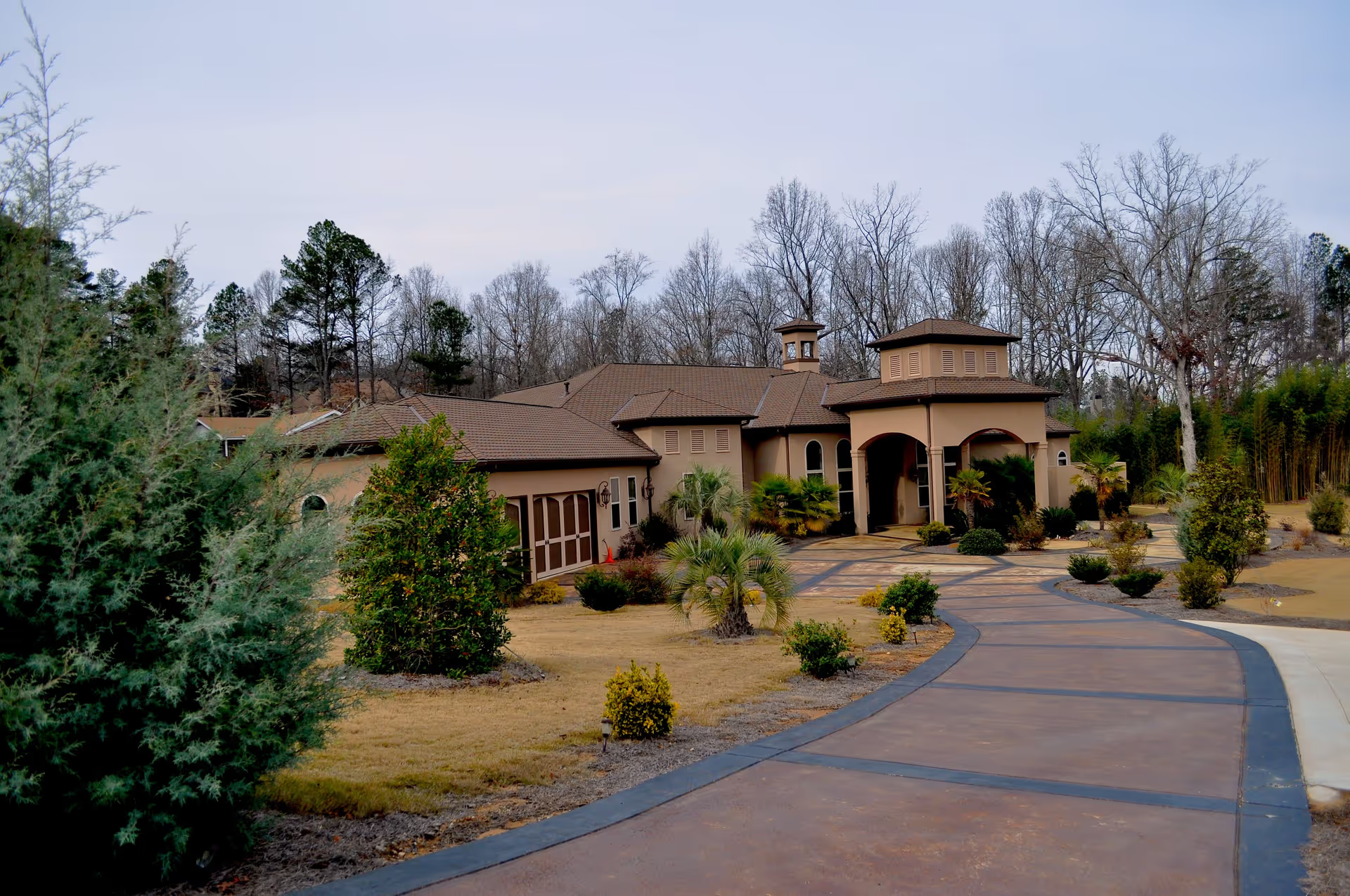
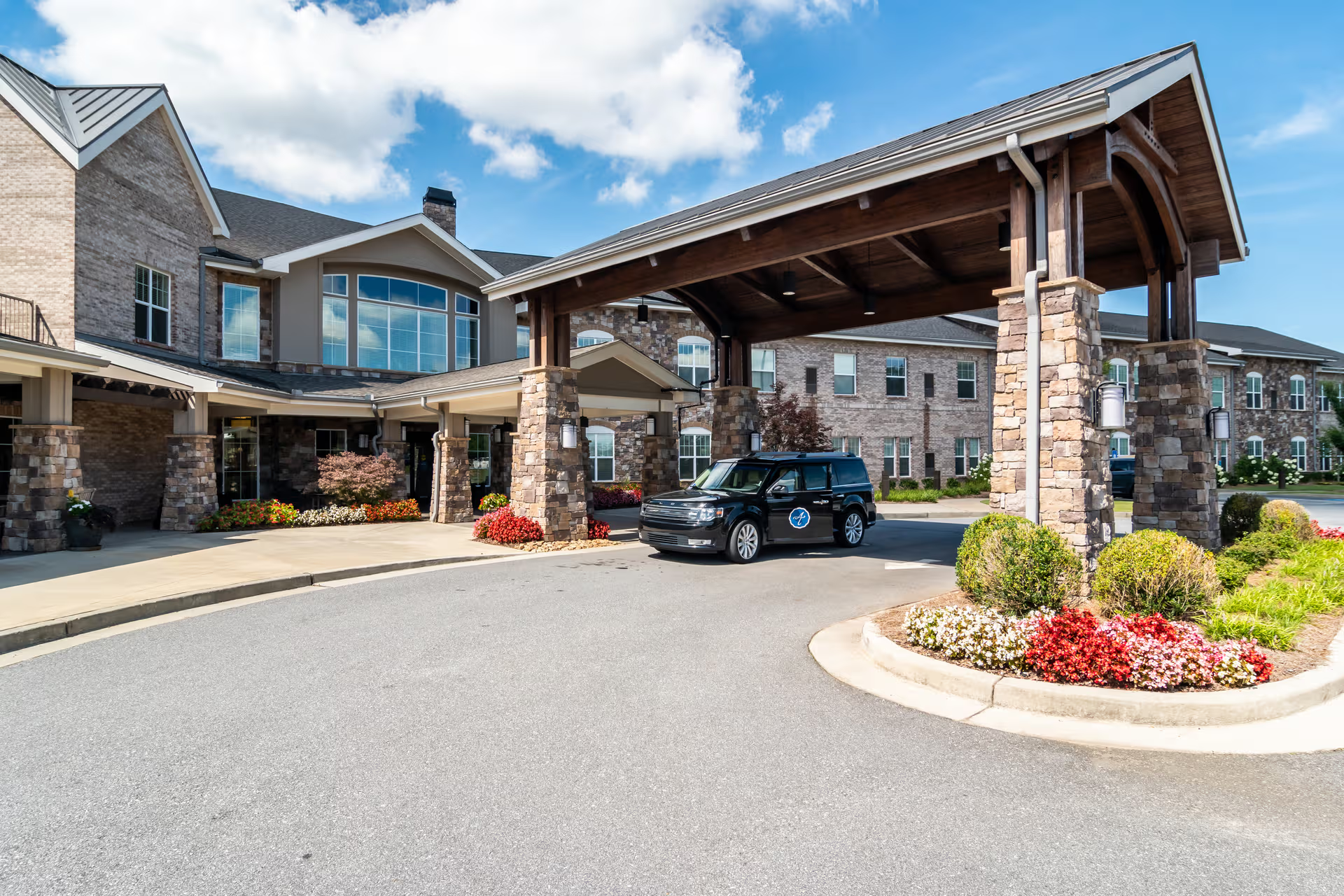
Facility amenities and housing configuration earn positive notes: clean, modern interiors; spacious independent-living condos with full kitchens and balconies; a wellness center; and attractive grounds. Practical concerns include limited closet/storage space in some units, dining-room location relative to apartments and long hallways that may affect convenience, and occasional housekeeping issues. Transportation support and access to certain on-site specialists (for example, podiatry) are described as limited, which may require families to supplement services externally.
Management and operations show a mix of stability and transition. Many families singled out staff or transition coordinators who facilitated smooth moves, and some reviewers express satisfaction with recent leadership changes that improved service. Conversely, there are recurring comments about administrative communication gaps (delayed callbacks), perceived business-practice opacity during ownership or staffing changes, and contractual policies such as advance-notice rent requirements that can create stress during transitions of care.
Overall, the Mansions at Gwinnett Park is characterized by strong interpersonal care, a broad activity program, attractive facilities, and positive rehabilitation supports. Prospective residents and families should weigh the community’s relational strengths and amenities against the variability in dining services, limited on-site nursing capacity within the independent-living building, and operational issues tied to transitions and communication. Those considering the community will benefit from clarifying clinical-service availability, kitchen staffing stability, transportation arrangements, and contractual terms during the tour and move-in process.