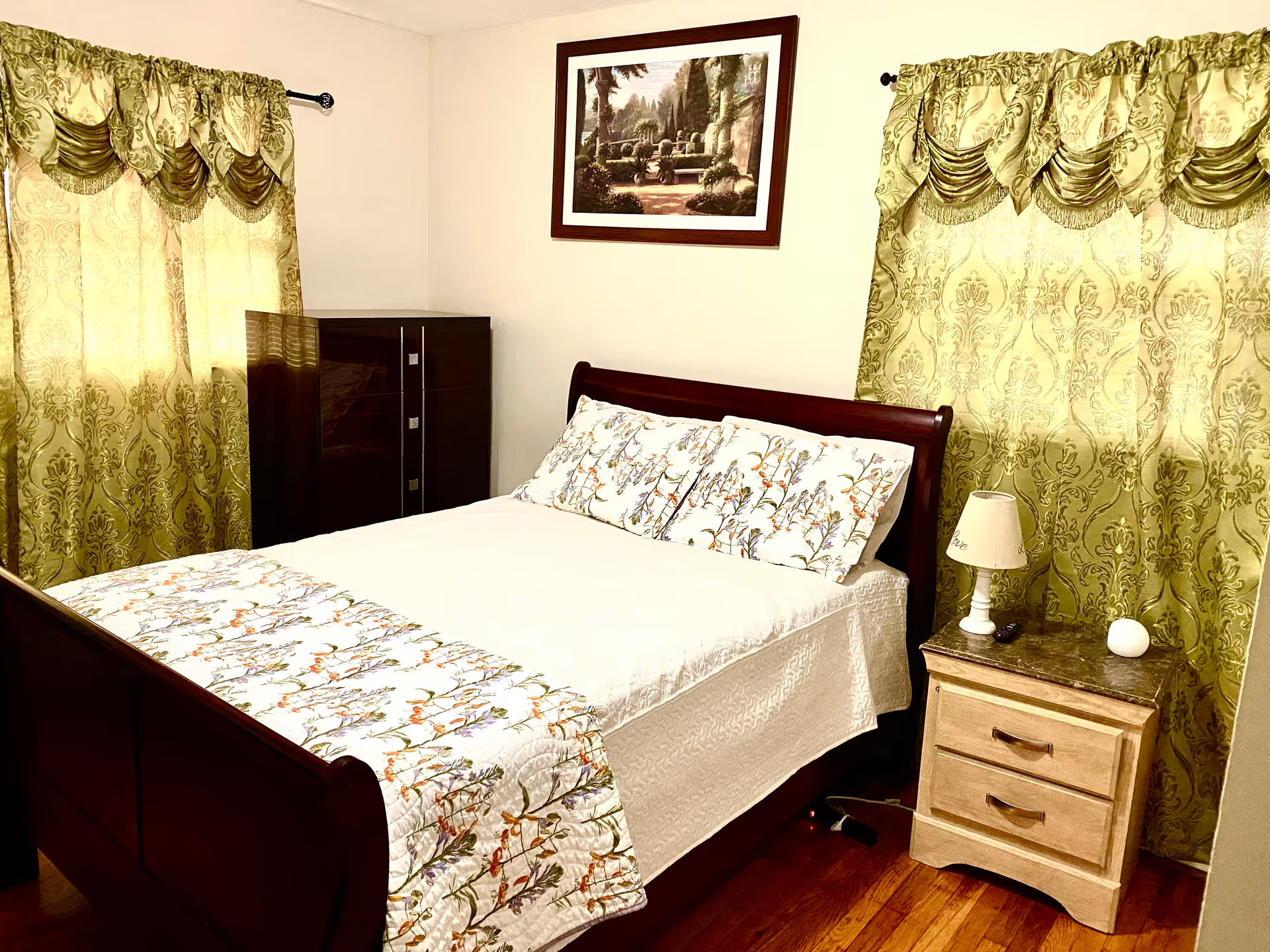
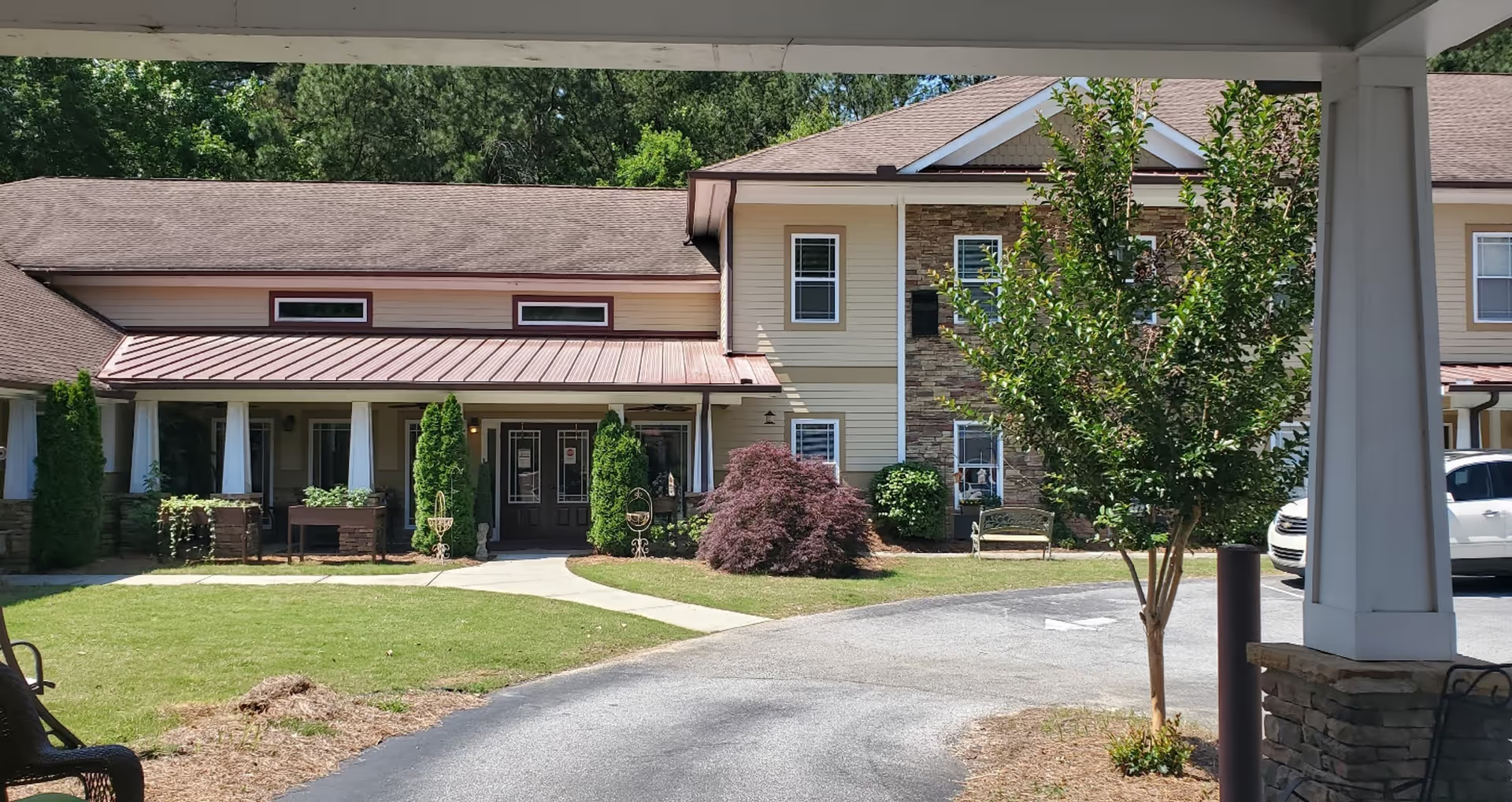
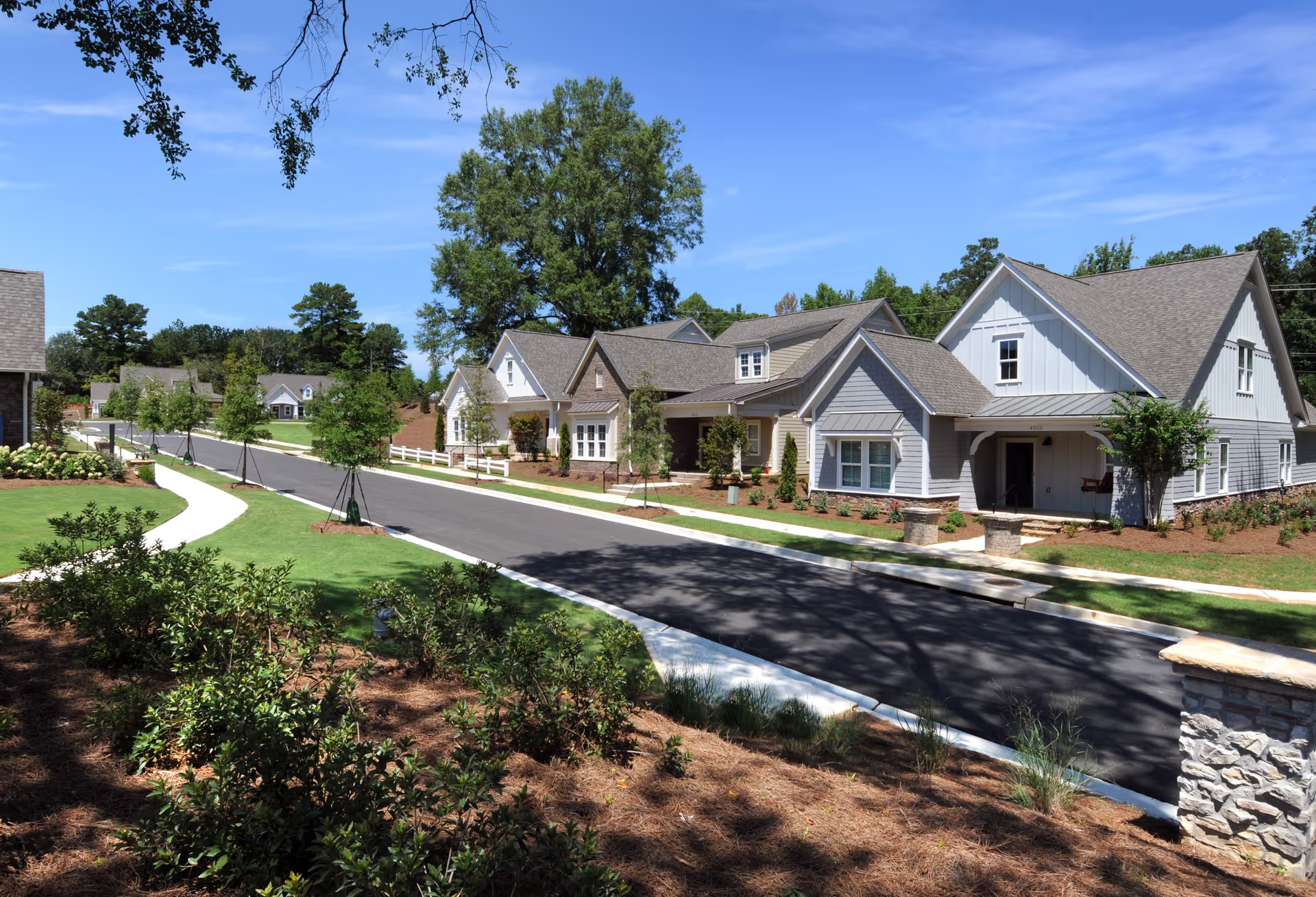
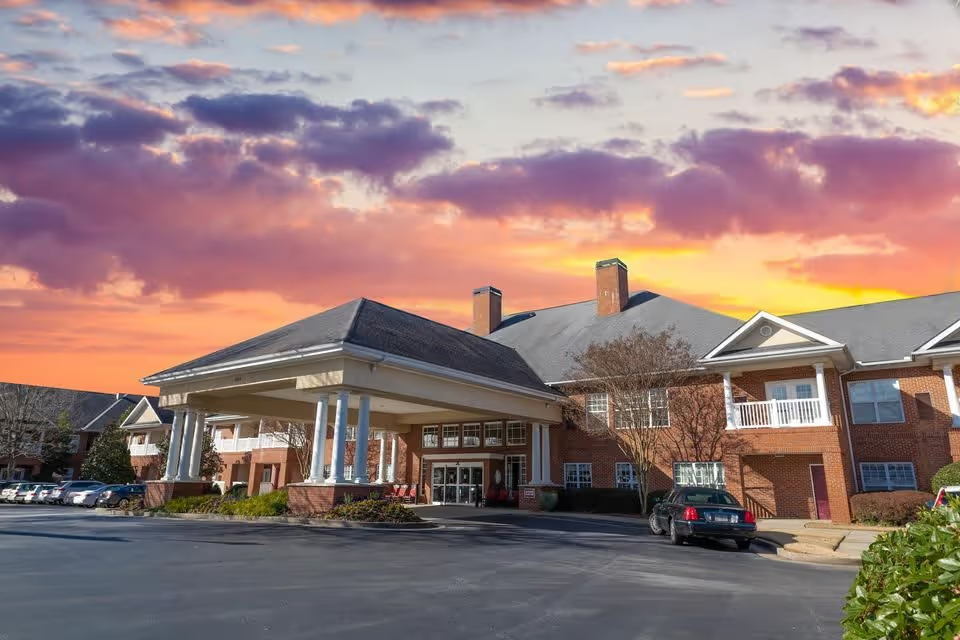
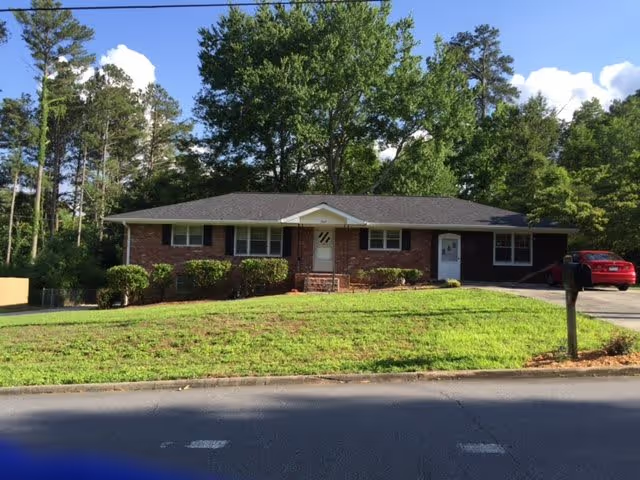
The reviews portray a facility with pronounced variability: many commenters praise the rehabilitation program, therapy staff, and individual caregivers, while others describe systemic operational weaknesses. Strengths most consistently cited include a robust therapy team (physical, occupational and speech therapy) that achieves measurable mobility gains for some residents, a group of empathic nurses and CNAs who provide hands‑on care, supportive social‑work and admissions personnel, attractive outdoor areas, and roomy patient rooms that families find comfortable. Security measures and some administrative functions (billing, transportation assistance) were also described positively in numerous accounts.
Care quality and clinical issues emerge as mixed. Several accounts describe timely, competent clinical assessments and good physician/NP involvement leading to successful rehabilitation. At the same time, there are persistent patterns of delayed clinical response: slow nurse call‑light answers (with delays described in the tens of minutes to hours), inconsistent medication timing, missed or delayed IV/antibiotic administration, and gaps in physician follow‑up. These deficiencies have been associated with avoidable readmissions and concern about how quickly acute changes are recognized and acted upon. Reviewers also flagged inconsistent dementia care and episodic failures in incontinence‑care timing and bathing schedules, which indicate variability in frontline caregiving and supervisory practices.
Staffing and conduct are a frequent theme. Many families praised individual caregivers by name and described compassionate, dignified interactions. Counterbalancing those reports are repeated comments about short staffing, particularly on nights and weekends, high staff turnover, uneven CNA competency, and concerning communication tone from some employees and managers. These workforce pressures are linked in reviews to delayed assistance, incomplete tasks (for example delays in hygiene care or missed meal assistance), and uneven adherence to care plans.
Dining and activities receive mixed feedback. Some residents and families appreciated varied menus, assistance with dietary needs, pleasant dining presentation, and active social programming that supports engagement. Others described inconsistent meal timing, small meal portions, and cold or poorly timed food service that affected residents who require assistance—issues that also interact with medication timing (for example insulin given before meals) and blood‑sugar management. Activity and social programming are present and valued by some residents, though availability and staffing for activities can be limited on weekends.
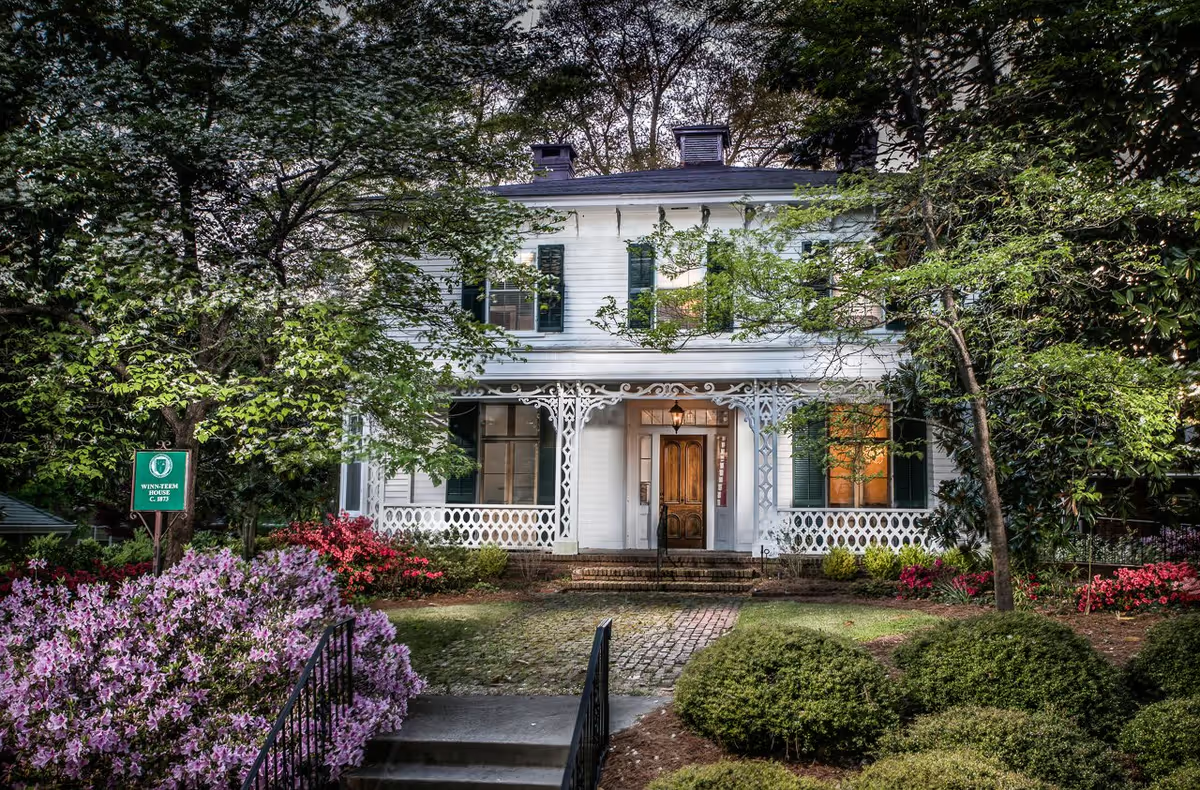
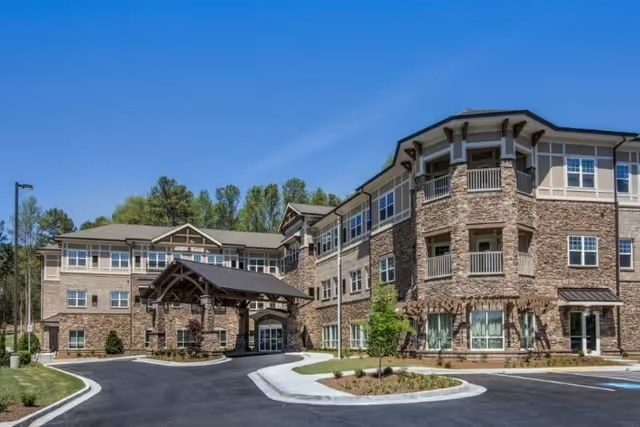
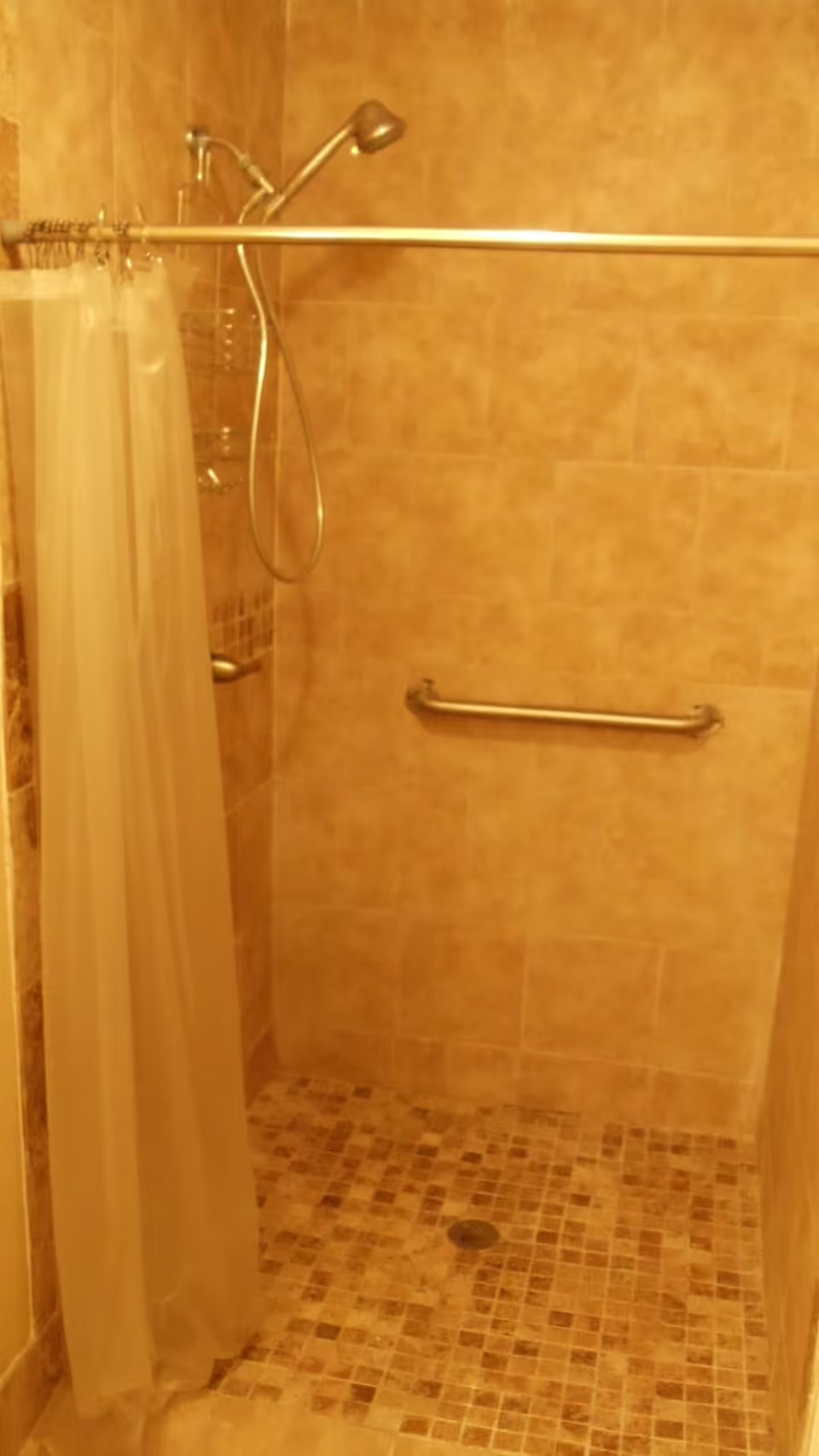
Facility, maintenance, and safety comments show a split. Positive descriptions highlight clean common areas, well‑kept grounds, and attractive rehab spaces. Conversely, there are documented sanitation and pest‑control concerns in some units, deferred maintenance (holes, mold, broken fixtures), problematic equipment maintenance (wheelchairs, wheelchair footrests, bathroom accessibility), and at least one account of emergency‑system failures or generator maintenance gaps. Property and laundry management concerns include missing personal items, delays in laundry return, and in a small number of accounts, allegations of theft of personal property. These issues raise questions about environmental risk control and property stewardship.
Management and systems-level patterns are inconsistent. Several reviews commend proactive administrators, improvements in scheduling, responsive social‑work involvement, and effective admission processes. Other reviewers describe poor communication, difficulty reaching leadership, opaque grievance handling, and inconsistent follow‑through on maintenance and safety complaints. Notable system gaps identified across reviews include uneven discharge planning and care transition coordination, limited weekend clinician coverage, and lapses in documentation or family notification when incidents occur.
Overall, the pattern across reviews is one of polarization: the facility demonstrates clear strengths in rehabilitation services, some compassionate staff members, and moments of good administrative support, but also exhibits recurring operational weaknesses—most importantly inconsistent staffing, delayed clinical responsiveness, communication failures, environmental maintenance lapses, and problems managing personal property. Families considering this center should weigh the strong therapy offerings and certain positive caregiver accounts against the documented variability in everyday nursing responsiveness, facility upkeep, and system reliability. For higher‑risk residents (those with complex clinical needs, dementia, or fragile skin/incontinence issues), prospective families should seek specific assurances about staffing levels, call‑response metrics, medication protocols, and property‑management processes prior to placement.