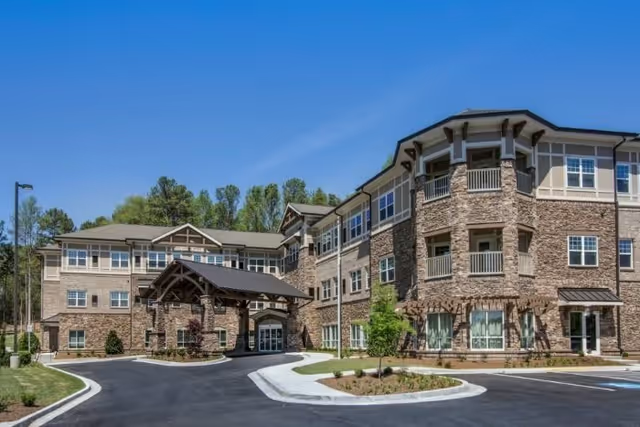
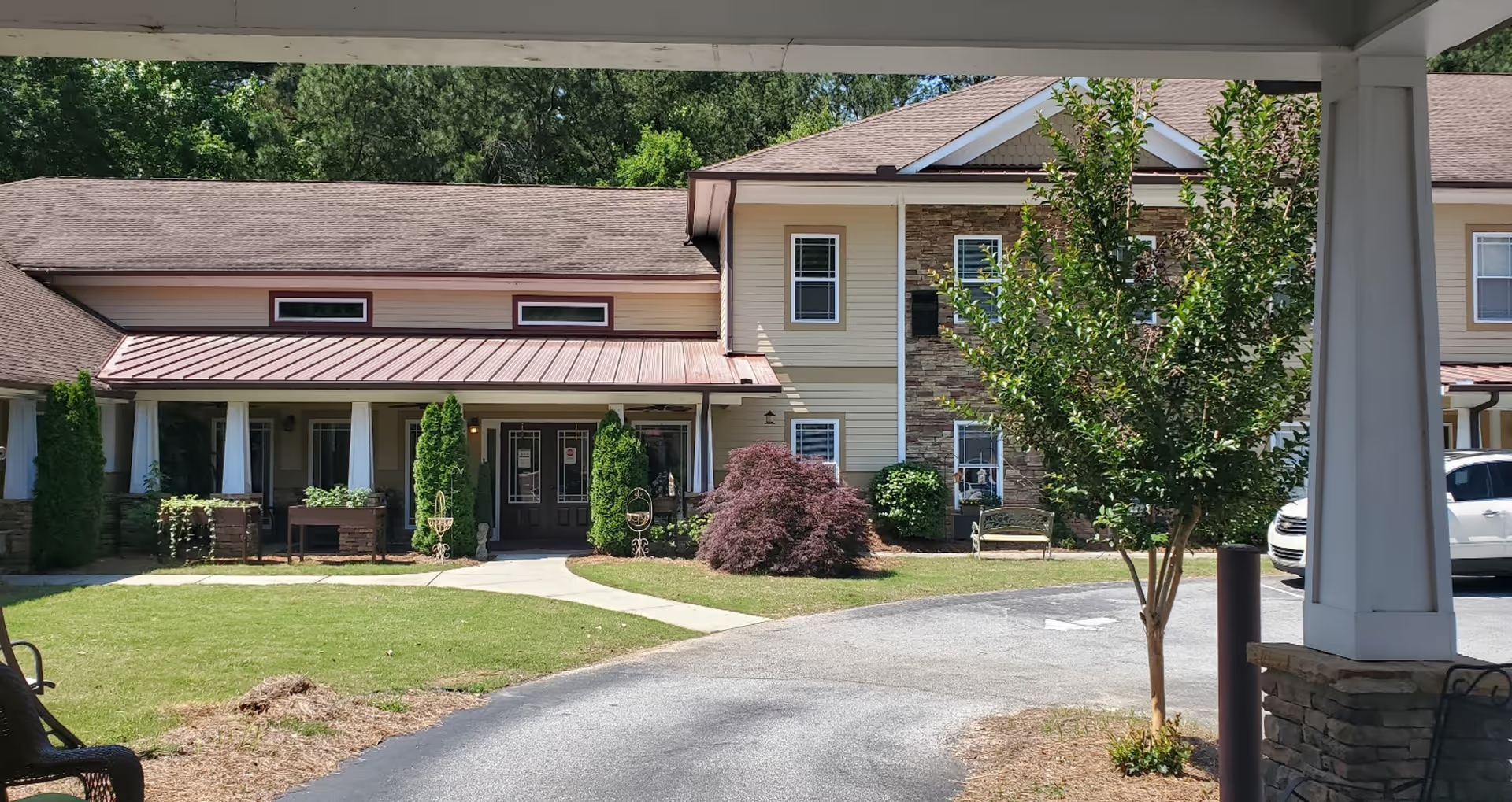
Reviews of Roselane Health Center present a broadly mixed picture in which strong clinical rehabilitation services and some highly praised frontline caregivers coexist with recurring operational and communication concerns. Many families and former residents highlight the facility's physical and occupational therapy capabilities, noting patient progress, supportive therapy staff, and effective discharge coordination. Several reviewers also described individual nurses, CNAs, and social work staff as compassionate and attentive; the facility's newer or well-maintained areas and dining room were frequently characterized as clean and orderly.
At the same time, a consistent set of care-quality themes appears across reviews. Medication administration and documentation were cited as inconsistent, including timing discrepancies and occasional dosing issues. Monitoring and timely clinical response were areas of concern for some families: delays in responding to call lights, infrequent checks on vital needs, and perceived slow follow-up for wounds or infections were described. Transition points (hospital-to-facility admission and discharge) were variably handled, with some accounts of incomplete handoffs or delayed treatment initiation after arrival.
Staffing and management patterns contribute to the variability in experience. Reviewers describe a mix of highly effective, committed staff and instances of poor communication or unprofessional conduct. Staffing shortages and turnover were raised as underlying causes for slowed responses, missed or delayed personal-care tasks, and reduced availability of therapy sessions for some residents. Family communication and administrative responsiveness were also uneven: while some families praised quick problem resolution and helpful admissions staff, others reported difficulty reaching administrators, delayed callbacks, and unsatisfactory follow-up on concerns.
Dining and activities likewise produced divergent feedback. Positive comments reference high-quality meals, a visible chef, accommodated textures and pureed options, and an active activity calendar including bingo and community visits. Conversely, several reviewers raised concerns about dietary management for residents with therapeutic needs (notably diabetes), inconsistent meal timing, and variability in food quality across stays. Activity engagement appears available but can be uneven depending on unit staffing and scheduling.
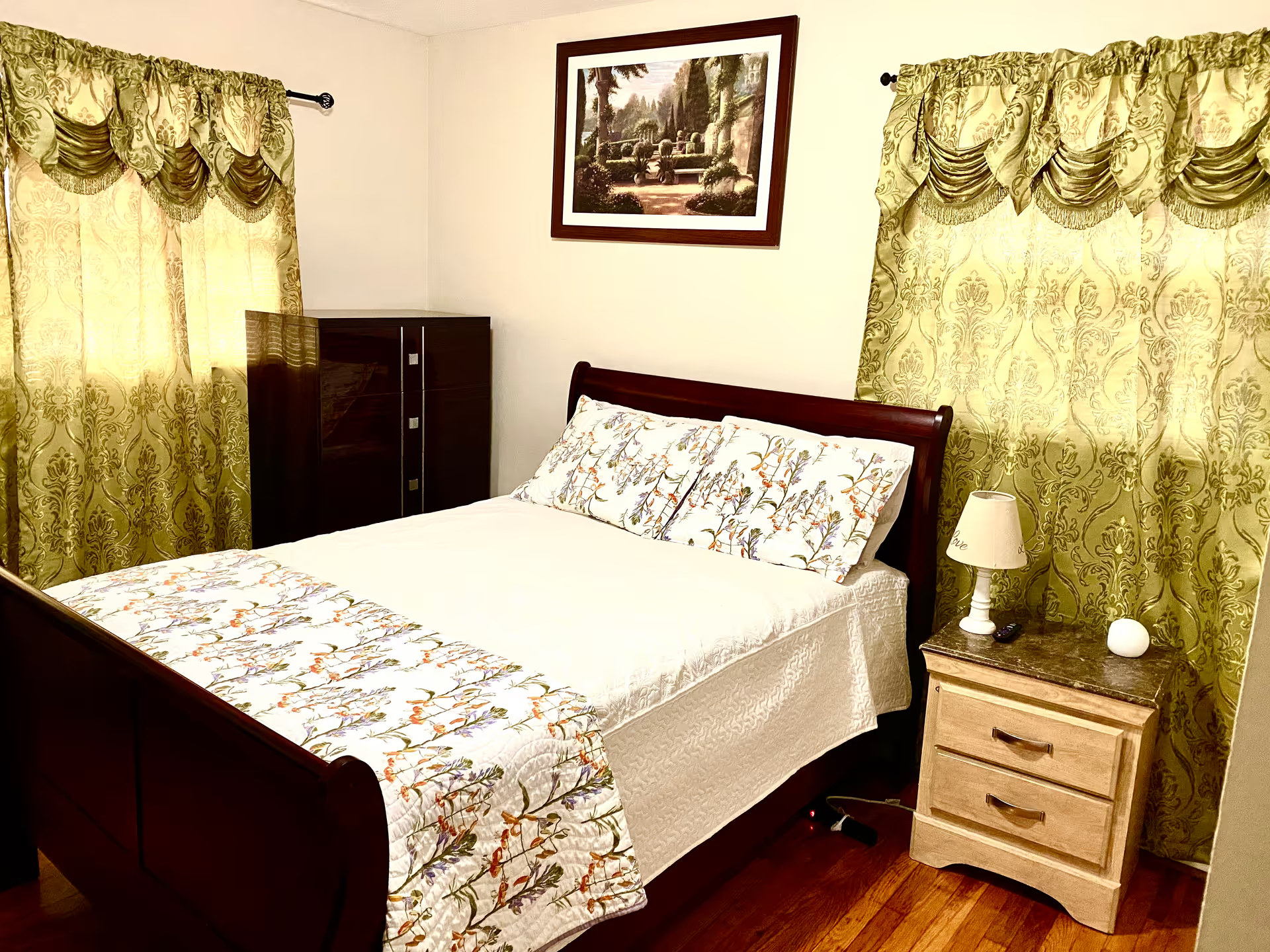
Facility condition and safety issues were described in both positive and cautionary terms. Many reviewers praised cleanliness, new construction, and well-kept public spaces; others described episodic lapses in room-level sanitation, missed personal-care tasks, and concerns about monitoring higher-acuity residents. There are also serious process-level concerns noted by families, including billing disputes and claims of mishandled personal belongings; these have been characterized as allegations in several accounts and point to the need for clear administrative processes.
Overall, Roselane Health Center offers demonstrable strengths in rehabilitation services, some compassionate frontline staff, and generally clean facilities, but prospective residents and families should be aware of recurring operational weaknesses that may affect care consistency. Key patterns to explore during a tour or admission conversation include medication-administration controls, nurse-call response times and staffing ratios, dietary accommodations for medical conditions, wound- and infection-care protocols, transition and handoff procedures, and the facility's grievance and financial resolution processes. These areas appear to determine whether an individual stay aligns with the positive experiences described or with the operational concerns noted by other families.