Winthrop Health & Rehabilitation elicits highly polarized feedback across reviewers. Many families and residents describe strong, compassionate caregiving, effective therapy and rehabilitation, and an engaging activities program; at the same time, other accounts describe operational shortcomings that materially affected care experience. Together these impressions indicate a facility with notable strengths in person-centered care and programming but inconsistent performance in several operational domains.
Care and staff: Numerous reviewers praised individual caregivers, nurses, CNAs, therapists, and activity staff for compassionate, patient-focused attention. Hospice and end-of-life interactions were frequently described as respectful and timely. Conversely, recurring concerns center on delayed clinical responsiveness (including long nurse-call response times), gaps in staff training related to safe transfers and lifting, and perceived understaffing at times. There are also mentions of staff discussing resident information inappropriately, indicating confidentiality concerns. These mixed impressions point to variability in staff performance and consistency, rather than a uniformly strong or weak staffing model.
Dining and activities: Activity programming is a clear strength; craft sessions, games, and one-on-one engagement were consistently highlighted as meaningful to residents. Reports on dining are mixed: some families praised food quality, while others described late meal delivery and food served at inappropriate temperatures. That suggests meal-service continuity and timing may be inconsistent and worth confirming during a tour.
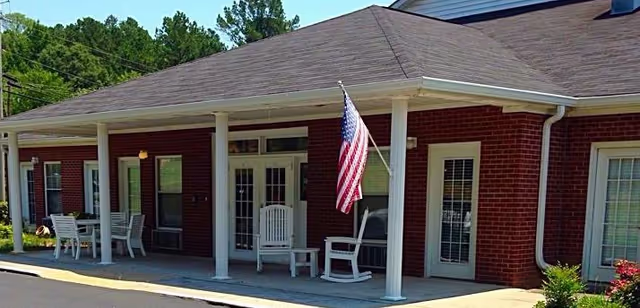
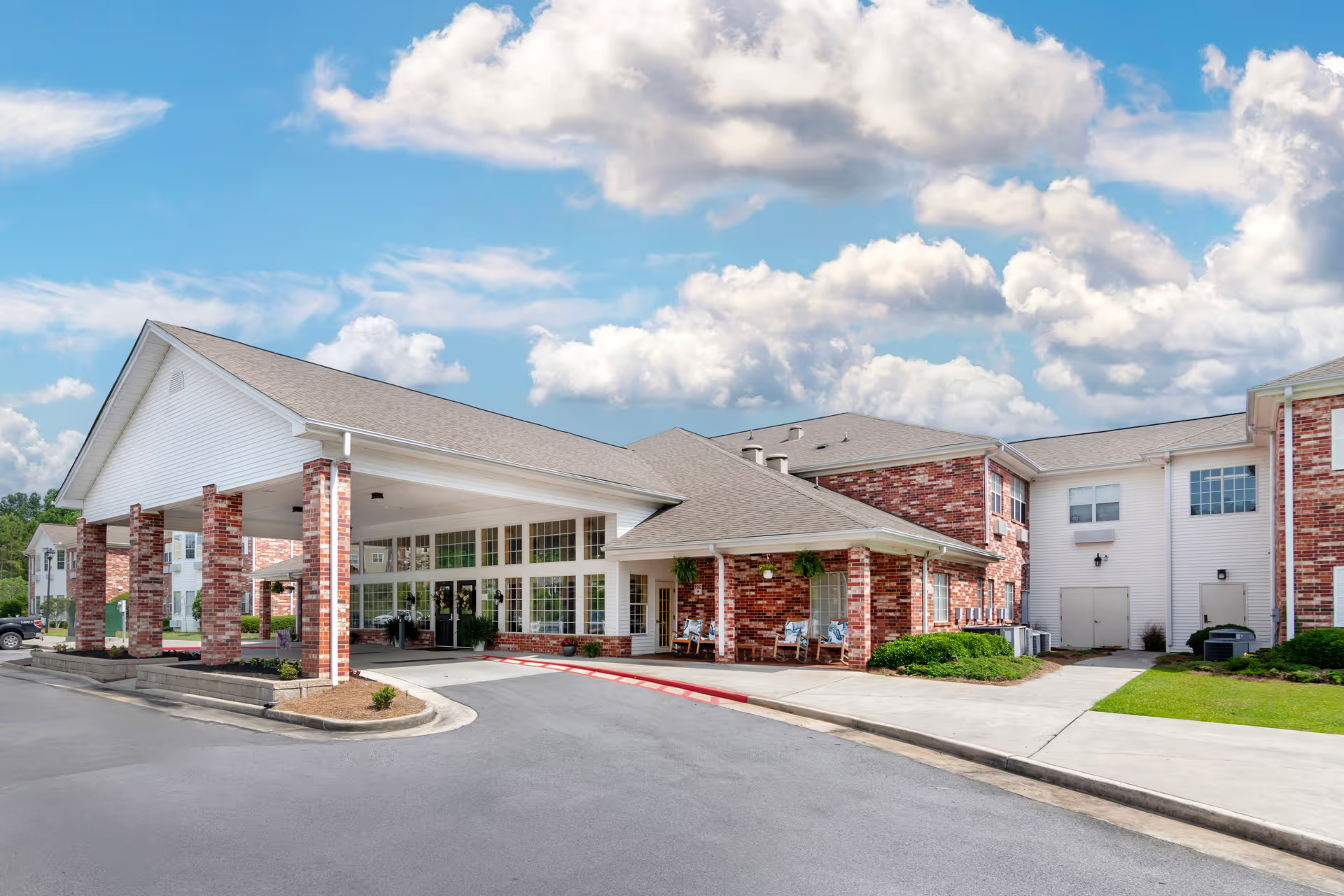
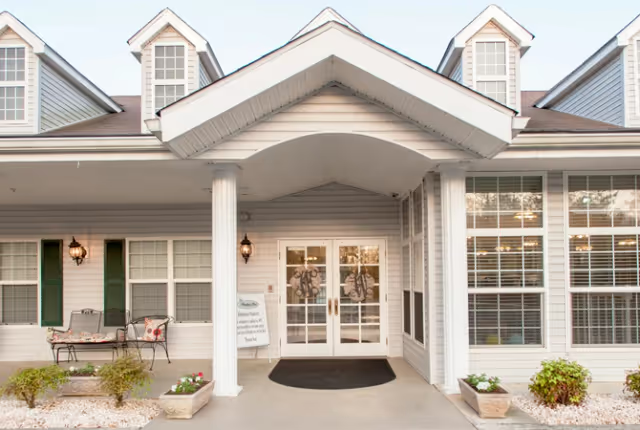
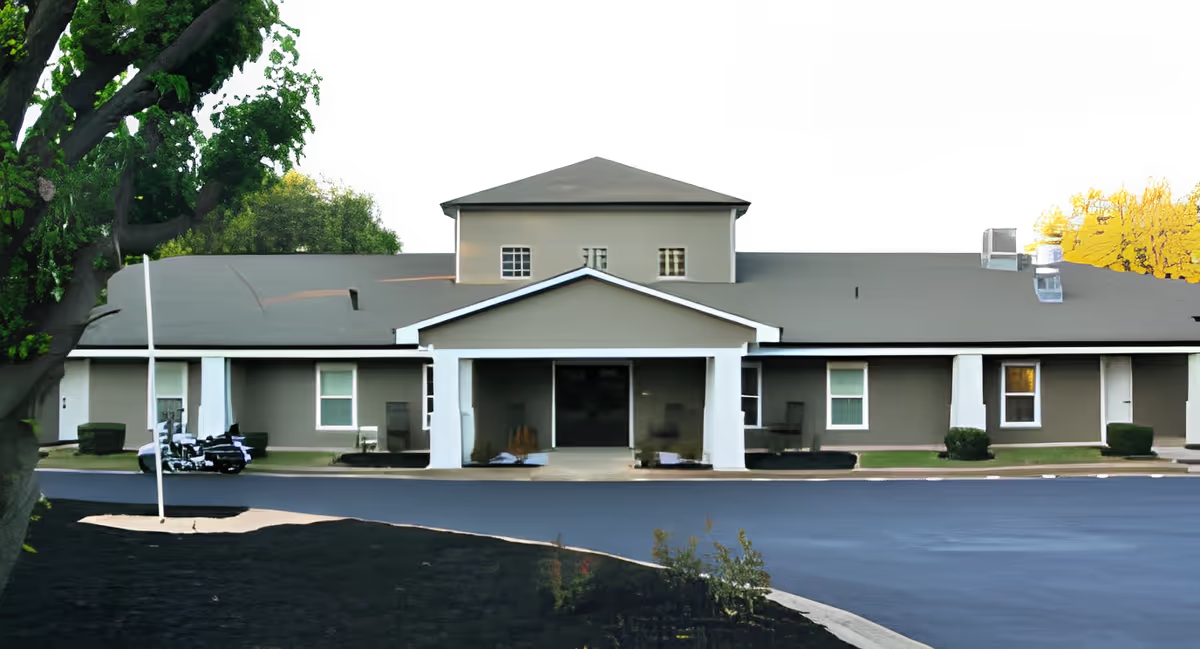
Facilities and housekeeping: Several reviewers described clean, recently remodeled public areas and a pleasant overall scent, and praised maintenance and ancillary services. At the same time, other accounts raised sanitation concerns and housekeeping lapses in specific areas or shifts. There are also notes about variability in the appearance between front and back areas. Infection-control practices were questioned in a few accounts, which highlights the need to verify current protocols and recent inspection history.
Management and communication: Feedback on leadership and administration is mixed. Some families appreciated helpful admissions staff and guidance on insurance and benefits; others raised concerns about leadership communication tone and responsiveness. The facility has implemented some computerized oversight tools to increase accountability, but reviewers’ experiences suggest execution and staff adherence are uneven.
Notable patterns and suggested focus areas: The dominant theme is inconsistency — strong individual staff and program strengths coexist with operational variability in responsiveness, housekeeping, meal service, staff training, confidentiality, and infection-control adherence. Prospective residents and families should evaluate current staffing ratios and training, ask about average nurse-call response times, review housekeeping and infection-control protocols, observe meal service during a visit, and inquire about confidentiality policies and leadership accountability measures. These checks can help determine whether the facility’s strong elements align with a prospective resident’s priorities and whether operational gaps have been addressed.