Overall impression: The Center for Advanced Rehab at Parkside is frequently described as a rehabilitation‑oriented facility with a strong caregiving culture. Across reviews, the facility's therapy teams (physical, occupational and speech) receive consistent praise for skill, motivation and demonstrable functional gains that enabled many residents to return home or improve independence. Nursing, CNA, front-desk and concierge staff are commonly characterized as compassionate and attentive; several staff members are singled out by name for exemplary service. Families and former residents often emphasize a warm, home‑like atmosphere supported by helpful social services and proactive discharge planning.
Care quality and staffing: Clinical and rehabilitative care are prominent strengths. Reviewers highlight a recovery focus, individualized therapy plans, and visible progress in mobility and daily living skills. At the same time, reviewers describe variability in day‑to‑day consistency: responsiveness to call lights and timely attention to needs is uneven, and several accounts indicate staffing strain or signs of burnout that can affect care continuity. A few serious individual accounts raise concerns about conduct and end‑of‑life handling; such reports are mixed into an otherwise largely positive pattern and suggest variability in staff professionalism and escalation practices. Leadership and some managers receive praise for coordination and advocacy, though communication and handoffs are noted as areas requiring improvement.
Dining and nutrition: Food service is a recurrent area of concern. Many reviewers report inconsistent meal quality, temperature issues, repetitive menus, and limited options for special diets (for example vegetarian or more balanced nutrition). A subset of families reported satisfactory or well‑handled dietary accommodations when requested, indicating that the kitchen can respond but that consistency is lacking.
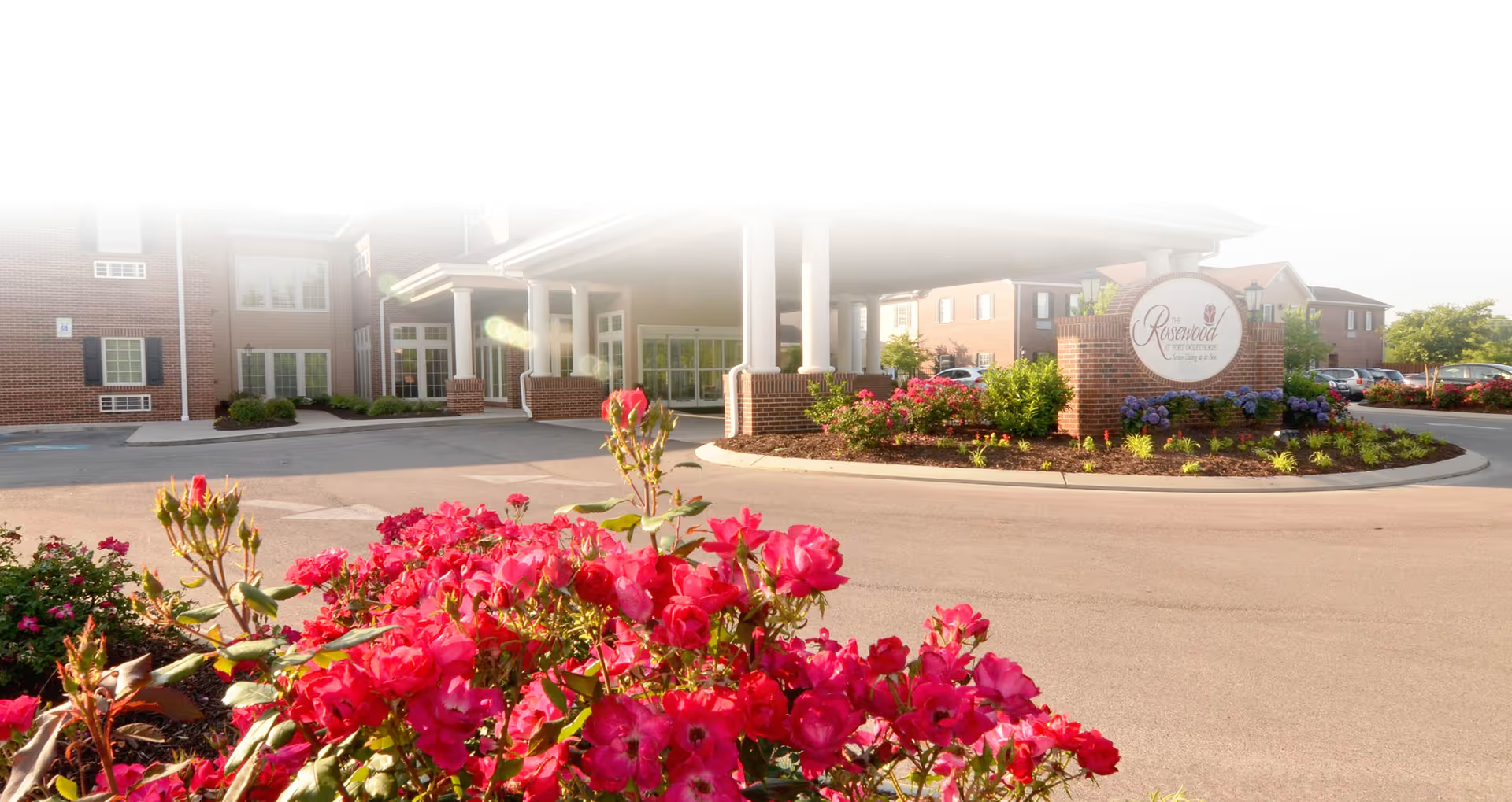
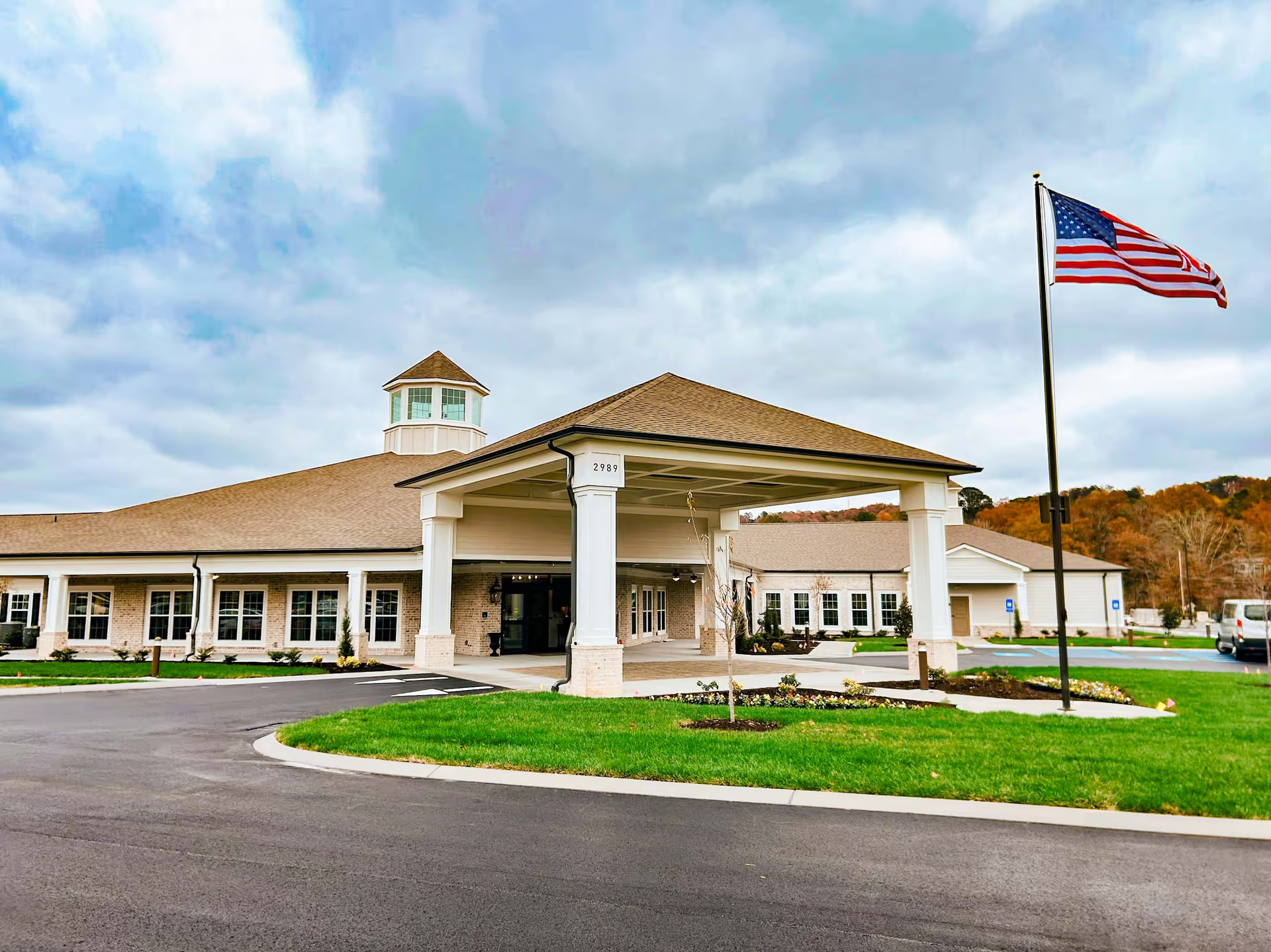
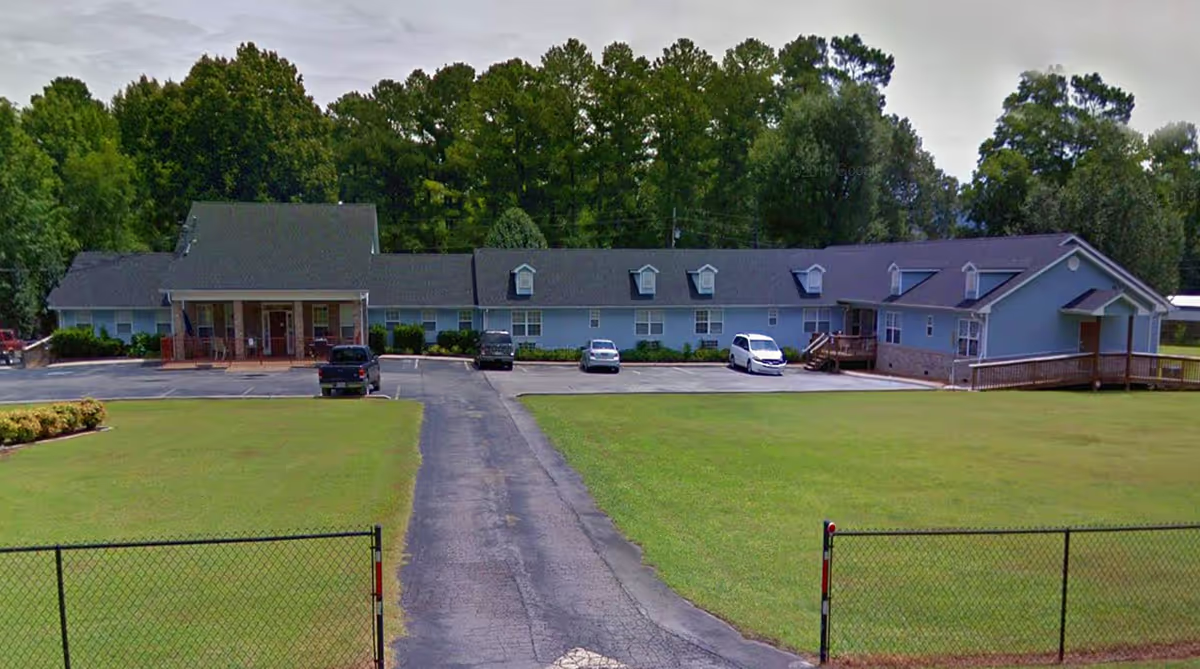
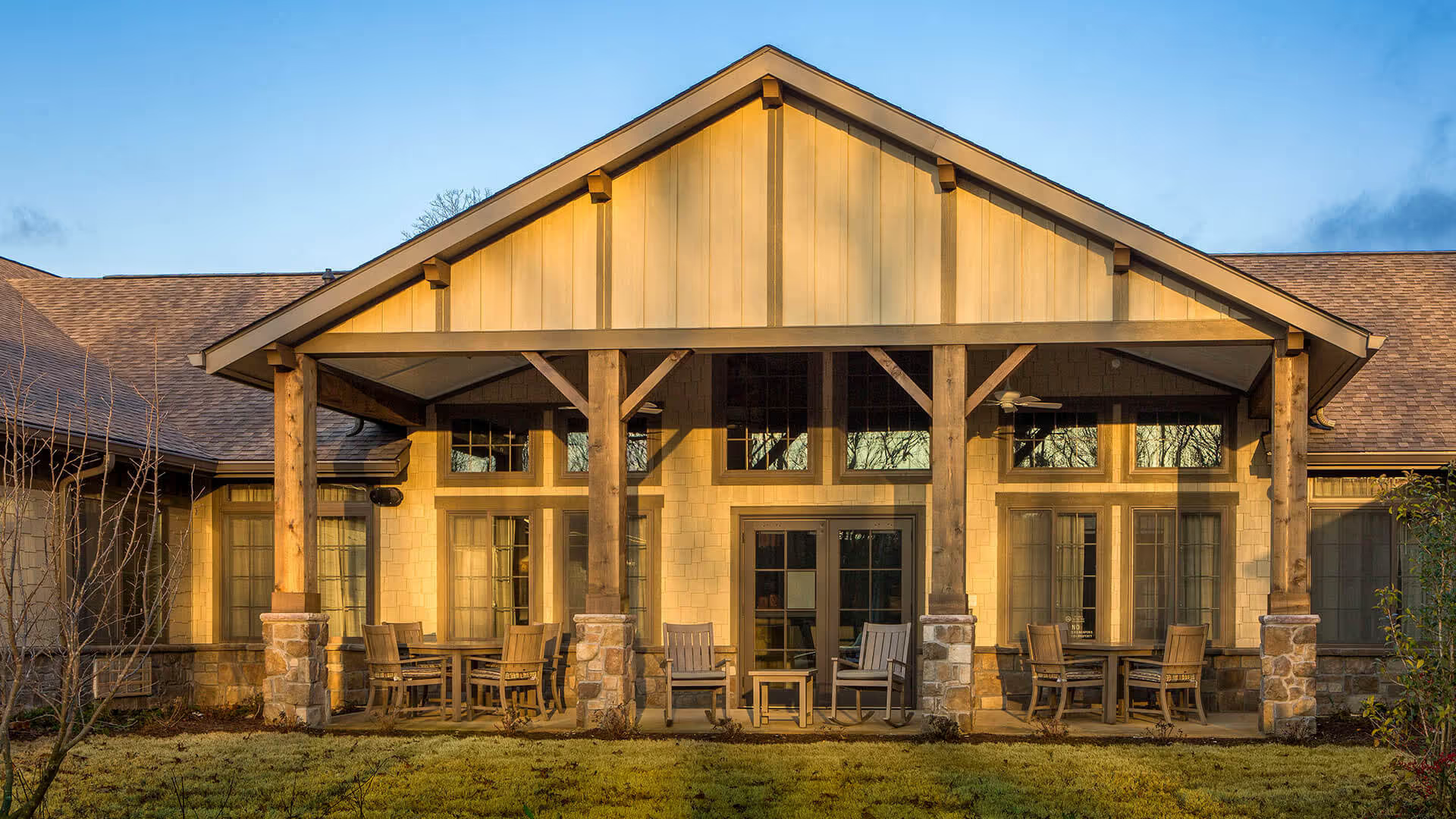
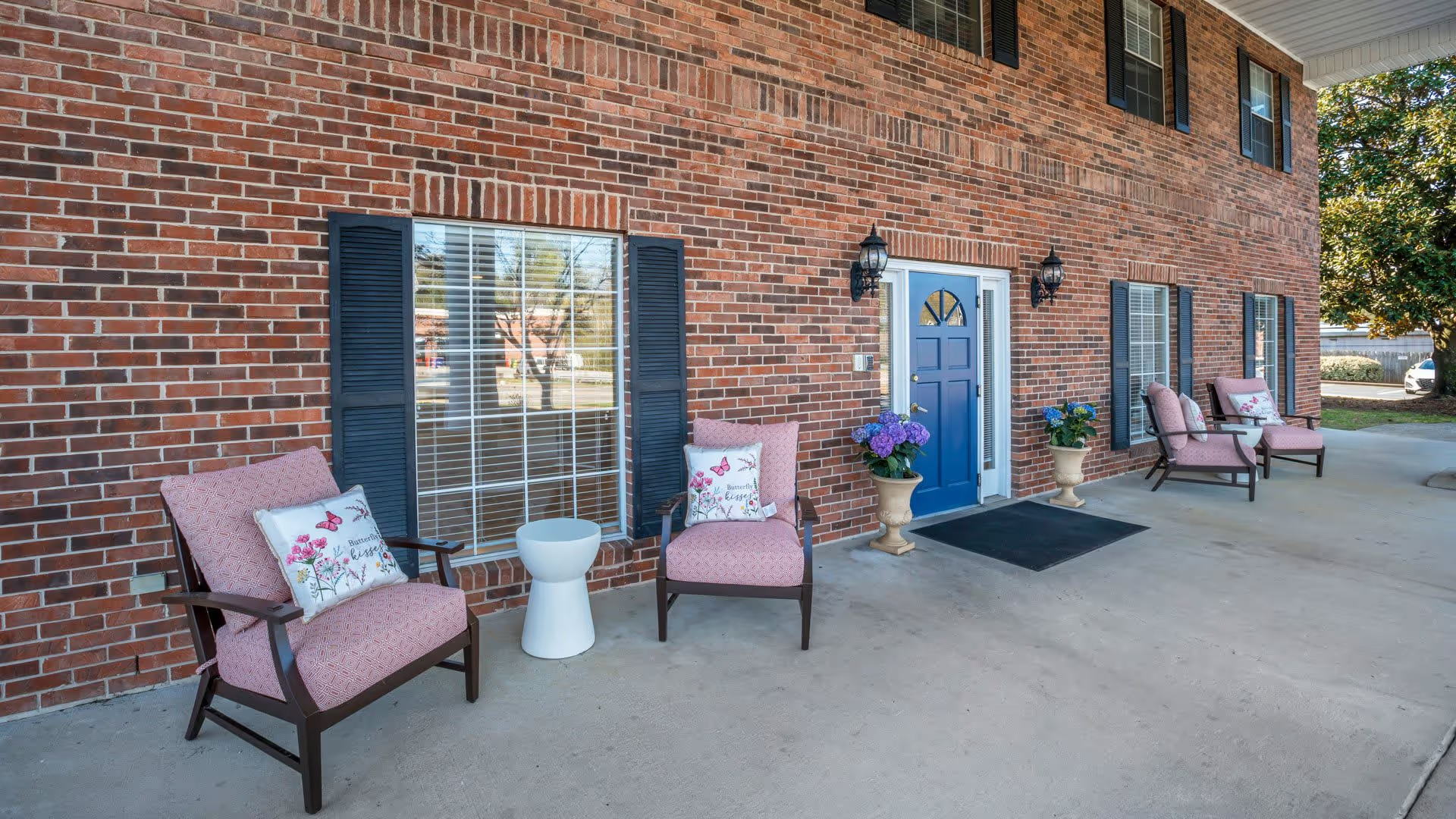
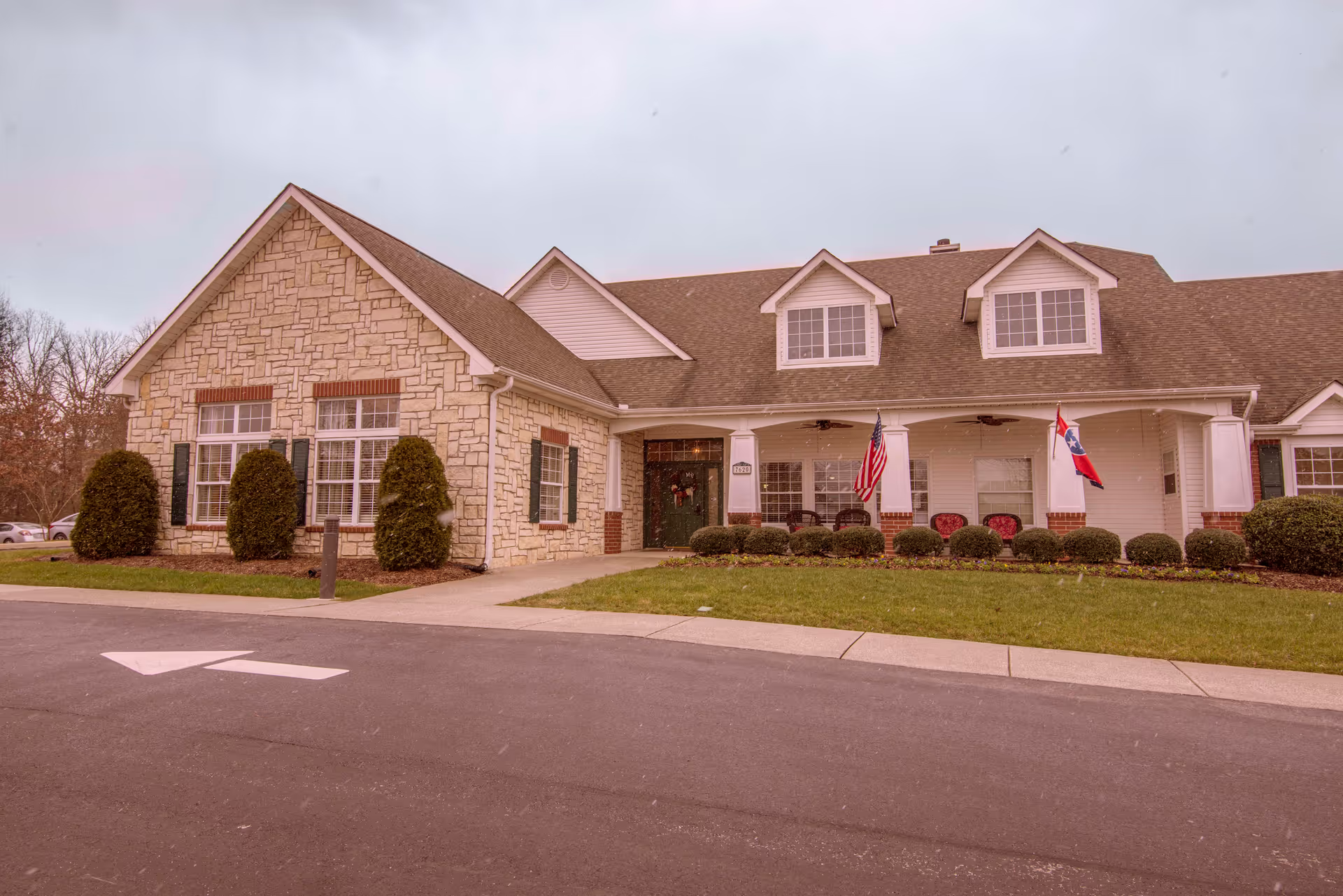
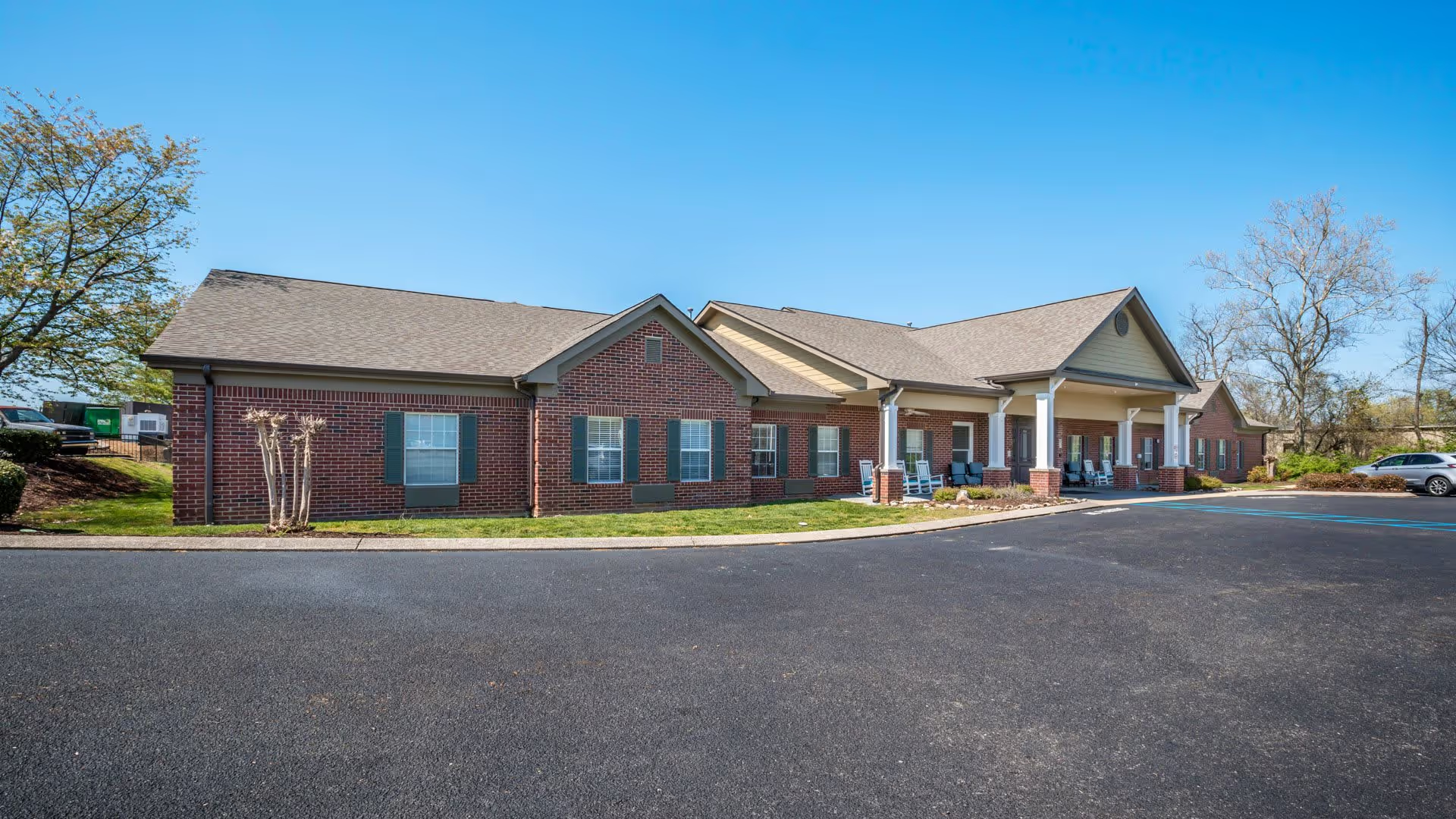
Activities and environment: The activities program is widely praised for creativity, outings, themed events and social opportunities; reviewers credit this department with improving resident morale and engagement. The physical environment is described as clean, well‑maintained and attractive, with positive comments about housekeeping and common areas. Some reviewers note ongoing remodeling improvements and generally well‑kept rooms and views.
Management, communication and operations: Administrative and business-office staff, as well as social services liaisons, receive frequent commendation for guidance on transitions, Medicaid navigation and family communication. However, reviewers identify operational gaps: discharge and room‑change communication is sometimes deficient, property‑handling processes have resulted in misplaced items for some families, parking is limited (with staff parking in visitor spaces), and physician availability for face‑to‑face visits—particularly on weekends—can be constrained. Pharmacy and medication‑delivery delays were also mentioned.
Notable patterns and tradeoffs: The dominant pattern is one of strong rehabilitative capability and caring staff who produce positive clinical outcomes. The facility appears to perform especially well for short‑term skilled rehab and for residents who engage actively in therapy and activities. The primary tradeoffs prospective families should weigh are operational consistency (mealtime service, staffing responsiveness, property handling) and occasional lapses in communication or professionalism. For families prioritizing aggressive rehabilitation and a supportive social environment, Parkside presents many strengths; for those whose primary concerns are uninterrupted meal service, constant staffing responsiveness, or guaranteed physician availability on weekends, these areas warrant direct inquiry during a tour and admission planning.