Care quality at the Oaks at Habersham elicits mixed impressions. Many families describe compassionate, attentive frontline caregivers and value visible, hands-on director-level leadership, which in some cases produced significant reassurance during crises. Concurrently, several reviews describe inconsistent delivery of core ADL support (including bathing and personal-care assistance) and note gaps in medication and after-hours clinical management. Memory-care services are available but engagement and ADL support for residents with cognitive impairment are uneven.
Staff performance is a clear strength in multiple accounts: frontline caregivers are frequently characterized as caring, communicative, and willing to go beyond routine tasks. The facility also offers on-site therapy services and a cadre of staff who foster social interaction. At the same time, reviewers describe staffing shortages, turnover, and variable competence across shifts; those operational factors appear to undermine continuity of care and create periods of delayed response.
Dining and activities present a split picture. The dining room and presentation are commonly praised—restaurant-like dining rooms, well-set tables, and a homey atmosphere. Meal variety and accommodating dining staff are appreciated, though food quality and consistency are described as variable and dependent on kitchen staffing and the cook on duty. The community runs an active social calendar (arts and crafts, bingo, weekly outings, live music, happy hours), and transportation services are available for shopping and medical appointments. However, activity engagement for residents in the memory-care unit is described as limited or inconsistently applied.
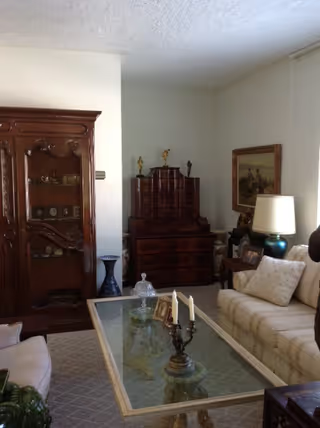
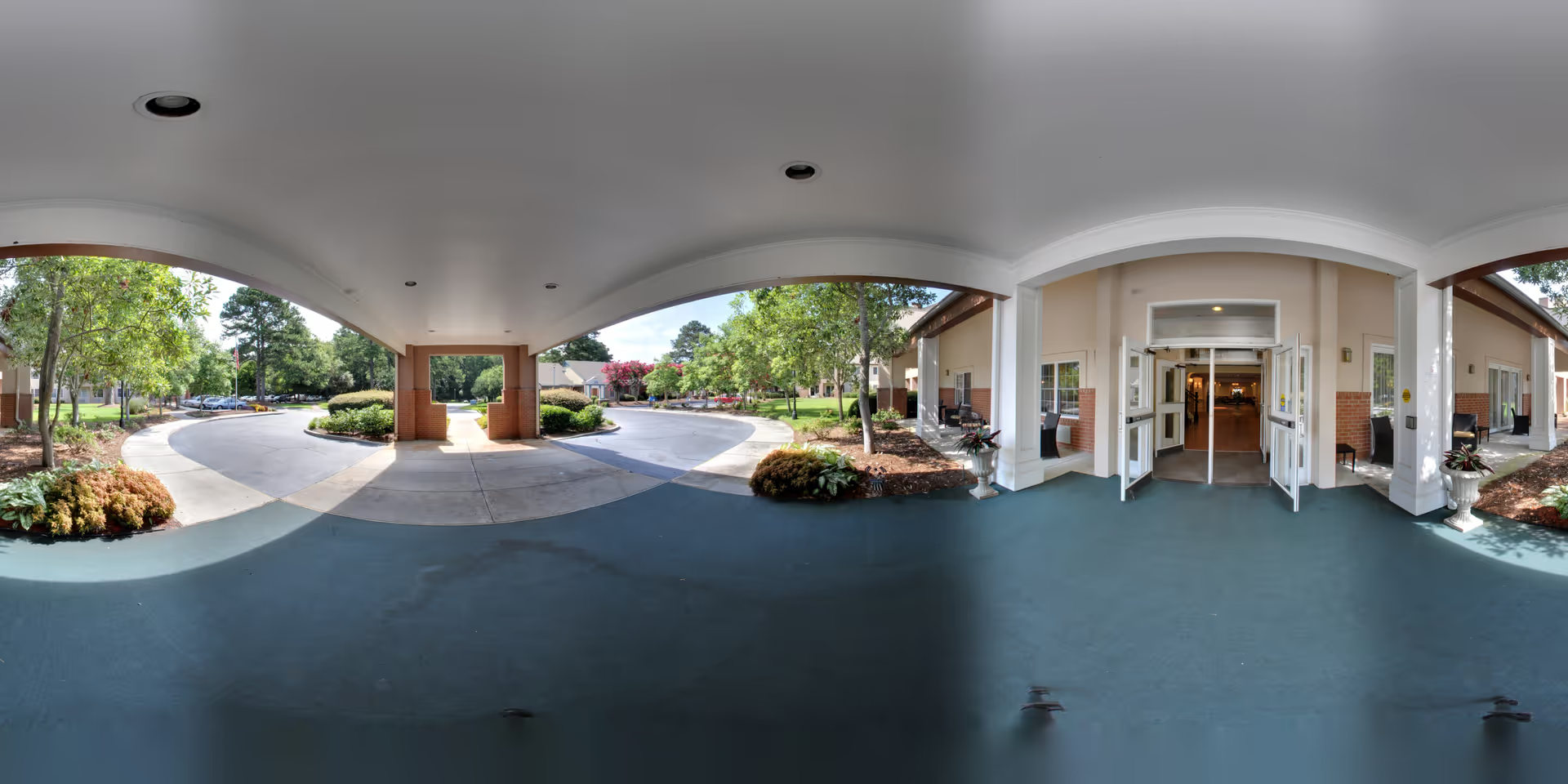
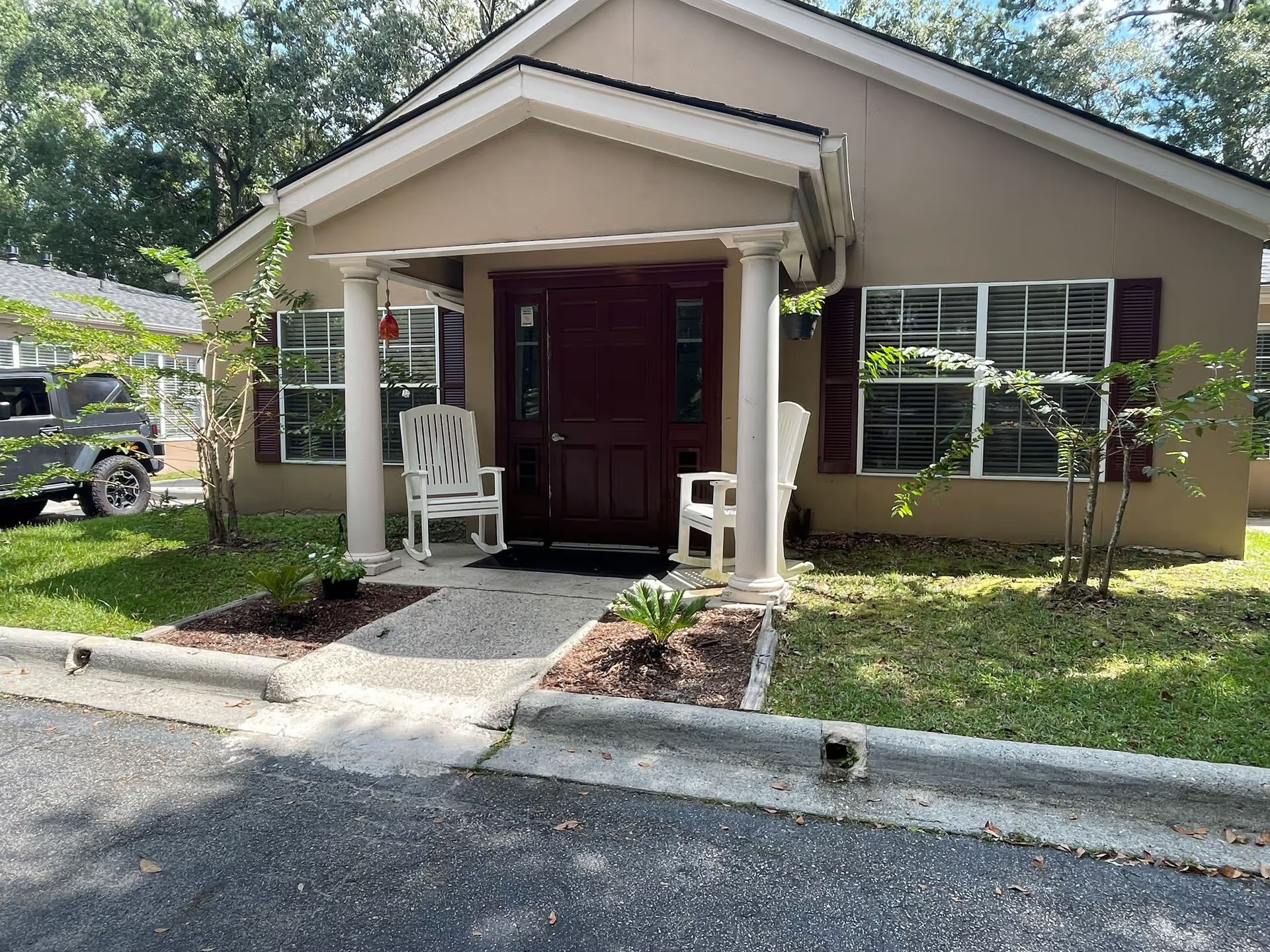
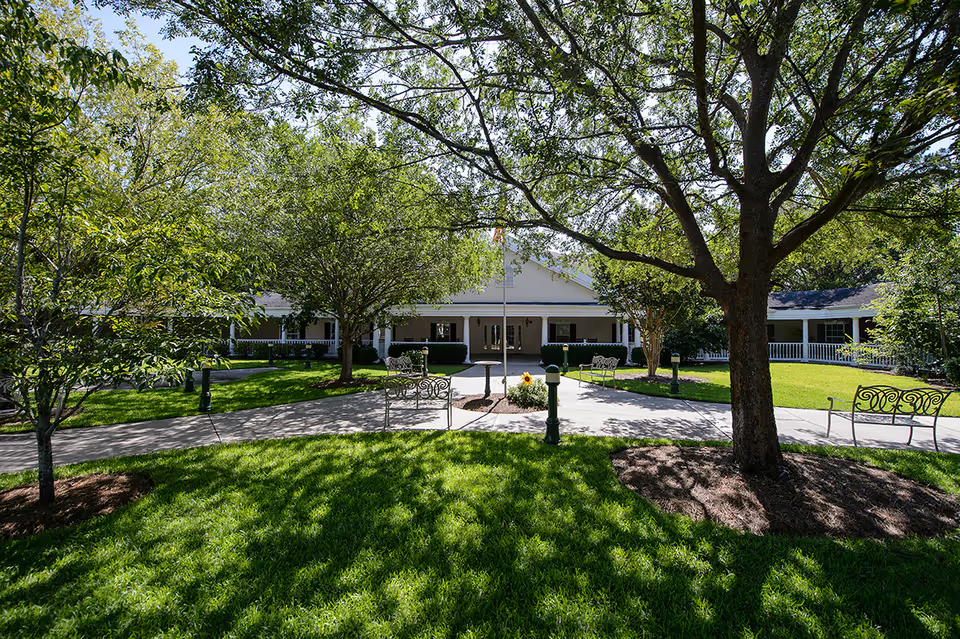
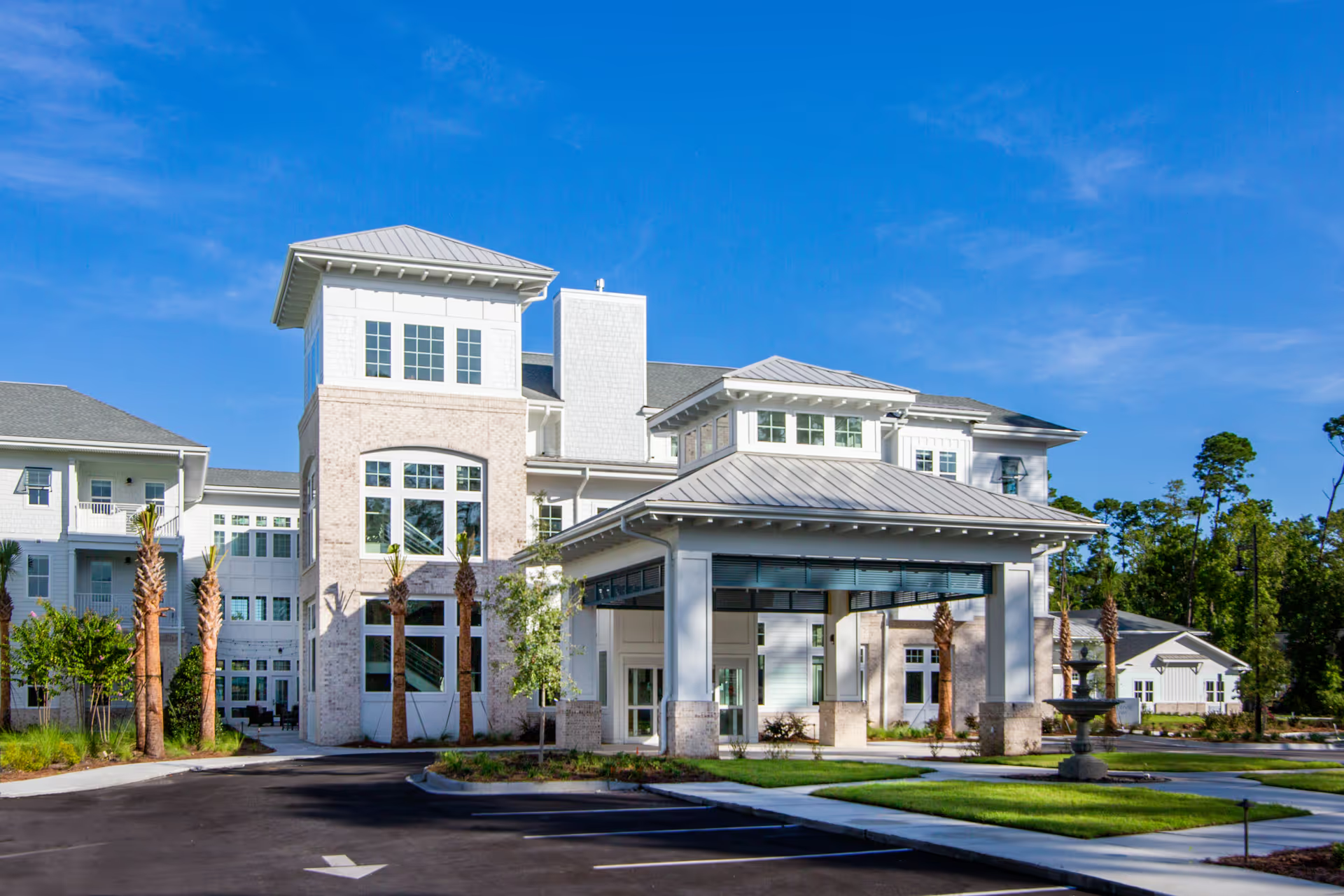
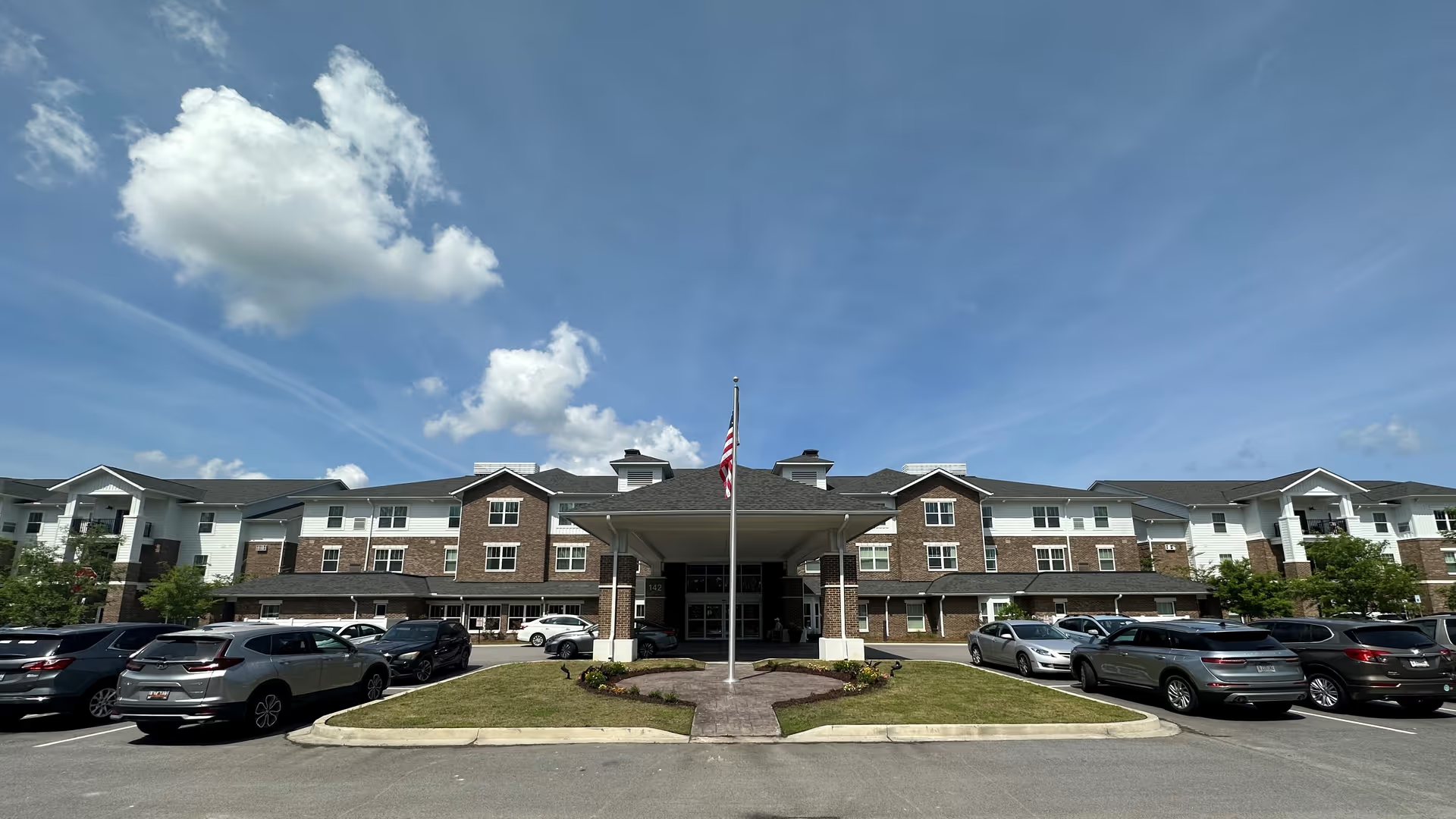
Facilities and campus features are often highlighted positively: clean lobbies, nicely appointed common spaces, apartment-style units including two-bedroom options, and proximity to hospitals and shopping. That said, reviewers also note areas where the physical plant needs attention—confusing building layout, aging sections that require upgrades, and intermittent sanitation and pest-control concerns in specific areas. Housekeeping schedules and room maintenance are sometimes delayed.
Management and operational patterns are a recurrent theme. Strong examples of proactive, visible leadership are contrasted with accounts of unresponsive management, inconsistent admissions communication, and billing or pricing clarity issues. Safety-process vulnerabilities (such as pendant or internet outages and unsecured entry points) and occasional allegations of personal-property loss are reported and warrant consideration during due diligence.
Notable patterns for prospective families: the Oaks at Habersham can provide a comfortable, social, and therapeutically supported environment when staffing and management are functioning well, and several families strongly recommend the community. Prospective residents should verify current staffing levels, ADL support schedules, medication administration protocols, memory-care programming specifics, and billing procedures during tours and in written contracts. A focused review of sanitation practices, security measures, and recent leadership stability is also advisable to reconcile the variation documented across experiences.