Reviews of PruittHealth - Savannah present a mixed but recurring pattern: the facility receives consistent praise for its rehabilitation and therapy services, physical facilities in newer wings, and certain staff members and administrators, while also attracting repeated concerns about frontline nursing, staffing levels, and operational reliability.
Care quality and clinical oversight: Therapy services (physical, occupational and speech) are a clear strength. Multiple accounts describe measurable functional improvement, effective use of aqua-therapy and specialized equipment, and positive therapist–patient interactions that support discharge to home. In contrast, nursing and CNA performance is described as inconsistent. Positive experiences with attentive nurses coexist with reports of slow call responses, missed or late medication administration, inconsistent bathing schedules, and gaps in transfer and fall-prevention practices. Several families described situations that raised safety and skin-integrity concerns and noted instances where family intervention was required to meet basic care needs. There are also reports indicating weekend clinical coverage and follow-up may be thinner than weekday services.
Staff and management: Staff behaviors are portrayed unevenly. Many reviewers singled out individual caregivers, therapists, and administrators for praise—citing compassion, responsiveness at admission, coordination by social work, and administrators who take action. At the same time, recurring themes include burnout, staff turnover, and insufficient frontline staffing that produce variability in resident experience. Communication breakdowns are reported at the administrative level as well; families describe unanswered calls, delayed follow-through on concerns, and inconsistent portal or phone updates. There are isolated but serious claims (including allegations of missing belongings and financial concerns) that some families felt required further escalation.
Dining and activities: Activity programming, engagement efforts, and therapeutic group offerings receive positive marks; staff are credited with encouraging participation and maintaining an active environment. Dining feedback is mixed: some reviewers describe nutritious, well-presented meals with choices, while others report limited entrée options, food served cold, and inadequate dietary follow-through. A few reviewers noted the absence or limited access to dietitian support for residents with specific nutritional needs.
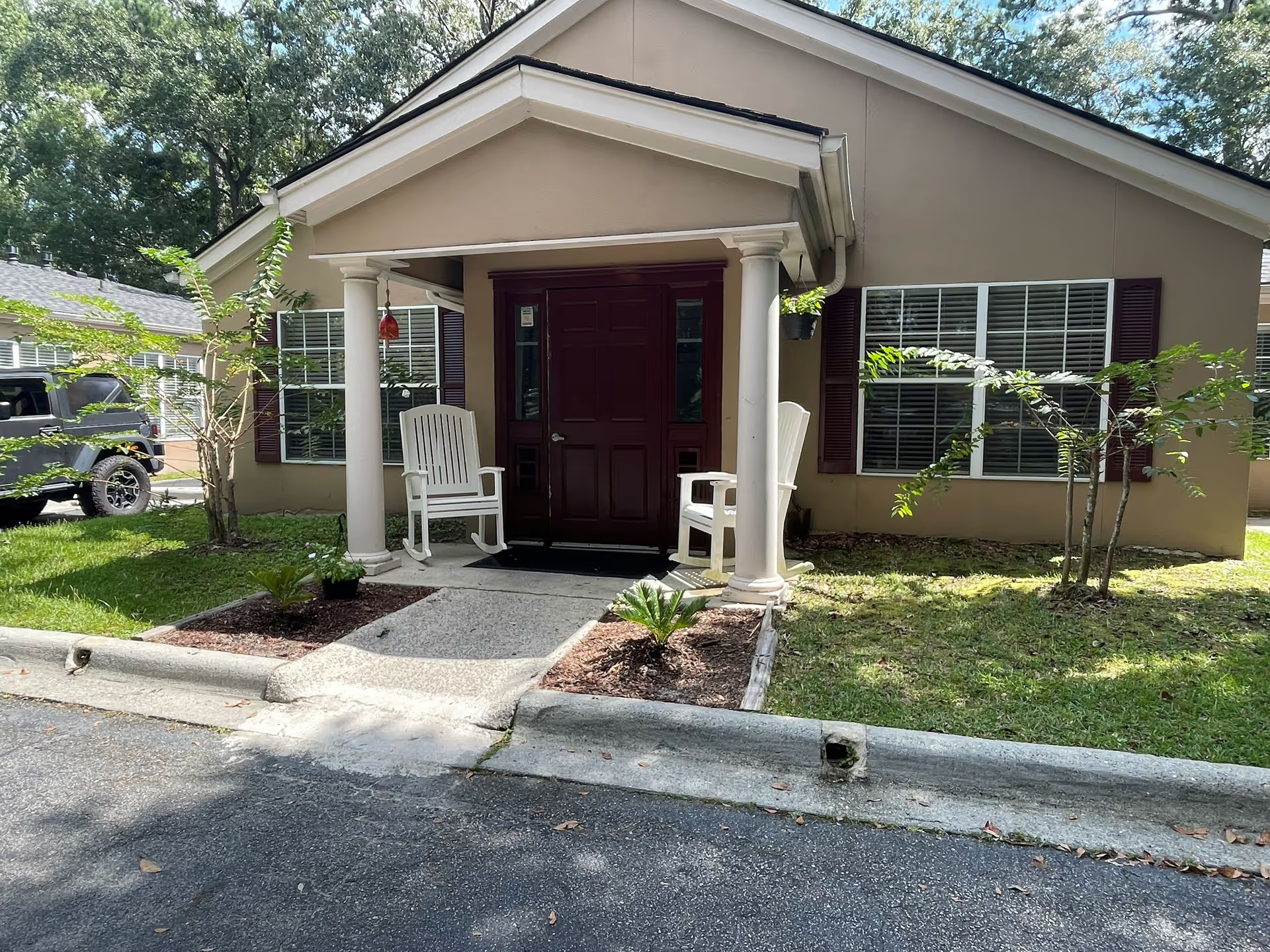
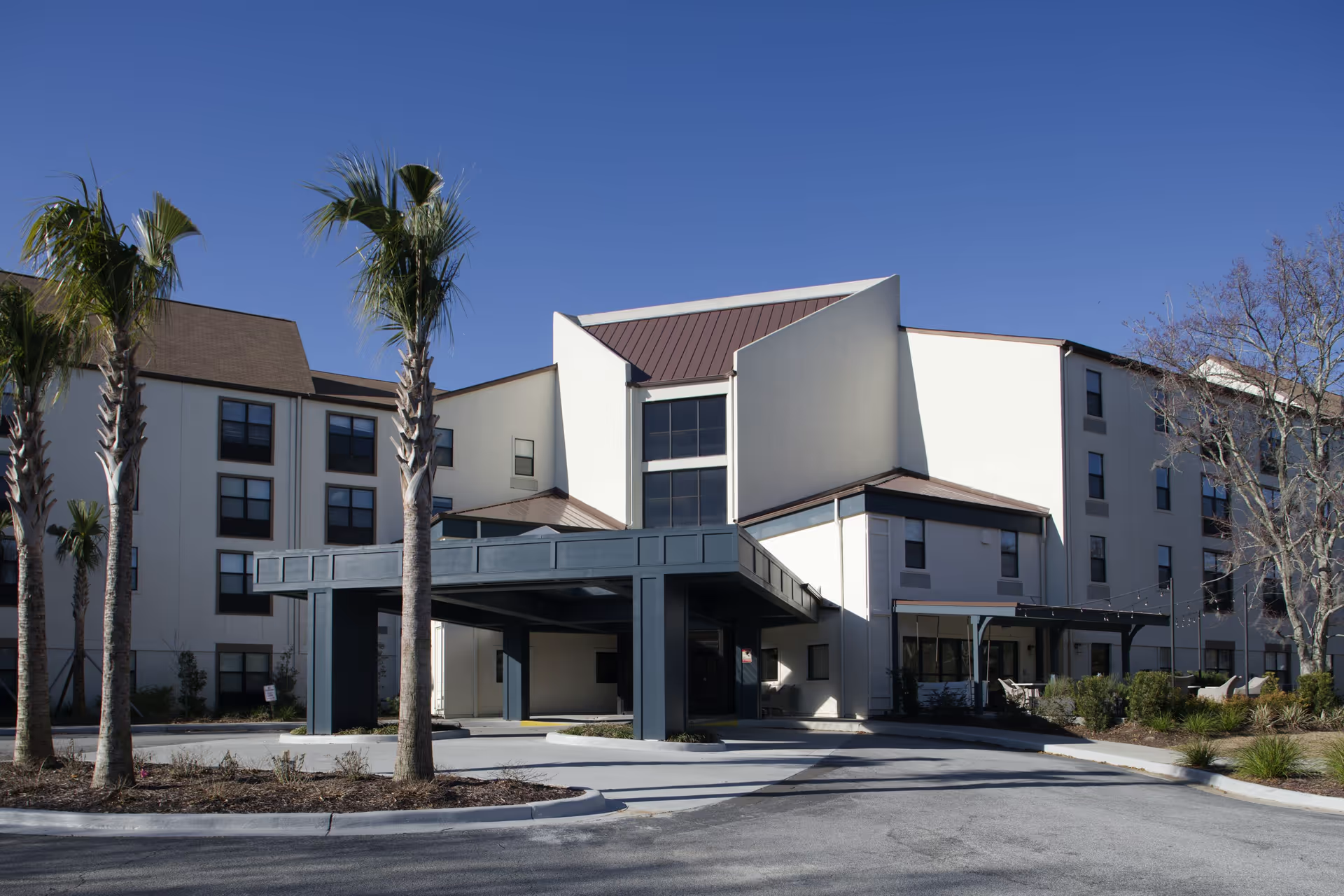
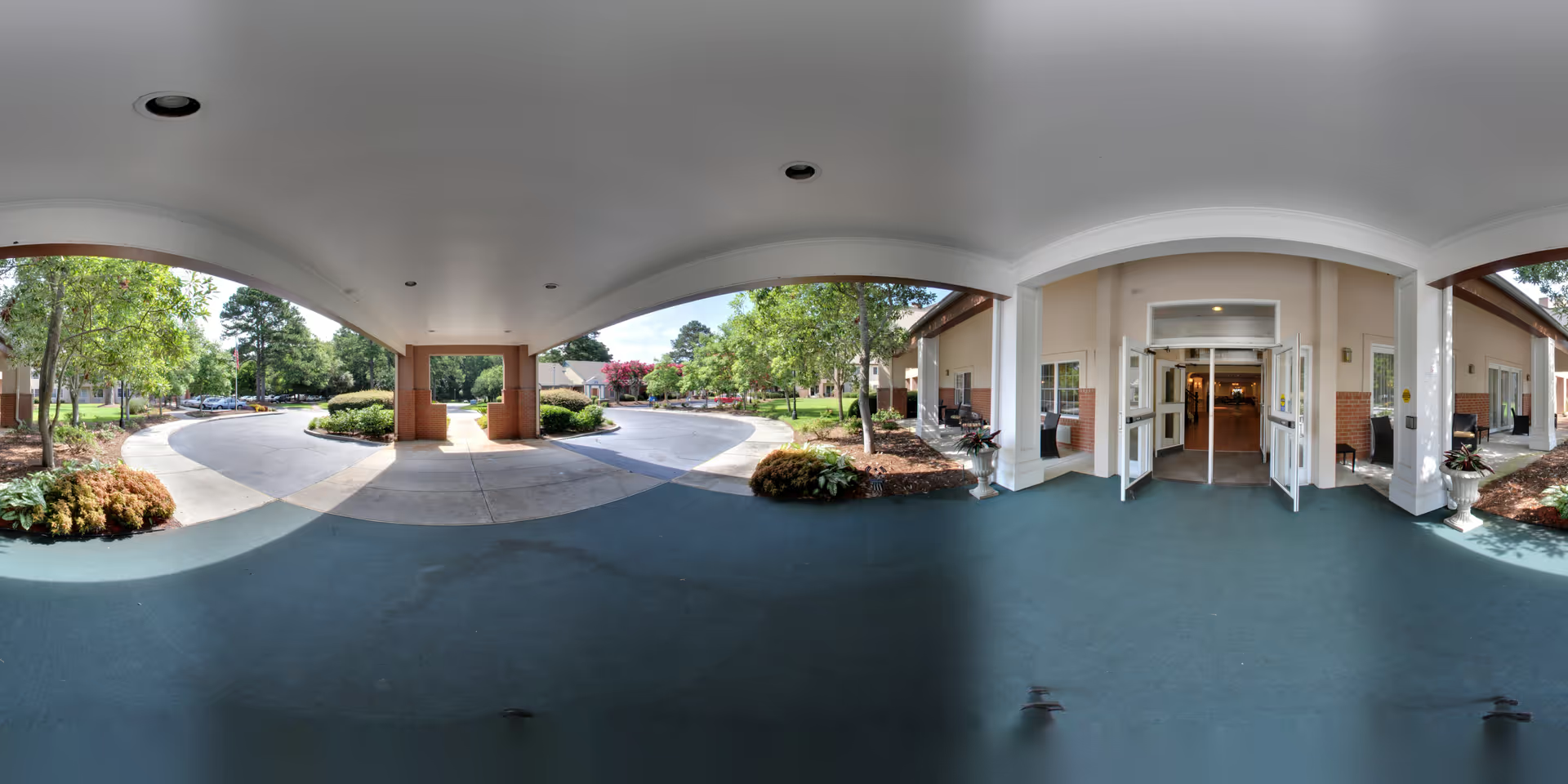
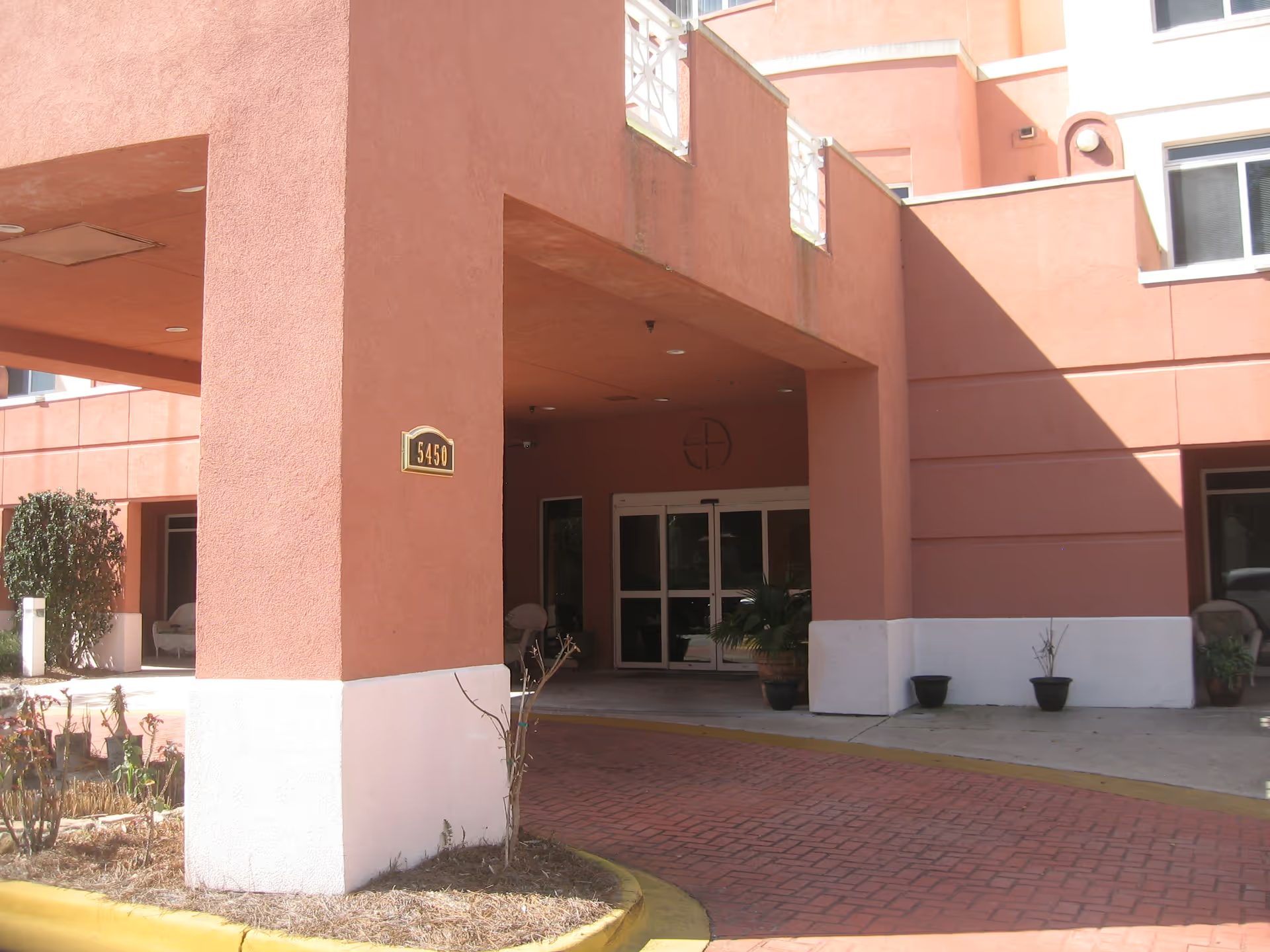
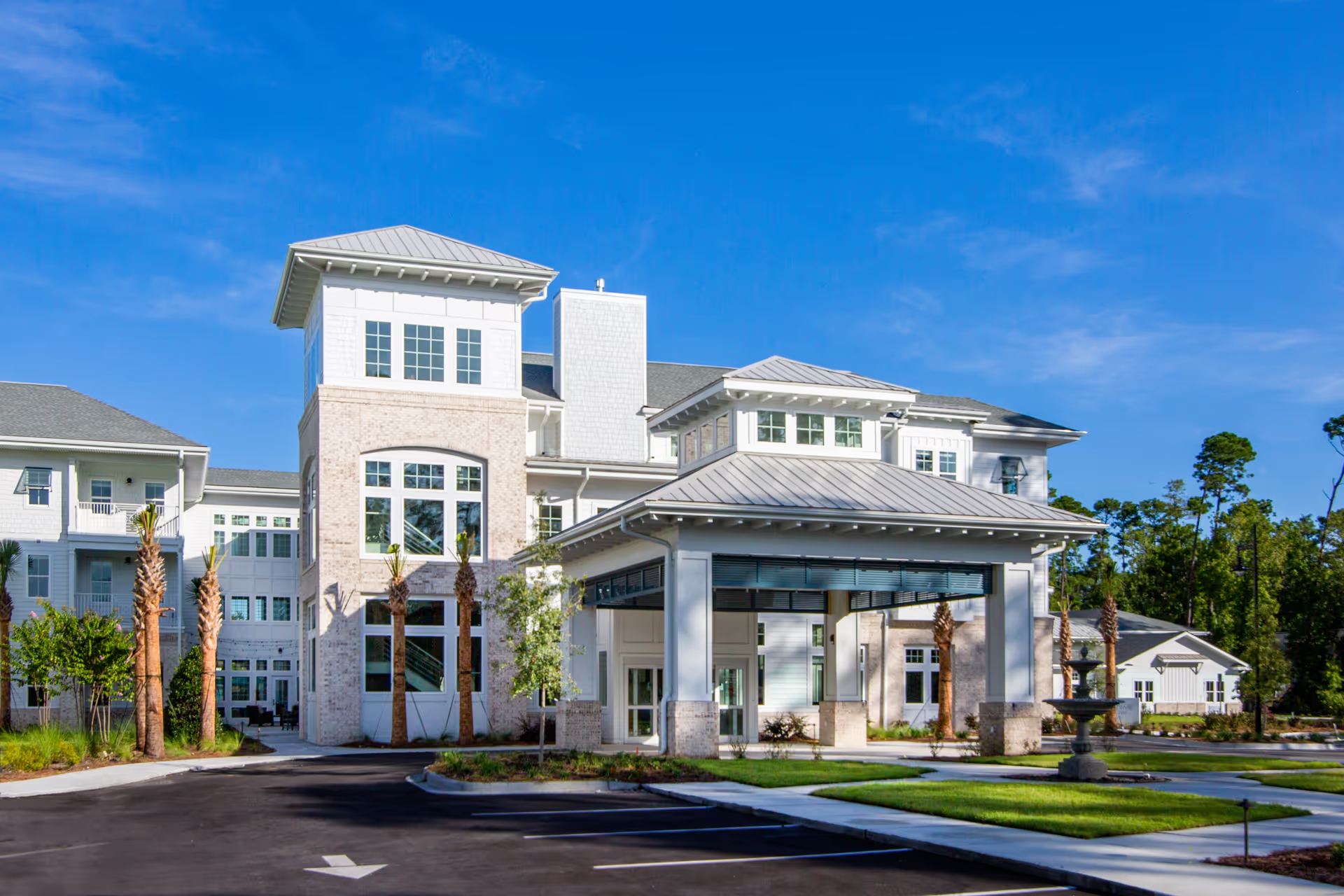
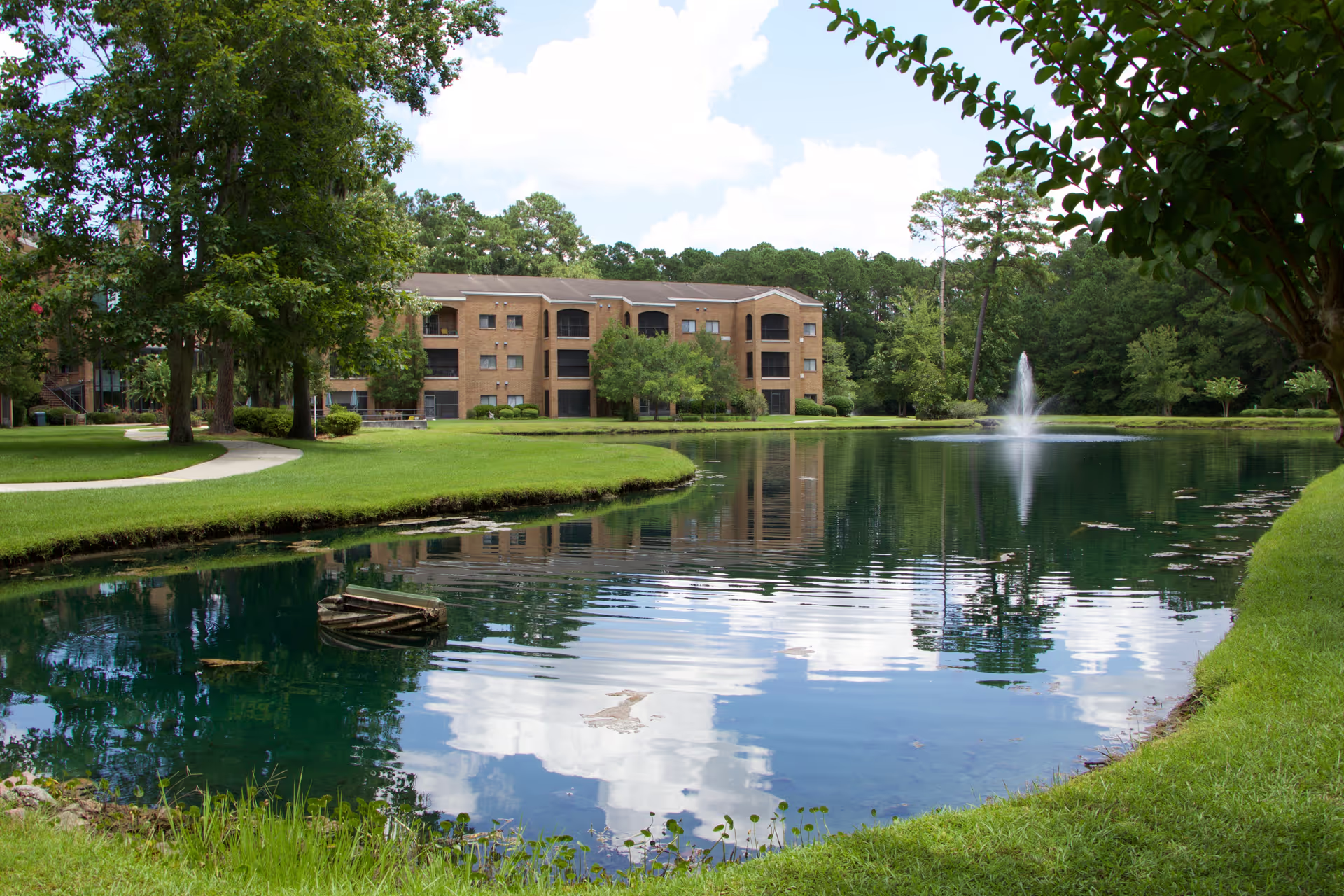
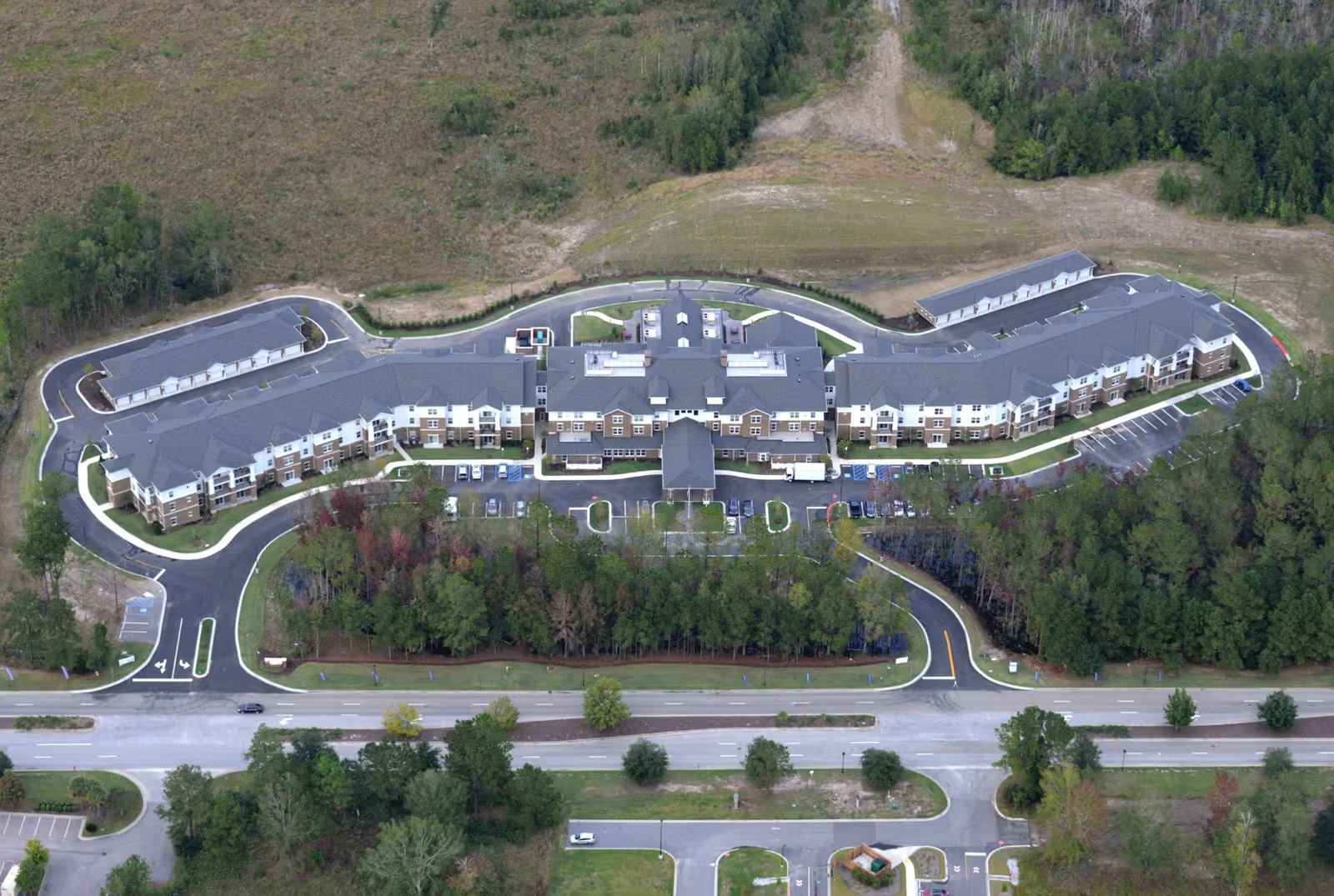
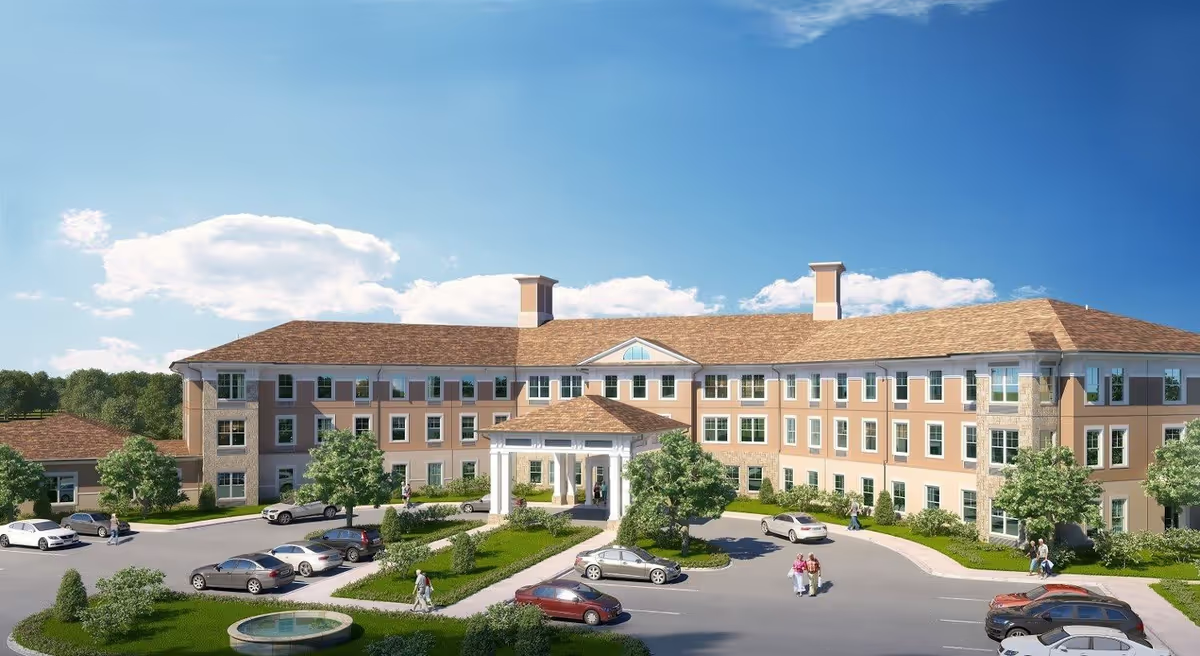
Facilities and sanitation: The physical plant is a clear attraction for many families—newer wings, larger private rooms, walk-in showers, and inviting common areas, including a therapy pool. However, several reviews indicate an inconsistency between the newer and older sections, with the older side described as darker and less well maintained. Sanitation concerns and occasional odor issues in specific areas are mentioned; these are tied in reviews to variability in housekeeping attention and the effects of high resident acuity on environmental maintenance.
Notable patterns and recommendations for prospective families: The dominant pattern is one of high-quality rehabilitative programming and select compassionate staff within an operational environment challenged by staffing, communication, and process consistency. Prospective residents and families should evaluate staffing ratios (especially for weekends and night shifts), verify bathing and turning schedules, confirm medication-administration protocols, and ask how the facility manages property inventory and family communication. When touring, compare newer and older wings, ask to see therapy offerings in person, and request written commitments on communication cadence and clinical oversight. For concerns that appear severe or beyond routine operational gaps—for example, missing valuables or significant clinical events—families may wish to request documentation, escalation pathways, and contact information for regulatory or ombudsman resources.
In sum, PruittHealth - Savannah offers strong rehabilitation resources, modern amenities in parts of the campus, and several staff members and administrators who perform at a high level. These strengths are offset for some families by inconsistent nursing coverage, communication and process gaps, and variability between building wings. The facility may suit patients whose primary need is intensive short-term rehabilitation and who prioritize therapy quality, while families requiring consistently responsive 24/7 personal care should closely evaluate staffing and operational practices during the admissions process.