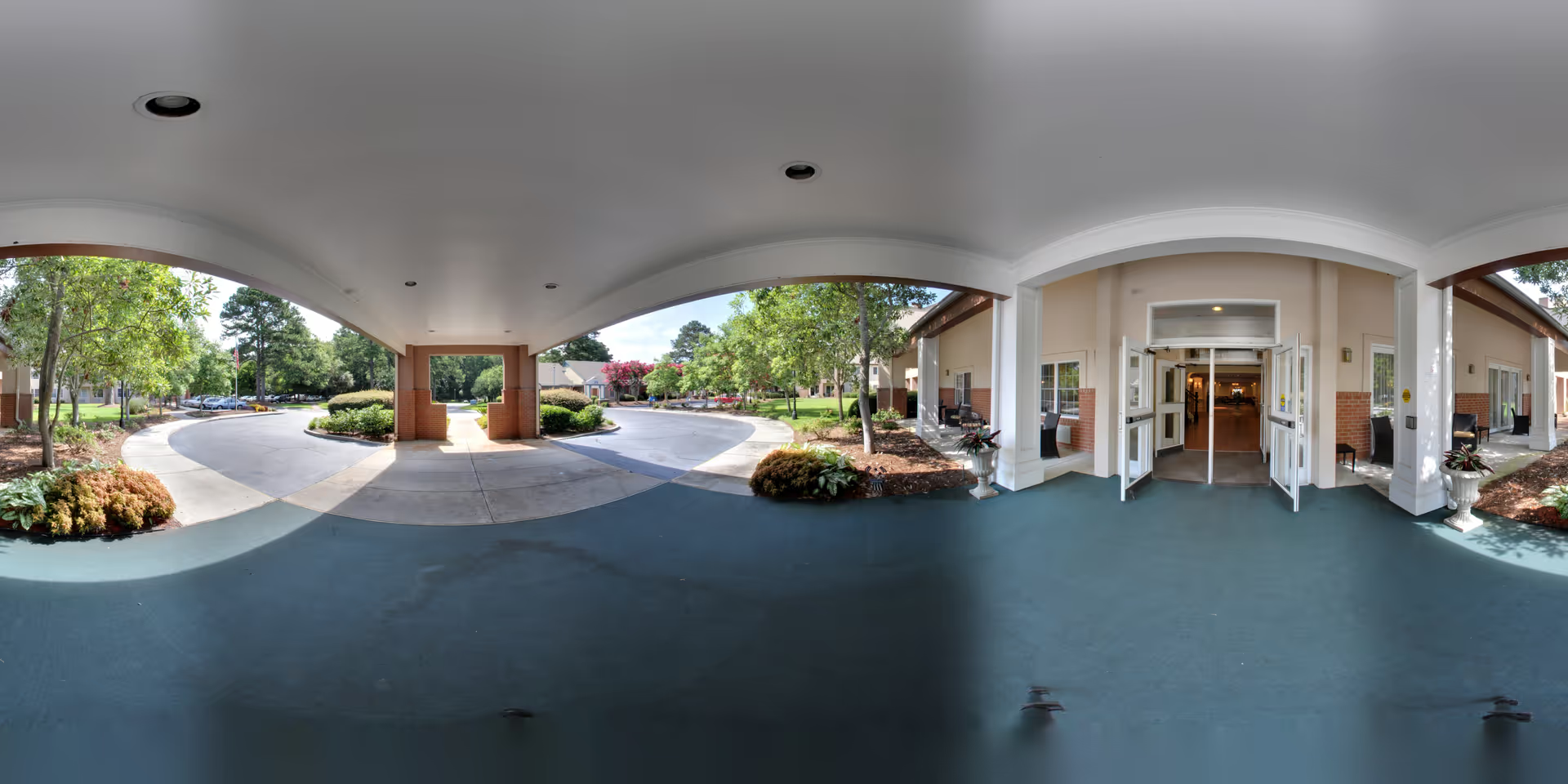
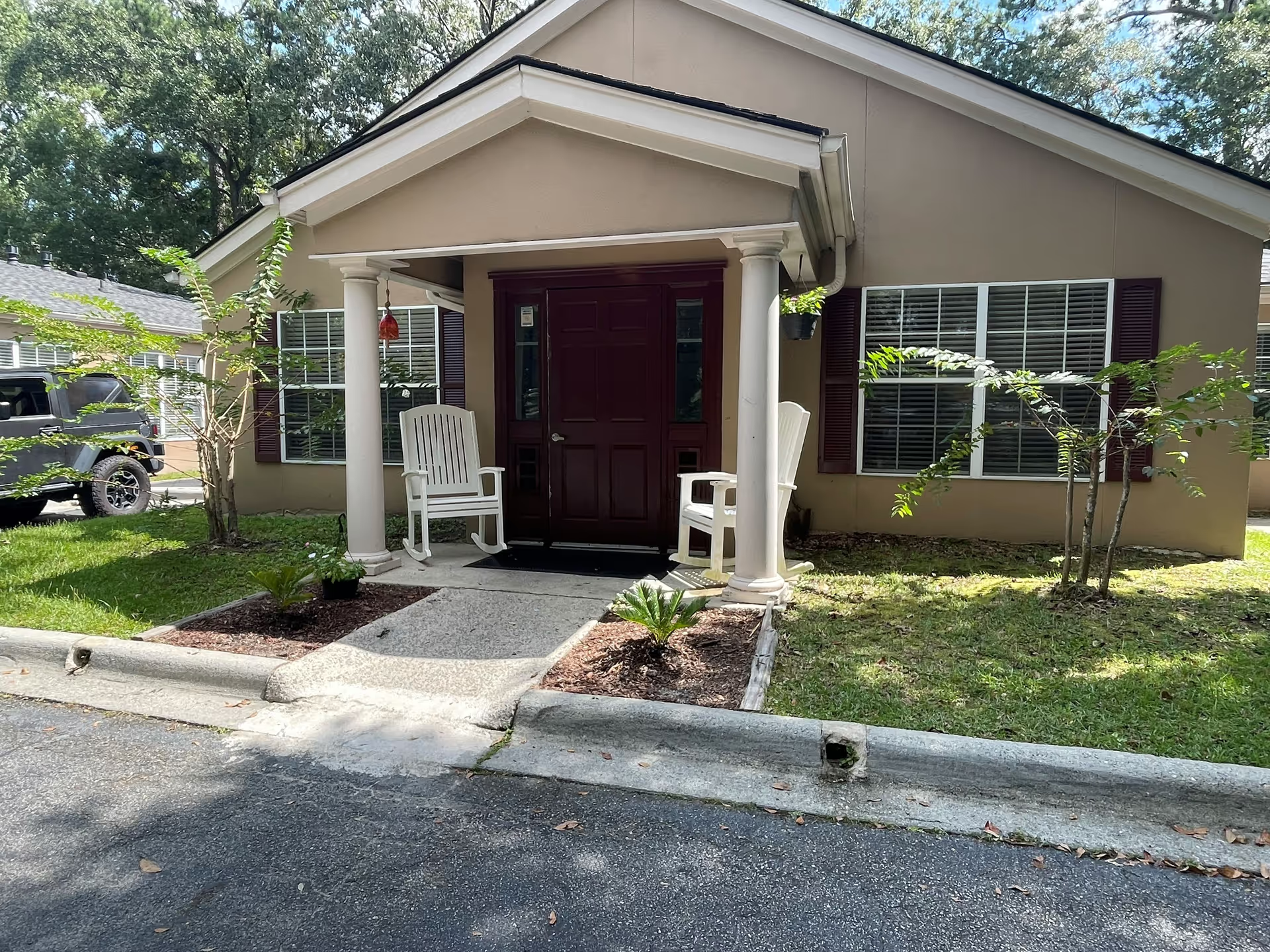
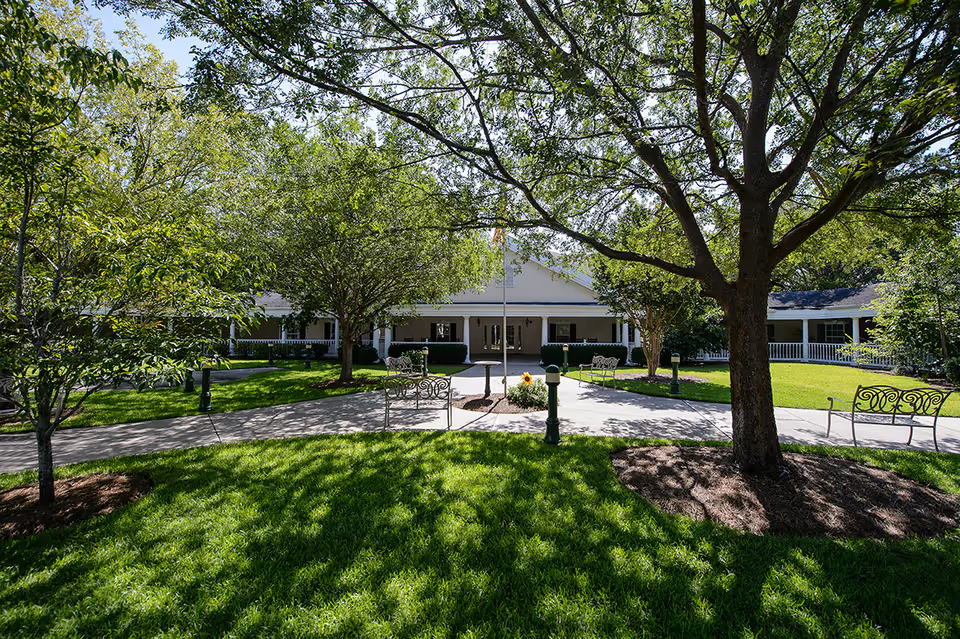
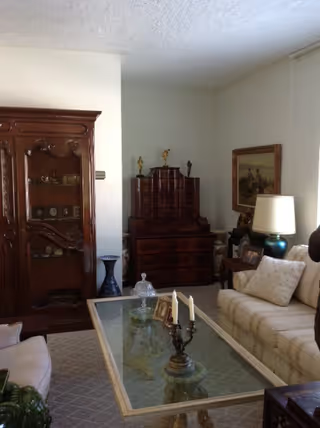
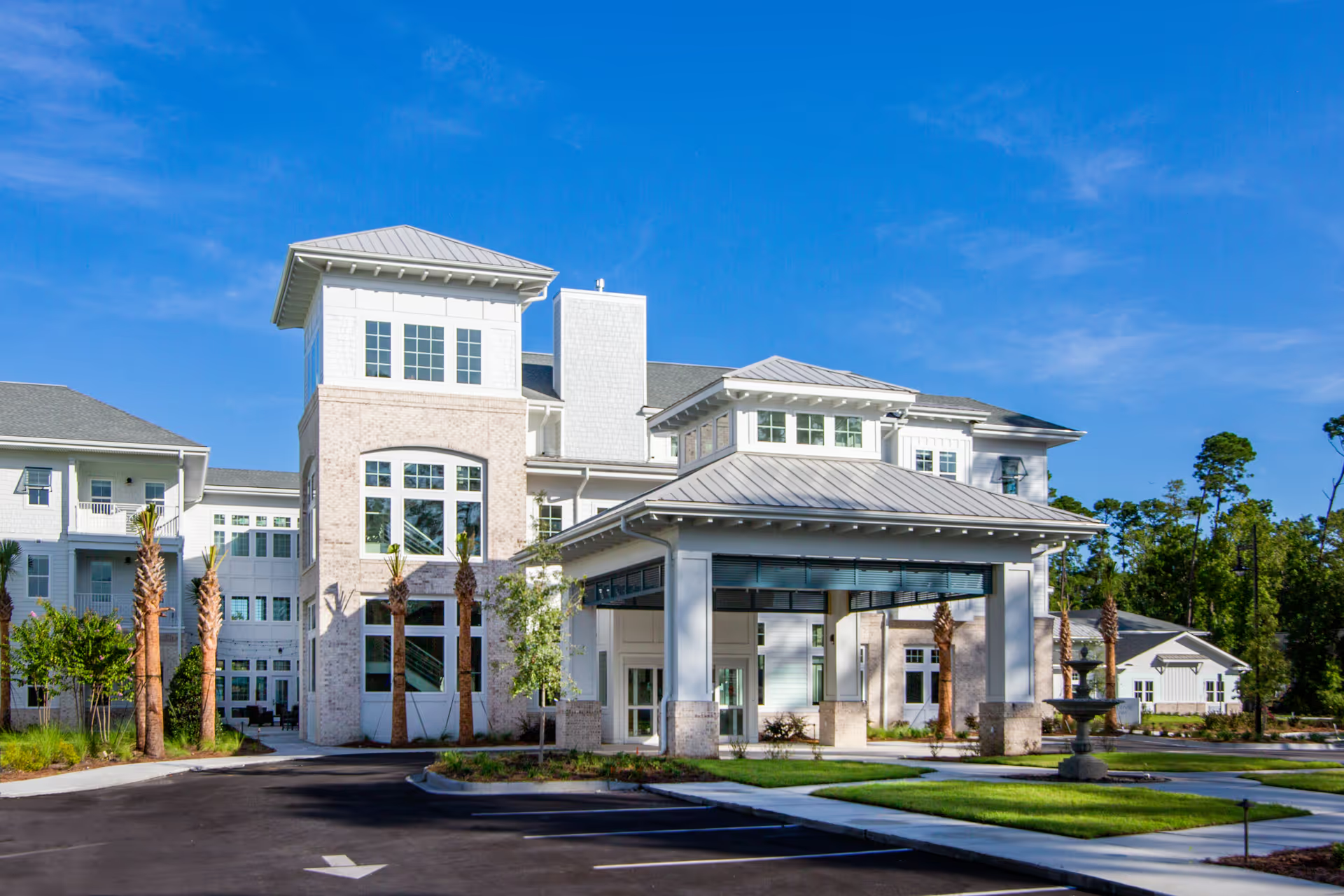
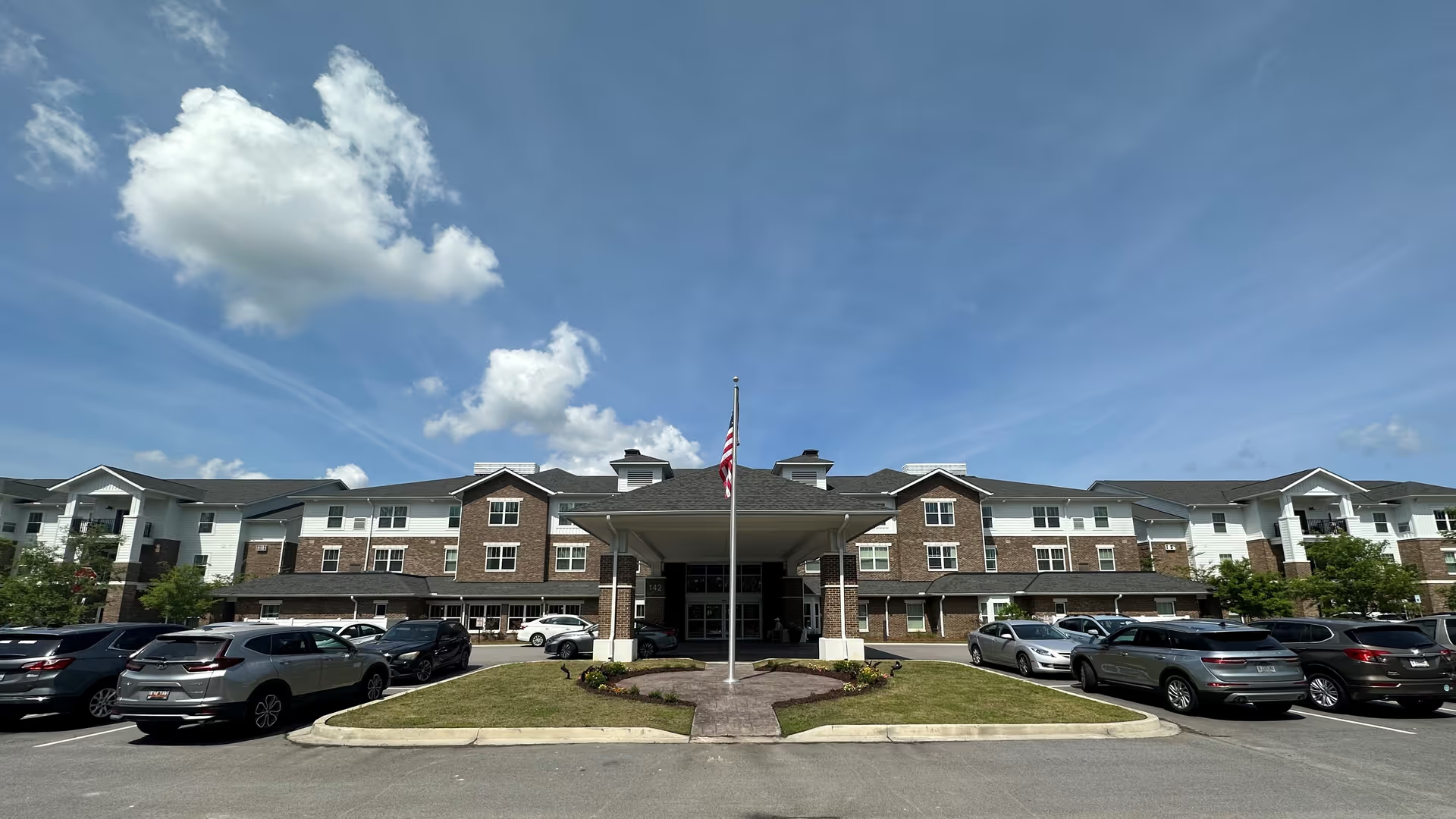
Sunabella Senior Living is frequently described as a well-maintained, garden-oriented community with condo-style independent living units and a home-like, non-institutional feel. Multiple reviewers praised the grounds, spacious apartments, clean common areas and a layout that many find comfortable and private. The facility’s physical environment and landscaping are consistently cited as strengths, and maintenance response times are often characterized as prompt.
Care quality draws a generally positive assessment from many families: reviewers cite attentive monitoring, safety-oriented adjustments, and strong medication administration practices. Several accounts highlight compassionate caregiving and staff who go above and beyond to support residents’ day-to-day needs. At the same time, there are patterns indicating variability in staff continuity; frequent personnel changes have been described as disruptive to relationships and institutional memory.
Staff and management impressions are mixed but contain clear positives. Some reviewers described the manager and clinical leadership as professional, approachable, and effective at addressing concerns. Others noted inconsistent customer-service experiences, including abrupt or unfriendly communications at points of contact. These contrasts suggest that individual staff conduct and team stability significantly influence family impressions.
Dining and activities are two areas with divergent feedback. Many residents appreciate the programming — regular events, weekly outings, lunches and shopping trips were called out as meaningful engagement opportunities. Conversely, dining quality appears inconsistent: several reviewers praised the food as excellent, while others described particular meals as unsatisfactory and cited kitchen-staff attitude concerns. Activity availability also varies by location within the campus: the facility’s two-building configuration can limit participation for residents who are physically separated from central programming.
The community culture is another notable pattern. While many families describe a warm, family-like atmosphere, reviewers also described social cliques and political tensions among residents that can affect inclusion. Prospective residents should consider fit with the existing resident community as part of their evaluation.
Practical takeaways for families touring Sunabella: confirm current staffing stability and turnover trends, sample meals at typical dining times, review the activity calendar and ask how programming is delivered across both buildings, inspect outdoor and private space available for the specific unit under consideration, and meet clinical leadership to discuss medication administration and safety-monitoring protocols. Overall, the facility offers several strong attributes in environment, care processes, and activity programming, but visitor impressions are sensitive to staffing continuity, dining consistency, and community fit.