The reviews present a mixed picture of Oak View Waverly Hall. Several accounts highlight strong clinical and rehabilitative care in specific cases, while other accounts raise concerns about staff behavior and oversight. Overall, the facility appears to deliver effective clinical support in some situations but also shows variability in interpersonal conduct and management follow-through.
Care quality and nursing: Many comments praise compassionate, helpful nurses and specific staff members who provided effective support — including positive outcomes for a resident recovering from a traumatic brain injury. These reports suggest the facility can provide competent clinical and rehabilitative services and has staff capable of delivering focused care. However, other accounts describe perceived shortfalls in clinical responsiveness and bedside manner, indicating inconsistency in care experiences across different shifts or teams.
Staff and communication: The dominant pattern in the feedback is polarization around staff interactions. Positive remarks emphasize friendly, kind, and responsive front-line employees and an efficient admissions process. Negative remarks emphasize inconsistent professionalism, concerns about tone in staff-family interactions, and instances of poor communication (for example, abrupt phone interactions and dismissive responses). This points to variability in staff conduct that may stem from uneven training, supervision, or performance expectations.
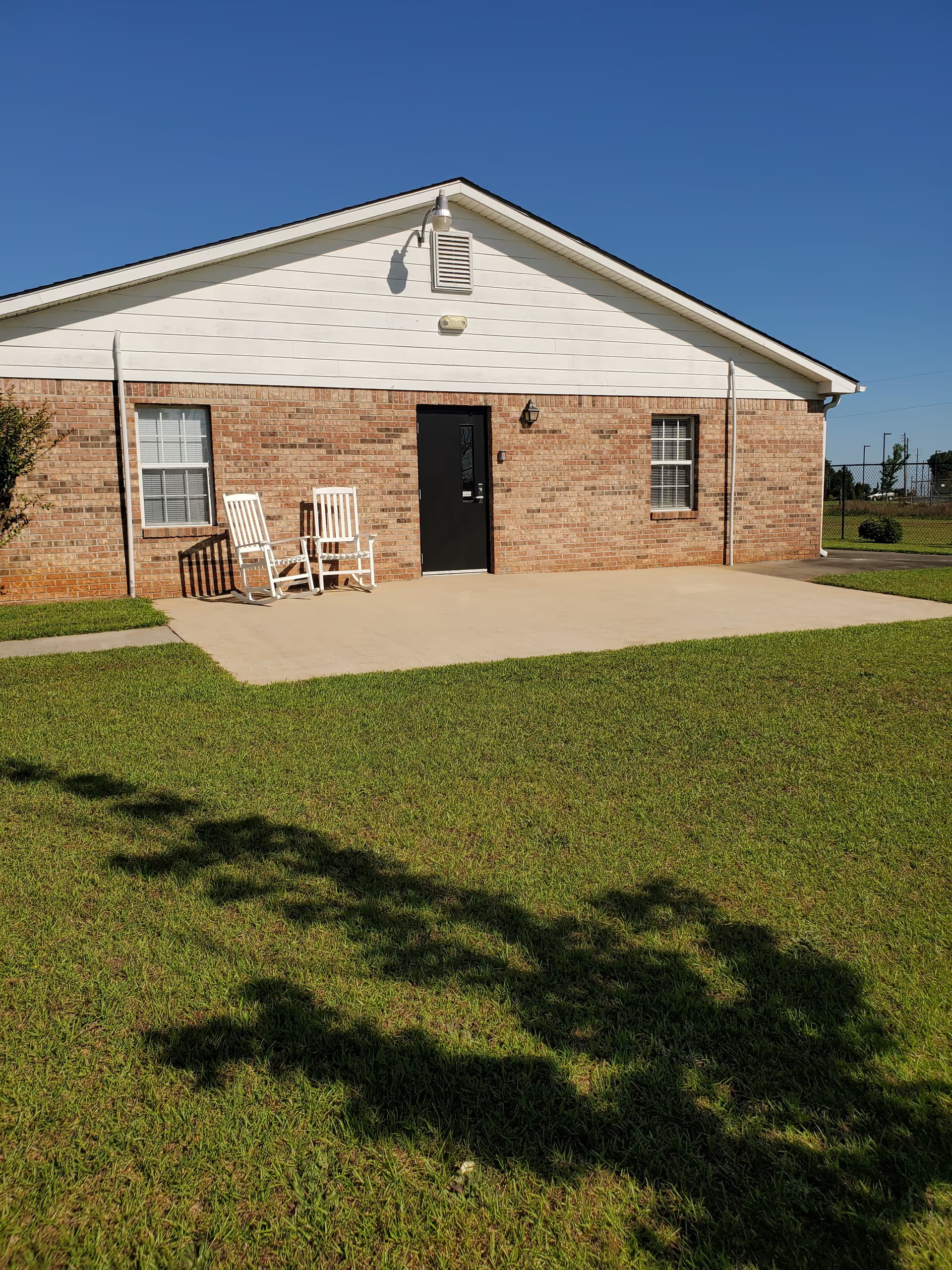
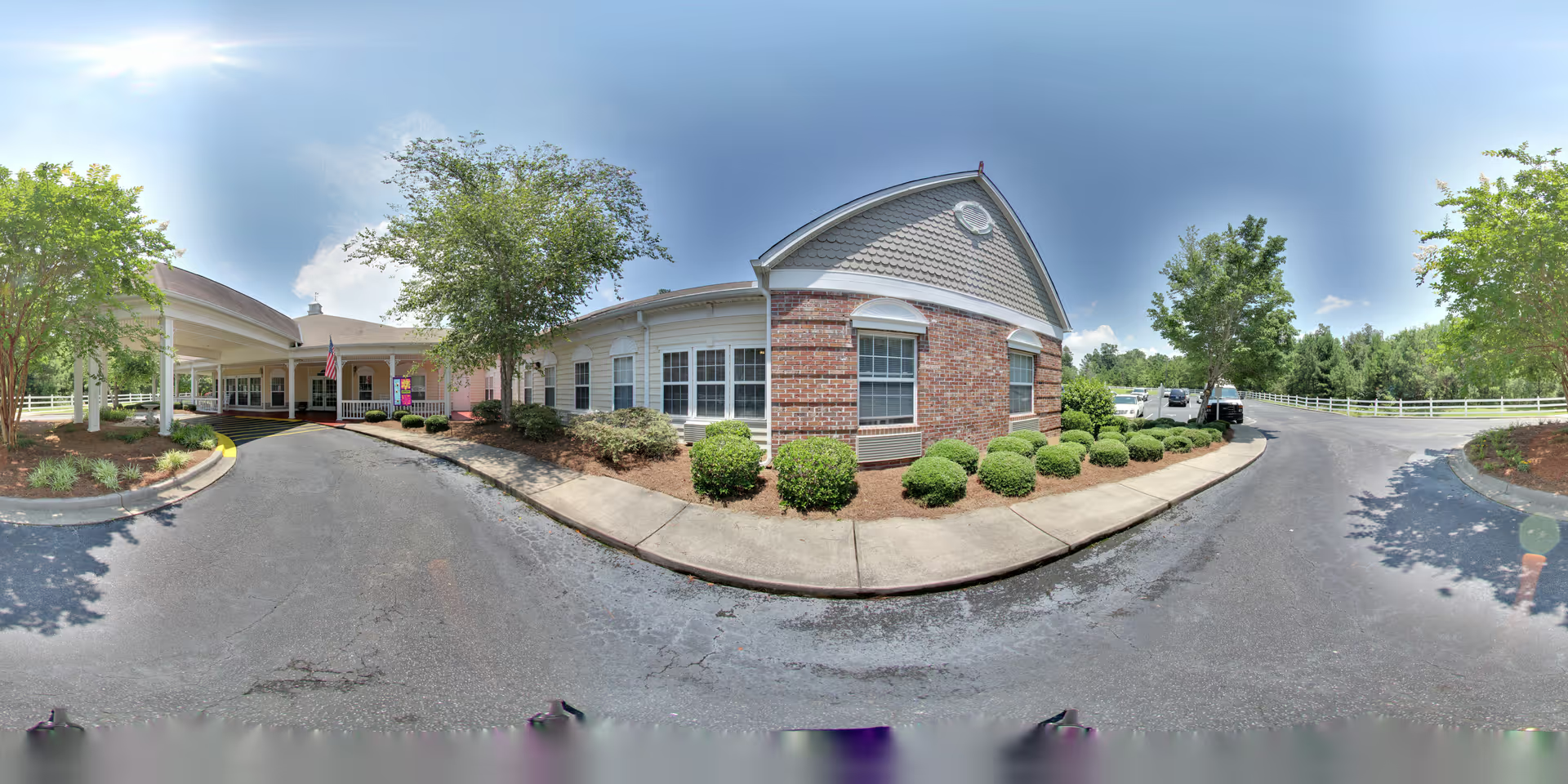
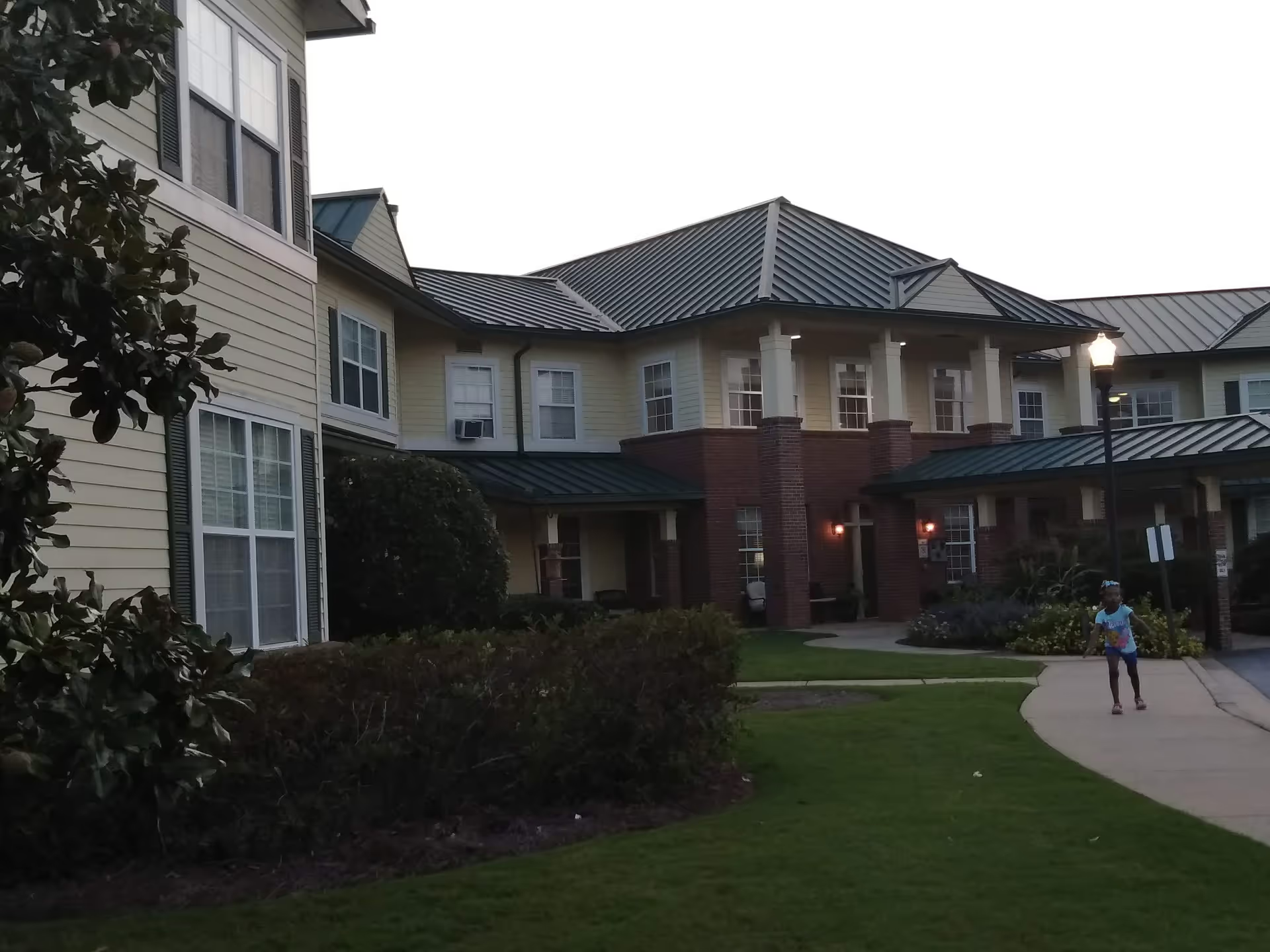
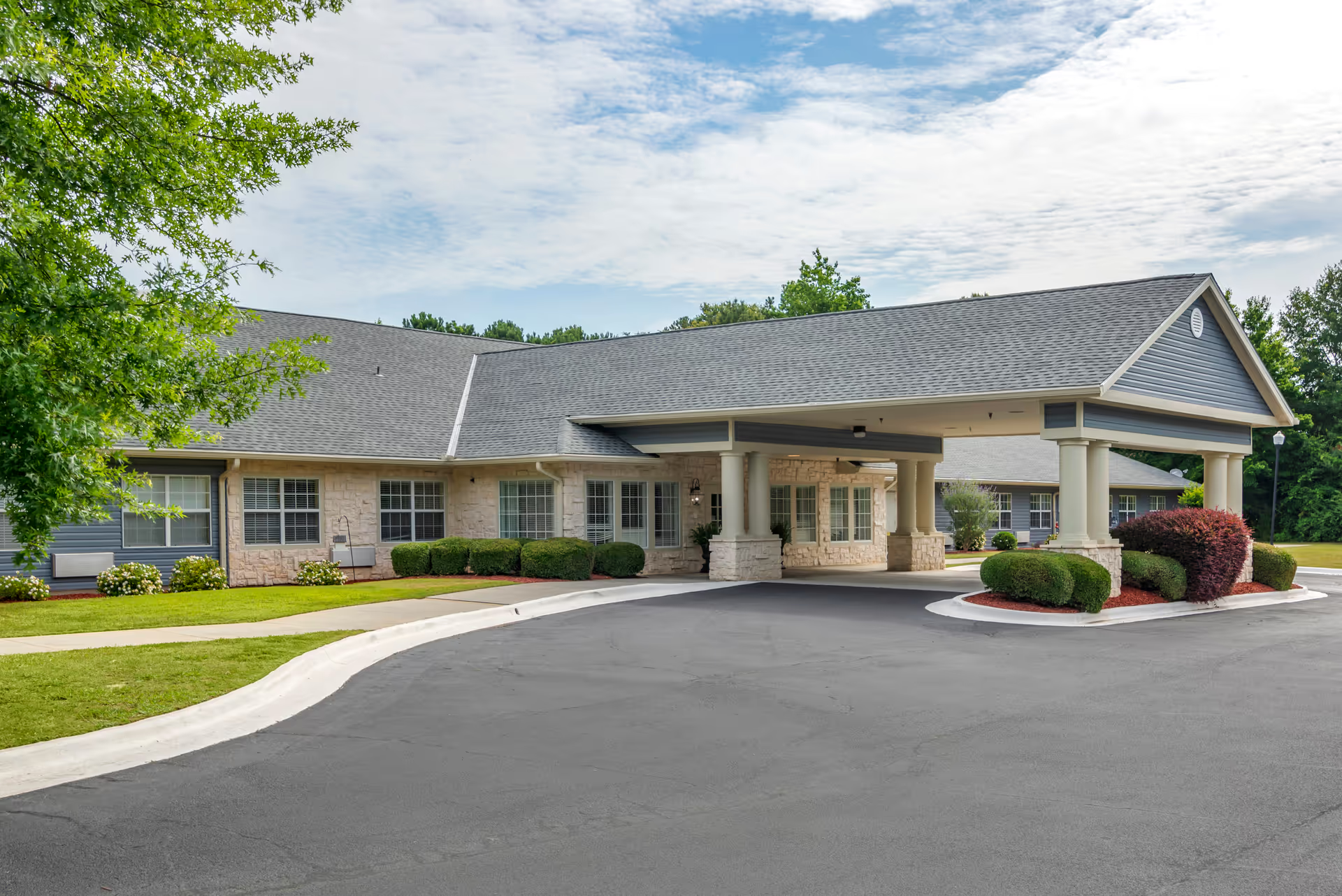
Facilities, dining, and activities: Reviewers specifically note a clean, well-maintained environment, which is a clear facility strength. There was limited direct information about dining quality or the range and regularity of resident activities in the summaries provided; prospective families should request menu samples, activity schedules, and observations of daily life during a tour to assess these areas fully.
Management and operational patterns: Several critical comments raise concerns about leadership visibility, accountability, and follow-up when families escalate issues. Mentions of needing different or improved leadership suggest gaps in supervisory oversight and consistency of managerial response. Together with reports of variable staff training and conduct, these comments indicate potential weaknesses in staff development and quality-assurance processes. Conversely, positive notes about responsive administration indicate that leadership actions are effective at times, suggesting inconsistent application of policies rather than universal absence of administrative responsiveness.
Notable patterns and recommendations: The most salient pattern is variability — some families encountered attentive, compassionate care and smooth processes, while others experienced communication tone issues and what they perceived as managerial inaction. Prospective residents and families should plan a focused visit: observe staff–resident interactions across shifts, ask for examples of staff training and supervision practices, request recent quality or incident reports if available, and review rehabilitation outcomes for relevant conditions. These steps can help determine whether the facility’s strengths align with a particular resident’s needs and whether the variability noted in reviews is addressed by current leadership practices.